How Long Do Guinea Pigs Sleep? Daily Sleep Needs
By Dr. Zubair Khalid, DVM, MS, PhD ·
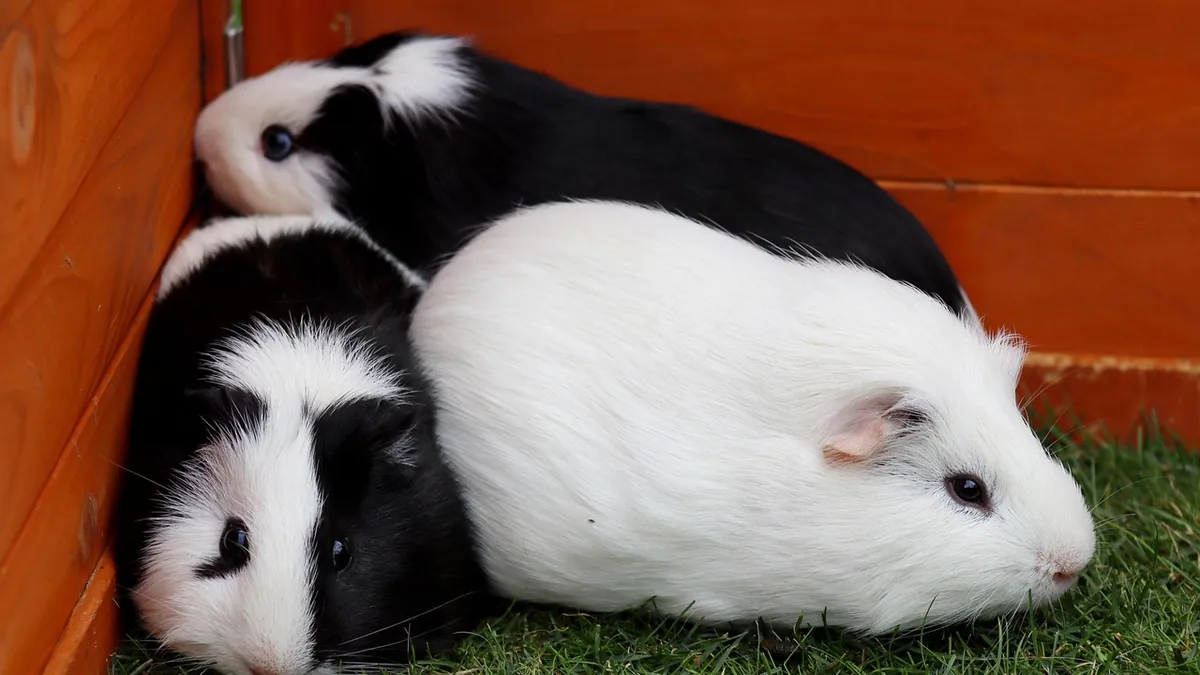
Guinea pigs sleep roughly 9 to 11 hours total in a 24 hour day, but they rarely sleep in one long stretch. Instead, they nap in short bursts around the clock, with more activity at dawn and dusk. If your guinea pig seems to sleep all day or party all night, that is usually normal cavy behavior, not a problem. This article is educational and is not a substitute for veterinary diagnosis or treatment.
Quick Answer
- Guinea pigs are polyphasic sleepers, meaning they take many short naps instead of one long sleep [1].
- Total sleep usually adds up to about 9 to 11 hours per day, split between day and night.
- They are most active at dawn and dusk (crepuscular), so quiet daytime napping is expected.
- A sleeping guinea pig may look frozen or "dead" because they sleep with eyes open or half open.
- Keep a consistent light and dark cycle, a quiet cage spot, and a companion to support normal rest.
Do Guinea Pigs Sleep During the Day?
Yes. Guinea pigs sleep during the day and night in short cycles. They are not strictly nocturnal like hamsters, and they are not strictly diurnal like humans. Their activity peaks around dawn and dusk, and they rest in between.
This pattern makes sense for a prey species. In the wild, guinea pigs stay alert when light is low and predators are harder to spot, then retreat to cover to rest. Pet guinea pigs keep the same rhythm even when food is always available.
A guinea pig may nap for a few minutes, wake to eat or drink, then nap again. You might see 20 or more short sleep bouts in a day. That is why owners often say their guinea pig "sleeps all the time." The total is normal, but the pattern is broken into pieces.
How Long and When Do Guinea Pigs Sleep?
Guinea pigs sleep in short bouts spread across the full 24 hour day. The total usually falls between 9 and 11 hours. Most of that sleep happens in daylight hours, with shorter naps overnight.
Their body rhythms support this. One study found that guinea pigs void more urine during the active daytime phase and less during the inactive phase, which shows a clear day and night rhythm in body function [2]. Bladder nerve sensitivity also changed between day and night time points [2]. In plain terms, their bodies run on a daily clock, and sleep follows that clock.
Hormones and cycle phase can shift behavior too. Female guinea pigs show changes in activity, feeding, and cortisol around different stages of the estrous cycle [3][4]. Cortisol was higher around estrus compared with diestrus in socially housed females [3][4]. If your female guinea pig has a restless day or two, her cycle may be part of the reason.
Age matters as well. Young guinea pigs sleep more than adults. Older guinea pigs may sleep more deeply and wake more slowly. Both can be normal.
Guinea Pig Sleep Schedule: What a Normal Day Looks Like
Use this as a general guide, not a strict rule. Every guinea pig is an individual.
| Time of day | Typical behavior | What you can do |
|---|---|---|
| Early morning (5 to 8 am) | Active, eating, running | Refill hay and water |
| Mid morning to afternoon | Short naps with feeding breaks | Keep noise low, avoid handling |
| Late afternoon (4 to 7 pm) | Active again, social, popcorning | Best time for lap time and play |
| Evening | Naps and grooming | Offer fresh vegetables |
| Overnight | Short naps, some activity | Keep a night light dim, not bright |
A predictable routine helps. Feed at the same times each day. Keep the room light cycle steady. Guinea pigs do well when day is bright and night is dark.
How to Help a Guinea Pig Sleep
Good sleep starts with a good setup. Guinea pigs are prey animals, so they sleep best when they feel safe.
Step by step
- Give them a hiding place. Every guinea pig needs a house, tunnel, or covered bed. They sleep more when they can hide.
- Add soft bedding. Fleece liners, paper bedding, or hay piles give them something to burrow into.
- Keep a companion. Guinea pigs are social and often rest better in pairs or groups. See Guinea Pig Companionship and Housing Needs.
- Check the cage size. Crowded housing raises stress and disrupts rest. Review Guinea Pig Cage Size: Minimum Standards and Space Calculations.
- Control light and noise. Put the cage away from TVs, doors, and loud appliances. Use a dim night light only if needed.
- Keep the temperature steady. Avoid drafts and direct sun. Extreme heat or cold disturbs sleep.
- Limit handling during naps. Pick calm times, such as late afternoon, for cuddling.
- Watch the room at night. If your guinea pig is awake and loud at 2 am, that can be normal. Check that food, water, and hay are available.
What not to do
Do not wake a sleeping guinea pig to play. Do not rearrange the cage at night. Do not use bright lights after dark. Do not house a single guinea pig alone if you can avoid it.
Signs That Something Is Wrong
Sleep changes alone are rarely a diagnosis. Look at the whole picture.
Normal and not a concern
- Napping on and off all day
- Waking easily when you open the cage
- Sleeping with eyes open or half open
- More sleep on hot days
- A young guinea pig sleeping more than an adult
Talk to your vet if you see
- Sudden increase in sleep with no interest in food
- Sleeping in a hunched position, puffed up, or in a corner
- Not moving when you touch them
- Breathing that looks fast, noisy, or labored
- Weight loss, drooling, or trouble eating
- A guinea pig that stops grooming or stops reacting to cage mates
- A female with a swollen belly or discharge
- A guinea pig that cannot stand or drags a leg
Guinea pigs hide illness well. A "sleepy" guinea pig that is also off food is a sick guinea pig until proven otherwise.
Common Mistakes Owners Make
- Assuming a nocturnal pet. Guinea pigs are not night-only animals. They rest day and night [1].
- Thinking sleep equals laziness. Short, frequent naps are the normal pattern.
- Skipping a companion. A lone guinea pig often shows more stress and less settled rest.
- Using a wheel or ball. These are not safe for guinea pigs and do not improve sleep.
- Ignoring cage size. Small cages increase stress and reduce quality rest.
- Changing the routine daily. Guinea pigs do better with a steady schedule.
- Missing illness. If sleep changes come with appetite or breathing changes, call your vet.
Supplies and Setup That Matter for Health
- Cage: solid floor, no wire bottom, large enough for running and hiding.
- Hideouts: at least one per guinea pig, plus a tunnel.
- Bedding: soft, dry, and changed often. Wet bedding causes skin and foot problems.
- Hay: unlimited grass hay for eating and burrowing.
- Water: a bottle or bowl checked twice daily.
- Companionship: same species, ideally a bonded pair.
- Quiet zone: away from loud traffic and strong smells.
- Light cycle: bright day, dark night, no constant lamp.
A calm, well set up cage supports sleep and overall health. For a longer view of what good care looks like over time, see How Long Do Guinea Pigs Live? Lifespan and Care. If you are curious how other pets compare, read How Long Do Dogs Sleep and How Many Hours A Day Do Dogs Sleep.
Limitations and When to Contact a Veterinarian
No article can tell you what is wrong with your individual guinea pig. A veterinarian who examines your pet can.
Call your veterinarian the same day if your guinea pig:
- Stops eating or drinking
- Has diarrhea or no droppings for 12 hours
- Breathes with effort or makes clicking sounds
- Sits hunched and does not move when nudged
- Has a swollen or painful belly
- Shows blood in the urine or strains to urinate
Go to an emergency clinic now if your guinea pig:
- Collapses or cannot stand
- Has a seizure or tremors
- Breathes with an open mouth
- Is limp, cold, or unresponsive
- Has heavy bleeding or a deep wound
Schedule a routine visit if you notice:
- Gradual weight loss
- Slow eating or dropping food
- Overgrown teeth or drooling
- Coat changes, scratching, or hair loss
- A steady decline in activity over weeks
Guinea pigs can become very sick very fast. When in doubt, call. Early care saves lives.
Frequently Asked Questions
Do guinea pigs sleep at night?
They do sleep at night, but usually in shorter and lighter bouts than during the day. Their main active times are dawn and dusk, so you may hear them moving around after dark. A guinea pig that is awake and eating at night is normal.
Why does my guinea pig sleep with its eyes open?
Many guinea pigs sleep with their eyes open or partly open because they are prey animals and stay alert even at rest. This can look unsettling, but it is normal. If the eyes look cloudy, crusty, or the guinea pig does not blink, have a vet check them.
How can I tell if my guinea pig is sleeping or sick?
A sleeping guinea pig wakes when you open the cage or offer food. A sick guinea pig stays still, feels cool or puffed up, and often refuses food. If your guinea pig does not respond to food or touch, contact your veterinarian.
Do guinea pigs need darkness to sleep?
They rest best with a clear day and night cycle. Bright light at night can disturb sleep, so keep the room dim or dark after bedtime. A small night light is fine if you need to check on them.
Can a single guinea pig sleep well alone?
A lone guinea pig can sleep, but they often rest less deeply and show more stress. Guinea pigs are social and usually do better with a bonded companion. If you keep one guinea pig, give extra hiding spots and daily interaction.
Do guinea pigs dream?
We cannot say for sure what guinea pigs experience during sleep. They do have active and quiet sleep phases like other mammals. Twitching, whisker movement, or small sounds during sleep can be normal.
Related Articles
- How Long Do Guinea Pigs Live? Lifespan and Care
- Guinea Pig Companionship and Housing Needs
- Guinea Pig Cage Size: Minimum Standards and Space Calculations
- Complete Guinea Pig Care Guide
- Do Guinea Pigs Sleep With Their Eyes Open?
- Why Is My Guinea Pig Always Laying Down?
- Do Guinea Pigs Hibernate? Torpor and Cold Safety
References
- Anatomy, Physiology, and Behavior of Guinea Pigs - Exotic and Laboratory Animals. Merck Veterinary Manual.
- Time-of-day dependent changes in guinea pig bladder afferent mechano-sensitivity. Scientific reports, 2021.
- Behavioral and physiological changes during the estrous cycle of socially housed female guinea pigs. Behavioural processes, 2026.
- Physiological and behavioral traits in female guinea pigs: estrous cycle effects and repeatability. Physiology & behavior, 2026.