Do Guinea Pigs Sleep With Their Eyes Open?
By Dr. Zubair Khalid, DVM, MS, PhD ·
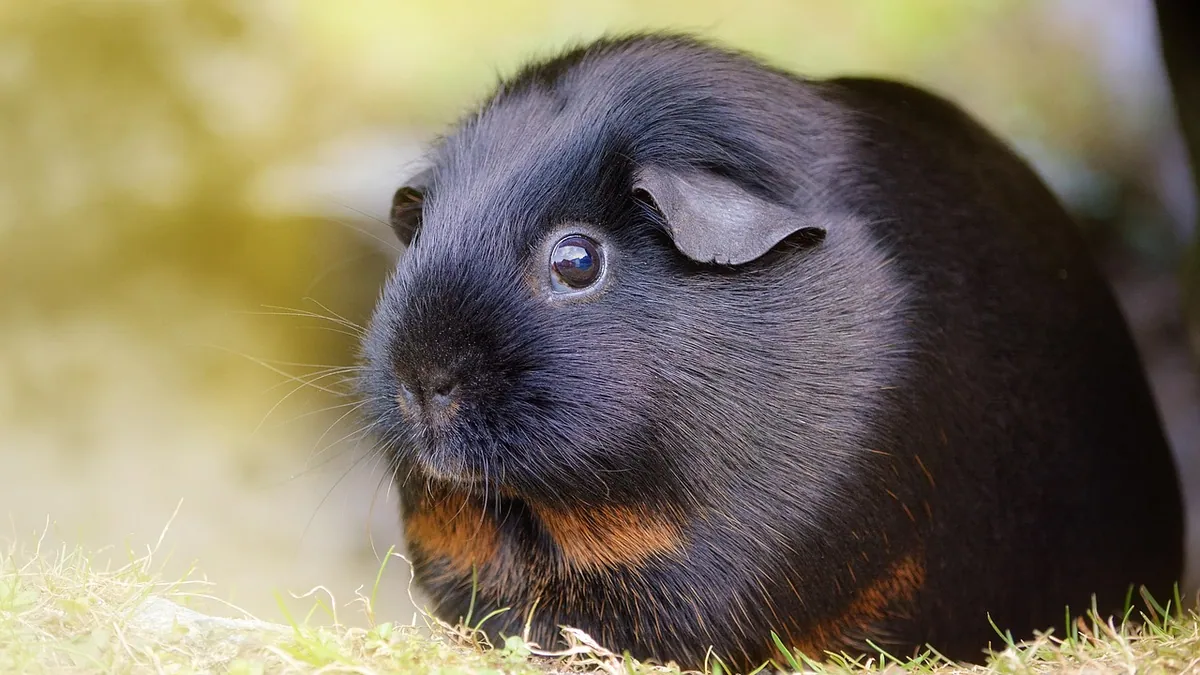
Yes, it is normal for guinea pigs to sleep with their eyes open. As prey animals, guinea pigs stay alert even while resting, and many keep their eyes open and doze out in the open. Seeing your guinea pig sleeping with eyes open is usually not a sign of illness.
This article is educational and is not a substitute for veterinary diagnosis or treatment.
Quick Answer
- Guinea pigs commonly sleep with their eyes open because they are prey animals that stay ready to flee.
- Sleeping out in the open is also normal, especially in a quiet, familiar room where your guinea pig feels safe.
- A guinea pig that is truly asleep will still twitch, breathe slowly, and wake quickly when you approach.
- Eyes that stay open and glassy all day, with no normal sleep cycles, can point to pain, dental problems, or respiratory trouble.
- Watch for the whole picture: eating, drinking, pooping, moving, and breathing matter more than open eyes alone.
Why Do Guinea Pigs Sleep With Their Eyes Open?
Guinea pigs are prey animals. In the wild, they are hunted by many predators, so they evolved to rest lightly and stay ready to run. Closing both eyes completely would leave them vulnerable, so many guinea pigs doze with their eyes open or half open.
This does not mean your guinea pig never sleeps deeply. Guinea pigs do have real sleep, including non-rapid eye movement (NREM) sleep, which researchers have measured in freely moving guinea pigs using brain and muscle recordings [1]. During NREM sleep, guinea pigs can still show rhythmic jaw and chewing-like muscle activity, which is a normal part of their sleep pattern [1][2].
So the short answer is yes, guinea pig open eyes sleep is a real and common thing. It looks strange to us because humans close their eyes, but for a small prey animal it makes sense.
Is It Normal for Guinea Pigs to Sleep in the Open?
Yes, it is normal for guinea pigs to sleep in the open, especially once they feel safe in their home. Guinea pigs that are new, scared, or living with a lot of noise may hide while they rest. Guinea pigs in a calm room with a familiar routine often flop down in the middle of the cage and nap in plain sight.
You may also see your guinea pig sleeping with one eye open, or with its eyes partly closed. Some guinea pigs sleep in a loaf position with their eyes open. Others stretch out on their side. Both can be normal.
The important thing is how your guinea pig acts when awake. A healthy guinea pig that sleeps in the open should still eat well, move around, and respond to you.
How to Tell Sleep From a Problem: Step-by-Step
Use these steps when you find your guinea pig sitting still with its eyes open.
- Watch from a distance first. Do not rush over. Look for breathing, small ear movements, or a twitching nose.
- Check the breathing pattern. Normal resting breathing is slow and steady. Labored breathing, open-mouth breathing, or a bobbing head is not normal.
- Offer a favorite food. A healthy guinea pig will usually wake and come to eat. A guinea pig that ignores food needs a closer look.
- Gently touch or speak. A sleeping guinea pig should wake within a few seconds. A guinea pig that stays limp or unresponsive needs urgent care.
- Check the eyes themselves. Look for discharge, cloudiness, redness, or a crusty edge. These are not normal sleep signs.
- Review the last 24 hours. Did your guinea pig eat, drink, poop, and move normally? A drop in any of these is a reason to call your veterinarian.
- Write down what you see. Note the time, how long the behavior lasted, and any other changes. This helps your veterinarian.
If your guinea pig wakes up, eats, and acts normal, you are almost certainly seeing normal prey-animal sleep. If not, keep reading the warning signs below.
Daily Checklist for a Guinea Pig That Sleeps With Eyes Open
| What to check | Normal | Call your veterinarian |
|---|---|---|
| Eyes | Open or half open during rest, clear and bright when awake | Discharge, cloudiness, redness, one eye held shut |
| Breathing | Slow, steady, quiet | Fast, noisy, whistling, open-mouth, or belly pumping |
| Appetite | Eats hay, pellets, and veggies daily | Skips food, drops food, chews on one side |
| Droppings | Regular, well-formed, steady output | Fewer, smaller, soft, or missing droppings |
| Activity | Wakes quickly, moves around, explores | Stays hunched, hides constantly, will not move |
| Weight | Stable week to week | Losing weight, even with normal eating |
| Sleep pattern | Naps on and off through the day and night | Never seems to sleep, or sleeps far more than usual |
Weigh your guinea pig weekly on a small kitchen scale. Weight loss is often the first sign that something is wrong, even before you notice behavior changes.
Signs That Something Is Wrong
Open eyes during sleep are normal. Open eyes with other changes are not.
Eye problems. Discharge, swelling, cloudiness, or a guinea pig that keeps one eye closed can mean an eye injury or infection. Guinea pigs have eyes on the sides of their head, so eye issues can be easy to miss at first.
Dental pain. Guinea pigs with overgrown or sharp teeth often stop eating normally and may sit with their eyes partly closed or squinting. Drooling, dropping food, and weight loss are common clues.
Respiratory disease. Labored breathing, a clicking or rattling sound, and a guinea pig that sits still with its eyes open and its fur puffed up are serious signs. Guinea pigs hide illness well, so breathing changes are a red flag.
Pain or stress. Stress and pain change sleep. In one study, guinea pigs exposed to acute footshock stress had significantly less total sleep and less NREM sleep in the two hours afterward, along with more rhythmic jaw muscle activity during sleep [3]. A guinea pig in pain may sleep less, sleep in odd positions, or grind its teeth.
Sleep deprivation effects. Guinea pigs used in research on sleep deprivation show measurable changes in the eye and retina, including increased nearsightedness (myopia) and retinal changes when sleep is severely restricted [4][5]. This research is done in a lab setting and does not mean your pet's occasional nap changes cause eye disease. It does show that sleep matters for guinea pig health.
If your guinea pig's sleep looks different for more than a day or two, or if any of the signs above appear, contact your veterinarian.
Common Mistakes Owners Make
Mistake 1: Assuming open eyes mean the guinea pig cannot sleep. Guinea pigs can and do sleep with their eyes open. This is normal prey behavior, not a defect.
Mistake 2: Waking a sleeping guinea pig constantly to check on it. Repeated waking causes stress. Watch quietly instead.
Mistake 3: Ignoring other symptoms because the eyes look fine. Open eyes are only one clue. Appetite, droppings, breathing, and weight tell you much more.
Mistake 4: Keeping the cage in a loud, busy spot. Guinea pigs sleep better in a quiet area away from barking dogs, TVs, and heavy foot traffic. A stressed guinea pig may sleep less overall, which matches what researchers saw after acute stress in guinea pigs [3].
Mistake 5: Skipping weekly weigh-ins. Weight is one of the best early warning tools you have. A guinea pig can look normal and still be losing weight.
Mistake 6: Assuming a guinea pig sleeping in the open is sick. Many healthy guinea pigs sleep in the open once they trust their home. It is often a good sign.
Setting Up a Space That Supports Good Sleep
A good setup helps your guinea pig rest well and helps you tell normal sleep from a problem.
Housing. Guinea pigs are social and do best with a companion. A pair needs a cage with plenty of floor space, at least 7.5 square feet for two guinea pigs as a common guideline. Add a hideout or two so each guinea pig can choose to hide or sleep in the open.
Bedding. Use soft, safe bedding and keep it dry. Damp bedding can lead to foot problems. If your guinea pig develops sore feet, see Guinea Pig Bumblefoot Care.
Light and noise. Guinea pigs are crepuscular, meaning they are most active at dawn and dusk, and they nap throughout the day and night. Keep the room quiet during rest periods and avoid sudden loud noises.
Temperature. Keep the room comfortable and out of drafts. Guinea pigs handle cool, dry air better than heat and humidity.
Routine. Feed at the same times each day. A predictable routine lowers stress and supports normal sleep.
Observation spot. Place the cage where you can see your guinea pig without hovering. This lets you learn its normal sleep habits so you can spot changes early.
For a full setup and care walkthrough, see the Complete Guinea Pig Care Guide. Learning your guinea pig's normal sounds and body language also helps you read stress and pain, which is covered in Guinea Pig Behavior: Understanding Sounds and Actions.
Do Guinea Pigs Sleep at Night?
Guinea pigs do not sleep in one long block like people do. They nap in short bursts around the clock, with more activity at dawn and dusk. That means you may find your guinea pig asleep with its eyes open at any hour.
Because their sleep is broken into short naps, it can be hard to tell when they are truly asleep. A guinea pig in a light doze may wake the moment you open the cage. A guinea pig in deeper NREM sleep may take a second longer and may show small jaw movements [1].
If your guinea pig seems to sleep far more than usual, or far less, that change matters more than the open eyes.
Limitations and When to Contact a Veterinarian
This article cannot tell you what is happening with your individual guinea pig. Only a veterinarian who examines your pet can do that.
Contact an emergency veterinary hospital now if your guinea pig:
- Breathes with its mouth open, or you see heavy belly breathing
- Collapses, has a seizure, or cannot stand
- Is limp and will not wake when you touch it
- Has sudden severe bleeding or a major injury
Contact your veterinarian the same day if your guinea pig:
- Stops eating or drinking
- Stops producing droppings, or droppings become very small or soft
- Has eye discharge, swelling, cloudiness, or holds one eye closed
- Shows labored or noisy breathing
- Sits hunched with puffed-up fur and will not move
- Has drooling, dropping of food, or trouble chewing
Schedule a routine visit if your guinea pig:
- Is losing weight week to week
- Sleeps much more or much less than usual for more than a few days
- Has a change in sleep position or stops sleeping in the open after previously doing so
- Has any new lump, sore, or skin change
If you are in the United States and you suspect your guinea pig ate something toxic, call the ASPCA Animal Poison Control Center at (888) 426-4435 or the Pet Poison Helpline at (855) 764-7661. These lines may charge a consultation fee.
Frequently Asked Questions
Is it normal for guinea pigs to sleep with their eyes open?
Yes, this is normal. Guinea pigs are prey animals, so they often rest with their eyes open or partly open to stay alert. As long as your guinea pig eats, moves, and wakes normally, open eyes during sleep are not a concern.
Should I worry if my guinea pig sleeps out in the open?
Usually no. Guinea pigs often sleep in the open once they feel safe in their home. It can actually be a sign of trust. Worry only if your guinea pig also stops eating, hides constantly, or seems weak.
How can I tell if my guinea pig is asleep or just sitting still?
Watch for slow, steady breathing and small movements like ear twitches or jaw motion. A sleeping guinea pig usually wakes within a few seconds when you speak or offer food. A guinea pig that stays still and does not respond needs veterinary attention.
Do guinea pigs close their eyes when they sleep deeply?
Some do, especially during deeper sleep. Others keep their eyes open or half open the whole time. Both patterns are normal, and the amount of eye closure is not a reliable sign of health on its own.
Can stress or pain change how my guinea pig sleeps?
Yes. Stress and pain can reduce sleep and change sleep patterns. Research in guinea pigs found that acute stress cut total sleep and NREM sleep in the hours afterward [3]. If your guinea pig's sleep habits change suddenly, look for other signs of illness and call your veterinarian.
Related Articles
- Guinea Pig Behavior: Understanding Sounds and Actions
- Guinea Pig Bumblefoot Care
- Complete Guinea Pig Care Guide
- Guinea Pig Dental Malocclusion: Imaging, Treatment, and Assisted Feeding
- How Long Do Guinea Pigs Sleep? Daily Sleep Needs
- Guinea Pig Lying on Its Side and Twitching
References
- Experimentally induced rhythmic jaw muscle activities during non-rapid eye movement sleep in freely moving guinea pigs. Journal of sleep research, 2019.
- Repetitive/rhythmic masticatory muscle activity under urethane anesthesia in guinea pigs: a descriptive pilot study. Journal of oral biosciences, 2025.
- After-effects of acute footshock stress on sleep states and rhythmic masticatory muscle activity during sleep in guinea pigs. Odontology, 2022.
- The effect of sleep deprivation on lens-induced-myopia in guinea pigs. Laboratory animal research, 2026.
- Sleep deprivation exacerbates lens-induced myopia in association with ERK/NF-κB pathway activation. Molecular medicine reports, 2026.