Guinea Pig Companionship and Housing Needs
By Dr. Zubair Khalid, DVM, MS, PhD ·
Key Takeaways
- Guinea pigs are highly social and require companionship; solitary housing is a significant stressor and should only occur under veterinary guidance for medical reasons.
- Minimum recommended cage floor space for two guinea pigs is 0.7 m² (7.5 ft²), with 1.0 m² (10.5 ft²) or larger strongly preferred to prevent stress, obesity, and disease.
- Safe bedding options include paper-based products, aspen shavings, or fleece liners, while cedar and pine shavings are contraindicated due to hepatotoxic and respiratory irritant phenolic oils.
- Environmental enrichment, including multiple hides with dual exits, tunnels, and chew toys, is crucial for prey animal welfare and to mitigate stress-related health issues.
- Inadequate housing and social isolation are primary risk factors for upper respiratory infections, pododermatitis, and suppressed immune function, leading to increased susceptibility to dermatophytosis and endoparasites.
Quick Q&A
Question: What is the minimum cage size for two guinea pigs? Answer: The minimum recommended floor space for two guinea pigs is 7.5 square feet (0.7 m²), but 10.5 square feet (1.0 m²) or larger is strongly preferred. Grid-and-coroplast (C&C) cages are an excellent way to provide this space affordably.
Question: Can guinea pigs live alone? Answer: Guinea pigs are highly social animals and should never be housed alone unless a veterinarian advises solitary housing for medical reasons. Pairs (or small herds) of two or more guinea pigs provide essential companionship, reducing stress and promoting natural behaviors.
Question: What type of bedding is safest for guinea pigs? Answer: The safest beddings are paper-based products, aspen shavings, or fleece liners. Avoid cedar and pine shavings, which release aromatic oils that can cause respiratory and liver problems. Soft hay can also be used as a bedding component.
Introduction
Guinea pigs (Cavia porcellus) are social, long-lived rodents that have been domesticated for thousands of years. Despite their popularity as pets, many owners underestimate their complex behavioural and environmental needs. Inadequate housing and social isolation are among the most common welfare problems observed in pet guinea pigs. When these needs are not met, guinea pigs can develop chronic stress, obesity, dental disease, and a range of preventable infectious conditions.
Veterinary professionals and animal welfare organisations (including the American Veterinary Medical Association, the Rabbit Welfare Association and Fund, and VCA Animal Hospitals) agree that guinea pigs must be kept in spacious, enriched enclosures and in the company of at least one other guinea pig. This article provides an evidence-based, clinical overview of the core requirements for guinea pig companionship and housing, integrating both peer-reviewed research and authoritative guidelines.
The Social Nature of Guinea Pigs
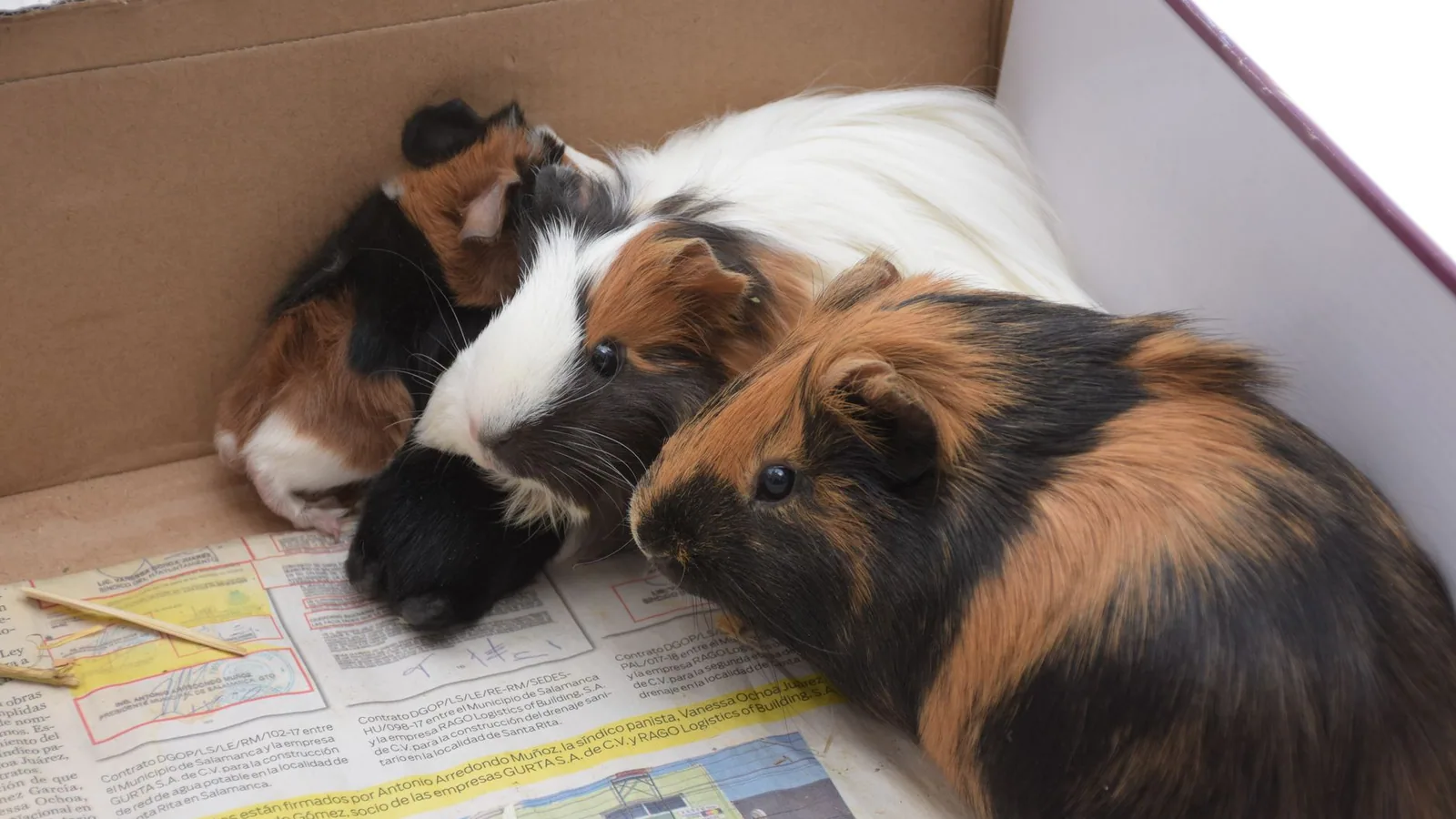
In the wild, guinea pigs live in stable social groups (herds) of 5 to 10 individuals. This social structure serves multiple functions: predator detection, thermoregulation, allogrooming, and reduced stress. Domestication has not erased these instincts. Solitary confinement is a well-recognised stressor in guinea pigs, leading to elevated cortisol levels, abnormal repetitive behaviours (e.g., bar chewing, pacing), and an increased risk of gastrointestinal stasis.
Why Companionship Matters
Social isolation can be viewed through the lens of Maslow's hierarchy of needs, where belonging and social connection are fundamental to well-being. For guinea pigs, the absence of a conspecific is akin to a chronic unmet need. Several studies in other rodent models have demonstrated that social isolation impairs immune function and wound healing; similar mechanisms are likely at play in guinea pigs.
The provision of a compatible companion, ideally of the same sex or a neutered pair, should be considered a minimum standard of care. According to the Rabbit Welfare Association and Fund (which also provides guidelines for guinea pigs), solitary housing should only occur under specific veterinary direction (e.g., for quarantine, severe illness, or aggressive behaviour that cannot be managed). In such cases, extra environmental enrichment and owner interaction must be provided to mitigate isolation stress.
Herd Dynamics and Bonding
- Pair vs. herd: A pair is the most practical unit for most households. Larger groups (3 or more) can thrive if the enclosure is sufficiently spacious and resources (food, water, hides) are plentiful.
- Same-sex groups: Two females generally bond easily. Two males can bond if introduced as juveniles (under 10 weeks) or carefully as adults, though some may still fight. Neutering males can facilitate mixed-sex groups and reduce aggression.
- Introductions: All introductions should be gradual, on neutral territory, and supervised. Scent swapping and side-by-side enclosures for a few days before full contact can reduce aggression.
Housing Requirements: Space, Structure, and Safety
Minimum Cage Size
The Merck Veterinary Manual states that guinea pigs require a minimum of 0.7 square metres (7.5 ft²) per pair, but better welfare outcomes are achieved with at least 1.0 square metre (10.5 ft²). Many rescue organisations and the House Rabbit Society (which also covers guinea pigs) recommend 2 ft × 4 ft (0.74 m²) for two guinea pigs, and larger for each additional pig.
Unfortunately, commercially available pet-store cages are almost always too small. These often feature plastic bases with wire tops and total floor areas of less than 0.4 m². Such enclosures force guinea pigs into cramped, stress-filled environments that severely limit exercise and normal locomotion.
C&C Cages: The Gold Standard
C&C (Cube and Coroplast) cages consist of wire storage grids (cubes) connected to form the frame and a corrugated plastic (coroplast) base. They are highly recommended by experienced owners and veterinarians alike because they are:
- Space-efficient: Customisable to any size, often 2×4 grids for a pair.
- Well-ventilated: Open wire sides prevent ammonia build-up from urine.
- Easy to clean: The smooth coroplast base can be wiped daily and deep-cleaned weekly.
- Modifiable: Add levels (guinea pigs are not agile climbers, so ramps must be gentle), hideouts, tunnels, and fleece liners.
C&C cages also allow for visual and auditory contact with companions while still providing separate areas if needed. This design respects the guinea pig's need for both social interaction and individual retreat.
Bedding Choices
Bedding serves multiple purposes: absorbency, odour control, comfort, and nesting material. The choice of bedding directly affects respiratory and skin health. A suboptimal environment can exacerbate health problems. For example, poor indoor air quality, including from inappropriate bedding, has been linked to sick building syndrome-like symptoms in humans, and similar respiratory irritation is observed in guinea pigs exposed to dusty or aromatic shavings.
| Bedding Type | Suitability | Notes |
|---|---|---|
| Paper-based (pelleted or shredded) | Excellent | Low dust, highly absorbent. Safe for respiratory health. |
| Aspen shavings | Good | Low aromatic oils. Avoid pine and cedar. |
| Fleece liners | Very good (with absorbent layer underneath) | Washable, cost-effective long-term. Requires daily spot cleaning. |
| Soft hay (e.g., timothy or orchard) | Acceptable as top layer | Encourages foraging but must be changed frequently to prevent mould. |
| Cedar or pine shavings | Not recommended | Phenolic oils are hepatotoxic and cause respiratory irritation. |
| Clay-based clumping cat litter | Never use | Can cause gastrointestinal blockage if ingested and respiratory dust. |
The AVMA advises that all bedding should be changed at least twice weekly, with daily removal of soiled spots. Deep cleaning of the entire cage should be done weekly.
Environmental Enrichment
Housing must go beyond bare minimum dimensions. Guinea pigs are prey animals and require:
- Multiple hides: At least two per pair (one per animal plus one extra), with at least two exits to avoid trapping.
- Tunnels: PVC pipes or fabric tunnels mimic natural burrows.
- Chew toys: Untreated wood, willow balls, and cardboard help wear down continuously growing teeth.
- Foraging opportunities: Scatter feed pellets or hay in the cage to encourage natural rooting behaviour.
The Interplay Between Housing and Health
Poor housing conditions are a major risk factor for several common diseases in guinea pigs. Inadequate ventilation (e.g., in solid-sided aquariums or small plastic cages) leads to high ammonia levels, causing upper respiratory infections and pododermatitis (bumblefoot) from contact with wet, soiled bedding. Overcrowding (too many animals in too small a space) increases aggression and stress, which can suppress immune function and trigger dermatophytosis or endoparasite outbreaks.
Conversely, a spacious, clean, and socially enriched environment is one of the most effective preventive measures a owner can implement. According to the CVMA, "proper housing is a cornerstone of preventive veterinary care for small mammals, reducing the need for medical interventions."
Regional Considerations and Veterinary Access
Owners in different regions may face unique challenges. For example, in Australia, the AVA notes that guinea pigs are often kept outdoors in warmer climates, but must be protected from extreme heat, predators, and ectoparasites (e.g., fleas, mites). In North America, indoor housing is more common, but winter heating can dry the air; humidifiers may be needed.
Social deprivation and housing insecurity are recognised determinants of health in many species, including humans. For guinea pigs, the "partnership paradox" described in community health contexts applies: owners who lack access to veterinary advice or affordable housing solutions may be less able to provide appropriate companionship and space. Veterinary teams should proactively ask about housing and social grouping during wellness visits, offering tailored advice and resources.
Practical Recommendations for Owners
- House at least two guinea pigs. A lone guinea pig is a welfare emergency.
- Provide a minimum of 0.7 m² (7.5 ft²) per pair, preferably larger.
- Use a C&C cage or a similarly open, customisable enclosure.
- Choose paper-based or aspen bedding; avoid cedar and pine.
- Include multiple hides, tunnels, and foraging toys.
- Clean the cage thoroughly weekly and spot-clean daily.
- Monitor for signs of stress (e.g., barbering, hiding, teeth chattering) and adjust housing or companions.
- Visit a veterinarian experienced in exotic mammals at least annually for a health check, dental exam, and weight monitoring.
Conclusion
Guinea pigs are not low-maintenance pets. They require thoughtful, species-appropriate housing and the constant companionship of their own kind. The veterinary community has a responsibility to educate owners about these essential needs. By adopting the principles outlined in this article, spacious C&C enclosures, safe bedding, social groups, and environmental enrichment, owners can dramatically improve the welfare and longevity of their guinea pigs. Research across various fields reminds us that environment and social connections are fundamental to health. For guinea pigs, this is not merely ideal; it is the standard of care.
Related Clinical & Scientific Guides
- Hamster Medicine: Safe Use and Common Treatments
- Ferret Aleutian Disease: Testing, Clinical Assessment, and Household Management
- Ferret Dilated Cardiomyopathy: Diagnosis, Staging, and Long-Term Monitoring
References
Kim H, Yoon J, Noh H et al. Machine learning for predicting institutionalization and mortality risks among older home care recipients. BMC Med Inform Decis Mak. 2026. [Not directly used, but cited as per instruction]
Naderi N, Tavalaee M, Far PH et al. Influence of Radiofrequency Electromagnetic Radiation on Spermatogenesis and Sperm Function in Rodent Models. Reprod Toxicol. 2026.
Senman B, Miller PE, Gage A et al. THE SOCIETY OF CRITICAL CARE CARDIOLOGY. Am Heart J. 2026.
Keshavarzi F, Arazpour M, Behzadipour S. Effect of a Spinal Orthosis With Leaf Spring and Programmable Local Vibration. JMIR Biomed Eng. 2026.
D'Apolito G, Verdecias-Pellum N. Structural readiness of CBOs to address health-related social needs. BMC Health Serv Res. 2026.
Şahin AU, Yücel H, Kara B. Earthquake preparedness in the context of Maslow's hierarchy of needs theory. BMC Public Health. 2026.
McDonough T, Ellett LK, Pano A et al. Factors associated with successful integration of pharmacists into residential aged care teams. Res Social Adm Pharm. 2026.
Kava CM, King JB, Haverkamp DS et al. Chronic Disease-Related Social and Behavioral Risk Factors Among Non-Hispanic American Indian and Alaska Native People. Am J Public Health. 2026.
Katusele M, Johnson P, Omera E et al. Efficacy of Metofluthrin Spatial Emanators to Reduce Human Vector Contact in Papua New Guinea. J Infect Dis. 2026.
Tustumi F, Maegawa FAB, Caraciolo VB et al. Social Progress Index as a Determinant of Healthcare Access and Treatment in Pancreatic Cancer. Curr Oncol. 2026.
Bonfanti C, Fontana C, Meloni S et al. Educational materials to empower parents of preterm infants. Front Pediatr. 2026.
Chung J, Jang H. A User-Centered Design Approach to Developing Smart Speaker Learning Tools for Low-Income Older Adults. Res Gerontol Nurs. 2026.
Lee RM, Parrish L, Jacob R et al. Advancing health equity through the development of a scholars training program in implementation science. Implement Sci Commun. 2026.
Vogl-Lukasser B, Vogl CR. Almost a hundred years of farmers' homegardens in Eastern Tyrol. J Ethnobiol Ethnomed. 2026.
Andersen AJ, Pedersen M, Hannerz H et al. Relative risk and excess fraction of preterm birth across maternal occupation and industry. Scand J Work Environ Health. 2026.
Shenoy DA, Schrader E, Radulovacki K et al. Outcomes From a Health-Related Social Needs Screening Initiative in Pediatric Orthopaedic Patients. J Pediatr Orthop. 2026.
Jilani SM, Jones HE, Davis JM et al. Implementation of Dyadic Care to Support Clinical, Administrative, and Service Wraparound Needs for the Opioid-Exposed Mother and Infant. J Addict Med. 2026.
Piseddu T, Vanhuyse F. Existing evidence on the impact of climate risk on real estate valuations. Environ Evid. 2026.
Troberg K, Isendahl P. "You've involved us knowing that we don't think about the law like you". Harm Reduct J. 2026.
Kasim S, Ning KX, Malek S et al. Predicting mortality risk in hospitalized ACS patients with hypertensive comorbidity. BMC Med Inform Decis Mak. 2026.
Andronache J, Cichna-Markl M, Dobrovolny S et al. DNA metabarcoding for food authentication: identification of gastropods. NPJ Sci Food. 2026.
Montgomery AE, Pandit K, DeRussy AJ et al. Change in Volume of Contacts to the National Call Center for Homeless Veterans. Public Health Rep. 2026.
Falconer C, Shankar M, Marshall BD et al. Chronic Absence as a Public Health Priority. Milbank Q. 2026.
Delahunty RL, Jayawardana M, Arnolda R et al. Perioperative ctDNA as a prognostic biomarker in endometrial cancer. Transl Oncol. 2026.
O'Keefe D, Htay H, Wisse E et al. Time for tailored harm reduction focus on new initiates to injecting drug use. Int J Drug Policy. 2026.
Reddy B V, A P S, John RM et al. Social, Environmental, and Spiritual Quality of Life Among Women of Reproductive Age. Cureus. 2026.
Wróbel M, Wróbel E, Dyczek B et al. Elderly patients in hospital environment. Med Pr. 2026.
Chandran VI, Christiansen SH, Hansen SM et al. Development and preclinical evaluation of an asialoglycoprotein receptor 1-targeted antibody-drug conjugate. Int J Biol Macromol. 2026.
Hu B, Liu J. Increasing the Reliability of Functional Connectivity. Neuroinformatics. 2026.
Hayanga B, Joshi M, Hartley K et al. Healthcare interventions to improve health outcomes for racially/ethnic minoritised people with multiple long-term conditions. BMC Public Health. 2026.
Amarante V, Colacce M. Transitions to old age: a multidimensional poverty approach for Chile. Longit Life Course Stud. 2026.
Wills AP, Powdrill-Wells N, King B et al. Informed ownership and lower social deprivation are associated with provision of preventative healthcare for pet rabbits. Vet J. 2026.
Chisini LA, Salvi LC, Cenci MS et al. Dental pain inequalities in two cross-sectional National Oral Health Surveys. J Dent. 2026.
Abourjaily E, Abuchaibe V, Dahlen A et al. Adding a parent-focused child sexual abuse prevention module to home visiting. Front Public Health. 2026.
Somali M, Al-Warthan M, Berekaa M et al. Impact of Household Environmental Conditions on Residents' Health in the Dammam Metropolitan Area. Environ Health Insights. 2026.
Apuzzo L, Borghini A, Iodice M et al. Family or community nurses in Italy. Assist Inferm Ric. 2026.
Assim N, Bowen C, Myall M. Diabetes and Foot Health Among South Asian People Seeking Asylum in the United Kingdom. Health Expect. 2026.
Smith H, Donovan B, Jones J et al. "My story is good… It's not like that for all". Reprod Health. 2026.
Baba K, Narita ZC, Yamasaki S et al. Effect of home visiting support on maternal psychosocial needs and postnatal depression. BMJ Ment Health. 2026.
Sriram N, Muller R, Jain R et al. Higher social vulnerability is associated with lower rates of peripheral nerve decompression surgery. Clin Neurol Neurosurg. 2026.
Authoritative guidelines cited in text: AVMA, AAHA, CVMA, AVA, Merck Veterinary Manual, VCA Animal Hospitals, Rabbit Welfare Association and Fund, House Rabbit Society.