Do Guinea Pigs Hibernate? Torpor and Cold Safety
By Dr. Zubair Khalid, DVM, MS, PhD ·
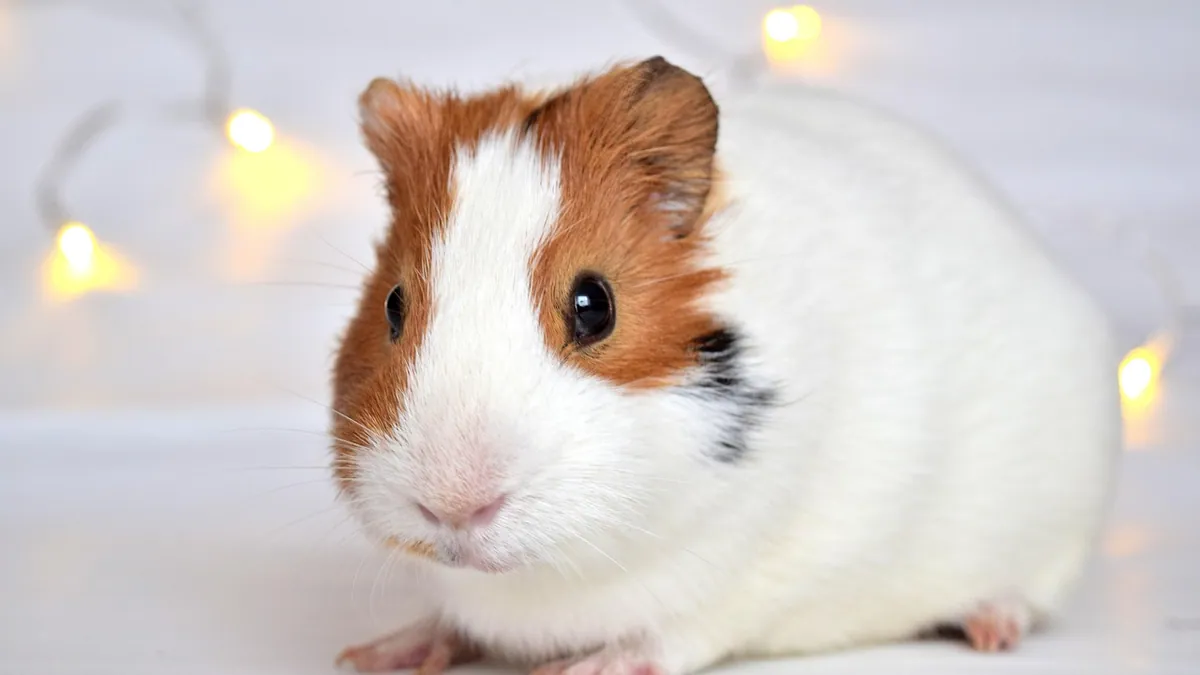
Do guinea pigs hibernate? No. Guinea pigs do not hibernate, and they cannot safely enter the deep, seasonal torpor that true hibernators use to survive winter. A guinea pig that becomes cold and sluggish is not hibernating, it is in a medical emergency called cold-induced torpor, and it needs to warm up right away.
This article is educational and is not a substitute for veterinary diagnosis or treatment.
Quick Answer
- Guinea pigs are native to the Andes region of South America and have no hibernation cycle [1].
- Cold exposure can drop a guinea pig's body temperature and slow its heart, breathing, and movement, which owners often mistake for hibernation.
- True hibernators, such as ground squirrels, show deep brain and body changes during torpor that guinea pigs do not have [2].
- A cold, limp, or unresponsive guinea pig needs gradual warming and a same-day veterinary call, not a wait-and-see approach.
- Keep your guinea pig's room between roughly 65°F and 75°F, away from drafts, windows, and cold floors.
Do Guinea Pigs Hibernate? The Short Answer
No. Guinea pigs are hystricomorph rodents domesticated in the Andes, a region with cool highland temperatures, but domestication did not give them a hibernation season [1]. They stay active year round. Their bodies are built to burn food for heat, not to shut down for months.
True hibernation is a deep, controlled state. In 13-lined ground squirrels, hibernation involves measurable rewiring of brain circuits during torpor, including shorter and less complex dendrites in the visual cortex [2]. That is a whole-body program. Guinea pigs do not run that program.
What guinea pigs can do is become hypothermic. When a guinea pig is chilled, its cardiovascular system struggles. In a piglet model of induced hypothermia, cooling from a normal range down toward 31°C (about 88°F) reduced heart rate, blood pressure, and cardiac output, and myocardial contractility fell as cooling continued [3]. Guinea pigs show similar cardiovascular vulnerability to cold stress [4][5]. A chilled guinea pig is not resting, it is failing to hold its body temperature.
How Long Do Guinea Pigs Hibernate?
They do not hibernate at all, so there is no hibernation duration to measure. If your guinea pig is cold and unresponsive, the clock that matters is minutes, not months. Warming should start immediately, and a veterinarian should be contacted the same day.
Do Hamsters or Guinea Pigs Hibernate?
Hamsters are the rodents most often linked to torpor, and guinea pigs are not. If you keep both species, do not assume the same rules apply. A hamster that goes cold and still may be in torpor, while a guinea pig in the same state is in trouble. For a side-by-side comparison of torpor and hypothermia in hamsters, see Hamster Care: Hibernation torpor vs hypothermia differential guide.
How Do Guinea Pigs Hibernate?
They do not. There is no safe way to let a guinea pig "hibernate." Any advice to cool your guinea pig down or let it sleep through winter is wrong and dangerous. Cold stress in guinea pigs is linked to changes in blood vessels and heart function, including altered aortic vascular function after prolonged cold exposure [5]. Cold is a stressor for this species, not a survival strategy.
Cold Safety: Step-by-Step for Guinea Pig Owners
Step 1: Know Your Target Temperature
Aim for a stable room temperature between about 65°F and 75°F. Guinea pigs have hairless pinnae (ear flaps) and bare patches behind the ears and on the inner forearms, so they lose heat from those areas [1]. Keep the cage off the floor, away from exterior walls, and out of direct window drafts.
Step 2: Check the Cage Location
Move the cage away from doors, air conditioning vents, and single-pane windows. Cold floors pull heat from the belly. A raised cage or a thick layer of bedding helps.
Step 3: Provide Warm Bedding and Hiding Spots
Use paper-based bedding, fleece liners, or soft hay. Add a hide box stuffed with hay so your guinea pig can burrow. Guinea pigs have sebaceous glands along the back and around the anus used for marking, so bedding changes matter for skin health too [1].
Step 4: Watch the Thermometer, Not the Calendar
Cold snaps, power outages, and winter nights are the highest-risk times. Check the room thermometer at least twice a day during cold weather. If the room drops below 65°F, act before your guinea pig shows signs.
Step 5: Warm a Chilled Guinea Pig Gradually
If your guinea pig feels cold, move it to a warm room. Use a wrapped heat source (a microwave heat pad inside a towel, or a hot water bottle wrapped in cloth) next to, not under, the guinea pig. Never use a direct heat lamp or a bare heating pad. Warm slowly over 20 to 30 minutes and call your veterinarian.
Step 6: Offer Food and Water
A cold guinea pig stops eating. Offer fresh hay, pellets, and water at room temperature. Do not give iced water. In a cold stress model, guinea pigs given iced water and kept at 4°C developed vascular changes over 120 days [5]. Cold water works against warming.
Cold Safety Checklist and Comparison Table
| Item | Safe Range or Action | Danger Zone |
|---|---|---|
| Room temperature | 65°F to 75°F | Below 65°F |
| Drafts | None | Windows, doors, AC vents |
| Bedding | Deep paper or fleece plus hay | Bare cage floor |
| Heat source | Wrapped pad beside the pet | Direct heat lamp or bare pad |
| Water | Room temperature | Iced or very cold |
| Check frequency | Twice daily in cold weather | Once a week or less |
Daily Cold-Weather Checklist
- Read the room thermometer in the morning and evening.
- Feel your guinea pig's ears and feet. They should feel warm, not cool.
- Confirm your guinea pig is eating hay and pellets.
- Check that water is not cold and is not frozen.
- Look for huddling, puffing up, or sitting in a corner.
Signs That Something Is Wrong
Cold-induced torpor in guinea pigs looks like a shutdown. Watch for these signs:
- Body feels cool to the touch, especially ears and feet
- Puffed-up coat and hunched posture
- Refusing food and water
- Slow or shallow breathing
- Weakness, wobbling, or inability to stand
- Unresponsive to touch or sound
- Pale or bluish gums and lips
Any of these signs means your guinea pig is not hibernating. It is hypothermic and needs warming plus veterinary care. For a broader look at health problems that can look like cold-related collapse, see Guinea Pig Health: Common Conditions and Prevention.
Why Cold Is So Hard on Guinea Pigs
Guinea pigs are small, stocky rodents with short limbs and no tail [1]. Small body size means fast heat loss. Their cardiovascular system does not handle cold well. In guinea pigs with atherosclerosis, prolonged cold stress altered aortic vascular function [5]. In preterm-born guinea pigs, cold exposure produced a significant rise in systolic blood pressure compared with term-born animals [4]. These are not hibernation adaptations, they are signs of stress on the heart and vessels.
Common Mistakes Owners Make
Mistake 1: Assuming the Guinea Pig Is Hibernating
This is the most dangerous mistake. Owners wait because they think the guinea pig will wake up on its own. It will not. Cold-induced torpor is a downward spiral.
Mistake 2: Using Direct Heat
A heat lamp or bare heating pad can burn skin and cause overheating. Warm gradually with a wrapped, indirect heat source.
Mistake 3: Giving Cold Water or Cold Food
Cold water adds to the heat loss problem. Offer room-temperature water and food [5].
Mistake 4: Keeping the Cage in a Garage or Shed
Unheated outbuildings swing with the weather. Guinea pigs belong indoors in a temperature-controlled room.
Mistake 5: Skipping the Vet Because the Guinea Pig "Looks Better"
A guinea pig that warms up may still have organ stress, dehydration, or underlying illness. Pain assessment in guinea pigs is already limited, and many analgesic doses are extrapolated from other species because validated guinea pig values are scarce [6]. Do not rely on appearance alone.
Supplies and Setup That Matter for Health
- Digital room thermometer: Place it at cage level, not on a wall across the room.
- Wrapped heat source: A microwave heat pad or hot water bottle inside a towel.
- Deep bedding: Paper bedding, fleece liners, and a thick layer of hay.
- Hide box: A wooden or plastic hide stuffed with hay for burrowing.
- Cage cover for drafts: A breathable cloth over one side of the cage, never sealing the top.
- Emergency carrier: A small carrier with a towel for transport to the vet.
For a full setup walkthrough, see Complete Guinea Pig Care Guide. If your guinea pig has other health concerns, Guinea Pig Care: Pyramiding & Shell Health Management covers related care topics.
Limitations and When to Contact a Veterinarian
This article cannot diagnose your guinea pig. Individual cases need a veterinarian who can examine your pet, check its temperature, and decide on treatment.
Contact a veterinarian the same day if your guinea pig:
- Feels cold to the touch
- Is puffed up, hunched, or hiding more than usual
- Has stopped eating or drinking
- Is moving slowly or wobbling
Go to an emergency clinic now if your guinea pig:
- Is unresponsive or limp
- Has pale or bluish gums
- Is breathing very slowly or with effort
- Cannot stand
Schedule a routine visit if your guinea pig:
- Has repeated cold-related episodes
- Lives in a room that is hard to keep warm
- Has other ongoing health problems
Do not wait to see if your guinea pig "wakes up." Cold-induced torpor in guinea pigs is a medical emergency, and warming at home is only the first step.
Frequently Asked Questions
Do guinea pigs hibernate in the wild?
No. Wild guinea pigs, the ancestors of your pet, live in the Andes and stay active year round. They do not have a hibernation season, and they rely on food and shelter to survive cold nights.
Can a guinea pig survive cold-induced torpor without treatment?
Some guinea pigs recover with prompt, gradual warming, but many do not without veterinary care. Cold stress affects the heart and blood vessels, and a chilled guinea pig can develop low blood pressure, slow heart rate, and reduced cardiac output [3]. Treat any cold, sluggish guinea pig as an emergency.
What temperature is too cold for a guinea pig?
Below about 65°F is too cold for most guinea pigs, especially small, young, senior, or ill pets. Keep the room between 65°F and 75°F and check it twice daily in cold weather.
Is torpor the same as hibernation?
No. Torpor is a short-term drop in body temperature and metabolism, while hibernation is a long, seasonal state. True hibernators like ground squirrels show deep brain changes during torpor [2]. Guinea pigs do not hibernate, and any torpor they enter is a sign of dangerous chilling.
Should I use a heat lamp for my guinea pig in winter?
No. Use a wrapped, indirect heat source beside the cage, not a direct heat lamp. Direct heat can burn skin and cause overheating. If the room cannot stay warm, move the cage to a warmer part of the home.
Related Articles
- Guinea Pig Care: Pyramiding & Shell Health Management
- Guinea Pig Health: Common Conditions and Prevention
- Complete Guinea Pig Care Guide
- Guinea Pig Pododermatitis: Wound Management, Pain Control, and Enclosure Correction
- Do Guinea Pigs Get Cold or Overheat Easily?
- Can Guinea Pigs Overheat? Heat Stroke Signs and Care
References
- Anatomy, Physiology, and Behavior of Guinea Pigs - Exotic and Laboratory Animals. Merck Veterinary Manual.
- Pronounced Neuroplasticity in the Primary Visual Cortex of the 13-Lined Ground Squirrel during Hibernation. The Journal of neuroscience : the official journal of the Society for Neuroscience, 2026.
- Key hemodynamic parameters during induced hypothermia cooling phase in healthy and injured piglets. Respiratory physiology & neurobiology, 2026.
- Cardiovascular responses to heat and cold exposure are altered by preterm birth in guinea pigs. Physiological reports, 2024.
- Effects of Prolonged Cold Stress on Vascular Function in Guinea Pigs With Atherosclerosis. Journal of cardiovascular pharmacology, 2025.
- Pain management in pet guinea pigs (Cavia porcellus): a review of limitations of current knowledge and practice. Veterinary anaesthesia and analgesia, 2025.