Why Is My Guinea Pig Always Laying Down?
By Dr. Zubair Khalid, DVM, MS, PhD ·
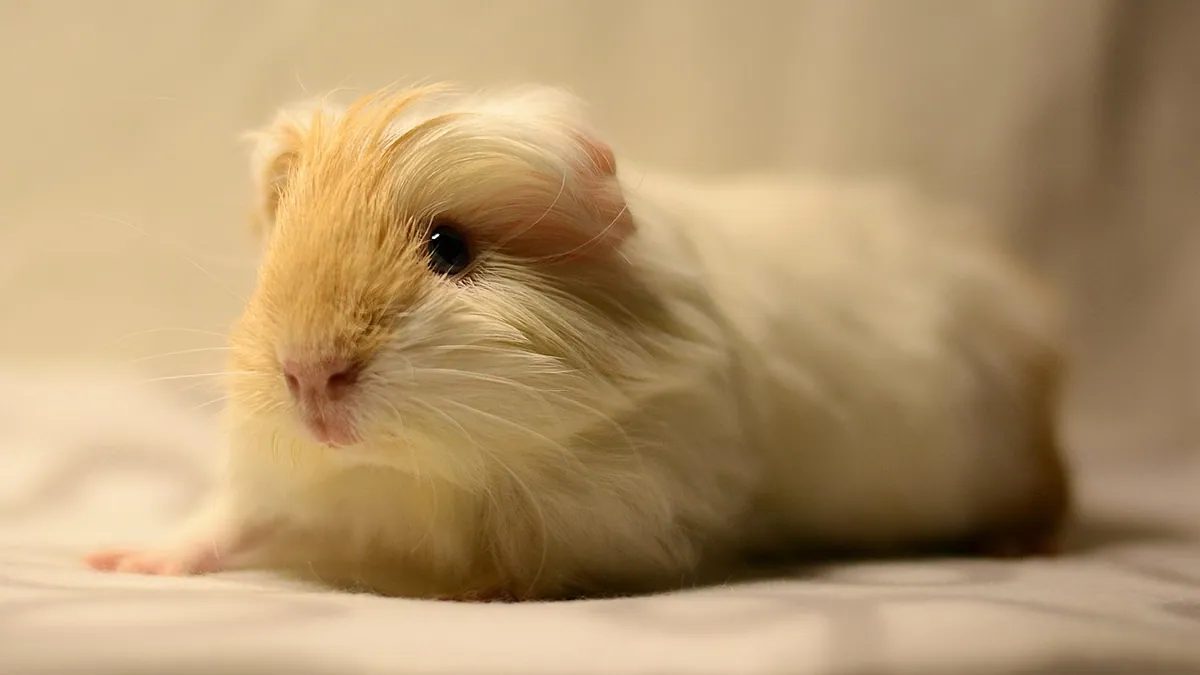
Why is my guinea pig always laying down? In most cases, a guinea pig that lies down often is simply resting, because guinea pigs sleep and relax in short bursts throughout the day and night. The problem is when lying down comes with weakness, poor appetite, labored breathing, or a guinea pig that will not get up even for food. This article is educational and is not a substitute for veterinary diagnosis or treatment.
Quick Answer
- A healthy guinea pig rests often, so lying down alone is not a warning sign. Watch for changes in eating, breathing, movement, and alertness instead.
- Lethargy means your guinea pig is quiet, slow to respond, and unwilling to move even when tempted with food or a favorite treat.
- Pain, dental disease, heat stress, and reproductive problems in females are common reasons a guinea pig lies down more than usual [1][2][3].
- Stop handling a guinea pig that seems painful or weak, keep it warm and quiet, and offer food and water close by.
- Call an exotic or small animal veterinarian the same day if your guinea pig is not eating, is breathing hard, or has not passed droppings.
Is It Normal for Guinea Pigs to Lay Down?
Yes. Guinea pigs are prey animals, and they rest in short cycles around the clock. A relaxed guinea pig may lie flat on its belly, stretch out on its side, or tuck its feet under its body. Some flop over suddenly, which can look alarming but is normal comfort behavior.
Normal rest has a few features. Your guinea pig gets up on its own, moves to the food bowl, and reacts when you open the refrigerator or rustle a bag of hay. Its breathing is quiet and steady. Its eyes are bright, and it shifts position now and then.
Lethargy looks different. A lethargic guinea pig stays down when you approach. It may be slow to blink or lift its head. It may ignore vegetables it normally loves. The body may look hunched, and the coat may look puffed or dull. These are the changes that matter more than the act of lying down itself.
Guinea pigs housed alone tend to develop problems related to aging, dental disease, reproductive issues, injuries, or poor care, while infectious diseases are more common in guinea pigs kept in groups [1]. That means your guinea pig's living situation can shape what you should watch for.
Why Is My Guinea Pig Always Laying Down? Main Causes
Several different problems can make a guinea pig lie down more than usual. The table below gives a quick comparison, and the sections after it explain each one.
| Cause | Typical clues | How urgent |
|---|---|---|
| Normal rest | Gets up for food, bright eyes, steady breathing | Not urgent |
| Pain | Hunched posture, grinding teeth, flinching when touched, reluctance to move [3] | Same day |
| Dental disease | Drooling, weight loss, mouth bleeding, trouble chewing, nasal or eye discharge [1] | Same day to urgent |
| Illness or infection | Poor appetite, watery or crusty eyes, sneezing, diarrhea, weight loss [1] | Same day |
| Heat stress | Lying stretched out, panting, warm environment, no interest in moving | Emergency if severe |
| Reproductive disease in females | Lethargy, weight gain, swollen belly, hair loss on the flanks, crusty nipples [2] | Same day to urgent |
| Boredom or a small enclosure | Lying down often but eating well and active when given space or toys | Routine visit if unsure |
Pain
Guinea pigs are good at hiding pain, so lying down more can be one of the few visible clues. Pain in guinea pigs is often linked to dental problems, bloat, and surgical procedures, and veterinarians have limited tools for scoring guinea pig pain compared with other species [3]. A painful guinea pig may sit hunched, grind its teeth, or resist being picked up. It may also stop eating as much, which quickly becomes dangerous for this species.
If your guinea pig seems painful, do not wait several days to see if it improves. Pain that lasts can worsen quickly in small pets. A veterinarian can assess the source and choose an appropriate treatment. Do not give human pain relievers at home, because many are toxic to guinea pigs and the correct drug and dose must come from your veterinarian.
Dental Disease
Dental problems are common in guinea pigs because their teeth grow continuously [1]. When the upper and lower teeth do not line up, a condition called malocclusion, the teeth can overgrow and develop sharp edges. Chewing becomes painful, so your guinea pig may eat less, lose weight, and spend more time lying down.
Watch for drooling, which owners often call slobbers, along with weight loss, mouth bleeding, tooth root infections, and discharge from the nose or eyes [1]. Causes include genetics, not enough hay to chew, and vitamin C deficiency [1]. A guinea pig with dental pain needs a veterinarian who can examine the mouth and, if needed, file or trim the teeth.
Illness and Infection
Many illnesses cause general lethargy. Eye infections, called conjunctivitis, cause watering, crusting, and redness and are often linked to the same bacteria that cause respiratory infections [1]. A guinea pig with a respiratory infection may breathe harder, sit with its head extended, and stop eating.
If your guinea pig is on antibiotics or other medication, follow your veterinarian's instructions closely and watch for reactions such as decreased appetite or diarrhea [1]. Those signs mean you should call the clinic right away.
Reproductive Disease in Female Guinea Pigs
Cystic ovarian disease is the most common reproductive tract disorder in female guinea pigs, and other uterine problems can occur at the same time [2]. Signs are often vague. They include decreased appetite, lethargy, hunched posture, weight gain, a mass you can feel in the middle of the belly, and a belly that slowly gets bigger [2].
Hair loss on the flanks and lower belly, crusting or darkening of the nipples, and an enlarged clitoris can also appear [2]. Diagnosis is usually made with abdominal ultrasound, and surgery to remove the ovaries or the uterus and ovaries is the recommended treatment [2]. If your female guinea pig is lying down more and her belly looks rounder, have her examined.
Heat Stress
Guinea pigs do not handle heat well. A guinea pig that is too warm may lie stretched out flat, breathe fast, and refuse to move. Move your guinea pig to a cool, shaded area right away and offer cool water. If it is panting, limp, or unresponsive, treat this as an emergency and call a veterinarian immediately.
Boredom and Housing
A guinea pig in a small cage with nothing to do may lie around more simply because there is nothing else to do. Guinea pigs are social animals and need company, space to move, hiding spots, and things to chew. If your guinea pig lies down often but jumps up eagerly when you bring hay or a treat, boredom or a cramped setup may be part of the picture. A routine checkup is a reasonable next step if you are unsure whether the behavior is normal for your pet.
Red Flags That Mean Emergency
Some signs mean you should stop watching and start calling. Get emergency veterinary care if your guinea pig:
- Breathes with its mouth open, makes clicking or rasping sounds, or its sides heave with each breath
- Cannot stand or collapses when you set it down
- Has a belly that is suddenly swollen, hard, or painful to touch
- Has not eaten or passed droppings for many hours
- Has a body temperature problem, such as feeling very cold and limp
- Is having seizures, twitching, or rolling over and cannot right itself
Twitching combined with lying down deserves special attention. It can point to severe weakness, pain, or a neurologic problem. Do not wait to see if it passes.
Safe Things You Can Do at Home While You Wait
You cannot diagnose your guinea pig at home, but you can keep it comfortable and gather useful information for your veterinarian.
- Keep the room quiet and warm. Limit handling to what is needed for care.
- Offer fresh hay, water, and a small piece of a favorite vegetable. Note whether your guinea pig eats at all.
- Check the droppings. Count how many you see and note any change in size, shape, or softness.
- Weigh your guinea pig if you have a small kitchen scale. Weight loss is a common sign of dental disease and other problems [1].
- Look at the eyes and nose for crusting, redness, or discharge [1].
- Check the belly for swelling, and check the flanks and nipples in females for hair loss or crusting [2].
- Write down when the signs started and what you have observed. This helps your veterinarian a great deal.
Do not force food or water into your guinea pig's mouth, and do not give any medication unless your veterinarian prescribed it. If your guinea pig is not eating, that is a reason to call the clinic, not a reason to wait.
If you also care for other animals, some of the same principles apply when a pet slows down. You can read more about changes in appetite and activity in Why Is My Dog Losing Weight? and about pain-related reluctance to move in Why Is My Dog crying when lying down? Arthritis Disc Disease and Pain Guide.
What Your Veterinarian Will Check and Test
Guinea pigs should have a veterinary exam at least once a year for a routine checkup, and they do not need vaccinations [4]. When you bring your guinea pig in for lethargy, the visit usually starts with a full physical exam.
Your veterinarian will listen to the heart and lungs, feel the belly, check the teeth, and look at the eyes, nose, ears, and skin. They will weigh your guinea pig and compare that weight with previous visits. They may ask about diet, especially how much hay your guinea pig eats, since not enough chewing can contribute to dental disease [1].
Depending on what they find, they may recommend blood work, imaging such as X-rays or ultrasound, or other tests. Ultrasound is commonly used to confirm reproductive disease in female guinea pigs [2]. If your guinea pig needs surgery, your veterinarian will discuss the risks, because guinea pigs can have complications under anesthesia.
Pain control is part of treatment when pain is suspected. Doses of pain medication for guinea pigs are often based on information from other species or on clinical experience, because validated dosing for guinea pigs is limited [3]. That is one more reason to let your veterinarian choose the drug and the amount. The dose is calculated from your pet's weight and health, not from a number you find online.
Preventing and Monitoring Problems at Home
Good routine care prevents many of the problems that cause lethargy. Offer unlimited fresh hay, a balanced diet with a source of vitamin C, and clean water. Keep the cage clean and give your guinea pig room to move, hide, and chew.
Check your guinea pig's body once a week. Look at the eyes, nose, mouth, feet, and belly. Weigh it on the same scale at the same time of day and write the number down. A slow downward trend shows up on a chart long before it shows up in your guinea pig's behavior.
Keep the environment cool in warm weather. Guinea pigs rarely need baths unless they are soiled, and when you do bathe one, use a shampoo made for small animals, place a towel in shallow water so it has traction, keep water out of the ears and eyes, and rinse and dry thoroughly [4]. Long-haired breeds need regular brushing to prevent matting [4].
Nails need trimming too. Use clippers designed for small animals or people, start when guinea pigs are young so they get used to it, and avoid cutting the quick, the blood vessel inside the nail. Hold a bright light to the nail to see the quick in dark nails, and cut about 1/8 inch (0.3 cm) beyond the quick. If bleeding occurs, use styptic powder or a styptic pencil to stop it [4].
If you keep other pets, similar monitoring habits help you catch problems early. Why Have My Chickens Stopped Laying Eggs? covers a comparable drop in normal activity in another species.
Limitations and When to Contact a Veterinarian
No article can tell you what is wrong with your individual guinea pig. Only a veterinarian who examines your pet can do that. Use the guidance below to decide how quickly to act.
Call an emergency clinic now if your guinea pig is struggling to breathe, cannot stand, has a suddenly swollen or painful belly, is twitching or seizing, or feels cold and limp.
Call your veterinarian the same day if your guinea pig has stopped eating, has not passed droppings, is drooling, has lost weight, has discharge from the eyes or nose, or is a female with a growing belly or hair loss on the flanks [1][2].
Schedule a routine visit if your guinea pig is eating and active but you have noticed it lying down more than usual, or if it has not had a checkup in the past year [4].
Frequently Asked Questions
Is it normal for guinea pigs to lay down a lot?
Yes, guinea pigs rest in short cycles throughout the day and night, so lying down is normal on its own. The behavior becomes a concern when your guinea pig stops getting up for food, seems weak, or breathes differently. Judge the whole picture, not just the position.
My guinea pig keeps laying down and is not eating. What should I do?
Call a veterinarian who treats guinea pigs today. A guinea pig that stops eating can decline quickly, and dental disease, pain, and infection are common reasons for both signs. Do not wait several days to see if it improves on its own.
Why is my guinea pig lying down and twitching?
Twitching with lying down can mean severe weakness, pain, or a neurologic problem, and it needs urgent veterinary attention. Do not try to treat it at home. Keep your guinea pig quiet and warm, and call an emergency clinic.
Can heat make my guinea pig lie down more?
Yes, guinea pigs handle heat poorly, and a warm guinea pig may lie stretched out and breathe fast. Move it to a cool area and offer cool water. If it is panting, limp, or unresponsive, treat it as an emergency.
How can I tell if my guinea pig is in pain?
Watch for a hunched posture, teeth grinding, flinching when touched, and reluctance to move, since pain assessment in guinea pigs relies heavily on these kinds of observations [3]. A painful guinea pig often eats less as well. If you suspect pain, have your veterinarian evaluate your pet instead of giving any medication on your own.
Related Articles
- Why Is My Guinea Pig Laying on Its Side?
- Guinea Pig Lying on Its Side and Twitching
- Why Is My Guinea Pig Losing Weight?
References
- Common Health Problems of Guinea Pigs - All Other Pets. Merck Veterinary Manual.
- Updates on Cystic Ovarian Disease in Guinea Pigs. The veterinary clinics of North America. Exotic animal practice, 2025.
- Pain management in pet guinea pigs (Cavia porcellus): a review of limitations of current knowledge and practice. Veterinary anaesthesia and analgesia, 2025.
- Routine Care of Guinea Pigs - All Other Pets. Merck Veterinary Manual.