How Long Do Guinea Pigs Grieve? Signs and Support
By Dr. Zubair Khalid, DVM, MS, PhD ·
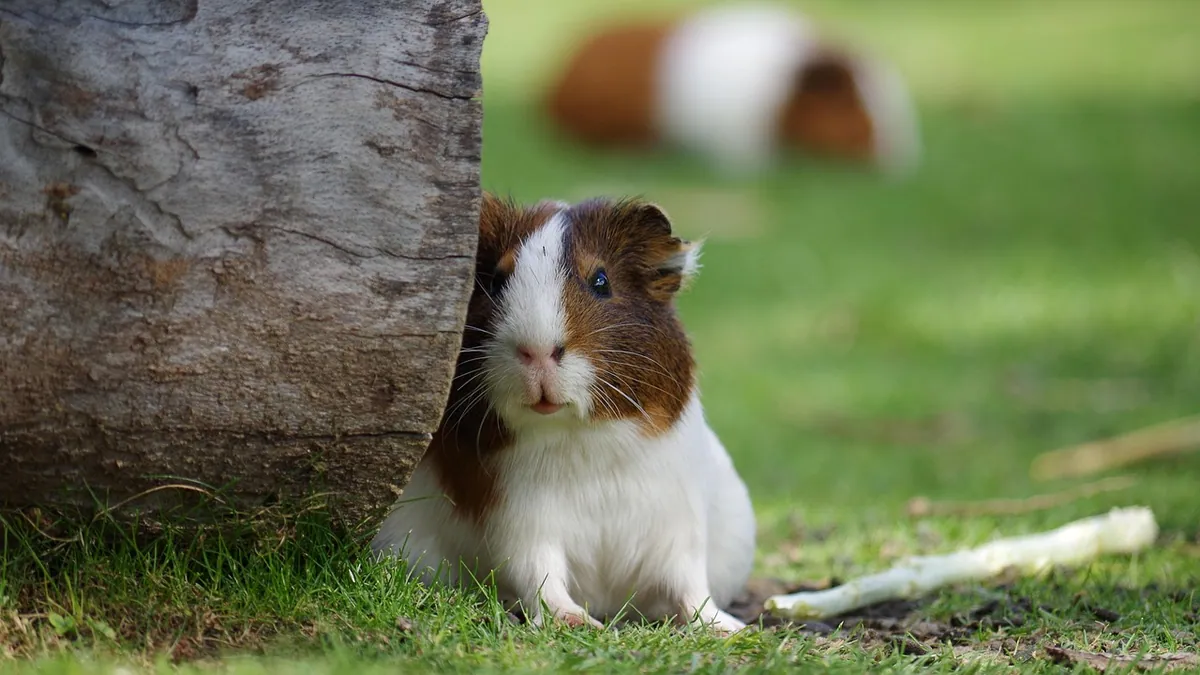
Most guinea pigs show noticeable grief-related behavior changes for about 1 to 4 weeks after losing a companion, with gradual improvement over the next 1 to 3 months. Some bounce back in days, and some take longer. How long do guinea pigs grieve for depends on the pair's bond, the guinea pig's age, and how much of the daily routine changed.
This article is educational and is not a substitute for veterinary diagnosis or treatment.
Quick Answer
- Expect the strongest signs (calling, searching, hiding, eating less) in the first 1 to 4 weeks, with slow improvement after that.
- A guinea pig that stops eating or drinking for more than 12 to 24 hours needs a veterinarian the same day. Guinea pigs cannot fast safely.
- Weigh your guinea pig every 2 to 3 days during the first month. Weight loss is the most reliable early warning sign.
- Keep the daily routine as close to normal as possible. Feed at the same times, keep the same cage setup, and spend extra floor time with your pet.
- Wait until your guinea pig is eating, active, and back to normal weight before adding a new companion. For most owners, that means about 2 to 4 weeks, but there is no fixed deadline.
Why Guinea Pigs React to Losing a Companion
Guinea pigs are herd animals. In the wild and in healthy home setups, they live in small social groups and rely on each other for safety. A guinea pig that lives alone is more likely to be stressed, and that stress shows up in behavior and in the body.
The attachment system in guinea pigs is strong and measurable. In infant guinea pigs, separation from the mother triggers distress vocalization (a high-pitched calling sound), and the rate of that calling stays high for the first 4 weeks of separation before slowly declining to near zero by week 12 [1]. That study looked at infants separated from their mothers, so it does not map perfectly onto an adult guinea pig that loses a cage mate. Still, it shows something important: guinea pigs have a hardwired distress response to losing a social partner, and that response fades over weeks, not hours.
When the mother was present, distress calling was extremely low. When she was absent, calling was moderate if the young guinea pig stayed in its home box and high if it was placed in an unfamiliar box [1]. The lesson for owners is simple. Familiar surroundings and familiar routines reduce distress. Big changes on top of a loss make it worse.
What Grief Looks Like in Guinea Pigs
Common signs include:
- Repeated wheeking or calling, especially at times when the companion used to be active
- Searching the cage, pacing, or staring at the spot where the companion slept
- Hiding more, or sitting still in a corner
- Eating and drinking less
- Sleeping more, or sleeping in a different spot
- Less popcorning, less running, less interest in toys
- Clinging to you more during handling, or resisting handling more
Owners report similar patterns in other species. In a survey of dog and cat owners, the most common behavioral changes after a companion animal died were in affectionate behaviors (74% of dogs and 78% of cats) and territorial behaviors (60% of dogs and 63% of cats). Both species were reported to demand more attention and to spend time seeking out the deceased animal's favorite spot [2]. Guinea pigs are not dogs or cats, but the pattern of seeking, clinging, and routine disruption is familiar to anyone who has watched a bereaved guinea pig.
How Long Do Rabbits Grieve for?
Many guinea pig owners also keep rabbits, and the question comes up often. Rabbits are also social animals, and bonded rabbits can show real changes after a partner dies, including reduced appetite, hiding, and restlessness. There is no fixed timeline, but most bonded rabbits improve over 2 to 6 weeks with stable routines and extra attention. If a rabbit stops eating, that is an emergency, because rabbits can develop serious gut problems within hours of not eating.
Medical Causes to Rule Out First
Before you assume grief, rule out illness. A sick guinea pig and a grieving guinea pig can look almost identical. Guinea pigs hide illness well, and they go downhill fast.
Signs that point to a medical problem instead of (or along with) grief:
- Not eating or drinking at all for 12 to 24 hours
- Drooling, dropping food, or chewing on one side (possible dental disease)
- Bloated or hard belly, no droppings, or very small droppings
- Labored breathing, clicking sounds, or discharge from the nose or eyes
- Limping, reluctance to move, or crying when picked up
- Crusty eyes, hair loss, or scratching
- Weight loss of more than 10% of body weight
Guinea pigs are also prone to specific problems that owners should know about, including overgrown nails, abscesses, and respiratory signs such as coughing and sneezing [3]. In one survey of pet guinea pig owners, ectoparasites were the most common health problem reported at 21.1%, followed by coughing or sneezing at 19.7%, abscesses at 12.7%, and overgrown nails at 11.6% [3]. Any of these can cause the same quiet, withdrawn behavior you might blame on grief.
Pain is another hidden cause. Guinea pigs are good at masking pain, and pain assessment tools are less developed for guinea pigs than for dogs and cats. Grimace scales and in-clinic pain scoring systems used in other species have not been developed for guinea pigs, and many analgesic doses are extrapolated from other species because validated guinea pig values are limited [4]. That means your veterinarian needs your observations. If your guinea pig seems off, say so clearly and ask about pain as a possible cause.
If your guinea pig has any of the red flags above, see a veterinarian before you focus on grief. A full exam and basic testing can sort this out. Reference ranges for guinea pig bloodwork differ from those for other small mammals, which is one reason a veterinarian who knows guinea pigs matters here. You can read more about that in Reference Intervals for Ferrets, Rabbits, and Guinea Pigs.
When Grief Becomes a Problem
Grief is normal. It becomes a problem when it affects basic survival needs or lasts too long.
Call your veterinarian if any of these apply:
- Your guinea pig has not eaten in 12 to 24 hours
- Weight is dropping steadily over several days
- Droppings are absent, tiny, or misshapen
- Your guinea pig is not drinking
- Breathing looks fast or labored
- Your guinea pig is crying, grinding teeth, or hunched
- Behavior has not improved at all after 4 weeks
- Behavior is getting worse instead of better
Guinea pigs cannot safely go without food. Their digestive system needs constant input, and a guinea pig that stops eating can develop serious problems within a day. Do not wait to see if it improves on its own.
What to Do: A Step-by-Step Plan
Step 1: Get a Veterinary Check First
Book an exam within the first few days if your guinea pig is showing any signs of illness. If your guinea pig is not eating, go the same day. Once your veterinarian confirms there is no medical cause, you can focus on support at home.
Step 2: Keep the Routine Boring and Predictable
Guinea pigs do better with sameness. Feed at the same times. Keep the cage in the same spot. Keep the same hide boxes and bedding. Do not rearrange the cage right after a loss. Familiar surroundings reduce distress vocalization in guinea pigs, while unfamiliar surroundings increase it [1].
Step 3: Weigh Every 2 to 3 Days
Use a small kitchen scale and track the numbers. A stable or rising weight is a good sign. A steady drop means you need to call your veterinarian. Weight is more reliable than how your guinea pig looks, because guinea pigs can look normal while losing grams.
Step 4: Offer Food That Tempts
Keep unlimited grass hay available at all times. Most pet guinea pigs in one survey had free access to hay (93.3%), and most were fed complete pelleted food (80.6%) [3]. During grief, offer small amounts of favorite vegetables and fresh herbs to encourage eating. If your guinea pig is not eating at all, ask your veterinarian about syringe feeding before you try it on your own.
Step 5: Increase Social Time With You
Spend more time near the cage. Talk to your guinea pig. Sit on the floor during out-of-cage time. Gentle, predictable handling helps. Do not force interaction if your guinea pig is hiding, but stay nearby so your pet can come to you.
Step 6: Add Enrichment Slowly
After the first week or two, add one new item at a time. A paper bag to explore, a new tunnel, or a pile of fresh hay to dig through. One change at a time lets you see what helps and what stresses your guinea pig.
Step 7: Consider a New Companion at the Right Time
Guinea pigs are social, and most do best with a companion. The right time is when your guinea pig is eating normally, active, and back to a stable weight. For many owners, that is about 2 to 4 weeks after the loss, but some guinea pigs need longer.
If you plan to add a companion, plan for a proper introduction. Same-sex pairs or a neutered male with a female are the usual options. Quarantine a new guinea pig for 2 to 3 weeks before introductions, and have a veterinarian check the new guinea pig first. Bonding should happen on neutral ground with plenty of space and hiding spots.
Step 8: Watch for Hormonal Confusing Factors
If your guinea pig is female, normal hormonal cycles can change behavior too. In socially housed female guinea pigs, aggressive behavior increased on the day of estrus, and cortisol (a stress hormone) was higher around estrus compared with diestrus [5]. If your guinea pig seems irritable or restless on a repeating pattern, hormones may be part of the picture. This does not mean grief is not real. It means behavior has more than one driver.
What Not to Do
Do not punish your guinea pig for hiding, calling, or being clingy. These are stress behaviors, not misbehavior. Punishment adds stress and can make things worse.
Do not assume a new companion will fix everything right away. A rushed introduction can lead to fighting and injuries. Bonding takes planning.
Do not skip meals or withhold food to "reset" appetite. Guinea pigs need constant food intake.
Do not rely on vitamin C supplements to fix a poor appetite. In one survey, almost 60% of owners fed fresh vegetables daily, which may explain why 63.7% never used vitamin C supplements [3]. Fresh vegetables and quality pellets cover most needs, but a sick guinea pig needs veterinary care, not just supplements.
Do not assume that because your guinea pig is quiet, it is fine. Quiet can mean pain, illness, or grief. Weigh your pet and watch droppings.
Do not compare your guinea pig's timeline to a dog's or a rabbit's. Species differ, and individual guinea pigs differ too.
When to Involve a Veterinarian or Behavior Professional
Call your veterinarian the same day if your guinea pig stops eating, stops drinking, stops producing droppings, breathes with effort, or cries when touched. These are urgent.
Call within 24 to 48 hours if you see weight loss, drooling, a bloated belly, or a sudden change in behavior that does not match the grief pattern you expected.
Schedule a routine visit if behavior has not improved after 4 weeks, if your guinea pig is losing weight slowly, or if you are unsure whether the problem is grief or illness.
Ask your veterinarian for a referral to a veterinarian who focuses on behavior if your guinea pig shows persistent fear, aggression toward you or a new companion, or self-injury such as over-grooming. Not every clinic has this service, so ask directly.
For general guinea pig health topics, including signs of common illnesses, see Guinea Pig Health: Recognizing and Responding to Common Illnesses. If you are thinking about the long term, How Long Do Guinea Pigs Live? Lifespan and Care covers what to expect at each life stage.
Limitations and When to Contact a Veterinarian
There is no blood test for grief. Diagnosis is made by ruling out medical causes and watching behavior over time. That means the first step is always a veterinary exam when something seems wrong.
Contact a veterinarian the same day if your guinea pig:
- Has not eaten or drunk in 12 to 24 hours
- Has no droppings, or very few droppings
- Has a hard, bloated belly
- Breathes fast, noisily, or with effort
- Cries out or grinds teeth
- Cannot stand or walk normally
- Has a body temperature that feels very cold or very hot
Go to an emergency clinic now if your guinea pig is limp, unresponsive, gasping, or having seizures.
Schedule a routine visit within a few days if your guinea pig:
- Is eating less but still eating
- Is losing weight slowly
- Is hiding much more than usual
- Has not improved after 4 weeks
Every guinea pig is an individual, and this article cannot cover every case. Your veterinarian needs to examine your pet to give you specific advice.
Frequently Asked Questions
Do guinea pigs grieve when a companion dies?
Yes, many guinea pigs show clear behavioral changes after losing a companion. These include calling, searching, hiding, eating less, and sleeping more. The strongest signs usually appear in the first few weeks and then slowly improve.
Should I get a new guinea pig right away?
No, wait until your guinea pig is eating normally, active, and back to a stable weight. That usually takes a few weeks. A rushed introduction can cause fighting and stress for both animals.
Can a guinea pig die from grief?
Grief itself does not directly cause death, but the problems that come with it can. A guinea pig that stops eating can develop serious digestive and metabolic problems within a day or two. That is why weight checks and a veterinary visit matter so much.
Is my guinea pig grieving or sick?
You cannot tell for sure without a veterinary exam. Both grief and illness cause hiding, quiet behavior, and reduced appetite. If your guinea pig is not eating, losing weight, or breathing oddly, treat it as a medical problem until your veterinarian says otherwise.
How do I know my guinea pig is ready for a new companion?
Your guinea pig is ready when it is eating normally, maintaining weight, moving around, and interacting with you again. Some guinea pigs are ready in 2 weeks, and some need 6 weeks or more. There is no harm in waiting a little longer.
Related Articles
- How Long Do Guinea Pigs Live? Lifespan and Care
- Guinea Pig Health: Recognizing and Responding to Common Illnesses
- Reference Intervals for Ferrets, Rabbits, and Guinea Pigs
- Guinea Pig Companionship and Housing Needs
- Do Guinea Pigs Grieve When a Companion Dies?
- Do Guinea Pigs Mourn Each Other? Grief Signs
- Do Guinea Pigs Get Depressed Alone?
References
- Attachment and separation distress in the infant guinea pig. Developmental psychobiology, 1979.
- Owners' Perceptions of Their Animal's Behavioural Response to the Loss of an Animal Companion. Animals : an open access journal from MDPI, 2016.
- Nutrition, health and welfare of Norwegian pet guinea pigs. Acta veterinaria Hungarica, 2025.
- Pain management in pet guinea pigs (Cavia porcellus): a review of limitations of current knowledge and practice. Veterinary anaesthesia and analgesia, 2025.
- Behavioral and physiological changes during the estrous cycle of socially housed female guinea pigs. Behavioural processes, 2026.