Gerbil vs Guinea Pig: Which Small Pet Is Right for You?
By Dr. Zubair Khalid, DVM, MS, PhD ·
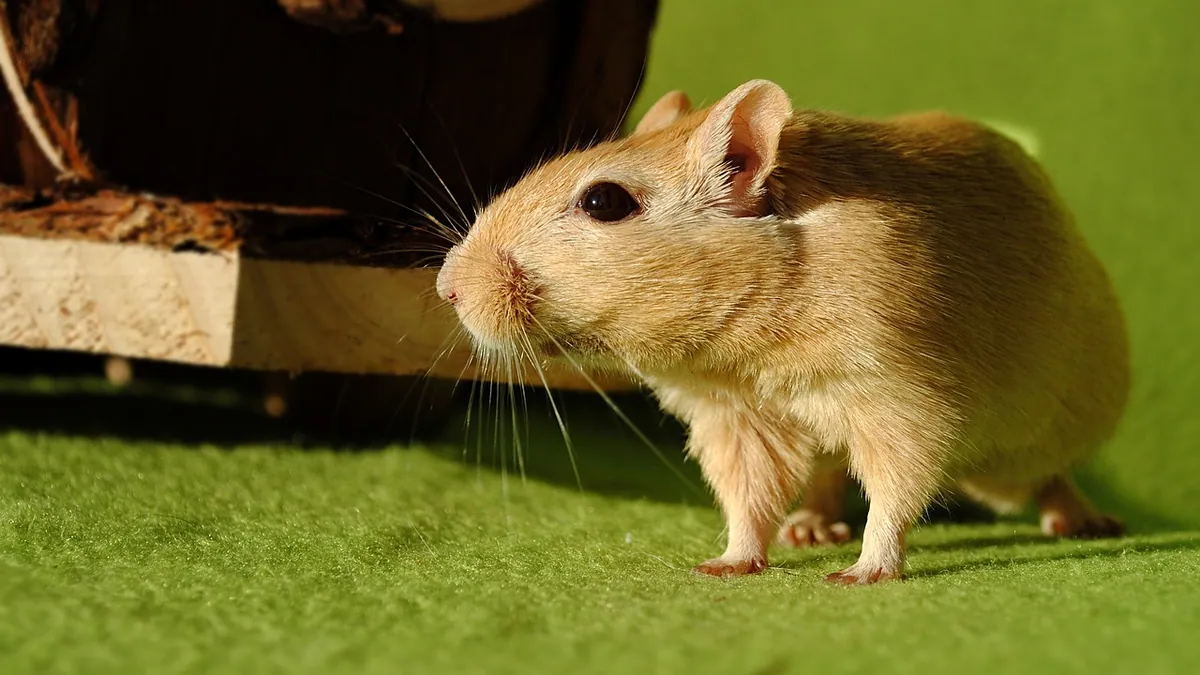
Gerbils and guinea pigs are both small, quiet pets, but they fit very different homes. Gerbils are tiny, social, low-cost animals that live in pairs and stay most active in the evening, while guinea pigs are larger, longer-lived, and need more room, more hay, and more daily attention. If you are still weighing a hamster vs guinea pig, a gerbil or guinea pig, or even a pet rat or guinea pig, the sections below will help you match the animal to your space, schedule, and budget.
This article is educational and is not a substitute for veterinary diagnosis or treatment.
Quick Answer
- Choose a gerbil if you want a small, inexpensive pet that lives in a same-sex pair, needs a tank or cage with deep bedding for burrowing, and is best for school-age children and adults.
- Choose a guinea pig if you can provide a large enclosure, unlimited grass hay, daily fresh vegetables, and room for a same-sex pair, and you want a pet that sits calmly in your lap.
- Skip both for a toddler. Gerbils cannot withstand rough handling and are not recommended as pets for very young children [1].
- Plan on a gerbil living roughly 3 to 4 years and a guinea pig living 5 to 7 years, so a guinea pig is a longer commitment.
- Budget for a veterinarian who treats exotic pets before you buy. Both species hide illness well and need a checkup when something seems off.
Gerbil vs Guinea Pig: The Head-to-Head Comparison
| Feature | Gerbil | Guinea Pig | Hamster |
|---|---|---|---|
| Typical adult size | About 3 to 4 ounces | About 2 pounds | About 1 to 3 ounces |
| Social needs | Keep in same-sex pairs or small groups | Keep in same-sex pairs | Usually housed alone |
| Activity pattern | Active day and night in bursts, busiest at dusk | Active in short bursts day and night | Strictly nocturnal |
| Minimum enclosure | 20-gallon tank or equivalent with a secure lid | At least 7.5 square feet of floor space | 20-gallon tank or equivalent |
| Bedding depth | 6 inches or more for tunneling | 2 to 3 inches of paper bedding | 4 to 6 inches |
| Handling style | Scoop with both hands, never by the tail | Support the whole body, including the rear | Cup in both hands, avoid waking suddenly |
| Lifespan | About 3 to 4 years | About 5 to 7 years | About 2 to 3 years |
| Main diet | Commercial gerbil pellets plus small amounts of seeds and vegetables | Unlimited grass hay, pellets, and vitamin C vegetables | Commercial hamster pellets plus limited treats |
| Rough monthly cost | Lowest of the three | Highest of the three | Middle |
| Best for | Patient kids 8 and up, adults | Calm kids 10 and up, adults | Older kids, teens, adults |
The table numbers are typical ranges from general small-mammal practice. Your individual pet may fall outside them.
How to Choose Step by Step
Step 1: Decide how much space you truly have
Measure the spot before you shop. A gerbil needs a tank or cage with a tight-fitting lid and enough depth for tunneling. Gerbils dig constantly, and when they cannot dig, they develop repetitive digging and bar-chewing behaviors that signal stress [2][3]. An artificial burrow or a deep layer of bedding gives them an outlet [2].
A guinea pig needs far more floor space than most people expect. A single guinea pig needs a cage at least 7.5 square feet, and a pair needs more. If space is tight, a gerbil is the easier fit. If you have a corner of a family room and don't mind a larger setup, a guinea pig works well. For more on guinea pig housing, see Guinea Pig Companionship and Housing Needs.
Step 2: Match the pet to your household
Gerbils are social and do best in same-sex pairs or small groups. They are also delicate. Never lift a gerbil by its tail, because the tail is easily injured [1]. Scoop it up under the belly with both hands, hold it close to the ground, and keep it over the cage or your lap so a wriggle does not turn into a fall [1]. Because of their small size, gerbils are not recommended as pets for very young children [1].
Guinea pigs are sturdier and often tolerate gentle lap time, but they still startle. A guinea pig may be nervous at first and should calm down with gentle stroking [4]. If you have a child under 8, read Choosing a Small Pet for Children before you commit.
Step 3: Pick a healthy animal
For a gerbil, look for smooth glossy fur, clear eyes, and no limping or hair loss on the body or tail. There should be no eye or nose discharge and no diarrhea in the cage. Healthy gerbils are lively and curious, so walk away from any gerbil with matted fur, a hunched posture, or dullness [5].
For a guinea pig, choose one that looks healthy, well-fed, and alert [4]. Ask where it came from, whether it has been vet-checked, and what it has been eating [4]. Female guinea pigs can become pregnant as early as 2 months old, so be careful about buying a young female housed with males [4]. If you can, have a veterinarian check a new guinea pig before you take it home or soon after [4].
Step 4: Set up the cage before the pet comes home
Have the enclosure, bedding, food, water bottle, hide, and a safe carrier ready on day one. A stressed animal moved into a bare cage is more likely to get sick.
Step 5: Find a veterinarian early
Call clinics near you and ask whether they see gerbils or guinea pigs. Small patients can be hard to examine, but radiology, ultrasonography, and molecular tests still help veterinarians work up sick gerbils and other small rodents [6]. Having a clinic on file saves time when something goes wrong.
Daily and Weekly Care Schedule
Every day
- Fresh water from a bottle, checked for leaks and clogs.
- Gerbil: a measured portion of pellets, plus a small amount of seeds or vegetables.
- Guinea pig: unlimited grass hay, a measured portion of pellets, and a serving of vitamin C rich vegetables.
- Spot-clean soiled bedding and remove spoiled food.
- Spend a few minutes observing breathing, appetite, droppings, and activity.
Every week
- Full bedding change and cage wipe-down.
- Wash food bowls and water bottles.
- Check teeth, nails, eyes, ears, and the rear end.
- Weigh your pet on a small kitchen scale and write the number down. Weight loss is one of the earliest signs of illness in small rodents.
Every month
- Review your supply stock and replace chewed toys or hides.
- Check that the cage lid, latches, and water bottle holder are still secure.
Gerbil vs Guinea Pig: Which Fits Your Family?
This is the question most families actually need answered, so here is the short version.
Pick a gerbil if you want a pair of small, busy pets in a tank on a dresser or counter, you can commit to gentle handling, and you want the lowest food and bedding bill of the three species. Gerbils are a good fit for a calm 8-year-old with adult supervision.
Pick a guinea pig if you have floor space for a large enclosure, you can buy hay in bulk, and you want a pet that will sit with you. Guinea pigs are a better choice for a family that wants a lap pet and can handle a longer lifespan.
Pick a hamster if you want a single pet that is awake after the kids go to bed. Hamsters are solitary and nocturnal, which suits some households better than a pair of gerbils. If you are comparing a pet rat or guinea pig, remember that rats are also highly social and need company, while guinea pigs need a same-sex companion too.
Signs That Something Is Wrong
Small pets hide illness until they are quite sick. Call your veterinarian if you see any of these.
Gerbil
- Matted fur, a hunched posture, or unusual dullness [5]
- Diarrhea or soiled bedding around the rear
- Discharge from the eyes or nose [5]
- Hair loss or a damaged tail [5]
- Limping or reluctance to move
- Dropping weight or eating less
Guinea pig
- Not eating hay, which often means dental or digestive trouble
- Drooling or dropping food while chewing
- Labored breathing or noisy breathing
- Crusty eyes, nose, or ears
- Bald patches or intense scratching
- Swollen or crusty feet
- Blood in the urine or straining to urinate
- A head tilt or trouble balancing
Both species
- Sitting puffed up in a corner
- Cold to the touch
- No droppings for 12 hours
- Sudden collapse or seizures
Common Mistakes Owners Make
Lifting a gerbil by the tail. This is the single most common handling error. The tail is delicate and easily injured [1]. Always scoop from below.
Buying one gerbil. Gerbils are social animals and do poorly alone. Keep same-sex pairs or small groups.
Skipping the burrow. Gerbils that cannot dig develop repetitive digging and bar-chewing [2][3]. Deep bedding or an artificial burrow prevents this.
Feeding guinea pigs only pellets. Guinea pigs need unlimited grass hay for their teeth and gut, plus a daily source of vitamin C because they cannot make it themselves. Diet-related disease is one of the most common reasons pocket pets end up at the vet [7].
Using a wire-bar cage top as a feeder for gerbils. In one study, gerbils fed from the cage floor or from a hopper feeder grew heavier than those fed through the wire-bar top [8]. Use a bowl or a proper hopper.
Buying a guinea pig without a vet check. Ask about a pre-purchase exam, and confirm whether the seller will take the animal back if your vet finds it sick or pregnant [4].
Assuming a small pet is a cheap pet. The purchase price is the smallest cost. Bedding, hay, cage upgrades, and veterinary care add up over the years.
Supplies and Setup That Matter for Health
Enclosure. A glass tank with a secure screen lid works well for gerbils and holds in bedding. Guinea pigs do better in a large open-top cage or a custom cage with solid flooring, since wire floors injure their feet.
Bedding. Paper-based bedding is safest for both species. Avoid pine and cedar shavings, which irritate the respiratory tract. Give gerbils at least 6 inches of depth so they can tunnel.
Hide and burrow. Gerbils need a place to dig and hide. A curved tube or an artificial burrow reduces stress behaviors [2][3]. Guinea pigs need a hide box large enough for both animals in a pair.
Food and water. Use a heavy ceramic bowl for pellets and a bottle for water. Gerbils can be fed from a bowl or a hopper feeder [8]. Guinea pigs need a hay rack so hay stays clean and dry.
Chew items. Both species need safe wood chews and cardboard to wear down their teeth.
Carrier. Keep a small hard-sided carrier for vet visits. Never transport a gerbil in a pocket or a cardboard box it can chew through.
Scale. A kitchen scale that reads in grams lets you track weight. Weight loss is often the first sign a small pet is sick.
Health records. Keep a simple notebook with weights, appetite notes, and any treatments. Your veterinarian will use it.
Limitations and When to Contact a Veterinarian
This article covers general care. Individual cases need a veterinarian who can examine your pet, ask about its history, and run tests if needed.
Contact a veterinarian the same day if your gerbil or guinea pig:
- Stops eating or drinking
- Has diarrhea or no droppings for 12 hours
- Shows labored breathing
- Has a swollen belly or is straining to urinate
- Has an injured tail, foot, or eye
- Is suddenly much less active than usual
Go to an emergency clinic now if your pet:
- Collapses or has a seizure
- Is bleeding and the bleeding will not stop
- Is gasping for air with the mouth open
- Has a prolapsed rectum or uterus
- Is unresponsive or cold to the touch
Schedule a routine visit if your pet:
- Is losing weight slowly
- Has mild hair loss or itching
- Has overgrown teeth or nails
- Is a new pet that has never had a veterinary exam
If you are not sure whether a sign is urgent, call the clinic and describe what you see. It is always better to ask.
Frequently Asked Questions
Can gerbils and guinea pigs live together?
No. They have different diets, different sizes, and different social needs, and a guinea pig could easily injure a gerbil. Keep each species in its own enclosure with its own same-sex companion.
Are gerbils good pets for children?
Gerbils can be good pets for children around 8 and older who can handle them gently. Because of their small size, gerbils cannot withstand rough handling and are not recommended as pets for very young children [1].
Do guinea pigs need a companion?
Yes. Guinea pigs are social animals and do best in same-sex pairs. A single guinea pig needs much more human attention to stay well, and even then a companion is usually better for its welfare.
Which pet costs less to keep, a gerbil or a guinea pig?
A gerbil costs less overall. Gerbils eat less, need less bedding, and use a smaller enclosure. Guinea pigs need more hay, more vegetables, a larger cage, and more frequent veterinary visits over a longer life.
How long do gerbils and guinea pigs live?
Gerbils typically live about 3 to 4 years, and guinea pigs typically live about 5 to 7 years. Better husbandry and nutrition have gradually extended the lives of many small pets, so good care can add time [6].
Related Articles
- Choosing a Small Pet for Children
- Gerbil Care Guide
- Can Gerbils Eat Guinea Pig or Hamster Food?
- Do Gerbils Make Good Pets? Honest Pros and Cons
- Do Gerbils Like to Be Held? Taming and Handling Tips
References
- Special Considerations for Gerbils - All Other Pets. Merck Veterinary Manual.
- Housing and husbandry conditions affect stereotypic behaviour in laboratory gerbils. ALTEX, 2007.
- Refinement of gerbil housing and husbandry in the laboratory. Alternatives to laboratory animals : ATLA, 2004.
- Selecting a Guinea Pig - All Other Pets. Merck Veterinary Manual.
- Selecting a Gerbil - All Other Pets. Merck Veterinary Manual.
- Selected Veterinary Concerns of Geriatric Rats, Mice, Hamsters, and Gerbils. The veterinary clinics of North America. Exotic animal practice, 2020.
- Rodent nutrition: digestive comparisons of 4 common rodent species. The veterinary clinics of North America. Exotic animal practice, 2014.
- Method of feed presentation affects the growth of Mongolian gerbils (Meriones unguiculatus). Journal of the American Association for Laboratory Animal Science : JAALAS, 2010.