Can Gerbils Eat Guinea Pig or Hamster Food?
By Dr. Zubair Khalid, DVM, MS, PhD ·
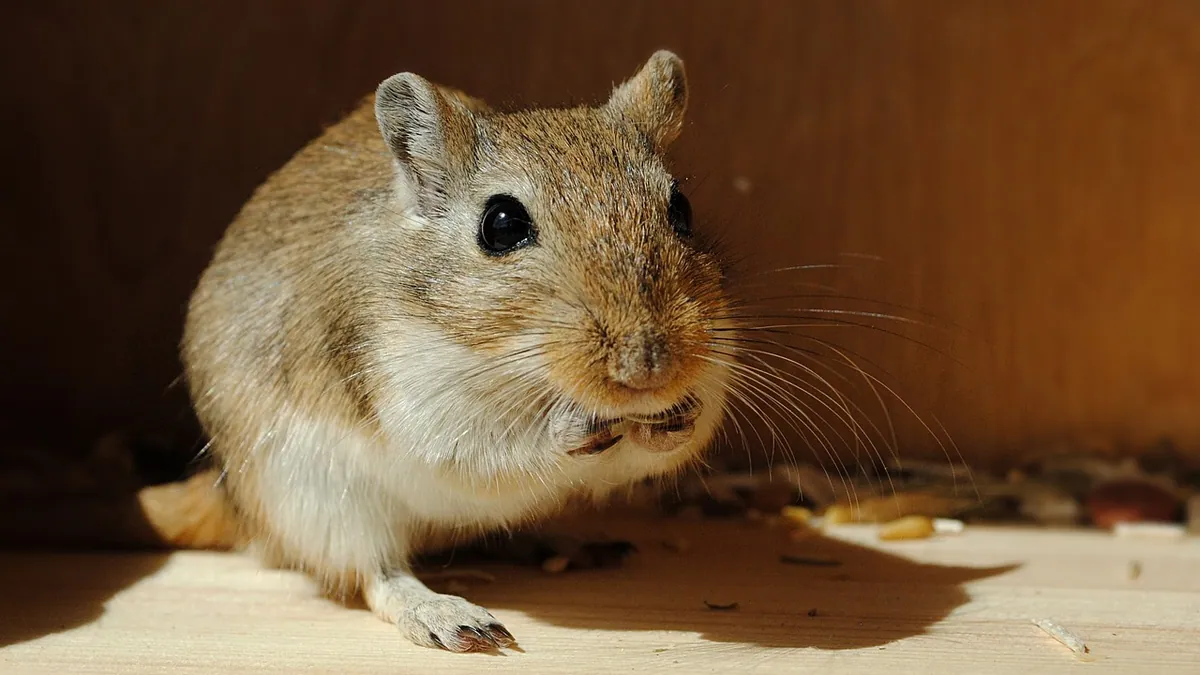
Can gerbils eat guinea pig food? No, not as a regular part of the diet. Guinea pig food is made for a species with very different nutrient needs, and feeding it to a gerbil can unbalance the diet over time. The same logic runs in reverse for most small pet foods, which is why owners who keep several species often ask whether the bags are interchangeable.
This article is educational and is not a substitute for veterinary diagnosis or treatment.
Quick Answer
- Do not feed guinea pig food to gerbils as a staple. It is formulated around guinea pig needs, including vitamin C, which gerbils do not require in the diet.
- A single stolen pellet is not a crisis. A bowl swap that lasts days or weeks is a real problem.
- Gerbils do best on a complete, balanced pelleted diet made for gerbils or a combined hamster and gerbil formula [1].
- Guinea pigs cannot make their own vitamin C and need it daily in food or supplements. Gerbils do not have that requirement.
- If your gerbil ate a large amount of guinea pig food, watch for not eating, small or no droppings, bloating, hunching, drooling, or diarrhea, and call your veterinarian.
Can Gerbils Eat Guinea Pig Food? The Short Answer
No. Guinea pig food is not a safe staple for gerbils. The two species look similar in size and both are rodents, but their diets are built on different nutrient targets.
Guinea pigs are one of the few mammals that cannot synthesize their own vitamin C, so guinea pig pellets are fortified with it. Gerbils do not need that fortification, and the rest of the formula is matched to guinea pig needs, not gerbil needs. Feeding guinea pig food to a gerbil long term means your gerbil is eating a diet designed for a different animal.
There is one more practical issue. Many guinea pig foods are plain pellets, but some mixes contain added fruits, seeds, or colored pieces. Gerbils are selective eaters and will pick out the tasty bits and leave the pellets, which is exactly the pattern that leads to nutritional gaps [1].
What About Hamster Food?
This is the more useful question for most gerbil owners. Hamster food is a much closer match. Some manufacturers even sell a combined hamster and gerbil diet, and a complete, balanced, pelleted hamster diet is a reasonable option for a gerbil [1].
The catch is the word "complete." A generic seed mix is not the same as a pelleted diet. Hamsters and gerbils both tend to pick out seeds and ignore the pellets, which leaves them eating a high-fat, low-nutrient fraction of the bag [1]. If you use a hamster formula, choose a pelleted one, not a seed mix.
Can Gerbils Eat Rat Food?
Rat food is closer to gerbil food than guinea pig food is, but it is still not the same formula. Rats are larger and have different calorie and mineral targets. A rat block is not a substitute for a gerbil diet on a regular basis.
The Reverse Questions
Owners often ask the mirror-image questions, so here they are in one place.
Can guinea pigs eat hamster food? No. Hamster food does not carry the vitamin C that guinea pigs must get every day, so it cannot serve as their base diet. For a full breakdown of what guinea pigs need, see What Guinea Pigs Can and Cannot Eat and Guinea Pig Diet Food.
Can hamsters eat guinea pig food? No, for the same reason gerbils should not. It is the wrong formula for a hamster, and it does not match hamster needs [1].
Can rats eat hamster and gerbil food? Occasionally as a treat, but not as a base diet. Rat blocks are made for rats.
Why the Foods Are Not Interchangeable
Vitamin C Is a Guinea Pig Problem, Not a Gerbil Problem
Guinea pigs need a steady supply of vitamin C because they cannot make it themselves. That is why guinea pig pellets are fortified. Gerbils have no such requirement, so the extra vitamin C in guinea pig food is not doing your gerbil any favors. It is simply part of a formula aimed at another species.
Mineral Balance Matters More Than Owners Realize
Gerbils are desert-adapted animals. Wild Mongolian gerbils live in clay and sandy deserts, bush country, and arid steppes, and they tolerate heat and dehydration well [2]. Their bodies are tuned to a specific diet, and the calcium-to-phosphorus ratio in a guinea pig formula is set for a guinea pig, not a gerbil.
Gerbils Are Sensitive to Diet Quality
Gerbils have adrenal glands that are roughly three times heavier than a rat's relative to body weight, and their adrenal cortex produces nearly equal amounts of corticosterone and 19-hydroxycorticosterone [2]. That biology is one reason researchers study how diet affects gerbil adrenal tissue. A high-fat, high-carbohydrate diet increased body weight and produced structural changes in the adrenal glands of gerbils over 8 and 12 weeks [3]. A separate study found that a high-calorie, high-fat diet in gerbils led to weight gain, dyslipidemia, liver fat accumulation, and a weakened immune response to infection [4]. Long-term coconut oil feeding also changed adrenal cortex structure and steroidogenic enzyme levels in Mongolian gerbils [5].
You are not running a laboratory, and one bowl of the wrong food will not reproduce those results. The point is simpler. Gerbil bodies respond to what they eat, and a diet built for another species is not the diet their system expects.
Risks of Feeding Guinea Pig Food to Gerbils
Nutritional Imbalance
The main risk is slow and quiet. A gerbil eating guinea pig food as its main diet gets the wrong ratio of nutrients for its species. Over weeks, that can show up as poor coat condition, weight change, or general decline. It is not a dramatic poisoning. It is a diet that does not fit.
Selective Eating and Seed Mixes
If the guinea pig food is a mix with seeds, dried fruit, or colored pieces, your gerbil will eat the treats and leave the pellets. That pattern is well documented in hamsters and is the reason generic seed mixes should be avoided [1]. The same behavior applies to gerbils.
Additives and Contaminants
Read the label before you assume a food is plain. Some small pet mixes contain added salt, garlic, onion powder, or sweeteners. Xylitol is a serious concern in dogs, and any product containing it should never be offered to a small pet. If a food lists ingredients you do not recognize, do not feed it.
Choking and Digestive Upset
Gerbils pouch food in their cheek pouches, and large or sharp pieces can cause problems. Sudden diet changes can also cause diarrhea or loose droppings. Any new food should be introduced slowly, and a whole bowl swap is not a slow introduction.
The Vomiting Myth
Rabbits and rodents, including gerbils, guinea pigs, hamsters, rats, and chinchillas, cannot vomit. If your gerbil looks unwell, do not wait for vomiting as a sign. Watch for drooling, not eating, small or no droppings, bloating, hunching, lethargy, or diarrhea instead.
How to Offer Food Safely (and What to Avoid)
If You Want to Use a Hamster Formula
Choose a complete, balanced, pelleted diet made for hamsters or a combined hamster and gerbil diet [1]. Keep the pellet as the base of the bowl. If you add fresh items, keep them small and occasional.
What to Avoid
| Form | Safe for Gerbils? | Notes |
|---|---|---|
| Guinea pig pellets | No, not as a staple | Wrong formula, extra vitamin C, wrong mineral balance |
| Guinea pig seed mix | No | Selective eating leaves nutritional gaps [1] |
| Hamster pellet diet | Yes, as a base | Complete pelleted hamster or hamster/gerbil diets are suitable [1] |
| Hamster seed mix | No, not as a base | Gerbils pick out seeds and skip pellets [1] |
| Rat blocks | No, not as a base | Made for a different species |
| Plain grass hay | Yes, as a supplement | Supports chewing and digestion |
| Fresh leafy greens | Yes, in small amounts | Wash well, introduce slowly |
| Fruit | Yes, rarely | Small pieces only, high sugar |
| Anything with xylitol, garlic, onion, or added salt | No | Do not offer |
Transitioning Foods
If you need to switch your gerbil from one food to another, do it over one to two weeks. Mix a small amount of the new food into the old, and increase the new food gradually. Watch droppings and appetite during the change. If your gerbil stops eating or droppings get soft, slow down.
What to Do If Your Gerbil Ate Guinea Pig Food
A Small Amount
If your gerbil grabbed one pellet or nibbled from a guinea pig bowl once, the risk is low. Remove the guinea pig food from reach, refill your gerbil's normal bowl, and watch for the next 24 hours. Check that your gerbil is eating, drinking, and passing normal droppings.
A Large Amount or a Long-Term Swap
If your gerbil ate guinea pig food as its main diet for days or weeks, call your veterinarian. Bring the food label with you. Your veterinarian can assess your gerbil's weight, body condition, and droppings, and decide whether any support is needed. Do not try to correct the diet by withholding food.
Signs That Need Same-Day Attention
Call your veterinarian the same day if you see drooling, refusal to eat, small or no droppings, a bloated belly, hunching, lethargy, or diarrhea. These signs can point to a digestive problem, and small pets can decline quickly.
Safer Alternatives for a Multi-Pet Household
If you keep gerbils, guinea pigs, hamsters, or rats, the simplest solution is separate bowls in separate cages. Do not let one species finish another's food.
For your gerbil, build the diet around a complete, balanced pelleted gerbil or hamster and gerbil formula [1]. Add plain grass hay for chewing. Offer small amounts of fresh leafy greens and an occasional tiny piece of fruit. Keep treats under a small fraction of the daily intake.
For your guinea pig, the base diet must include a daily source of vitamin C. That is the single biggest reason guinea pig food and gerbil food cannot be swapped. If you also keep dogs and are curious about sharing human foods with them, our guides on Can Dogs Eat Bananas and Can Dogs Eat Strawberries And Bananas cover that separately.
Store each species' food in a labeled container. If you have children or house sitters helping with feeding, label the bowls too. Most accidental swaps happen during a busy morning, not on purpose.
Limitations and When to Contact a Veterinarian
No article can tell you whether your specific gerbil is fine after eating the wrong food. That judgment needs a veterinarian who can examine your pet.
Call your veterinarian the same day if your gerbil is drooling, not eating, passing small or no droppings, has a bloated or tight belly, is hunched, or is unusually quiet. Call immediately if your gerbil is limp, unresponsive, breathing fast, or having repeated diarrhea. These are emergencies in small pets.
Schedule a routine visit if your gerbil ate guinea pig food as its main diet for more than a few days, even if it seems fine. A weight check and a diet review can catch problems early. If you are unsure whether a food is safe, call your veterinarian before you feed it.
Frequently Asked Questions
Can gerbils eat guinea pig food as a treat?
No, it is not a good treat choice. Guinea pig food is formulated for a different species, and there is no nutritional reason to offer it. Use a small piece of a gerbil-appropriate vegetable or a single pellet from your gerbil's own food instead.
Can gerbils eat hamster food every day?
Yes, if it is a complete, balanced, pelleted hamster or hamster and gerbil diet [1]. Avoid seed mixes, because gerbils pick out the seeds and skip the pellets, which leaves gaps in the diet [1].
Can guinea pigs eat hamster food?
No. Hamster food does not provide the daily vitamin C that guinea pigs require, so it cannot serve as their base diet. Guinea pigs need a guinea pig formula plus a reliable vitamin C source every day.
Can hamsters eat guinea pig food?
No. Guinea pig food is built for guinea pig needs, not hamster needs [1]. A hamster should eat a complete, balanced, pelleted hamster diet, not a guinea pig formula.
What should I do if my gerbil ate a whole bowl of guinea pig food?
Remove the guinea pig food and offer your gerbil's normal diet. Watch for drooling, not eating, small or no droppings, bloating, hunching, lethargy, or diarrhea over the next day. If any of those appear, or if the swap lasted more than a day or two, call your veterinarian.
Related Articles
References
- Hamsters - Exotic and Laboratory Animals. Merck Veterinary Manual.
- Gerbils - Exotic and Laboratory Animals. Merck Veterinary Manual.
- High-fat/high-carbohydrate-diet short- and middle-term effects on gerbil adrenal zona fasciculata histology. Tissue & cell, 2022.
- Obesity exacerbates giardiasis: metabolic, intestinal, and immune response in high-fat diet-fed gerbils. Brazilian journal of medical and biological research = Revista brasileira de pesquisas medicas e biologicas, 2026.
- Coconut oil reduces steroidogenic enzymes and imbalances estrogen receptors in the adrenal cortex of Mongolian gerbils. Food and chemical toxicology : an international journal published for the British Industrial Biological Research Association, 2025.