Why Is My Guinea Pig Peeing Blood?
By Dr. Zubair Khalid, DVM, MS, PhD ·
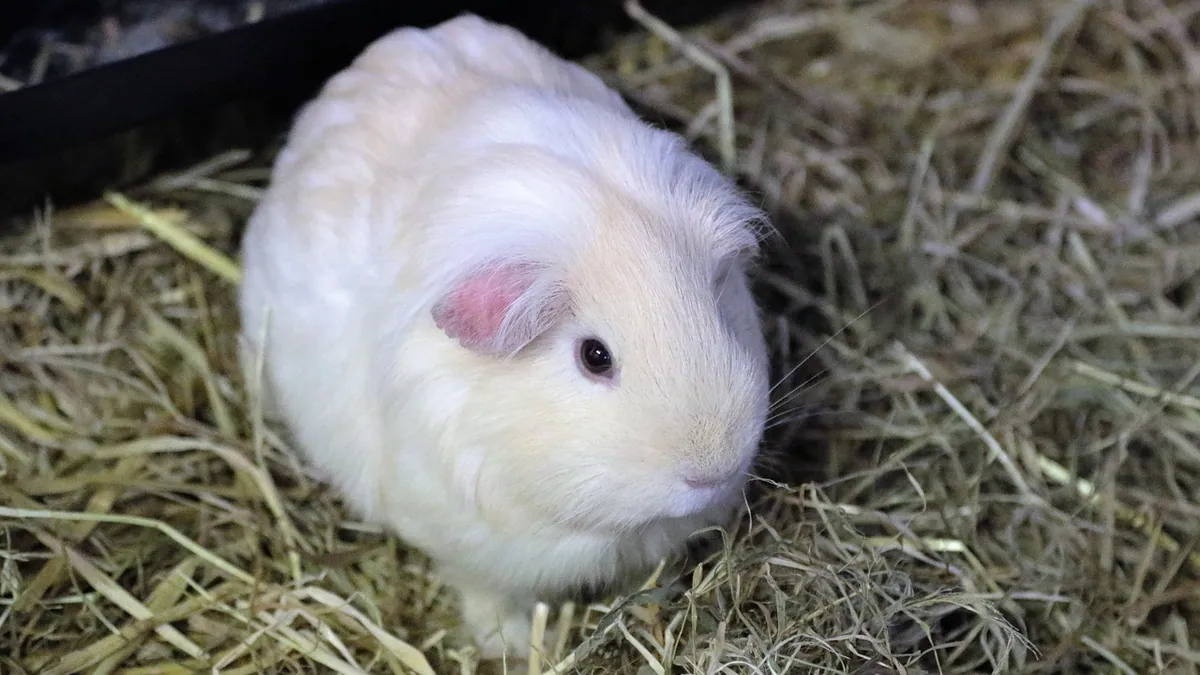
Blood in a guinea pig's urine is never normal. The most common reasons are urinary stones (urolithiasis) and bladder inflammation or infection (cystitis), though reproductive disease and bladder tumors can also cause it [1][2]. Because guinea pigs hide pain well and small blood loss adds up fast, this sign needs a veterinary visit right away.
This article is educational and is not a substitute for veterinary diagnosis or treatment.
Quick Answer
- Blood in the urine (hematuria) is most often linked to urinary stones or cystitis in guinea pigs [1][2].
- Male guinea pigs are more prone to stones, while females are more prone to cystitis and urinary tract infections [1].
- A guinea pig that is straining, crying out, or not urinating at all may have a blockage, which is a life-threatening emergency.
- Do not wait to "see if it clears up." Urinary disease in guinea pigs tends to worsen without treatment.
- Keep the guinea pig eating and drinking, and call an exotics or small animal veterinarian the same day you see blood.
What Blood in Guinea Pig Urine Actually Looks Like
Normal guinea pig urine ranges from pale yellow to a thicker, cloudy white or beige. That white or chalky appearance comes from calcium carbonate, which is normal in guinea pig urine. It is not blood.
Blood can look different depending on how much is present. You may see:
- Pink, red, or rust-colored urine
- Bright red streaks or spots on bedding
- Small blood clots
- Blood smeared around the genitals or on the fur of the belly
Sometimes the blood is not visible at all, and the first clue is a guinea pig that squeaks while urinating, hunches over, or dribbles urine outside the usual spot. In one study of guinea pigs with cystitis, the most common signs were blood in the urine, incontinence, straining to urinate, belly discomfort, not eating, weight loss, and lethargy [2].
Guinea pigs are prey animals. They tend to hide illness until it is advanced, so any change in urination deserves attention.
Why Is My Guinea Pig Peeing Blood? The Main Causes
Urinary Stones (Urolithiasis)
Urinary stones are the single most common lower urinary tract diagnosis in guinea pigs. In a 14-year review of guinea pig urinary cases, stones made up 44.4% of diagnoses, ahead of cystitis and urinary tract infection [1]. Male guinea pigs were more likely to develop stones than females [1].
Guinea pig stones are usually made of calcium carbonate [3]. A diet high in calcium is considered a risk factor, which is why many adult guinea pig diets are formulated to avoid high-calcium ingredients [3]. Stones can sit in the bladder, travel down the urethra, or get stuck. A stone lodged in the urethra blocks urine flow, and that is an emergency.
Stones can also form in unusual places. One report described a 5-year-old female guinea pig with a stone trapped inside a urethral diverticulum, a small pouch off the urethra. She had mild pain while urinating and a mass near the genital opening, and the stone had to be removed surgically [4].
Cystitis and Urinary Tract Infection
Cystitis means inflammation of the bladder. It can happen with or without a bacterial infection. In a study of 46 guinea pigs with cystitis, bacteria were grown in 21 cases. The most common bacteria were Corynebacterium renale (50%) and Staphylococcus species (21%) [2]. Some of these bacteria were resistant to certain antibiotics, so a culture helps your vet choose the right drug [2].
Ultrasound findings in that same group included bladder sludge in 63% of cases, peritonitis in 33%, and ascites (free fluid in the abdomen) in 28% [2]. Those last two findings mean that some guinea pigs with cystitis have serious inflammation spreading beyond the bladder.
Reproductive Causes
In female guinea pigs, the reproductive tract sits close to the urinary tract, and blood from the uterus or vagina can mix with urine. Cysts on the ovaries, uterine disease, and other reproductive problems are recognized health issues in guinea pigs, especially as they age [5]. A veterinarian will examine both systems, because the source of the blood is not always the bladder.
Bladder Tumors
Bladder tumors are uncommon in guinea pigs, but diagnoses have increased in recent years [6]. In three reported cases, tumors were found using imaging and surgery. In two of those cases the tumor was at the top of the bladder, and one guinea pig survived surgery with no sign of the tumor one month later. The third guinea pig did not survive. The authors noted that late recognition is the main reason outcomes are poor, because tumors are large by the time they are found [6]. If blood in the urine continues and stones have been ruled out, ultrasound is the next step [6].
Other Possibilities
Guinea pigs can develop several types of cancer, and some appear more often after age 4 to 5 [7]. Lymphosarcoma is a cancer that can enlarge the lymph nodes, liver, or spleen, and it carries a poor prognosis [7]. These conditions are less common than stones and cystitis, but they are part of the reason a full workup matters.
| Cause | Typical clues | How urgent |
|---|---|---|
| Urinary stones | Straining, crying while urinating, blood at the end of urination, male guinea pigs more often affected [1] | Urgent. Same-day vet visit. Blockage is an emergency |
| Cystitis or UTI | Blood in urine, incontinence, belly pain, not eating, weight loss [2] | Urgent. Same-day vet visit |
| Reproductive disease | Blood from the vulva, discharge, swelling, older females [5] | Urgent. Same-day vet visit |
| Bladder tumor | Ongoing blood in urine after stones are ruled out [6] | Urgent. Needs imaging and a treatment plan |
| Cancer in other organs | Weight loss, enlarged lymph nodes, poor appetite, age over 4 to 5 years [7] | Urgent. Needs blood work and tissue sampling |
Red Flags That Mean Emergency Now
Go to an emergency clinic immediately if your guinea pig:
- Cannot pass urine at all, or only drips
- Cries out or screams while trying to urinate
- Has a hard, painful belly
- Is not eating or drinking at all
- Is limp, cold, or barely responsive
- Has heavy bleeding or large clots
A urethral blockage is the most feared of these. Urine backs up, the bladder can rupture, and toxins build up in the blood. Guinea pigs with a complete blockage can die within a day or two without treatment.
If your guinea pig is still urinating but you see blood, that is still urgent, just not always an after-hours emergency. Call your vet the same day.
Safe Things You Can Do at Home While You Wait
You cannot treat this at home, but you can keep your guinea pig stable until the appointment.
- Keep fresh water available at all times. A guinea pig that stops drinking gets worse faster.
- Offer favorite foods, including hay, to keep the gut moving. Guinea pigs that stop eating can develop serious digestive problems within hours.
- Do not give any human pain medication. Never give ibuprofen, acetaminophen, or aspirin. Guinea pigs can react badly to these drugs.
- Do not give antibiotics you have at home. Some antibiotics are dangerous for guinea pigs, and the wrong one can cause severe illness [5].
- Keep the guinea pig warm and quiet, and limit handling.
- Take a photo of the bloody urine or soiled bedding so your vet can see what you saw.
- If you have other guinea pigs, keep this one separate until your vet advises otherwise, since some infections can spread between guinea pigs [7].
If your guinea pig stops eating, becomes weak, or cannot urinate, skip the wait and go to an emergency clinic.
What Your Veterinarian Will Check and Test
Your vet will start with a full physical exam, including palpating the belly to check for pain, a full bladder, or a mass. They will also check the teeth, since dental disease is common in guinea pigs and can cause drooling, weight loss, and mouth bleeding that owners sometimes confuse with urinary problems [5].
Expect some of these tests:
- Urinalysis. A urine sample checks for blood, white blood cells, bacteria, and crystals.
- Urine culture. This identifies the bacteria and which antibiotics will work. It matters because resistance to some antibiotics has been seen in guinea pig cystitis cases [2].
- X-rays. Radiographs can show stones and bladder changes. In guinea pigs with cystitis, X-rays often show increased bladder opacity and sometimes a single stone [8].
- Ultrasound. This is the best way to look at the bladder wall, sludge, and tumors. It is also how vets find problems that X-rays miss [6][2].
- Blood work. This checks organ function and helps rule out other disease.
Treatment depends on the cause. Stones usually need surgery, especially if they are blocking urine flow [4]. Cystitis is treated with antibiotics chosen from a culture, plus pain control and sometimes other medications. Your vet will calculate every dose based on your guinea pig's weight and health, so never use a dose from the internet or from another pet.
Diet changes are often part of the plan. A study in guinea pigs found that switching from an alfalfa hay-based pellet diet to a portioned timothy hay-based diet was used as a strategy to reduce urinary tract risk factors [3]. Your vet can help you choose the right hay and pellets for your guinea pig's age and health.
Prevention and Monitoring
You cannot prevent every urinary problem, but you can lower the odds.
- Feed a grass hay-based diet. Timothy hay is a common choice for adult guinea pigs, and portioned pellets are better than unlimited high-calcium pellets [3].
- Keep calcium intake appropriate for your guinea pig's age. Young, pregnant, and nursing guinea pigs have different needs than adults.
- Make sure your guinea pig gets enough vitamin C. Guinea pigs cannot make their own, and deficiency is linked to dental disease and other problems [5].
- Provide unlimited fresh water and clean bottles or bowls daily.
- Watch the bedding. You will catch blood earlier if you know what normal urine looks like.
- Weigh your guinea pig weekly. Weight loss is often the first sign of trouble.
- Schedule checkups, especially after age 4, when tumors and other age-related problems become more common [7].
If your guinea pig has had stones or cystitis before, ask your vet how often to recheck. Recurrence is common, and female guinea pigs in particular are more likely to have repeat urinary problems [1].
For comparison, blood in the urine is also a common reason owners search about other pets. If you have a cat with similar signs, see Why Is My Cat Peeing blood? Cystitis, Infection & Stones. If you have a dog, Why Is My Dog having bloody urine? Cystitis Bladder Stones and UTI Guide covers the same topic. Owners often ask why is my rabbit peeing blood, why is my hamster peeing blood, or why is my rat peeing blood, and the answer is similar: blood in urine in any small pet means a vet visit, not a wait-and-see approach.
Limitations and When to Contact a Veterinarian
This article cannot tell you what is wrong with your guinea pig. Only a veterinarian who examines your pet can do that. Individual cases need a veterinarian, and the timing matters as much as the diagnosis.
Call your vet the same day if you see blood in the urine, straining, dribbling, belly pain, or a drop in appetite.
Go to an emergency clinic right now if your guinea pig cannot urinate, is screaming in pain, has a hard belly, is not eating at all, or is weak and unresponsive.
Schedule a routine visit if your guinea pig had a urinary problem in the past and you want to check for recurrence, or if you want help fine-tuning the diet.
Frequently Asked Questions
Can blood in guinea pig urine go away on its own?
It can stop bleeding for a while, but the underlying cause usually does not resolve without treatment. Stones do not dissolve on their own, and untreated cystitis can spread and cause peritonitis [2]. Waiting risks a blockage or a much sicker pet.
Is blood in the urine more common in male or female guinea pigs?
Both can be affected, but the pattern differs. Males are more prone to urinary stones, while females are more prone to cystitis and urinary tract infection [1]. Females are also more likely to have a family history of urinary disease and to have repeat episodes [1].
Can I just change my guinea pig's diet instead of going to the vet?
No. Diet changes can help lower risk over time, and a timothy hay-based diet has been used to improve urinary tract health [3]. But diet will not remove a stone or clear an infection that is already causing bleeding. See your vet first, then adjust the diet with their guidance.
What does bladder sludge mean?
Bladder sludge is a thick buildup of mineral material in the bladder. It was found on ultrasound in 63% of guinea pigs with cystitis in one study [2]. Sludge can irritate the bladder and contribute to stone formation, and it often needs veterinary management.
How do I know if my guinea pig is blocked and needs emergency care?
The clearest sign is that your guinea pig keeps trying to urinate but nothing comes out, or only a few drops do. They may cry out, hunch over, or have a firm, painful belly. This is a life-threatening emergency, so go to a vet immediately.
Related Articles
- Guinea Pig Urine Problems: Smell, Blood, and Not Peeing
- Why Is My Small Pet Bleeding From the Bottom?
- Why Is My Guinea Pig Not Pooping? Causes and What to Do
References
- Lower Urinary Tract Diseases in Guinea Pigs: A 14-Year Retrospective Study (2004-2018). Animals : an open access journal from MDPI, 2022.
- Cystitis in guinea pigs (Cavia porcellus): Clinical findings and treatment outcomes. The Veterinary record, 2026.
- Effect of Adopting a Timothy Hay-based Diet at Weaning or in Adulthood on Urinary Tract Parameters in Strain 13/N Guinea Pigs (Cavia porcellus). Journal of the American Association for Laboratory Animal Science : JAALAS, 2024.
- Urethral diverticulum and urolithiasis in a female guinea pig (Cavia porcellus). Journal of the American Veterinary Medical Association, 2017.
- Common Health Problems of Guinea Pigs - All Other Pets. Merck Veterinary Manual.
- Primary Urinary Bladder Tumors in Three Guinea Pigs (Cavia Porcellus). Topics in companion animal medicine, 2023.
- General Medical Conditions of Guinea Pigs - All Other Pets. Merck Veterinary Manual.
- Radiographic Appearance of the Urinary Bladder and Application of a Vertebral Bladder Score for Evaluating Bladder Size in Healthy Guinea Pigs (Cavia porcellus) and Guinea Pigs with Clinical Signs of Cystitis. Animals : an open access journal from MDPI, 2026.