Why Is My Guinea Pig Not Squeaking Anymore?
By Dr. Zubair Khalid, DVM, MS, PhD ·
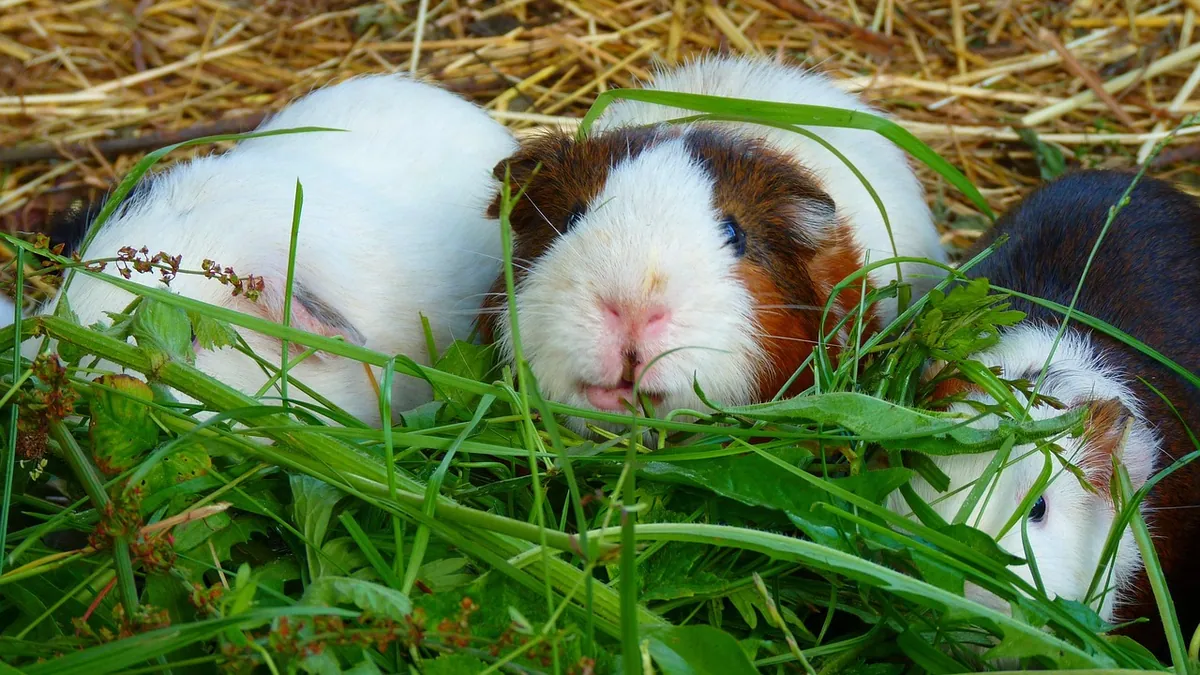
Guinea pigs squeak, or "wheek," mainly to greet you, beg for food, or get attention. If your guinea pig is not squeaking anymore, the most common reasons are normal aging, a change in routine, or hearing loss, but pain and illness can also quiet a guinea pig. This article is educational and is not a substitute for veterinary diagnosis or treatment.
Quick Answer
- A quiet guinea pig is often a normal change, especially in older animals or when your routine has shifted.
- Sudden silence plus any of these signs means a vet visit: not eating, weight loss, drooling, hunched posture, or trouble breathing.
- Guinea pigs are prey animals and hide illness well, so a drop in vocalizing can be the first clue something is wrong.
- Try a simple test at home: rustle a bag of greens or run the vegetable peeler and watch for a reaction.
- If your guinea pig reacts to sound but stays silent, that points toward behavior or aging. If it does not react at all, hearing loss or illness is more likely.
Why Your Guinea Pig May Have Stopped Squeaking
Normal Reasons First
Vocalizing takes energy and motivation. A guinea pig that has stopped wheeking may simply have less reason to do it.
Aging. Older guinea pigs often become quieter over time. Their hearing can decline, their activity level drops, and they may sleep more. This is a gradual change over months, not days.
A settled routine. Guinea pigs learn when food arrives. If you switched to a set schedule, a timed feeder, or a quieter household, there may be less excitement to vocalize about.
A bonded companion. Guinea pigs are social rodents kept in groups, and a guinea pig with a cagemate may rely less on human-directed squeaking [1]. The pair communicates with each other instead.
A shy or new guinea pig. A newly adopted guinea pig may stay silent for days or weeks while it settles in. Give it time and quiet handling.
Hearing loss. Guinea pigs are widely used in hearing research because their hearing is well studied, and noise exposure is a leading cause of hearing loss in this species [2]. A guinea pig that cannot hear you will not squeak back at you. It may also stop reacting to the fridge door or a bag of hay.
Medical Causes to Rule Out
A guinea pig that stops vocalizing and also changes in other ways needs a veterinary exam. Several common conditions can cause this.
Pain. Dental disease, bladder stones, arthritis, and gut pain all make guinea pigs withdraw. A painful guinea pig often goes quiet, hunches, and eats less.
Dental problems. Overgrown or misaligned cheek teeth cause pain when chewing. Drooling, dropping food, and weight loss usually come with it.
Reproductive disease in females. Cystic ovarian disease is the most common reproductive tract disorder in female guinea pigs [3]. Signs include decreased appetite, lethargy, hunched posture, weight gain, a palpable mass in the midabdomen, and progressive abdominal distension [3]. A guinea pig with these signs may also go quiet.
Heart disease. In one review of 80 guinea pigs with cardiac disease, the most common signs were difficulty breathing (46 of 80), lethargy (18 of 80), and loss of appetite (10 of 80) [4]. A heart murmur was found on physical exam in 10 of 80 [4]. A guinea pig with heart disease may be too tired to squeak.
Respiratory infection. Guinea pigs are prone to bacterial respiratory infections. Sneezing, crusty nose, and labored breathing are emergencies.
Other internal disease. Rare conditions such as congenital uterine malformations can cause lethargy, weight change, and severe abdominal pain [5]. These are uncommon, but they show why a full exam matters when behavior changes.
Pain or illness in general. Any sick guinea pig may stop vocalizing before it shows obvious symptoms. This is one reason a sudden behavior change deserves a phone call to your vet.
When a Quiet Guinea Pig Becomes a Problem
Ask yourself three questions.
- Is the change sudden or gradual? A slow fade over months is usually normal aging. A change over one or two days is a red flag.
- Is your guinea pig still eating, drinking, pooping, and moving normally? If yes, watch closely for a few days. If no, call your vet.
- Does it respond to sound at all? Try a gentle noise test. Crinkle a plastic bag or peel a carrot a few feet away. A guinea pig with normal hearing will usually orient toward the sound, even if it does not squeak. No reaction at all suggests hearing loss or illness.
Weigh your guinea pig weekly on a small kitchen scale. Weight loss of any amount in a small pet is meaningful. A guinea pig that loses weight and stops squeaking needs an exam.
What to Do Step by Step
1. Do a Home Check
- Weigh your guinea pig and write the number down.
- Check the incisors for overgrowth and look for drooling or a wet chin.
- Watch it eat hay, pellets, and vegetables. Look for dropping food or chewing on one side.
- Count poops for a day. Fewer or smaller poops suggest a gut slowdown.
- Listen for breathing sounds at rest. Any wheeze, click, or open-mouth breathing is urgent.
2. Test Hearing and Response
Make a familiar sound from a normal distance, such as a bag rustle or the vegetable drawer. Repeat it a few times over the day. If your guinea pig turns its head, perks its ears, or comes over, hearing is likely fine. If there is no response at all, mention this to your vet.
3. Keep the Routine Predictable
Guinea pigs thrive on sameness. Feed at the same times, keep the cage in a calm spot, and avoid moving the enclosure around. If you recently changed cages, bedding, or schedule, give it a week or two to adjust.
4. Add Enrichment
A bored guinea pig can go quiet. Offer hiding spots, tunnels, chew-safe wood, and daily floor time in a safe pen. Rotate toys so the cage stays interesting. For more on what different sounds mean, see Guinea Pig Behavior: Understanding Sounds and Actions.
5. Encourage Squeaking Naturally
Use food as a cue. Rustle the hay bag or shake the pellet container before feeding. Most guinea pigs will reconnect the sound with food and start wheeking again. Keep sessions short and calm. Never force handling on a guinea pig that is hiding or unwell.
6. Keep a Simple Log
Write down daily: weight, appetite, poop count, activity, and any sounds. Bring this log to your vet visit. Patterns are easier to spot on paper than from memory.
What Not to Do
Do not punish a quiet guinea pig. Yelling, tapping the cage, or squirting water will only increase stress and make the behavior worse.
Do not assume it is just old age. Aging is a real cause, but it is a diagnosis of exclusion. Rule out pain and illness first.
Do not wait weeks to call your vet. Guinea pigs decline fast. A guinea pig that stops eating can become critically ill within a day.
Do not give human medications. Never give aspirin, ibuprofen, acetaminophen, or any human painkiller to a guinea pig. Your veterinarian will calculate the correct dose from your pet's weight and health.
Do not rely on internet myths. Claims that a silent guinea pig is "just depressed" or that certain foods restore squeaking are not supported. A hands-on exam is the only way to know.
Do not skip the weight check. A guinea pig can look normal while losing weight. The scale does not lie.
When to Involve a Veterinarian or Behavior Professional
Call an exotics or small mammal veterinarian if the silence lasts more than a few days, if it started suddenly, or if anything else changed. A veterinarian can examine the teeth, listen to the heart and lungs, palpate the abdomen, and run tests as needed. Ultrasound is often used to confirm reproductive disease in females [3], and echocardiography is used to diagnose heart disease [4].
A certified behavior professional is rarely needed for guinea pigs. Most quiet behavior is medical or environmental. If your vet finds no medical cause and the environment is already ideal, a behavior consult can help you adjust handling and enrichment.
For a broader look at how guinea pigs use sound, see Guinea Pig Squeaking Noise.
Limitations and When to Contact a Veterinarian
This article cannot tell you what is wrong with your individual guinea pig. Only a veterinarian who examines your pet can do that.
Contact a veterinarian the same day if your guinea pig:
- Stops eating or drinking
- Loses weight
- Drools or has a wet chin
- Sits hunched and puffed up
- Has diarrhea or no poop for 12 hours
- Seems painful when touched or picked up
- Has a sudden change in squeaking along with any of the above
Go to an emergency clinic now if your guinea pig:
- Breathes with its mouth open or makes clicking sounds
- Collapses or cannot stand
- Has a seizure
- Has a bloated, tight, silent belly
- Is bleeding or has a prolapsed tissue
Schedule a routine visit within a few days if:
- The silence is gradual and your guinea pig otherwise acts normal
- You suspect hearing loss
- You want a baseline exam and weight check for an older guinea pig
Frequently Asked Questions
Is it normal for an older guinea pig to stop squeaking?
Yes, many older guinea pigs become quieter as they age. Hearing loss and lower energy are common in seniors. Keep weighing your guinea pig weekly and have it examined if the change comes with weight loss, appetite changes, or breathing trouble.
Can hearing loss cause a guinea pig to stop wheeking?
Yes, hearing loss is a common reason a guinea pig stops responding to food sounds. Noise exposure is a leading cause of hearing loss in guinea pigs. If your guinea pig no longer reacts to a bag rustle but still eats and acts normally, hearing loss is likely.
My guinea pig is quiet but still eating. Should I see a vet?
A quiet guinea pig that eats normally can often be watched for a few days. Weigh it daily and note any other changes. If the silence lasts more than a few days, or if weight drops, book an exam.
Do guinea pigs stop squeaking when they are in pain?
Yes, pain often makes guinea pigs go silent and withdrawn. Dental disease, bladder stones, and arthritis are common painful conditions. A hunched posture, reduced appetite, and weight loss point toward pain and need a vet visit.
Can a new cagemate make my guinea pig stop squeaking?
Yes, a bonded companion can change how much your guinea pig vocalizes to you. The two may communicate with each other instead. Watch for normal eating, playing, and grooming. If either guinea pig hides, fights, or loses weight, separate them and call your vet.
Related Articles
- Guinea Pig Squeaking Noise
- Guinea Pig Behavior: Understanding Sounds and Actions
- Why Does My Guinea Pig Squeak and Vibrate When Petted?
- Why Is My Guinea Pig Purring? What the Sound Means
- Why Is My Guinea Pig Chattering Its Teeth? Causes
References
- Anatomy, Physiology, and Behavior of Guinea Pigs - Exotic and Laboratory Animals. Merck Veterinary Manual.
- Pupillometry to Assess Auditory Sensation in Guinea Pigs. Journal of visualized experiments : JoVE, 2023.
- Updates on Cystic Ovarian Disease in Guinea Pigs. The veterinary clinics of North America. Exotic animal practice, 2025.
- Epidemiological, clinical, radiographic, echocardiographic findings and outcome in client-owned guinea pigs (Cavia porcellus) with cardiac disease: 80 cases (2010-2021). Journal of the American Veterinary Medical Association, 2023.
- Unilateral segmental uterine horn hypoplasia with fallopian tube aplasia in a guinea pig (Caviaporcellus). Journal of comparative pathology, 2024.