Do Gerbils Like to Be Held? Taming and Handling Tips
By Dr. Zubair Khalid, DVM, MS, PhD ·
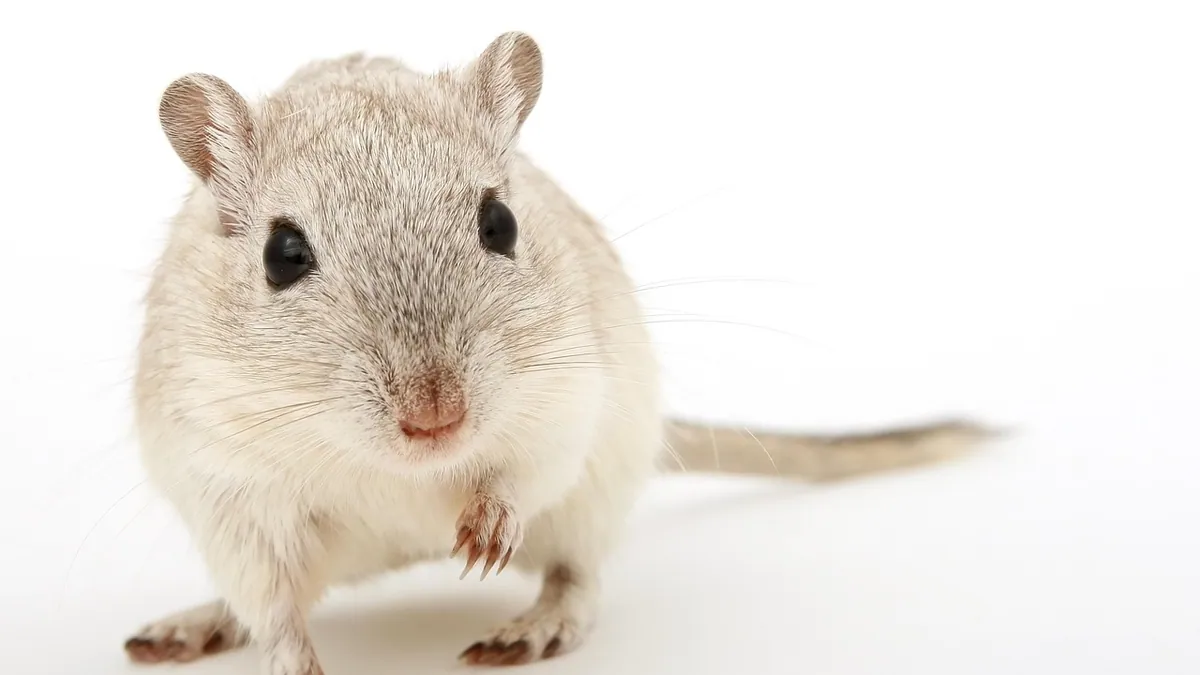
Do gerbils like to be held? Most gerbils do not seek out cuddling the way a dog or cat might, but many learn to tolerate and even enjoy brief, gentle handling once they trust you. Whether a gerbil likes being held depends on its personality, its past experiences, and how you approach it. This article is educational and is not a substitute for veterinary diagnosis or treatment.
Quick Answer
- Gerbils are small, active rodents that generally prefer exploring, digging, and climbing over sitting still in your hands [1].
- Most gerbils can be tamed to accept handling, but they rarely become lap pets. Short sessions work better than long ones.
- Never lift a gerbil by the tail. Scoop it up under the belly with both hands, and do not squeeze [2].
- Until your gerbil is used to you, hold it low, over its cage or over your lap, so a fall cannot cause injury [2].
- Gerbils are not recommended as pets for very young children because they cannot withstand rough handling [2].
Why Gerbils React the Way They Do
Gerbils Are Prey Animals
To a gerbil, a hand coming in published veterinary research can look like a predator. That is why a new gerbil often runs, jumps, or freezes when you reach in. This is normal, not a sign that your pet hates you. It is a survival reflex.
Gerbils Are Social but Not All Alike
The Mongolian gerbil, the species most often kept as a pet, is social. Research comparing Mongolian gerbils with the more solitary midday gerbil found species-level differences in personality traits such as boldness, exploration, and anxiety [3]. In plain terms, some gerbils are naturally braver about new things, and some are more cautious. Two gerbils from the same litter can react very differently to your hand.
Scent Matters to Gerbils
Gerbils rely heavily on smell to recognize each other. One study showed that male Mongolian gerbils can tell individual gerbils apart using urine and secretions from the ventral gland, though they could not tell individuals apart by feces or saliva [4]. This is one reason to let your gerbil sniff your hand before you try to pick it up. Your scent becomes familiar over time.
Activity Level Plays a Role
Gerbils are busy animals. They enjoy climbing and burrowing, and their housing should give them chances to do both [1]. A gerbil that has been sitting in a bare cage with nothing to do may be more restless when handled. A gerbil with tunnels, bedding for digging, and things to climb tends to be calmer overall.
Medical Causes to Rule Out
Sometimes a gerbil that suddenly dislikes handling is not being stubborn. It may be uncomfortable or sick.
Watch for signs of illness such as matted fur, a hunched posture, or dullness. Healthy gerbils are usually lively and curious, with smooth glossy fur, clear eyes, and no discharge from the eyes or nose [5]. If your gerbil's behavior changes and any of these signs appear, see a veterinarian.
Pain is a common reason a gerbil stops tolerating touch. A gerbil with an injured tail, a sore foot, or a limp may snap or struggle when picked up. Check for obvious signs of trauma such as limping or hair loss on the body or tail [5]. Do not assume a behavior change is just attitude.
Stress itself has measurable effects. When Mongolian gerbils were placed alone in a new small cage, their fecal pellet output increased sharply, and their plasma adrenocorticotropic hormone rose significantly [6]. That study used a laboratory setting, but the takeaway applies at home. A gerbil under stress may produce more droppings, hide more, or resist handling. If your gerbil shows these signs along with other symptoms, a veterinary visit is reasonable.
When Handling Becomes a Problem
Handling is a problem when it puts the gerbil or you at risk, or when it causes lasting distress.
Signs that handling is going badly include:
- The gerbil bites hard and repeatedly, not just a single warning nip.
- The gerbil squeaks loudly, struggles violently, or tries to leap from your hands.
- The gerbil hides for a long time after each session and stops eating normally.
- The gerbil produces a lot of droppings during or right after handling.
- The gerbil seems painful when touched, especially near the tail or belly.
A single nip during taming is common. A pattern of panic is not. If every session ends with a terrified gerbil, change your approach instead of pushing through.
How to Build Trust Step by Step
Start With the Cage, Not Your Hands
Spend the first few days letting your gerbil get used to your presence. Sit near the cage and talk softly. Put your hand inside the cage without grabbing, and let the gerbil come to you. This is where scent recognition begins, and gerbils are good at learning individual odors [4].
Use Food to Create Positive Associations
Positive reinforcement training works well with gerbils. In one study, 43 Mongolian gerbils completed a 10-day clicker training protocol and learned to voluntarily approach and interact with the experimenter's hand in exchange for a food reward [7]. You do not need a clicker at home. The core idea is simple. Your hand predicts something good, like a sunflower seed or a piece of their usual diet.
Offer a treat from your open palm. Let the gerbil take it and retreat if it wants. Repeat this daily. Do not chase the gerbil around the cage with the treat.
Scoop, Do Not Grab
When your gerbil is comfortable taking food from your hand, try a brief lift. The best way to remove a gerbil from its cage is to use both hands and scoop it up under the belly. Do not squeeze [2]. Never lift a gerbil by its tail, because gerbil tails are delicate and easily injured [2].
Keep the first lifts short, just a few seconds. Set the gerbil back down gently in the cage.
Hold Low and Over a Safe Surface
Until your gerbil is used to being handled, hold it close to the ground so a fall will not hurt it. Hold it over its cage or over your lap so that if it wriggles free, it cannot run away [2]. This protects your pet and prevents a lost gerbil in the house.
Keep Sessions Short and End on a Good Note
Aim for one or two minutes at first. If your gerbil is calm, you can slowly extend the time. Always put the gerbil back before it starts to panic. Ending while things are still calm teaches your pet that handling is safe.
Build a Calmer Environment
A gerbil that has a good home is easier to handle. Gerbils need a cage with a solid, non-mesh bottom because they often stand on their hind legs. A fish tank with a breathable mesh lid works well, and solid plastic containers with connecting tunnels make an interesting setup [1]. Plan on about 5 gallons of space per gerbil, so one gerbil needs at least a 5-gallon tank and two need at least a 10-gallon tank [1]. Keep the cage between 60°F and 70°F and below 50% humidity [1].
For more on housing, diet, and daily care, see the Gerbil Care Guide. If you are still choosing bedding, Selecting Bedding Materials for Laboratory Rodent Welfare covers what makes bedding safe and comfortable for small rodents.
Handle at the Right Time
Gerbils are often more active in the evening and at night. Some gerbils are groggy and grumpy if you wake them during the day. Try handling when your gerbil is already awake and moving around.
Use Two Gerbils to Your Advantage
Mongolian gerbils are social, and many owners keep them in pairs. A gerbil that watches its calm cagemate take a treat from your hand may settle faster. Just make sure both gerbils get equal attention and that no one is cornered.
What Not to Do
Do Not Punish or Startle Your Gerbil
Never flick, tap, or yell at a gerbil that nips or struggles. Punishment teaches fear, not trust. It also makes biting more likely in the future. If your gerbil bites, set it down calmly and end the session.
Do Not Grab in published veterinary research
Reaching straight down mimics a predator. Slide your hand in low and let the gerbil see and smell you first.
Do Not Pick Up by the Tail
This is the most common serious handling mistake. Gerbil tails are delicate and can be easily injured [2]. A degloving injury or a broken tail is painful and may need veterinary care.
Do Not Squeeze or Restrain Tightly
Because of their small size, gerbils cannot withstand rough handling [2]. A light, cupped hold is safer than a firm grip. If your gerbil is wriggling hard, put it down instead of tightening your hands.
Do Not Let Young Children Handle Gerbils Unsupervised
Gerbils are not recommended as pets for very young children because of their small size and sensitivity to rough handling [2]. Older children can help with taming if an adult supervises and teaches the scoop method.
Do Not Believe the Myth That All Gerbils Love Cuddling
Some gerbils sit still in a warm hand. Many do not. A gerbil that wants to explore is behaving normally, not rejecting you. Respect what your individual gerbil tells you.
Do Not Skip Enrichment
A bored gerbil is harder to tame. Gerbils are active and enjoy climbing and burrowing, so housing should provide opportunities for both [1]. Tunnels, deep bedding, and safe chew items give your gerbil an outlet for natural behavior. A tired, busy gerbil is often a calmer gerbil.
When to Get Professional Help
Most gerbils tame down within a few weeks of daily, patient work. If your gerbil is still panicking after several weeks of slow steps, or if it bites hard enough to break skin, ask your veterinarian for guidance. A veterinarian can check for pain, illness, or a tail injury that is driving the behavior.
A certified behavior professional who works with small mammals can also help. This is especially useful if you have tried the steps above and your gerbil's fear is getting worse instead of better. For general bonding principles that apply across species, Taming and Bonding With Your Pet Bird covers patience-based trust building, and the same core idea applies to a small rodent.
Limitations and When to Contact a Veterinarian
No article can tell you exactly what is wrong with your individual gerbil. Behavior and health are tangled together in small pets, and individual cases need a veterinarian who can examine your animal.
Contact a veterinarian the same day if your gerbil:
- Has a tail injury, a limp, or hair loss on the body or tail [5].
- Stops eating or drinking.
- Has diarrhea or a sudden increase in droppings that does not settle.
- Breathes noisily or sits hunched and dull [5].
Seek emergency care right away if your gerbil:
- Falls from a height and lands badly.
- Is bleeding or has an open wound.
- Is limp, unresponsive, or having trouble breathing.
- Has a tail that looks stripped, swollen, or bent at an odd angle.
Schedule a routine visit if your gerbil is new to you, if you are unsure of its age or health status, or if handling has become a struggle and you want a professional opinion. A healthy gerbil should have smooth glossy fur, clear eyes, and no discharge from the eyes or nose [5]. If you are not seeing that, start with a veterinary check before you push ahead with taming.
Frequently Asked Questions
Do gerbils like to be held every day?
Most tamed gerbils do fine with short daily handling, but they do not need it the way a dog needs walks. A few minutes once or twice a day is plenty for most pets. Watch your gerbil's body language and skip a session if it seems tired, sick, or stressed.
How long does it take to tame a gerbil?
There is no fixed timeline. Some gerbils accept a hand within a week, and others need a month or more of slow work. The 10-day clicker training protocol used in one study shows that gerbils can learn to approach a hand fairly quickly when food rewards are involved [7]. Go at your gerbil's pace.
Why does my gerbil squeak when I hold it?
Squeaking usually means your gerbil is startled, uncomfortable, or being held too tightly. Put it down gently and try again later with a lighter scoop. If squeaking happens every time you touch a certain area, such as the tail or belly, have a veterinarian check for pain.
Can I hold my gerbil by the tail to move it?
No. Never lift a gerbil by its tail, because the tail is delicate and easily injured [2]. Scoop the gerbil up under the belly with both hands instead. If you must move a reluctant gerbil, use a small container or let it walk into your cupped hands.
Do gerbils bite when they are scared?
Yes. A frightened gerbil may bite as a last resort, especially if it feels trapped or squeezed. Biting is more common in gerbils that were grabbed in published veterinary research, woken suddenly, or handled roughly. Slow, low, food-based taming reduces the risk over time.
Related Articles
- Gerbil Care Guide
- Selecting Bedding Materials for Laboratory Rodent Welfare
- Stick Insect Care: Enclosure, Feeding, and Handling
- Do Gerbils Recognize Their Owners? Bonding Facts
- Do Gerbils Bite? Why It Happens and How to Stop It
- Do Gerbils Need a Friend? Social Needs Explained
References
- Providing a Home for a Gerbil - All Other Pets. Merck Veterinary Manual.
- Special Considerations for Gerbils - All Other Pets. Merck Veterinary Manual.
- Multi-assay approach shows species-associated personality patterns in two socially distinct gerbil species. PloS one, 2024.
- Discrimination of individuals by odor in male Mongolian gerbils, Meriones unguiculatus. Zoological science, 2007.
- Selecting a Gerbil - All Other Pets. Merck Veterinary Manual.
- Novelty stress increases fecal pellet output in mongolian gerbils: effects of several drugs. Journal of pharmacological sciences, 2005.
- Enhancing Gerbil Welfare Through Positive Reinforcement Training in Research Environments. Journal of visualized experiments : JoVE, 2025.