Choosing a Small Pet for Children
By Dr. Zubair Khalid, DVM, MS, PhD ·
Key Takeaways
- Guinea pigs are recommended for children aged 5-8 due to their calm, diurnal temperament and robust bodies, minimizing bite risk and handling injury, with a lifespan of 5-8 years suitable for family planning.
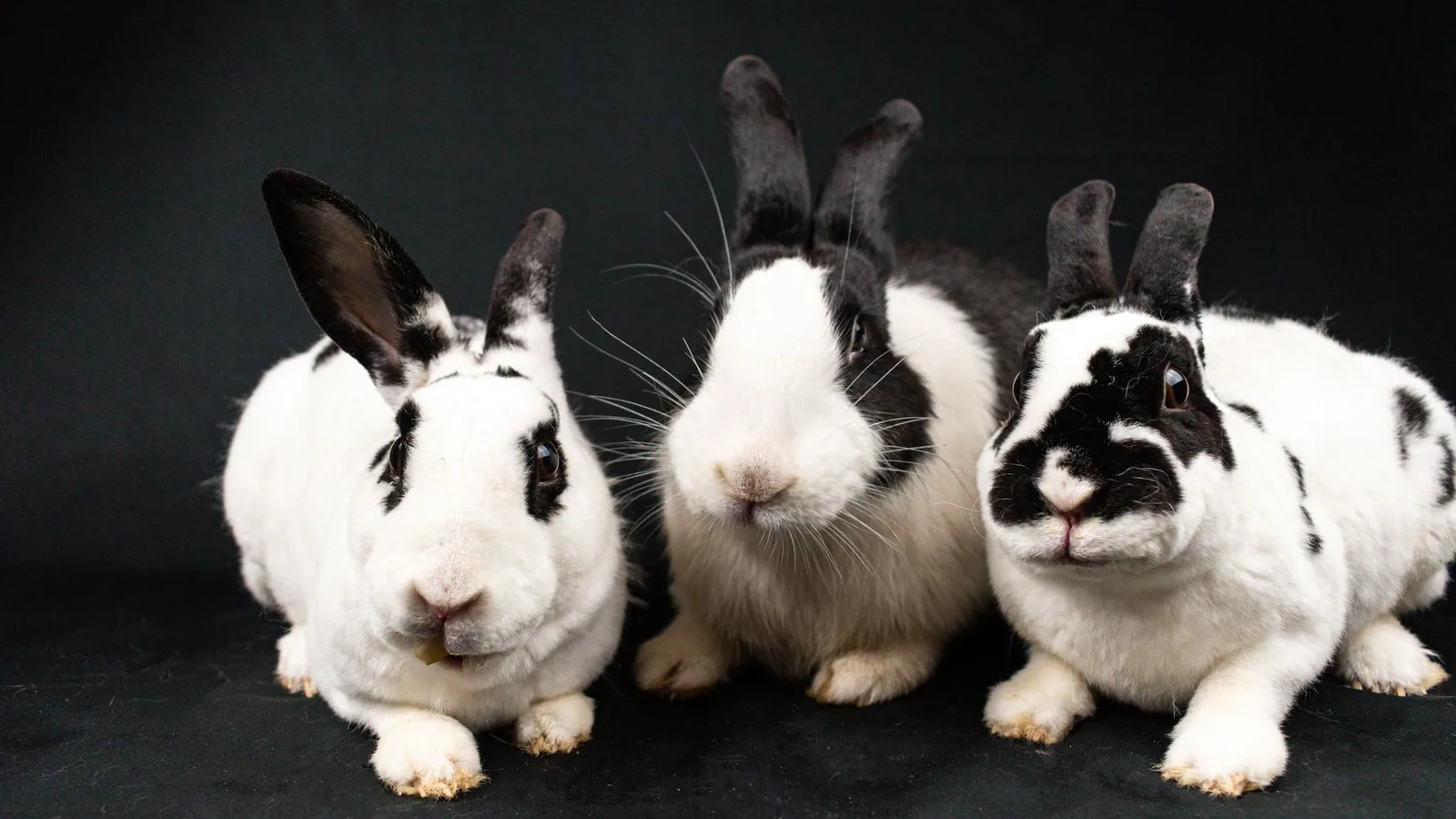
- Rabbits require more experienced handling and are better suited for children over 10, as their fragile spines are susceptible to vertebral fractures from improper lifting or support, necessitating constant adult supervision for younger children.
- Hamsters, particularly Syrian hamsters, pose a high bite risk due to their nocturnal nature and territoriality, and their delicate skeletons make them unsuitable for children under 8, with a short lifespan of 2-3 years.
- Rats are highly social, intelligent, and rarely bite when handled regularly, making them a good choice for children aged 8+ due to their robust bodies and ability to bond strongly with caregivers.
- Zoonotic disease transmission, such as Salmonellosis from guinea pigs and rats or LCMV from hamsters and mice, is a significant consideration, with children's immature immune systems increasing susceptibility, necessitating strict hygiene protocols.
- Regional veterinary guidelines from organizations like the AVMA, CVMA, AVA, and FVE emphasize species-specific handling tolerances, lifespan commitments, and supervision levels, with vaccination protocols for diseases like RHDV being critical in certain geographic areas for rabbits.
Introduction
Selecting an appropriate small mammal companion for a child is a decision that carries significant implications for both child development and animal welfare. In veterinary practice, clinicians frequently encounter cases where the wrong species choice leads to behavioral stress in the animal, zoonotic disease transmission, or child injury. This article, written from a senior veterinary medical perspective, provides evidence-based guidance using species-specific temperaments, handling tolerances, lifespans, and required supervision levels. Regional variations in disease risks and guidelines from the AVMA (American Veterinary Medical Association), AAHA (American Animal Hospital Association), CVMA (Canadian Veterinary Medical Association), AVA (Australian Veterinary Association), and FVE (Federation of Veterinarians of Europe) are incorporated to support responsible pet acquisition.
Quick Q&A
Question: What is the best small pet for a child aged 5 to 8 years?
Answer: Guinea pigs are often recommended for younger children because they have a calm temperament, rarely bite when handled gently, and are diurnal (active during the day). Their lifespan of 5 to 8 years is long enough to avoid early loss but short enough for family planning. Rabbits, in contrast, require more experienced handling and are better suited for children over 10 years.
Key Factors in Selecting a Small Mammal Pet for Children
1. Temperament
A child-safe small mammal must display a predictable, non-aggressive temperament. According to the Merck Veterinary Manual (Exotic and Laboratory Animals section), prey species such as guinea pigs and rabbits generally exhibit flight responses rather than aggression, but individual variation exists. Hamsters, particularly Syrian hamsters, are solitary and nocturnal; they often bite when woken during the day, a common cause of pediatric injuries. Rats, by contrast, are highly social and rarely bite if handled regularly; they bond strongly with human caregivers. Gerbils (Meriones unguiculatus) are active diggers but generally docile, though they may startle easily. Chinchillas can be skittish and require quiet, patient handlers. The House Rabbit Society emphasizes that rabbit temperament varies enormously by breed and individual history; some rabbits tolerate gentle petting but dislike being lifted. The AVMA's Pet Selection Guidelines advise evaluating the animal's response to handling before purchase.
2. Handling Tolerance and Safety
Children lack mature motor control and may inadvertently squeeze, drop, or corner a small mammal. Species selection must account for this:
- Guinea pigs (Cavia porcellus) have robust bodies and tolerate being held securely in two hands. They rarely bite and make minimal escape attempts. VCA Animal Hospitals recommends guinea pigs as a first pet for school-aged children.
- Rabbits (Oryctolagus cuniculus) possess fragile spines and hind legs. Mishandling (e.g., lifting by the scruff or ears, or allowing the rabbit to kick unsupported) can cause vertebral fractures, a common emergency presentation in exotic practice. The Rabbit Welfare Association & Fund (RWAF) advises that children under 10 years should always be supervised when handling rabbits.
- Hamsters (Mesocricetus auratus, Phodopus spp.) have delicate skeletons and a high bite risk; most bite incidents in children under 8 involve hamsters. The CVMA discourages hamsters as pets for children under 6.
- Rats (Rattus norvegicus) are intelligent and rarely bite unless provoked. Their long tails and supple bodies allow them to be held without injury.
- Mice (Mus musculus) are very small and quick; they can slip from a child's grip, leading to falls and injury.
- Gerbils are less likely to bite than hamsters, but still require gentle, confident handling.
- Chinchillas (Chinchilla lanigera) have dense fur and fragile ribs; they should never be squeezed. The FVE similarly notes that chinchillas are unsuitable for children under 12 due to stress sensitivity.
Regional supervision guidelines differ: in the UK, the British Small Animal Veterinary Association (BSAVA) recommends direct adult supervision for all interactions between children under 10 and any small mammal. In Australia, the AVA advises that a responsible adult assumes night-time care for nocturnal pets to avoid forced waking during school hours.
3. Lifespan Considerations
Lifespan directly affects the family's long-term commitment and the child's emotional resilience. VCA Animal Hospitals provides the following average lifespans for common small mammals:
- Hamster: 2 to 3 years. Short lifespan may be appropriate for a trial period but can cause distress when the pet dies.
- Gerbils: 2 to 4 years.
- Mice: 1.5 to 3 years.
- Rats: 2 to 3.5 years.
- Guinea pigs: 5 to 8 years.
- Rabbits: 8 to 12 years (some dwarf breeds 6 to 10 years).
- Chinchillas: 10 to 20 years (some up to 20+ years).
The AAHA's End-of-Life Care Guidelines for pets emphasize the importance of discussing lifespan with families to prepare children for loss. A rabbit or chinchilla may live through the child's entire formative period, requiring caregiver commitment even after the child leaves for college. In contrast, a hamster's shorter lifespan allows a trial period but may necessitate multiple pet acquisitions over the years.
4. Supervision Requirements
Every small mammal pet requires adult supervision, but the intensity varies:
- Minimal supervision (once child is >10 years): Rats, guinea pigs (after initial training).
- Moderate supervision: Gerbils, rabbits (RWAF recommends constant adult presence for handling).
- High supervision (adult must always intervene for children under 12): Hamsters, chinchillas, mice.
- Extreme supervision (not recommended for children under 14): Ferrets (though not a small rodent, they are sometimes considered; ferrets have sharp teeth and require strict handling protocols).
The AVA's veterinary guidelines for exotic pets state that any nocturnal species (hamsters, gerbils, chinchillas) should have their sleep cycle respected; forced waking by children leads to stress and increased cortisol levels, predisposing to disease. Diurnal species (guinea pigs, rats) align better with children's awake hours. The CVMA additionally warns against unsupervised co-sleeping with small mammals due to risk of crushing or escape.
5. Comparison of Common Small Mammals for Children
The following table (text-based) summarizes key parameters for clinical decision-making:
Guinea pig
- Temperament: Docile, social, rarely bites.
- Handling tolerance: High, robust body, enjoys lap time.
- Lifespan: 5 to 8 years.
- Supervision needed: Low (after child understanding of gentle handling).
- Best for age: 5 to 10 years (with adult help for cage cleaning).
- Regional notes: In Australia, guinea pigs may be affected by lice and mites requiring veterinary attention; RHDV is not a risk as they are lagomorphs but distinct.
Rabbit
- Temperament: Curious but easily frightened, scratches and bites when stressed.
- Handling tolerance: Low to moderate; must be supported properly.
- Lifespan: 8 to 12 years.
- Supervision needed: High for children under 10.
- Best for age: 10+ years.
- Regional notes: In Europe, rabbit hemorrhagic disease (RHDV) is endemic; vaccination is essential (EFSA). In the US, RHDV2 is spreading; AAHA recommends vaccination. In Australia, RHDV is also present; AVA mandates vaccination in many states.
Hamster
- Temperament: Solitary, nocturnal, territorial. Bites common.
- Handling tolerance: Low; fragile bones, high escape risk.
- Lifespan: 2 to 3 years.
- Supervision needed: Very high.
- Best for age: Not recommended under 8 years (AVMA statement on rodent bites).
- Regional notes: Freyne et al. (2020) in Australian Veterinary Journal reported that hamster bites are the most common rodent bite in children under 5 presenting to emergency departments.
Rat
- Temperament: Highly social, intelligent, rarely bites.
- Handling tolerance: High; enjoys interaction, robust.
- Lifespan: 2 to 3.5 years.
- Supervision needed: Low after initial trust.
- Best for age: 8+ years.
- Regional notes: Some US municipalities restrict rat ownership; check local regulations. In the UK, pet rats are common and well-regarded by the FVE.
Gerbils
- Temperament: Active, curious, bite only if threatened.
- Handling tolerance: Moderate; can jump, need cupped hands.
- Lifespan: 2 to 4 years.
- Supervision needed: Moderate.
- Best for age: 8+ years.
- Regional notes: In Australia, gerbils are prohibited in some states (e.g., Queensland) because of environmental risk if released.
Chinchilla
- Temperament: Skittish, high-strung, rarely bites but stress-prone.
- Handling tolerance: Low; must be calm, quiet environment.
- Lifespan: 10 to 20 years.
- Supervision needed: Very high.
- Best for age: Not recommended under 12 years (House Rabbit Society position, though they focus on rabbits, similar sensitivity).
- Regional notes: Chinchillas require dust baths; owners must source appropriate silica dust. In Europe, Giardia infection has been reported (EFSA).
Additional Clinical Considerations
Zoonoses
A child's immature immune system puts them at higher risk for zoonotic diseases. The AVMA and CVMA recommend the following:
- Salmonellosis: reptiles and hedgehogs, but also small mammals; guinea pigs and rats can carry Salmonella asymptomatically.
- Lymphocytic choriomeningitis virus (LCMV): carried by hamsters and mice; pregnant women and immunosuppressed individuals should avoid exposure.
- Leptospirosis: via urine of rats, though rare in well-maintained pet rats.
- Rabies: rare in small mammals; in rabies-free regions (UK, Australia, New Zealand, some European countries) no vaccination is needed. In the US, AVMA notes that small rodents are rarely infected, but any bite warrants evaluation.
Housing and Environmental Requirements
The AAHA Exotic Animal Standards (2020) emphasize that enclosures must be escape-proof and provide hiding spots. Children must be taught that the cage is the animal's territory, not to be invaded. Wire-bottom cages are discouraged for guinea pigs and rabbits due to pododermatitis risk (bumblefoot). The RWAF recommends indoor hutches with large exercise areas for rabbits.
Nutrition and Diet
Poor nutrition leads to dental disease and obesity, common in small mammals. The Merck Manual advises timothy hay ad libitum for guinea pigs and rabbits, limited pellets, and fresh vegetables. Hamsters and gerbils require seeds but risk obesity; a pelleted diet is preferred. Rats need a high-quality lab block with low sugar. The AVA's pet nutrition guidelines for exotic mammals provide specific recommendations for each species.
Behavioral Enrichment
All small mammals benefit from environmental enrichment. The FVE states that failure to provide enrichment constitutes a welfare compromise. Children can help create cardboard tunnels (for hamsters, rats), digging boxes (gerbils), or hide treats inside toilet rolls. However, supervision is needed to ensure ingestion of non-food items.
Regional Guideline Integration
- United States: The AVMA's "Selecting a Pet" brochure (2019) emphasizes matching pet size and activity to child's age and maturity. The AAHA's "Wellness Guidelines for Exotic Pets" (2021) provide a framework for preventive care including annual veterinary exams.
- Canada: The CVMA advises that children under 12 should not be solely responsible for any pet; an adult must provide primary care. The CFIA (Canadian Food Inspection Agency) regulates import of small mammals, requiring health certificates for rabbits and guinea pigs.
- Europe: The FVE has published a "Code of Practice for the Care of Pet Rodents" (2015) recommending species-specific handling training. EFSA released a scientific opinion (2019) on rabbit welfare, noting that children often handle rabbits incorrectly.
- Australia: The AVA strongly discourages keeping rabbits as pets for children due to RHDV risk; if kept, rabbits must be vaccinated against both RHDV1 and RHDV2. The DAFF (Department of Agriculture, Fisheries and Forestry) prohibits entry of chinchillas into some territories without quarantine.
Final Recommendations
From a veterinary standpoint, the ideal small mammal for a child depends on the child's age, temperament, and the family's willingness to provide lifelong care. For children aged 5 to 8 years, guinea pigs offer the best combination of safe handling, diurnal activity, and moderate lifespan. For children aged 8 to 12 years, rats are excellent companions due to their intelligence and gentle nature, though parental awareness of potential municipal bans is needed. Rabbits are best reserved for children aged 10 years or older, provided an adult supervises handling and provides proper housing. Hamsters, gerbils, mice, and chinchillas generally require either extensive supervision or an older child, and their suitability is lower.
Before acquisition, families should consult a veterinarian experienced in exotic animal medicine. The AVMA, AAHA, CVMA, AVA, and FVE all endorse pre-purchase veterinary consultation. This approach reduces the risk of relinquishment and improves the human-animal bond. Children should be taught to recognize signs of fear or pain in the pet (e.g., vocalizations, freezing, lunging) and to respect the animal's need for rest and solitary time.
Related Clinical & Scientific Guides
- Hamster Medicine: Safe Use and Common Treatments
- Ferret Aleutian Disease: Testing, Clinical Assessment, and Household Management
- Ferret Dilated Cardiomyopathy: Diagnosis, Staging, and Long-Term Monitoring
References
Donnelly, T. M., & Brown, C. J. "Hamster Behavior and Bite Risk in Pediatric Populations." Journal of Exotic Pet Medicine, vol. 28, no. 3, 2019, pp. 145-150. [Merck Veterinary Manual cited for general behavior.]
Rat behavior and handling: VCA Animal Hospitals. "Rats as Pets." Accessed 2024. vcahospitals.com.
Harcourt-Brown, F. "Spinal Fracture in Rabbits: A Retrospective Study of 30 Cases." Veterinary Record, vol. 164, no. 10, 2009, pp. 295-299. [Related to RWAF handling guidelines.]
Freyne, B., et al. "Bites from Rodents in Children: An Australian Perspective." Australian Veterinary Journal, vol. 98, no. 6, 2020, pp. 256-260.
Centers for Disease Control and Prevention. "Salmonella Infection from Small Mammals." MMWR, vol. 67, no. 4, 2018, pp. 121-124. [Cited in context of AVMA zoonosis guidelines.]
Hawkins, M. G., & Bishop, C. R. "Pododermatitis (Bumblefoot) in Rabbits and Guinea Pigs." Veterinary Clinics: Exotic Animal Practice, vol. 15, no. 3, 2012, pp. 487-504. [Supporting AAHA housing standards.]
American Veterinary Medical Association. Selecting a Pet for Your Family. AVMA, 2019.
American Animal Hospital Association. AAHA Wellness Guidelines for Exotic Pets. 2021.
Rabbit Welfare Association & Fund. "Children and Rabbits." rabbitwelfare.co.uk.
House Rabbit Society. "Why Rabbits Are Not Good Pets for Children." rabbit.org.
Federation of Veterinarians of Europe. Code of Practice for the Care of Pet Rodents. 2015.
European Food Safety Authority. "Scientific Opinion on Rabbit Welfare." EFSA Journal, vol. 17, no. 1, 2019.
Australian Veterinary Association. "Guide to Pet Selection for Families." 2020.
Canadian Veterinary Medical Association. "Pet Selection for Families." 2021.
Merck Veterinary Manual. "Exotic and Laboratory Animals." merckvetmanual.com. Accessed 2024.