Why Is My Turtle or Tortoise Making Noises?
By Dr. Zubair Khalid, DVM, MS, PhD ·
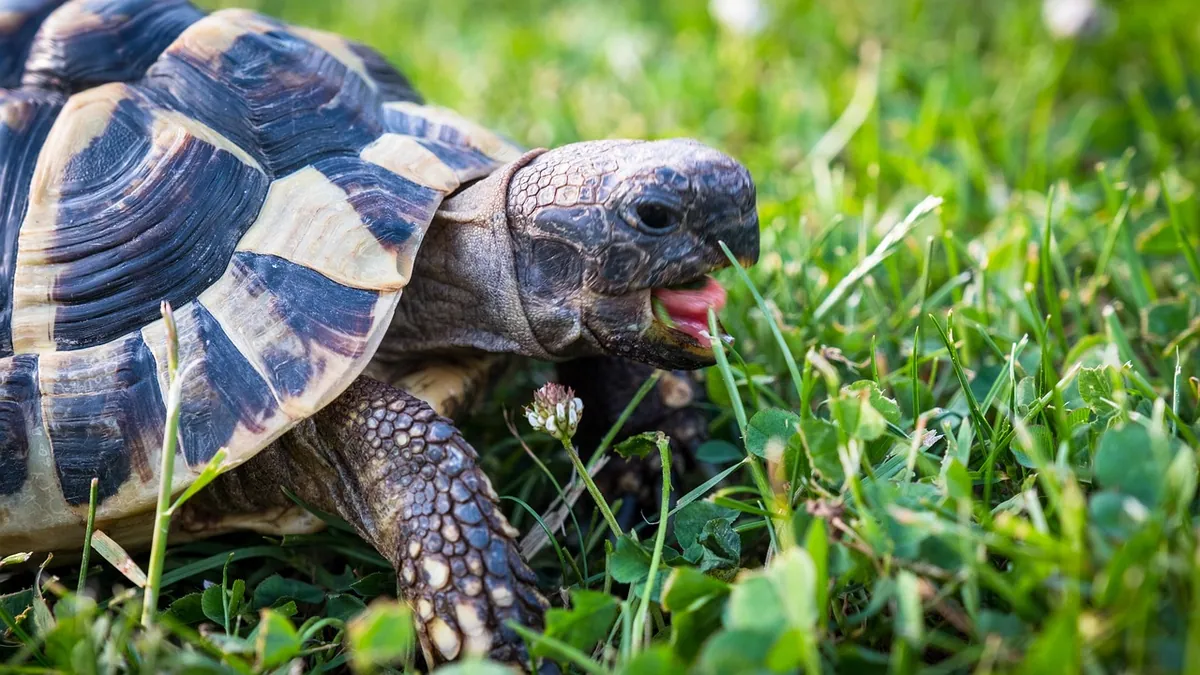
Turtles and tortoises do make sounds, and most of the time it is normal. A startled turtle hisses when it pulls its head in, and some turtles chirp or click during mating or underwater communication. The problem is that a squeak, wheeze, or gurgle can also be the first sign of a respiratory infection, so the sound itself matters less than what comes with it.
This article is educational and is not a substitute for veterinary diagnosis or treatment.
Quick Answer
- A short hiss when you pick your turtle up or when it retracts its head is normal and needs no treatment.
- Chirps, clicks, and squeaks can be normal, especially in aquatic turtles that vocalize underwater [1].
- A squeak or wheeze that happens with an open mouth, bubbles from the nose, or a tilted head points to a respiratory problem and needs a vet visit.
- Check the enclosure first. Wrong temperatures, dirty water, and low humidity cause many of these sounds.
- Any turtle that stops eating, floats lopsided, or struggles to breathe needs to be seen the same day.
What Turtle and Tortoise Noises Sound Like, and What Is Normal
Owners describe the sounds in different ways. You may hear a sharp hiss, a soft squeak, a chirp, a click, or a wet gurgle. Some of these are harmless and some are not.
Normal sounds
Hissing is the most common normal sound. It happens when a turtle or tortoise exhales forcefully as it jerks its head back into the shell. This is a startle and defense response, and it is not a sign of illness. Hissing as a threat or defense display is widespread in reptiles and is produced by forced air movement, not by a voice box [2].
Mating sounds are also normal. Male turtles may chirp, click, or make pulsing sounds while courting a female or while mounting. These sounds are usually short and happen only in that context.
Aquatic turtles are more vocal than many owners expect. Underwater recordings of Chinese soft-shelled turtles identified 720 calls that fell into 10 distinct call types, and the calls varied with age and sex [1]. So if your turtle makes chirping or clicking noises in the water, it may simply be communicating.
Reptiles in general are often described as rarely vocal, but turtles, crocodilians, and lizards do produce distress calls and advertisement calls using parts of the upper respiratory tract [3]. Sound production in these animals is real, even if it is not as obvious as birdsong.
Sounds that are not normal
A squeak or wheeze that repeats with every breath is different from a one-time hiss. So is a clicking sound that comes with a runny nose or an open mouth. These point toward the airway, not toward a startle response.
Why Is My Turtle Making Noises? The Main Causes
| Cause | Typical clues | How urgent |
|---|---|---|
| Startle hiss | One short hiss when handled or when the head pulls in, then silence | Not urgent |
| Mating or social calls | Chirps, clicks, or pulses during courtship or in the water, normal appetite and activity | Not urgent |
| Respiratory infection | Wheezing, squeaking with each breath, open-mouth breathing, bubbles or discharge from the nose, head tilting up, floating lopsided, not eating | Same day to urgent |
| Poor husbandry | Cool enclosure, dirty water, low humidity, no basking spot, sounds start after a change in setup | Fix now, vet if symptoms persist |
| Stress or handling | Hissing, gaping, or squirming only when picked up or moved | Not urgent |
| Foreign material or injury | Sudden noisy breathing after a fall, a bite, or bedding in the mouth or nose | Same day |
| Egg-related or digestive straining | Straining sounds, restlessness, digging, reduced appetite in a female | Same day to urgent |
Respiratory infection
This is the cause owners worry about most, and rightly so. Turtles and tortoises do not cough the way dogs do. Their early signs are sounds and posture changes. A soft squeak or whistle on each breath, a wet gurgle, or a click that repeats is a warning. So is any discharge from the nostrils.
Watch for the head being held higher than usual, since this helps them keep the airway open. Watch for open-mouth breathing, which is not normal in a resting turtle. Watch for a turtle that floats tilted to one side or cannot sink. These are signs that air or fluid is trapped where it should not be.
Respiratory disease in reptiles often follows a period of being too cold. A turtle kept below its correct temperature range cannot mount a normal immune response, and bacteria that are normally harmless take hold.
Husbandry problems
Many noise complaints turn out to be an environment problem. Water turtles need clean, filtered water and a dry basking area with the right heat and UVB light. Tortoises need the correct temperature gradient and humidity for their species. When these are off, the animal becomes stressed, its breathing changes, and sounds appear.
If the noise started right after you changed the water, the filter, the bedding, or the heat lamp, look there first.
Stress and handling
A hiss when you pick your turtle up is not a health problem. It is the same reflex you would have if something large grabbed you. Give the animal time to settle, handle it less, and the sound will stop.
Injury and foreign material
A turtle that suddenly starts making wet or rattling sounds after a fall, a fight with a tank mate, or a meal of something sharp needs to be checked. Material stuck in the mouth or nose can change airflow and create noise.
Egg binding and straining
Female turtles and tortoises that are ready to lay eggs can become restless and make straining sounds. If she cannot pass the eggs, this becomes an emergency. Signs include digging without laying, swelling near the tail, and a sudden drop in appetite.
Red Flags That Mean an Emergency
Some signs mean you should stop reading and call a veterinarian now.
- Open-mouth breathing at rest
- Bubbles, foam, or thick discharge from the nose or mouth
- A turtle that floats lopsided or cannot stay submerged
- Gasping, neck stretching, or visible effort with every breath
- Complete refusal to eat for more than a few days
- Swollen eyes, swollen ears, or a swollen neck
- Sudden collapse, weakness, or a limp body
- Straining to pass eggs with no result
Breathing trouble in any animal is serious. The same principle applies to birds, where a bobbing tail can be an early sign of respiratory effort (Why Is My Bird Tail Bobbing? Breathing Warning Signs). Reptiles hide illness well, so by the time you see obvious signs, the problem is often advanced.
What You Can Safely Do at Home While You Wait
You cannot treat a respiratory infection at home. Antibiotics for reptiles are prescription only, and the dose depends on the species, weight, and health of your animal. A veterinarian calculates that dose. Never give a turtle medication meant for a dog, cat, or human.
What you can do is stabilize the environment and reduce stress.
- Check the temperature. Measure the basking spot, the warm end, and the cool end with a digital thermometer. Compare them to the correct range for your species.
- Check the water. For aquatic turtles, test and change the water, clean the filter, and remove waste promptly.
- Check humidity. Dry species and tropical species need very different humidity. A hygrometer is inexpensive and worth having.
- Keep the animal warm and quiet. Do not handle it more than needed.
- Stop all handling except for feeding and cleaning.
- Offer food but do not force it. Note what and how much your turtle eats so you can report it.
- Take photos and a short video of the sound and the breathing pattern. This helps your vet see what you are seeing.
- Write down when the sound started, what changed in the enclosure, and any other signs.
If your turtle shares a tank with others, separate it if you can. Some respiratory infections spread between reptiles living in the same water.
What Your Veterinarian Will Check and Test
A reptile exam starts with a full history. Your vet will ask about temperatures, lighting, diet, water quality, and how long the sound has been present. Bring your notes and your video.
The physical exam includes listening to the airway, checking the mouth and nostrils for discharge, checking the eyes and ears, feeling the shell and limbs, and weighing the animal. Weight loss is a useful clue because it is objective.
Depending on what your vet finds, testing may include:
- A nasal or oral swab to look for bacteria or fungi
- A blood panel to check organ function and infection markers
- Radiographs (X-rays) to look at the lungs and check for fluid, masses, or eggs
- A fecal exam for parasites
- A shell or skin culture if there are lesions
Treatment usually involves correcting the environment, supportive care such as warmth and fluids, and prescription medication when an infection is confirmed. Some turtles need nebulization or injectable antibiotics. Your vet will decide based on the diagnosis, not on the sound alone.
If your turtle is also showing other body-wide signs, such as trembling or weakness, tell your vet. Trembling has many causes across species, and a full picture helps (Why Is My Dog Shaking?). The same is true for noisy breathing in other pets, which can come from the ear, nose, or airway (Dog Scratching Ear And Making Noise).
Prevention and Monitoring
Most turtle and tortoise noise problems are preventable with good husbandry.
- Set up the enclosure before you bring the animal home. Know the correct temperature gradient, humidity, and lighting for your exact species.
- Use a digital thermometer and hygrometer. Do not guess.
- Replace UVB bulbs on the schedule the manufacturer recommends, since output drops over time even when the bulb still glows.
- Keep water clean with adequate filtration and regular partial water changes.
- Quarantine any new reptile for at least several weeks before adding it to a shared enclosure.
- Weigh your turtle or tortoise monthly on a kitchen scale. A steady weight is a good sign. A slow decline is an early warning.
- Keep a simple log of appetite, activity, and any sounds. Patterns are easier to spot in writing.
- Schedule a routine wellness exam once a year with a veterinarian who treats reptiles.
Limitations and When to Contact a Veterinarian
This article cannot tell you what is wrong with your specific turtle. Only a veterinarian who examines your animal can do that. Individual cases need a veterinarian, and reptile illness can move quickly.
Contact a veterinarian the same day if you see open-mouth breathing, nasal discharge, bubbles, a lopsided float, or a sudden drop in appetite. Go to an emergency clinic now if your turtle is gasping, unresponsive, collapsed, or straining to pass eggs with no success. Book a routine visit if the sound is occasional, your turtle is eating and active, and you simply want to confirm that everything is normal.
If you are ever unsure, call. A short phone conversation with a reptile vet is far better than waiting a week to see whether things improve.
Frequently Asked Questions
Is a hissing turtle normal?
Yes, a short hiss is normal. It usually means your turtle is startled or feels threatened, and it stops once the animal settles. A hiss that repeats with every breath is different and needs a vet visit.
Why is my turtle making squeaking noises?
A squeak can be a normal vocalization, especially in aquatic turtles that communicate underwater. It can also be the sound of air moving through a narrowed or inflamed airway. If the squeak comes with discharge, open-mouth breathing, or a loss of appetite, treat it as a health problem.
Why is my tortoise making noises?
Tortoises hiss when they retract their heads, and males may make sounds during mating. A tortoise that wheezes, clicks, or breathes with its mouth open is likely sick. Check the temperature and humidity in the enclosure first, then call a vet.
Why is my turtle making clicking noises?
Clicking can be a normal social or mating sound in some species. It can also be a sign of airway disease when it repeats with breathing. Look for other signs such as nasal bubbles, a tilted head, or floating problems.
Can I treat a noisy turtle at home?
No. You can correct the temperature, water quality, and humidity, and you can keep the animal warm and quiet. You cannot treat an infection at home because reptile antibiotics are prescription only and the dose depends on your pet's weight and health.
Related Articles
- Box Turtle Care Guide
- Why Is My Turtle or Tortoise Hissing? Is It Aggression?
- Why Is My Tortoise Wheezing? Respiratory Signs to Watch
- Why Is My Turtle Gasping for Air? Breathing Warning Signs
References
- Diversity of Underwater Vocalizations in Chinese Soft-Shelled Turtle (Pelodiscus sinensis). Animals : an open access journal from MDPI, 2023.
- Avian hissing sounds: occurrence, mechanism, ontogeny, function and phylogeny. Royal Society open science, 2025.
- Vocalization by extant nonavian reptiles: A synthetic overview of phonation and the vocal apparatus. Anatomical record (Hoboken, N.J. : 2007), 2021.