Box Turtle Care Guide
By Dr. Zubair Khalid, DVM, MS, PhD ·
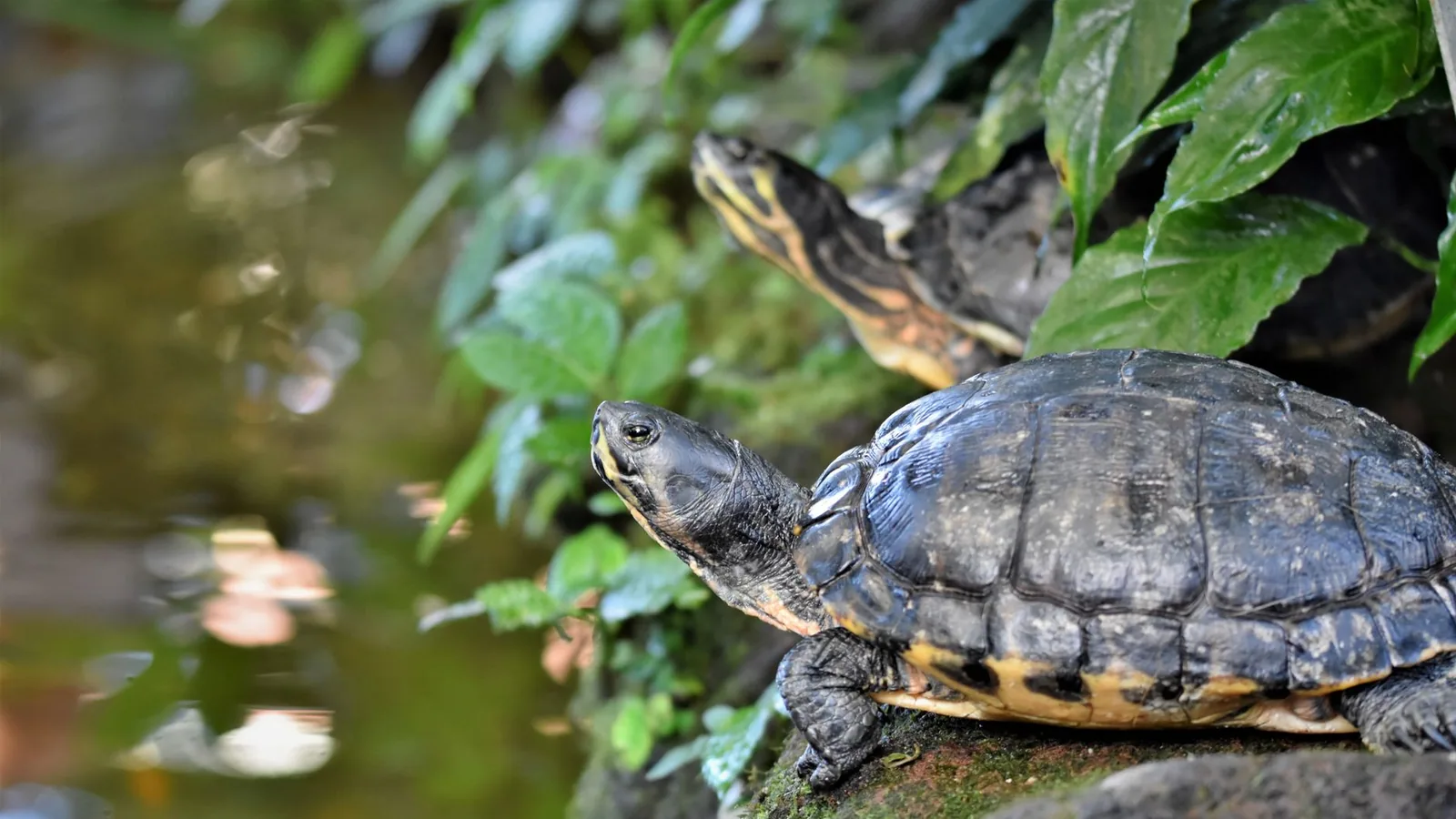
Key Takeaways
- Box turtles (Terrapene spp.) require a minimum enclosure footprint of 4 feet by 2 feet (1.2 m x 0.6 m) with a thermal gradient from 70-75°F (21-24°C) on the cool end to 85-90°F (29-32°C) in the basking zone, supplemented by full-spectrum UVB lighting (5-10% output) to facilitate vitamin D3 synthesis and calcium metabolism.
- Maintaining a relative humidity of 60-80% is critical to prevent desiccation, shell pyramiding, and respiratory disease, achieved through substrate choice (organic topsoil, coconut coir, cypress mulch, sphagnum moss), regular misting, and appropriate enclosure covering.
- A varied omnivorous diet is essential, with juveniles requiring 70-80% animal protein and adults shifting to approximately 50% protein; protein sources include gut-loaded insects and lean meats, while dark leafy greens, squash, and bell peppers form the plant matter base, supplemented with calcium and vitamin D3.
- Hibernation (brumation) is a complex physiological process requiring veterinary assessment prior to initiation, with healthy, well-fed turtles cooled gradually to 40-50°F (4-10°C) over 2-4 weeks, and close monitoring for weight loss (>10%) and signs of illness such as nasal bubbling.
- Preventive care includes annual veterinary wellness examinations, faecal parasite screening, and quarantine of new acquisitions for at least 90 days to mitigate risks of parasitic infections (nematodes, coccidia) and pathogens, with treatment guided by a veterinarian.
- Shell health issues such as shell rot (bacterial/fungal infection) and pyramiding (abnormal scute growth) are often linked to environmental factors like poor substrate hygiene and inadequate humidity/UVB, necessitating prompt veterinary intervention and corrective husbandry.
Box turtles (Terrapene spp.) are among the most popular reptile companions, prized for their terrestrial habits, attractive domed shells, and relatively manageable size. However, their captive care is far from simple. These long lived animals (30 to 50 years or more in captivity) require specific environmental conditions, a varied omnivore diet, and careful management of hibernation (brumation) to thrive. This evidence based guide integrates recommendations from the Association of Reptilian and Amphibian Veterinarians (ARAV), the Merck Veterinary Manual, VCA Animal Hospitals, and ReptiFiles to provide a complete resource for dedicated keepers. Regional variations (North America, Europe, Australia) are noted where relevant, and both American and Commonwealth spellings have been included to serve an international audience.
Quick Q&A
Question: What is the ideal enclosure size for an adult box turtle? Answer: An adult box turtle requires a minimum enclosure footprint of at least 4 feet by 2 feet (1.2 m x 0.6 m), with taller sides to prevent escape. Larger is always better, and outdoor pens are recommended where climate permits. Indoor enclosures should provide a thermal gradient, high humidity areas, and secure hides.
Enclosure and Housing
Substrate and Furnishings
The foundation of a healthy box turtle enclosure is a substrate that retains moisture, supports digging behaviour (or behavior), and resists mould. Recommended options include a mix of organic topsoil (free of fertilisers), coconut coir, cypress mulch, and sphagnum moss. Avoid pine, cedar, or any aromatic wood shavings, as they release phenols toxic to reptiles. Substrate depth should be at least 4 to 6 inches (10 to 15 cm) to allow burrowing.
Furnishings must include multiple hiding places (cork bark, log halves, artificial caves), shallow water dishes large enough for soaking, and sturdy climbing elements like flat rocks or driftwood. Live or artificial plants (e.g., pothos, ficus, spider plants) help maintain humidity and provide cover. The enclosure should be escape proof; box turtles are surprisingly adept climbers.
Temperature and Lighting
Box turtles are ectothermic and require a thermal gradient within their enclosure. According to VCA Animal Hospitals, the basking zone should reach 85 to 90 °F (29 to 32 °C), while the cool end remains at 70 to 75 °F (21 to 24 °C). A ceramic heat emitter or incandescent basking bulb can provide heat. Avoid heat rocks, which can cause thermal burns.
Full spectrum UVB lighting is essential for vitamin D3 synthesis and calcium metabolism. Use a fluorescent UVB tube (5% to 10% output) positioned 6 to 12 inches (15 to 30 cm) from the turtle's basking spot, with no glass or plastic blocking the rays. Replace bulbs every 6 to 12 months, as UVB output declines over time. A photoperiod of 12 to 14 hours of light daily mimics seasonal cycles.
Humidity and Hydration
Maintaining Proper Humidity Levels
Box turtles evolved in humid forests and meadows; they require a relative humidity of 60% to 80% to prevent desiccation and support normal shedding of the shell scutes. Low humidity contributes to shell pyramiding, dysecdysis (abnormal shedding), and respiratory disease. Achieve high humidity by misting the enclosure twice daily, using a substrate that retains moisture, and covering part of the lid with plastic wrap or a humidity dome. A digital hygrometer is essential for monitoring.
For keepers in arid climates (e.g., parts of Australia or the southwestern United States), an ultrasonic humidifier or fogger on a timer can maintain stable levels. In humid regions (e.g., southeastern USA, tropical Australia), ventilation must be balanced to prevent stagnant air and mould growth. European keepers should be mindful of indoor heating that dries the air during winter.
Water Quality and Access
Provide a shallow water dish (no deeper than the turtle's chin) that is large enough for soaking. Change water daily and clean the dish with reptile safe disinfectant to prevent bacterial growth. Box turtles often defecate in water, so frequent changes are mandatory. Dehydration is a common cause of renal disease and constipation; signs include sunken eyes, dry skin, and reduced urination. Encourage drinking by offering tepid water and dripping water on the turtle's snout.
Omnivore Diet and Nutrition
Protein, Vegetables, and Fruits
Box turtles are omnivorous and require a diet rich in variety. The Merck Veterinary Manual recommends that juvenile turtles receive 70% to 80% animal protein and 20% to 30% plant matter, while adults shift to approximately 50% protein and 50% plant matter. Protein sources include gut loaded insects (crickets, dubia roaches, mealworms, earthworms), cooked lean meats (chicken, beef heart), and occasional feeder fish (avoid goldfish due to thiaminase). Avoid wild caught insects unless from a pesticide free source.
Vegetables should be dark leafy greens (collard, mustard, dandelion, turnip greens), squash, bell peppers, and carrots. Fruits (berries, melon, mango) can be offered in moderation (10% of the diet) as treats. Avoid spinach, rhubarb, and avocado, which contain oxalates or other toxins.
Calcium and Vitamin Supplementation
All captive box turtles require calcium and vitamin D3 supplementation, especially if UVB exposure is suboptimal. Dust food with a calcium powder (without phosphorus) at every meal for juveniles and every other meal for adults. A multivitamin supplement (including vitamin A) should be given once weekly to prevent hypovitaminosis A, which manifests as swollen eyelids, respiratory infections, and anorexia. Over supplementation of vitamin D3 can be toxic; follow product instructions carefully.
European keepers should be aware that many commercial reptile vitamin supplements are formulated for US species; check label concentrations. Australian keepers may need to use products approved by the Australian Pesticides and Veterinary Medicines Authority (APVMA).
Hibernation (Brumation) Considerations
Preparing for Hibernation
Many box turtle species undergo natural hibernation (brumation) during winter. This is a complex physiological process that requires veterinary supervision. Only healthy, well fed turtles with adequate fat reserves should be allowed to brumate. A pre brumation veterinary examination is strongly recommended, including faecal analysis for parasites, blood work, and assessment of body condition.
The cooling process should be gradual over 2 to 4 weeks: reduce photoperiod, lower ambient temperature to 40 to 50 °F (4 to 10 °C), and stop feeding. Provide a secure hibernation box filled with damp sphagnum moss or shredded paper. The turtle should be kept in a cool, dark place (e.g., an unheated basement or refrigerator adapted for reptiles) with temperatures not dropping below freezing. Humidity must remain high to prevent dehydration.
Health Risks and Veterinary Supervision
Brumation carries risks: respiratory infections, dehydration, organ failure, and death. Turtles that are underweight, ill, or less than 3 years old should not be hibernated. Signs of trouble during brumation include bubbling from the nose, lethargy, or unresponsiveness. Weigh the turtle weekly and interrupt brumation if significant weight loss occurs (over 10% of body weight). In regions where outdoor temperatures remain mild (e.g., parts of Australia and southern Europe), hibernation may not be necessary or could be replaced with a shortened cool period of 4 to 6 weeks. Always consult a veterinarian experienced in reptile care before initiating brumation.
Shell Health and Common Problems
Shell Rot, Pyramiding, and Fractures
The shell is a living structure composed of bone and keratin. Common issues include:
- Shell rot: Bacterial or fungal infection often caused by prolonged exposure to wet, unsanitary substrate. Signs include soft spots, foul odour, and discolouration. Treatment involves debridement by a veterinarian, topical antiseptics (e.g., dilute chlorhexidine), and systemic antibiotics if needed.
- Pyramiding: Abnormal raised growth of scutes due to rapid growth, low humidity, inadequate UVB, or high protein diets. Prevention relies on proper humidity, balanced nutrition, and UVB lighting.
- Shell fractures: Trauma from falls, dog bites, or being stepped on. Minor cracks may heal with proper care; severe fractures require veterinary intervention (bone cement, surgical repair). Always keep a reptile first aid kit and know the nearest exotics vet.
Preventive Care and Veterinary Checkups
Routine veterinary visits are essential for long term health. The ARAV recommends an annual wellness examination for adult box turtles, including physical exam, faecal parasite screen, and blood work for organ function and calcium levels. Urinalysis can detect early kidney disease.
Quarantine any new turtles for at least 90 days in a separate enclosure, and practice good hygiene (hand washing, separate utensils) to prevent spread of parasites or pathogens. Common parasites include nematodes, coccidia, and flagellates; treat under veterinary guidance with appropriate antiparasitics (e.g., fenbendazole, ponazuril).
Regional Considerations
North American keepers must be aware of local regulations regarding collection of wild box turtles, which are protected in many states/provinces. Only captive bred animals should be obtained from reputable breeders or rescues. In Canada, the CVMA does not have specific reptile guidelines, but veterinarians follow ARAV standards. European Union regulations (e.g., CITES) apply to some species; consult the European Commission's wildlife trade database. In Australia, box turtles are not native and importation is heavily restricted; keepers should verify legality with state wildlife agencies. The AVA recommends that all reptile keepers maintain a relationship with a veterinary surgeon who has completed postgraduate training in exotic animal medicine.
Conclusion
Box turtles are rewarding pets that demand a commitment to precise husbandry. By providing a spacious, humid enclosure, a balanced omnivore diet, appropriate lighting, and careful management of hibernation, keepers can greatly enhance the longevity and welfare of these chelonians. Regular veterinary checkups and proactive attention to shell health are non negotiable. Adhering to the guidelines set forth by ARAV, the Merck Veterinary Manual, and other authoritative sources will reduce the risk of disease and improve the quality of life for your box turtle. Whether you are in the United States, Canada, Europe, or Australia, evidence based care is the cornerstone of responsible reptile ownership.
Related Clinical & Scientific Guides
- Signs of Illness in Reptiles and When to See a Vet
- Turtle Tank Water Quality: Maintaining a Healthy Aquatic Environment
- Milk Snake Care Guide
References
Merck Veterinary Manual. (2023). Husbandry and Nutrition of Reptiles. Merck & Co., Inc. Available at: merckvetmanual.com/exotic-and-laboratory-animals/reptiles/husbandry-and-nutrition-of-reptiles.
Association of Reptilian and Amphibian Veterinarians (ARAV). (2020). Reptile Lighting Guidelines. arav.org.
VCA Animal Hospitals. (2022). Box Turtle Care. vcahospitals.com.
Merck Veterinary Manual. (2023). Nutrition of Reptiles. Merck & Co., Inc. Available at: merckvetmanual.com/exotic-and-laboratory-animals/reptiles/nutrition-of-reptiles.
Barten, S. (2018). Vitamin A Deficiency in Reptiles. In: Reptile Medicine and Surgery, 3rd ed. Elsevier.
Association of Reptilian and Amphibian Veterinarians (ARAV). (2021). Brumation in Captive Box Turtles: Clinical Recommendations. arav.org.
ReptiFiles. (2023). Box Turtle Care: The Complete Evidence Based Guide. reptifiles.com.