Why Is My Tortoise Wheezing? Respiratory Signs to Watch
By Dr. Zubair Khalid, DVM, MS, PhD ·
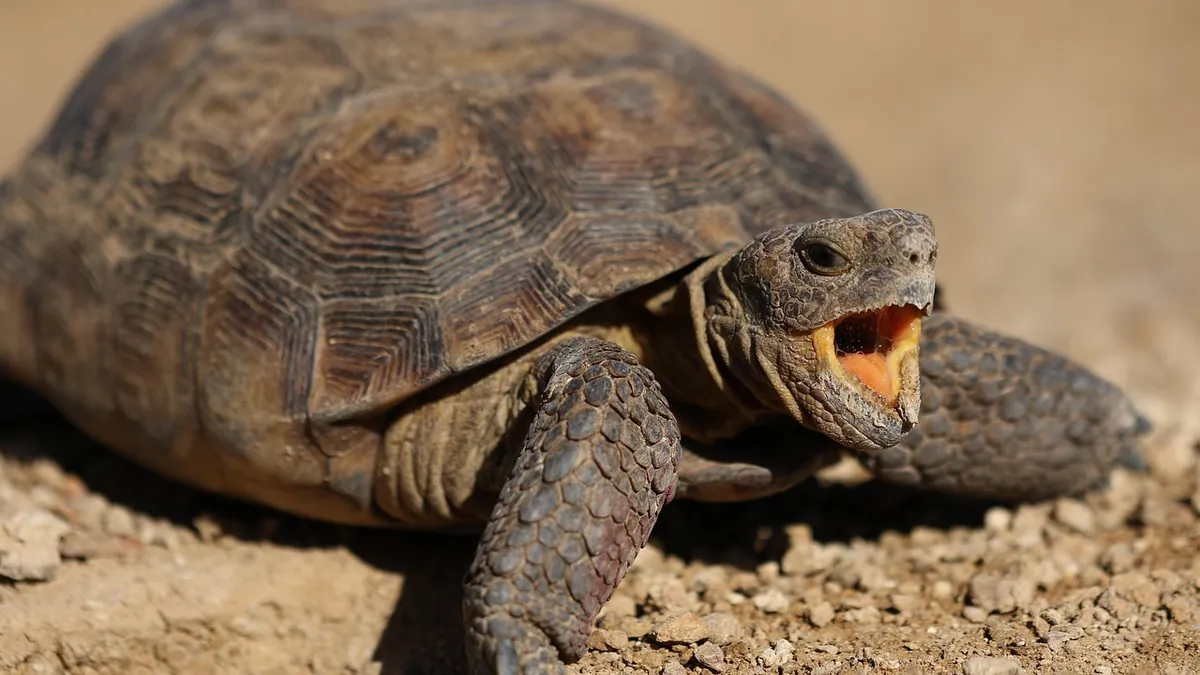
A wheezing tortoise or turtle is usually moving air through swollen or mucus-filled airways, and in reptiles that most often points to a respiratory infection. It can also come from stress, low temperatures, dust, or a piece of stuck shed, so the sound alone does not tell you the cause. If your tortoise is wheezing along with a runny nose, open-mouth breathing, or going off food, treat it as a medical problem and call an exotics veterinarian.
This article is educational and is not a substitute for veterinary diagnosis or treatment.
Quick Answer
- Wheezing, whistling, or clicking when your tortoise breathes is not normal and should be checked by a veterinarian who treats reptiles.
- The most common cause is a respiratory infection, which can be bacterial, viral, or mixed, and it can spread to other reptiles in your collection.
- Cold temperatures, poor humidity, dusty bedding, and stress make infection more likely, so fix the habitat while you arrange the visit.
- A tortoise that is open-mouth breathing, bubbling at the nose, or refusing food needs urgent care, often the same day.
- Do not use leftover antibiotics, human cold medicine, or essential oils. Reptile drug doses are calculated by weight and species, and the wrong dose can be fatal.
What Wheezing Looks Like and What Normal Breathing Sounds Like
A healthy tortoise or turtle breathes quietly. You should not hear whistling, clicking, gurgling, or a wet rattle from across the room. Many species also move their throat or front legs in a gentle pumping motion, and that is normal. What matters is whether the sound is new, whether it happens at rest, and whether it comes with other signs.
Wheezing in a tortoise can sound like a soft whistle, a squeak, or a raspy hiss on the exhale. Some owners describe it as a wheeze, others as a click. A turtle wheezing often sounds similar, and it may be easier to hear when the animal is out of water. In one case report, a ball python with a reptile-associated nidovirus showed increased oral mucus, wheezing, and audible breathing along with weight loss [1]. That pattern, a noise plus mucus plus weight loss, is the kind of combination that points to real lung disease.
Watch for these signs alongside the sound:
- Bubbles or crust at the nostrils
- Sticky or stringy mucus in the mouth
- Open-mouth breathing or a stretched neck
- Head tilting, yawning, or repeated swallowing
- Floating lopsided in water turtles
- Refusing food or losing weight
- Lethargy, staying buried, or avoiding the basking spot
Why Is My Tortoise Wheezing? The Main Causes
Respiratory disease in captive reptiles is often linked to husbandry problems like inadequate temperatures, poor nutrition, and poor hygiene [2]. Those conditions weaken the animal and let bacteria or viruses take hold. Here are the causes veterinarians consider first.
| Cause | Typical clues | How urgent |
|---|---|---|
| Bacterial respiratory infection | Nasal discharge, wheeze, lethargy, reduced appetite | Urgent, same day to 48 hours |
| Viral infection (including nidovirus) | Mucus, audible breathing, weight loss, often in groups | Urgent, same day |
| Mycoplasma infection | Chronic wheeze, nasal discharge, recurrent signs | Urgent, needs testing |
| Low temperature or wrong humidity | Signs appear after a cold snap or cage change | Fix habitat now, vet if signs persist past a day |
| Dust, mold, or bedding irritants | Wheeze starts after substrate change, no mucus | Remove irritant, vet if it continues |
| Stuck shed or a foreign body in the nose | One-sided whistle, visible debris | Vet visit soon |
| Stress or handling | Brief hiss or puff, settles quickly | Monitor at home |
| Mass or internal disease | Weight loss, swelling, appetite change | Vet visit soon |
Bacterial and Mycoplasma Infections
Mycoplasmas are an important cause of respiratory disease in tortoises [3][4]. These bacteria can cause long-term, smoldering infections with wheezing, nasal discharge, and repeated flare-ups. Diagnosis usually needs a swab and a lab test, because the signs look like other infections. Bacterial pneumonia is also common in captive reptiles, and the bacteria involved can act as primary pathogens or make existing disease worse [2]. In one study of ball pythons with pneumonia, the most frequently isolated bacterium was Chryseobacterium indologenes, found in 3 of 12 samples (25%), followed by E. coli and Staphylococcus epidermidis [2]. Those specific bacteria were found in snakes, but the lesson applies to reptiles generally, which is that many different organisms can be involved and testing matters.
Viral Infections
Reptile-associated nidoviruses, also called serpentoviruses, cause proliferative interstitial pneumonia in pythons and other reptile species [1]. In the reported ball python, the signs were increased oral mucus, wheezing, and audible breathing with weight loss [1]. Viral respiratory disease can also open the door to secondary bacterial infection, and co-infections are common. In one group of snakes with mycoplasma, testing also found serpentoviruses in 9 of 15 animals (60%) and Chlamydia in 2 of 15 (13%) [4]. That is why a veterinarian may test for more than one organism at once.
Environment and Husbandry
Most reptile respiratory cases have a husbandry component. If the enclosure is too cool, the immune system works poorly and mucus sits in the airways. If humidity is too low, the lining of the nose and lungs dries out and cracks. If humidity is too high with poor ventilation, mold and bacteria build up. Dusty substrate, cedar or pine shavings, and dirty water all add irritation. Correcting these problems is part of treatment, not an optional extra.
Other Reasons a Tortoise or Turtle Wheezes
Not every noise is infection. A tortoise that hisses when you pick it up is startled, not sick. A turtle wheezing once after a tank cleaning may have inhaled dust. A one-sided whistle can be a piece of shed skin or a seed husk in the nostril. These causes still deserve attention, because a blocked nose can become an infected one. If the noise stops within a few hours and the animal eats, basks, and behaves normally, watch closely for the next day or two. If it returns or comes with any discharge, book a visit.
For a broader look at how these infections behave across species, see Reptile Respiratory Infections: Causes, Symptoms, and Treatment. If you keep water turtles, Red-Eared Slider Turtle Care: Respiratory Infection Symptoms & Antibiotic Protocol covers tank setup and treatment basics. Bird owners hearing similar sounds should read Why Is My Bird Tail Bobbing? Breathing Warning Signs, since tail bobbing means the same thing in birds that open-mouth breathing means in reptiles.
Red Flags That Mean Emergency Care Now
Call an emergency or exotics clinic immediately if you see any of these:
- Open-mouth breathing at rest, with the neck stretched out
- Bubbles, foam, or blood at the nose or mouth
- Gasping, or the head and neck pumping hard
- A turtle floating tilted or unable to stay level in water
- Complete refusal of food for more than a few days
- Collapse, unresponsiveness, or a soft, sunken shell
- Rapid weight loss or a sudden drop in activity
Reptiles hide illness well, so by the time breathing looks labored, the disease is often advanced. Waiting a week to "see if it improves" is the most common mistake owners make. A tortoise that cannot breathe comfortably cannot eat, bask, or heal.
Safe Things You Can Do at Home While You Wait
You cannot cure a respiratory infection at home, but you can keep your pet stable until the appointment.
- Raise the temperature in the enclosure to the upper end of the correct range for your species, and keep it steady day and night.
- Keep humidity in the right band for your species, and improve ventilation so the air is not stale.
- Remove dusty substrate and replace it with a safe, low-dust option.
- Clean the water bowl daily and remove spoiled food.
- Keep the tortoise quiet and limit handling to what is needed for soaking and cleaning.
- Isolate the sick animal from any other reptiles, and wash your hands and use separate tools between enclosures.
- Offer favorite foods, but do not force-feed.
- Write down what you see (when the noise started, what it sounds like, appetite, stools, weight if you can measure it) so the vet has a clear timeline.
Do not give any medication on your own. Do not use antibiotics left over from another pet, and do not use essential oils or herbal extracts. Some plant oils do show antibacterial activity in lab tests against bacteria from reptiles with respiratory infections [2], but that is lab work, not a treatment plan, and oils can poison reptiles. Your veterinarian will calculate the correct drug and dose from your pet's weight and health.
What Your Veterinarian Will Check and Test
The visit starts with a full history, including temperatures, humidity, diet, and any new reptiles. Then the vet examines the mouth, nostrils, eyes, and lungs, and listens to breathing. Expect some of these steps:
- Weight and body condition scoring, since weight loss is a major clue [1]
- A nasal or oral swab for culture and PCR testing, which can identify bacteria like Mycoplasma [3][4]
- Blood work to check organ function, calcium, and infection markers
- Imaging such as radiographs or ultrasound to look at the lungs and body cavity
- Fecal testing and a check for parasites
Imaging and lab work matter because the signs overlap. In one tortoise, a firm mass in the body cavity was found on examination and confirmed with ultrasound, then further evaluated with CT before surgery [5]. That case involved diarrhea, anorexia, and lethargy, not wheezing, but it shows why a hands-on exam and imaging beat guessing from a single symptom.
Treatment usually includes correcting the habitat, supportive care such as warmth and fluids, and antibiotics or antivirals when the cause is identified. Antibiotic choice should be based on culture results when possible, because different bacteria respond to different drugs [2]. Never share medication between reptiles, and never stop a prescribed course early.
Prevention and Daily Monitoring
Prevention is mostly about the enclosure and the routine.
- Match the temperature gradient and humidity to your exact species, and check them with a reliable thermometer and hygrometer.
- Provide a proper basking spot and UVB lighting on a schedule.
- Use low-dust substrate and clean it regularly.
- Quarantine any new reptile for at least several weeks before introducing it to your collection.
- Wash your hands between animals and do not share bowls or tools.
- Weigh your tortoise monthly and keep a simple log.
- Watch breathing at rest, not just when you handle your pet.
- Book a wellness exam with an exotics vet when you first get the animal, so you have a baseline.
Limitations and When to Contact a Veterinarian
This article cannot tell you what is causing your tortoise's wheeze. Only a veterinarian who examines your pet can do that, and individual cases need a veterinarian's judgment.
Contact a veterinarian the same day if you notice new wheezing, nasal discharge, reduced appetite, or a change in activity. Go to an emergency clinic now if there is open-mouth breathing, gasping, bubbles at the nose, collapse, or a turtle that cannot float normally. Schedule a routine visit if the noise is occasional, your pet is eating and active, and you want a baseline check. If you are unsure which category fits, call the clinic and describe what you see. They will tell you how soon to come in.
Frequently Asked Questions
Is wheezing in a tortoise always a respiratory infection?
No, but infection is the most likely cause and the one that needs treatment. Stress, dust, low humidity, and stuck shed can also create noise. Because the signs overlap, a veterinarian should decide whether testing or treatment is needed.
Can my turtle catch a respiratory infection from my tortoise?
Respiratory pathogens can spread between reptiles, and mixed infections are common. Keep a sick animal isolated, use separate tools, and wash your hands between enclosures. Ask your veterinarian whether other reptiles in the home need testing.
Will my tortoise get better on its own?
Mild irritation from dust or a temperature dip may settle once you fix the habitat. A true infection usually gets worse without treatment, and reptiles often hide symptoms until the disease is advanced. If signs last more than a day or come with appetite loss, see a vet.
Can I use antibiotics I have at home?
No. The wrong antibiotic, the wrong dose, or the wrong duration can harm your tortoise and create resistant bacteria. Your veterinarian will pick a drug based on the suspected or confirmed organism and calculate the dose from your pet's weight and health.
How can I tell if my tortoise is having trouble breathing?
Watch for open-mouth breathing at rest, a stretched neck, bubbles at the nose, and any audible whistle or click. A turtle that floats tilted or avoids the water is also showing a breathing problem. Any of these signs means a vet visit, not a wait-and-see approach.
Related Articles
- Reptile Respiratory Infections: Causes, Symptoms, and Treatment
- Red-Eared Slider Turtle Care: Respiratory Infection Symptoms & Antibiotic Protocol
- Snake Respiratory Infection: Symptoms, Causes, Diagnosis and Veterinary Treatment
- My Tortoise Has a Runny Nose: Causes and When to Worry
- Why Is My Turtle Gasping for Air? Breathing Warning Signs
- Why Is My Turtle or Tortoise Making Noises?
References
- A case report of reptile-associated nidovirus (serpentovirus) in a ball python (Python regius) in Taiwan. The Journal of veterinary medical science, 2020.
- Antibacterial Activity of Some Essential Oils/Herbal Extracts Against Bacteria Isolated from Ball Pythons (Python regius) with Respiratory Infections. Antibiotics (Basel, Switzerland), 2025.
- Detection of Mycoplasma spp. from snakes from five different families. BMC veterinary research, 2025.
- Identifying Infectious Agents in Snakes (Boidae and Pythonidae) with and Without Respiratory Disease. Animals : an open access journal from MDPI, 2025.
- Case report: Intracoelomic neoplastic mass of undetermined origin in an Asia minor spur-thighed tortoise (Testudo graeca ibera). Frontiers in veterinary science, 2023.