Why Is My Ball Python Making a Squeaking Noise?
By Dr. Zubair Khalid, DVM, MS, PhD ·
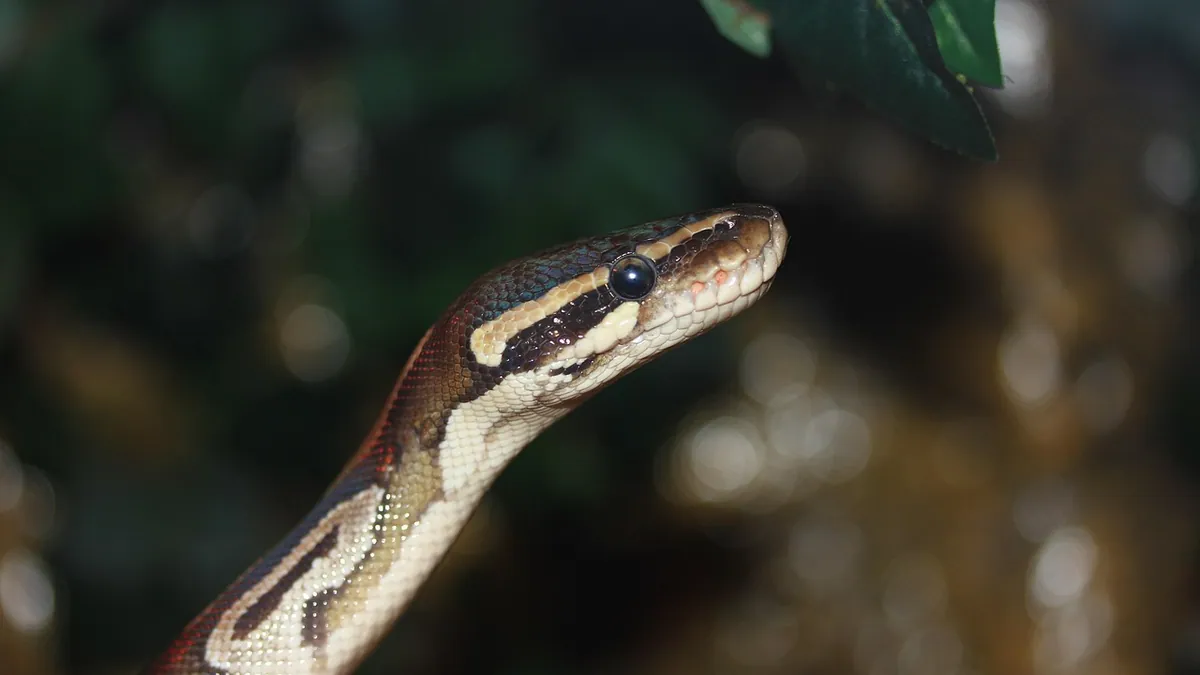
If your ball python is making a squeaking noise, the most likely cause is a respiratory problem, though a stuck piece of shed skin or a defensive hiss can sound similar. A true squeak or wheeze during breathing is not normal for this species and usually points to irritated or infected airways. Because respiratory infections in snakes can worsen quickly, a squeaking ball python should be seen by a reptile veterinarian.
This article is educational and is not a substitute for veterinary diagnosis or treatment.
Quick Answer
- A one-time hiss, puff, or click when you open the cage is usually defensive and not a breathing problem.
- A squeak, whistle, or wheeze that happens with each breath, especially at rest, suggests a respiratory infection.
- Other signs to watch for include open-mouth breathing, mucus in the mouth, bubbles at the nose, and refusing food.
- Raise humidity and check temperatures right away, but do not try to treat the infection yourself.
- Book a vet visit within a day or two, and treat open-mouth breathing or severe lethargy as an emergency.
Do Ball Pythons Make Noise?
Yes, ball pythons make noise, but the sounds are limited and specific. Most of what you hear is a hiss, which is a sharp, forceful exhale used when a snake feels threatened. You may also hear a soft puff when it is startled, or a click from the jaw. These are normal and usually happen only when you handle the snake or reach into the enclosure.
What is not normal is a squeak, whistle, or wheeze that repeats with breathing. Snakes have no vocal cords, so they cannot squeak on purpose. Any high-pitched sound tied to the breathing cycle comes from air moving through narrowed or mucus-filled airways. That is the sound owners often describe as a ball python wheezing, and it deserves attention.
What a Squeak or Wheeze Sounds Like
A respiratory squeak is usually soft and high-pitched, and it repeats in rhythm with the snake's breathing. You may hear it best when the snake is resting with its head raised, or when you hold it near your ear. Some owners notice a wet, crackling quality, or a pop at the end of each breath.
A defensive hiss is different. It is loud, forceful, and short, and it stops once the snake settles down. If your snake hisses when you open the cage and then goes quiet, that is normal behavior. If it squeaks while sitting still and doing nothing, that is a breathing sign.
Normal sounds versus warning sounds
| Sound | When it happens | What it likely means |
|---|---|---|
| Loud hiss | When handled or startled | Normal defense |
| Soft puff | Brief startle | Normal |
| Jaw click | Occasional, no distress | Usually normal |
| Squeak or whistle | With each breath, at rest | Possible respiratory infection |
| Wet crackle or pop | With breathing | Possible respiratory infection |
| Gurgle | With breathing or after eating | Possible respiratory infection |
Why Is My Ball Python Making a Squeaking Noise? Main Causes
Several conditions can cause a squeak or wheeze in a ball python. Some are mild and some are serious, and they can look alike at home. A veterinarian can tell them apart with an exam and testing.
| Cause | Typical clues | How urgent |
|---|---|---|
| Respiratory infection (bacterial) | Wheeze, mucus, open-mouth breathing, poor appetite | See a vet within 1 to 2 days |
| Viral infection (serpentovirus) | Wheezing, audible breathing, increased oral mucus, weight loss | See a vet promptly |
| Viral infection (paramyxovirus) | Wheezing, mouth opening, rapid spread among snakes | Emergency, high risk to other snakes |
| Stuck shed in the nostrils | Whistling sound, visible skin in the nose | Routine visit, often fixable at home |
| Low humidity or dehydration | Dry squeak, difficult shed, no mucus | Adjust habitat, monitor closely |
| Defensive hiss or puff | Only when handled or startled | Not urgent |
| Foreign material or injury | Sudden onset, one-sided noise, swelling | See a vet promptly |
Bacterial respiratory infections
Bacteria are a common cause of pneumonia in captive snakes, and poor husbandry, poor nutrition, and poor hygiene all raise the risk [1]. A study of ball pythons with pneumonia found several bacterial species in the lower airways, including Chryseobacterium indologenes, Staphylococcus epidermidis, Escherichia coli, and Pseudomonas aeruginosa [1]. These infections often start with mild signs and progress to heavy mucus, open-mouth breathing, and loss of appetite.
Viral respiratory infections
Serpentoviruses (reptile-associated nidoviruses) cause a serious lung disease in pythons. A young ball python with this infection showed increased oral mucus, wheezing, and audible breathing along with weight loss, and examination found large amounts of mucus and proliferative interstitial pneumonia [2]. This virus has been found in snakes in the United States and other regions, so it is a real concern for pet pythons [2].
Paramyxovirus is another viral threat. In one outbreak, newly introduced snakes that looked healthy began showing respiratory signs such as mouth opening and wheezing, and many died within about a month and a half despite antibiotic treatment [3]. The infection then spread to snakes in contact with them [3]. This is why quarantine matters so much.
Mixed infections
Respiratory disease in snakes is often complex, meaning more than one germ is involved at the same time. In a study of pythons and boas, all 15 snakes tested positive for mycoplasma, 9 of 15 tested positive for serpentoviruses, and 2 of 15 tested positive for Chlamydia species [4]. Some snakes carried these germs without showing signs, which makes testing important [4]. If your snake is squeaking, a single cause may not explain everything.
Stuck shed and other non-infectious causes
A piece of unshed skin lodged in the nostrils can create a whistle or squeak that sounds alarming but is not an infection. Low humidity is a common trigger because it makes shedding incomplete. Check the nose for a thin film of skin or a visible plug. Do not pick at it roughly. If it does not come loose with a warm soak and a humidity boost, let your vet remove it.
Red Flags That Make It an Emergency
Some signs mean your snake needs care right now, not next week. Watch for these.
- Open-mouth breathing while resting
- Bubbles or foam at the nostrils or mouth
- Thick mucus or stringy saliva in the mouth
- Wheezing that gets louder or more frequent over hours
- Refusing food for more than a normal fasting period
- Lethargy, weakness, or a snake that will not right itself
- Any of these signs in a snake that recently arrived from another home or show
Open-mouth breathing is especially serious because it means the snake cannot get enough air through its nose. If you see it, call a reptile veterinarian or an emergency clinic right away. For more detail on what these signs mean together, see Ball Python Respiratory Infections: Symptoms, Humidity Control, and Veterinary Care.
Safe Things You Can Do at Home While Waiting
You cannot cure a respiratory infection at home, but you can make your snake more comfortable and reduce the chance of it getting worse before the vet visit.
Check and fix the habitat
- Confirm the warm side of the enclosure is in the correct range for ball pythons and that the cool side is not too cold.
- Raise humidity if the air is dry. A humid hide with damp (not soaking) sphagnum moss helps.
- Remove soiled bedding and clean the water bowl daily.
- Keep the enclosure quiet and avoid unnecessary handling.
Support hydration and eating
- Offer fresh water in a shallow bowl the snake can soak in.
- Do not force feed. If your snake refuses food, note the date and tell your vet.
- Skip handling except for cage cleaning and vet transport.
Isolate if you have other reptiles
- Move the affected snake to a separate room if possible.
- Use separate tools, bowls, and gloves for each enclosure.
- Wash your hands between animals. Viral infections can spread between snakes in the same collection [3].
What not to do
- Do not give human medications, antibiotics, or leftover reptile drugs.
- Do not use essential oils or herbal products on your snake. Some plant extracts have been tested against bacteria from ball pythons with respiratory infections, but this is laboratory research, not a home treatment plan [1].
- Do not raise the temperature far above the normal range to "burn out" an infection. That can cause overheating and death.
If you keep other small pets and are comparing breathing sounds across species, our guide on a Guinea Pig Squeaking Noise explains how different animals signal distress.
What the Veterinarian Will Check and Test
A reptile vet will start with a full physical exam. They will listen to the snake's breathing, look inside the mouth, check the nostrils for stuck shed, and feel the body for lumps or swelling. They will also ask about temperatures, humidity, recent purchases, and any other reptiles in the home.
Testing often includes an oral swab to look for bacteria, mycoplasma, and viruses [4]. Polymerase chain reaction (PCR) testing can detect serpentoviruses from respiratory samples, and this method has been used to confirm infection in ball pythons [2]. In one study, PCR and third-generation sequencing together identified mycoplasmas, serpentoviruses, Chlamydia species, and many bacterial species from oral swabs [4]. Your vet may also recommend imaging to look at the lungs.
Treatment depends on the cause. Bacterial infections usually need prescription antibiotics chosen for the specific germ, and your veterinarian will calculate the dose from your snake's weight and health. Viral infections do not respond to antibiotics, so care focuses on supportive treatment, humidity control, and treating any secondary bacterial infection. If your snake has mouth rot along with breathing signs, see Ball Python Respiratory Infection: Wheezing, Mouth Rot and Antibiotics.
Prevention and Monitoring
Good husbandry prevents many respiratory problems. Keep temperatures and humidity in the correct range for ball pythons, clean the enclosure on a schedule, and replace soiled bedding promptly. Poor husbandry and hygiene are major risk factors for pneumonia in captive reptiles [1].
Quarantine every new snake for at least several weeks before it meets your other reptiles. In one outbreak, newly introduced snakes that showed no signs of illness triggered respiratory disease and deaths in a previously healthy collection [3]. A strict quarantine is one of the simplest ways to protect the snakes you already have.
Monitor your snake's breathing during normal handling. Learn what its calm breathing sounds like so you notice a change early. Weigh your snake monthly if you can, because weight loss along with wheezing is a warning pattern seen in serious viral infections [2].
If you have dogs or cats with breathing or coughing issues, the same rule applies, get them checked. Our articles on Why Is My Dog Coughing And Gagging Randomly and Why Is My Dog Coughing And Honking cover similar warning signs in dogs.
Limitations and When to Contact a Veterinarian
This article cannot diagnose your snake. Only a veterinarian who examines your ball python can determine why it is squeaking and what treatment it needs.
Contact a reptile veterinarian the same day if you notice a squeak or wheeze that repeats with breathing, mild mucus, a missed meal, or a recent change in habitat. Go to an emergency clinic now if you see open-mouth breathing, bubbles or foam at the nose, severe lethargy, or a snake that cannot hold its head up. Schedule a routine visit if the sound only happens once in a while and your snake is eating and acting normally, but do not wait more than a few days to have it checked.
Frequently Asked Questions
Can a ball python squeak when it is happy?
No. Snakes have no vocal cords and do not make happy sounds. A squeak during breathing usually means air is passing through narrowed or mucus-filled airways, which points to a respiratory problem.
Is a squeaking ball python always sick?
Not always. A piece of stuck shed in the nostrils can cause a whistle that sounds like a squeak, and a brief puff when startled is normal. If the sound repeats with breathing at rest, assume it is a health problem until a vet says otherwise.
Can I treat a ball python respiratory infection at home?
No. Bacterial infections need prescription antibiotics, and viral infections need supportive care. Home remedies and leftover medications can harm your snake, so see a reptile vet for an exam and testing.
How fast can a respiratory infection get worse?
It can move quickly. In one outbreak, snakes that looked healthy at first developed wheezing and mouth opening and died within about a month and a half despite antibiotic treatment [3]. Early veterinary care gives your snake the best chance.
Should I quarantine a new ball python that squeaks?
Yes. Keep any new snake in a separate room with its own tools and bowls for several weeks. Newly introduced snakes without obvious signs have triggered serious respiratory disease in healthy collections, so quarantine protects every snake in your home [3].
Related Articles
- Ball Python Respiratory Infections: Symptoms, Humidity Control, and Veterinary Care
- Ball Python Respiratory Infection: Wheezing, Mouth Rot and Antibiotics
- Why Is My Ball Python Hissing? What It Means and What to Do
- Why Is My Ball Python Drooling? Causes and Red Flags
- Why Is My Ball Python Opening Its Mouth? Causes
References
- Antibacterial Activity of Some Essential Oils/Herbal Extracts Against Bacteria Isolated from Ball Pythons (Python regius) with Respiratory Infections. Antibiotics (Basel, Switzerland), 2025.
- A case report of reptile-associated nidovirus (serpentovirus) in a ball python (Python regius) in Taiwan. The Journal of veterinary medical science, 2020.
- First recorded case of paramyxovirus infection introduced into a healthy snake collection in Croatia. BMC veterinary research, 2017.
- Identifying Infectious Agents in Snakes (Boidae and Pythonidae) with and Without Respiratory Disease. Animals : an open access journal from MDPI, 2025.