Why Does My Bearded Dragon Make a Popping Noise?
By Dr. Zubair Khalid, DVM, MS, PhD ·
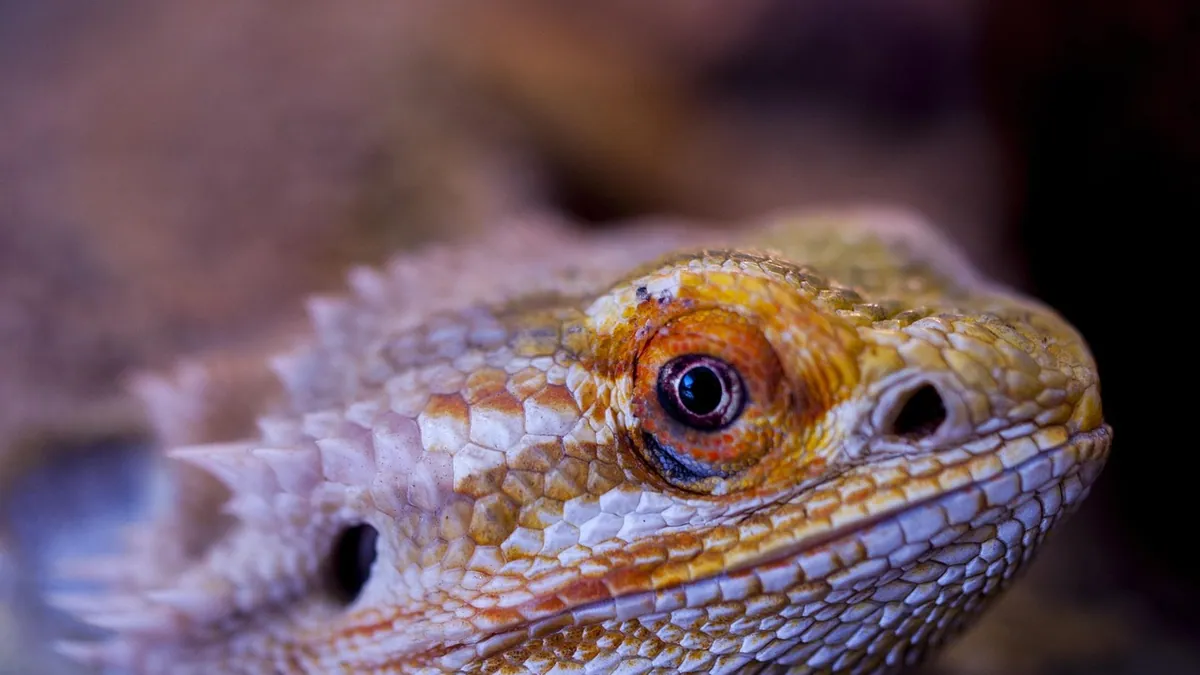
A popping or clicking sound from your bearded dragon is usually air moving through the mouth or nose, and it can be completely normal. It can also be an early sign of a respiratory infection, which is common in bearded dragons kept in the wrong temperature or humidity. This article helps you tell the difference so you know whether to watch your pet or call a vet.
This article is educational and is not a substitute for veterinary diagnosis or treatment.
Quick Answer
- Occasional clicks or pops with no other symptoms are often just normal breathing, swallowing, or a small piece of shed skin near the nose.
- Popping that comes with open-mouth breathing, mucus, wheezing, or neck stretching points to a respiratory problem and needs a vet visit.
- Bearded dragons do make noise, but they are quiet animals. Frequent or loud sounds are not normal and should be checked.
- Check your temperatures and humidity first, because cold or damp housing makes respiratory disease worse.
- Do not give any medication on your own. A veterinarian calculates the right drug and dose based on your dragon's weight and health.
What the Sound Actually Is
Normal breathing sounds
Bearded dragons are mostly silent. They hiss when threatened, and they may make small clicking or popping sounds when they breathe, swallow, or clear their nostrils. A single pop now and then, especially after eating or during a shed, is usually nothing to worry about.
When it stops being normal
The sound becomes a concern when it repeats, when it is loud enough to hear across the room, or when it shows up with other signs. A dragon that pops while breathing with its mouth open is not just making a casual noise. That pattern suggests the airway is irritated or partly blocked.
Do bearded dragons make noise?
Yes, but not much. Hissing, huffing, and the occasional pop are the main sounds owners report. If you are asking do bearded dragons make any noise at all, the answer is a quiet yes. If you are asking whether constant popping is normal, the answer is no.
Why Does My Bearded Dragon Make a Popping Noise? The Main Causes
| Cause | Typical clues | How urgent |
|---|---|---|
| Normal breathing or shedding | Occasional pop, no other signs, normal appetite and activity | Monitor at home |
| Respiratory infection (bacterial or mycoplasma) | Open-mouth breathing, mucus, wheezing, neck extension, lethargy, not eating | See a vet within 24 hours |
| Poor husbandry (too cold, too damp, dusty bedding) | Sound appears after a cage or weather change, dragon is sluggish | Fix housing now, vet if signs persist |
| Stuck shed or a foreign object in the nose | One-sided noise, pawing at the face, visible debris | Vet if it does not clear in a day |
| Early systemic illness | Popping plus weight loss, poor body condition, weakness | Same-day vet visit |
Respiratory infection
This is the cause most owners worry about, and for good reason. A study of 33 young bearded dragons in a research colony found that a bacterium called Mycoplasma pogonae caused pneumonia in 5 of 6 dragons that died, with signs that included open-mouth breathing, neck extension, dehydration, and sudden death [1]. Those signs are the ones to watch for alongside popping.
Respiratory disease is not limited to one germ. In pythons, a related group of viruses called serpentoviruses causes proliferative interstitial pneumonia with audible breathing and increased oral mucus [2]. The lesson for bearded dragon owners is the same. Noisy breathing is a real symptom, not a quirk.
Husbandry problems
Cold temperatures slow a reptile's immune system. Damp substrate and poor ventilation let bacteria and mold build up in the lungs. If your dragon started popping after a cold snap, a broken heat lamp, or a tank cleaning with a wet substrate, housing is the first thing to check.
Stuck shed and nasal debris
Bearded dragons shed in patches, and small flakes can sit inside the nostril. That can create a whistle or pop on one side. Look closely at both nostrils. If you see dry skin or debris, a warm soak and gentle humidity often help it loosen. Never pick at it with tweezers.
Other health problems
Popping is not specific to the lungs. A dragon that is unwell for other reasons may breathe differently. A case report described a 7-year-old male bearded dragon with a liver tumor found during a routine exam, and the only blood changes were mild [3]. Another report described a 3-year-old male with leukemia who was eating poorly and had abnormal liver values [4]. These cases show that subtle signs in bearded dragons can reflect serious internal disease.
Red Flags That Mean Emergency
Call an emergency clinic right away if you see any of these:
- Open-mouth breathing while resting, not just after basking
- Bubbles, foam, or stringy mucus from the mouth or nose
- Neck stretched upward for long periods, which owners often describe as star gazing
- Wheezing, gasping, or a popping sound on every breath
- Lethargy or complete refusal to eat
- Weight loss or a thin, bony appearance
- Sudden collapse or unresponsiveness
Lethargy and anorexia are not minor complaints in this species. A study of 242 bearded dragons seen for emergency care found that 45 percent presented with lethargy and 40 percent with anorexia, and both signs were linked to a lower chance of surviving to discharge [5]. Poor body condition was linked to an even worse outcome [5]. If your dragon is quiet, popping, and not eating, treat it as urgent.
Safe Things You Can Do at Home While You Wait
Check your temperatures
Use a digital thermometer with a probe. Measure the basking spot, the warm side, and the cool side. If any reading is off, correct it before anything else. A dragon that cannot warm up cannot fight infection well.
Reduce humidity and improve airflow
Damp, stagnant air irritates the airway. Remove wet substrate, clean the tank, and make sure the screen top is not blocked. Do not mist the enclosure while your dragon is having breathing trouble.
Keep handling calm
Stress makes breathing worse. Limit handling to quick health checks. Keep the room quiet and the lights on a normal day and night cycle.
Offer easy food and water
A sick dragon may not hunt. Offer small, easy prey items and a shallow water dish. Do not force food or water into the mouth, because that can cause choking or aspiration.
Do not use leftover medications
Never give antibiotics, dewormers, or any other drug without veterinary guidance. Reptile doses depend on species, weight, and body condition. A veterinarian calculates the dose from your pet's weight and health, and the wrong drug can be harmful.
Track what you see
Write down when the popping happens, how often, and what else you notice. Note appetite, droppings, and activity. That record helps your vet a lot. If your dragon also stops passing stool, read about Bearded Dragon Impaction: Signs, Causes, and Veterinary Care. If its beard has turned dark, see Bearded Dragon Black Beard: What It Means and When to Worry.
What Your Veterinarian Will Check and Test
History and physical exam
Your vet will ask about temperatures, diet, substrate, and how long the noise has been going on. The exam includes listening to the lungs, checking the mouth and nostrils, feeling the body for masses, and weighing your dragon. Weight trends matter more than a single number.
Diagnostics
Depending on findings, your vet may recommend:
- Blood work to check organ values and cell counts
- Radiographs to look at the lungs and body cavity
- Ultrasound if a mass or fluid is suspected
- A swab or wash of the airway to look for bacteria or viruses
- Fecal testing for parasites
Imaging is often how unexpected problems are found. In the liver tumor case, the mass was first noticed as a vague shadow on a routine exam before surgery confirmed the diagnosis [3].
Treatment
Treatment depends on the cause. Bacterial pneumonia usually needs antibiotics chosen by your vet. Supportive care may include fluids, warmth, and nutrition. Some cases need oxygen or nebulization. If your dragon is diagnosed with a serious illness, your vet will talk with you about prognosis. Emergency studies show that survival varies widely, with about 58 percent of bearded dragons in one emergency population surviving to discharge [5]. That number is a general figure, not a prediction for your pet.
Prevention and Monitoring
Get the setup right
Correct temperatures, a proper basking gradient, low humidity, and good ventilation prevent most respiratory problems. Clean the enclosure regularly and replace soiled substrate.
Quarantine new reptiles
Mycoplasma pogonae spread through a group of young dragons in one colony and caused sudden deaths [1]. If you bring home a new reptile, keep it in a separate room for at least a few weeks and wash your hands between tanks.
Weigh your dragon monthly
A kitchen scale works well. Losing weight is one of the earliest signs of illness, and poor body condition is linked to worse outcomes in emergency cases [5].
Watch for subtle changes
Bearded dragons hide illness well. A dragon with leukemia was normal at a routine exam 10 months before it became acutely ill [4]. Small changes in appetite, activity, or breathing deserve attention.
Know your baseline sounds
Spend a few minutes each week just watching your dragon breathe. Once you know its normal, you will notice a pop or click much sooner.
Limitations and When to Contact a Veterinarian
This article cannot tell you what is wrong with your individual dragon. Only a veterinarian who examines your pet can do that, and individual cases always need professional evaluation.
Contact a veterinarian the same day if your dragon has new popping plus reduced appetite, mild lethargy, or a change in droppings.
Go to an emergency clinic now if you see open-mouth breathing at rest, mucus from the nose or mouth, neck stretching, gasping, collapse, or a total refusal to eat.
Schedule a routine visit if the popping is occasional but you are unsure, if your dragon has not had a checkup in over a year, or if you want help fine-tuning temperatures and humidity.
Frequently Asked Questions
Is a popping noise always a sign of infection?
No. A single pop during breathing, swallowing, or shedding is common and harmless. Infection is more likely when the sound repeats, gets louder, or comes with open-mouth breathing, mucus, or a drop in appetite.
Can I treat a respiratory infection at home?
No. Respiratory infections in reptiles need the right drug at the right dose, and that depends on your dragon's weight and health. Warmth and clean housing support recovery, but they do not replace veterinary treatment.
How fast can a bearded dragon get sick?
Some dragons decline quickly. In one group of young bearded dragons, several died suddenly after showing dehydration, lethargy, and open-mouth breathing [1]. Do not wait a week to see if a breathing change improves.
Should I turn up the heat if my dragon is popping?
Raise the temperature only to the correct range for a bearded dragon, not higher. Overheating causes its own problems. Fix any cold spots and keep the basking area accurate, then call your vet if the noise continues.
Does popping mean my dragon is in pain?
Not by itself. The sound reflects airflow, not pain. Pain is more likely if your dragon is hiding, refusing food, holding its body oddly, or reacting when touched. Any of those signs deserves a veterinary exam.
Related Articles
- Bearded Dragon Impaction: Signs, Causes, and Veterinary Care
- Bearded Dragon Black Beard: What It Means and When to Worry
- Why Is My Ball Python Making a Squeaking Noise?
- Why Does My Bearded Dragon Yawn? Normal vs Warning Signs
- Why Is My Bearded Dragon Opening Its Mouth While Basking?
References
- Molecular Characterization and Clinicopathological Findings of Mycoplasma pogonae Infection in Captive Central Bearded Dragons (Pogona vitticeps). Animals : an open access journal from MDPI, 2025.
- A case report of reptile-associated nidovirus (serpentovirus) in a ball python (Python regius) in Taiwan. The Journal of veterinary medical science, 2020.
- Cholangiocarcinoma in a central bearded dragon (Pogona vitticeps): A case report. Australian veterinary journal, 2026.
- Systemic CD3+ T-Cell Lymphoblastic Leukemia in a Bearded Dragon (Pogona vitticeps): Clinical, Therapeutic, and Pathological Findings. Animals : an open access journal from MDPI, 2025.
- Bearded dragons (Pogona vitticeps) presenting for emergency evaluation with lethargy and anorexia are less likely to survive to discharge. American journal of veterinary research, 2026.