Why Is My Turtle Gasping for Air? Breathing Warning Signs
By Dr. Zubair Khalid, DVM, MS, PhD ·
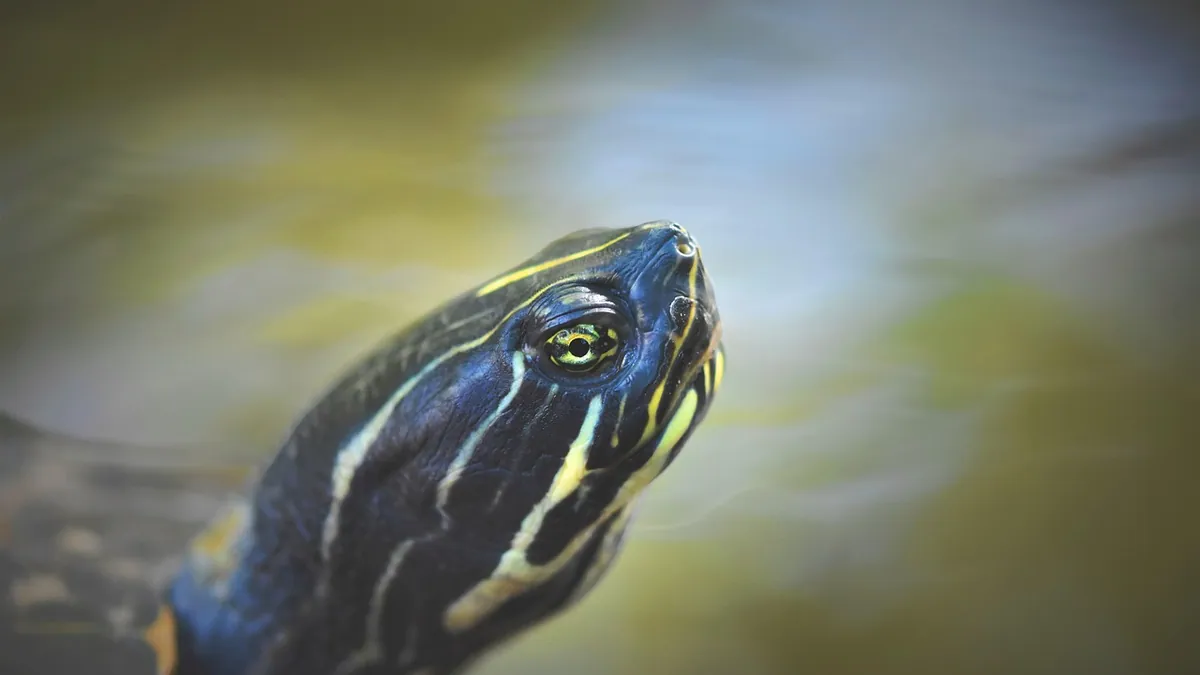
Why is my turtle gasping for air? In many cases, a turtle that opens its mouth wide while basking is simply stretching its throat to breathe or thermoregulate, which is normal. But gasping that comes with bubbles, mucus, a tilted head, or a turtle that cannot lift its head is a warning sign of pneumonia, drowning, or overheating and needs urgent reptile vet care. This article is educational and is not a substitute for veterinary diagnosis or treatment.
Quick Answer
- A brief open-mouth stretch during basking, with clear nostrils and normal swimming, is usually normal.
- Gasping that lasts more than a few seconds, repeats often, or happens while swimming is not normal.
- Mucus, bubbles, wheezing, a lopsided head tilt, or a swollen neck point toward a respiratory infection.
- A turtle found floating sideways, sinking oddly, or limp after a tank accident may be drowning and needs emergency care.
- Move the turtle to a warm, quiet, shallow-water setup and call an exotic or reptile veterinarian the same day.
What Gasping Looks Like and What Is Normal
Turtles do not breathe the way mammals do. They use rib and body muscles to pull air into the lungs, and many species can also absorb some oxygen and release carbon dioxide through the lining of the mouth, throat, and cloaca. This is called buccal pumping, and it is one reason a healthy turtle may sit with its mouth slightly open.
Normal open-mouth behavior includes:
- A slow, wide yawn-like stretch while basking under a heat lamp.
- A brief gulp of air at the water surface before diving.
- A relaxed jaw while resting on a dock, with no noise, bubbles, or mucus.
- A quick mouth opening when the turtle is startled or defensive.
Sea turtles show how well reptiles handle low oxygen. Their cells respond to hypoxia by tuning antioxidant pathways and keeping mitochondria working instead of relying on glycolysis [1]. That does not mean your pet turtle can survive a respiratory infection, but it does explain why reptiles can look calm while their oxygen supply is quietly dropping.
The sensation of needing air is powerful. Air hunger is a primal urge to breathe that triggers anxiety, fear, and distress, and it is the most unpleasant part of breathing difficulty in clinical patients [2]. A turtle that is truly gasping is not comfortable, even if it looks still.
Why Is My Turtle Gasping for Air? Main Causes
| Cause | Typical clues | How urgent |
|---|---|---|
| Normal basking stretch | Brief, no mucus, normal appetite, normal swimming | Monitor at home |
| Respiratory infection or pneumonia | Open-mouth breathing, bubbles, mucus, wheeze, neck swelling, lethargy, floating tilted | Same-day vet visit |
| Drowning or near-drowning | Found in water, limp, no response, fluid from mouth, floating wrong | Emergency now |
| Overheating | Gasping with hot enclosure, open mouth, restless, hot shell | Emergency now |
| Air hunger from poor water or low oxygen | Gasping at surface, gasping after tank cleaning, no mucus | Same-day vet visit |
| Obstruction or mass in the airway | Noisy breathing, repeated gulping, trouble swallowing | Same-day vet visit |
Respiratory Infection and Pneumonia
Turtle respiratory infection is one of the most common reasons a turtle gasps. Bacteria such as Mycoplasma species are known respiratory pathogens in tortoises, and respiratory disease in reptiles is often mixed, meaning more than one infectious agent can be involved at the same time [3]. In snakes, testing has found mycoplasmas, serpentoviruses, and Chlamydia together in the same animals, which shows how complex reptile respiratory disease can be [3].
Signs that point to infection include:
- Open-mouth breathing that happens on land and in water.
- Bubbles or foam at the nostrils or mouth.
- Mucus strands in the mouth or throat.
- A wheeze, click, or squeak when breathing.
- A swollen or puffy neck.
- Floating tilted to one side or unable to dive.
- Loss of appetite and reduced activity.
A turtle with pneumonia may also stretch its neck forward and pump its throat hard, which owners often describe as gasping. This is the turtle working to move air.
Drowning and Near-Drowning
Turtles are strong swimmers, but they can drown in a tank with steep sides, a deep water section, or a filter intake that traps them. A near-drowning turtle may gasp, cough, or blow fluid from the mouth and nose. It may be limp, unresponsive, or unable to hold its head up.
If you find your turtle floating sideways, sinking, or not moving after a water accident, treat it as an emergency. Keep the head lower than the body if fluid is draining, keep the turtle warm, and get to a vet immediately.
Overheating
A turtle that cannot escape a hot basking spot or a hot car can overheat fast. Gasping, open-mouth breathing, restlessness, and a hot shell are warning signs. Move the turtle to a shaded area at room temperature and offer shallow water, then call your vet.
Air Hunger From Poor Water Quality or Low Oxygen
Air hunger is driven by a failure to meet the body's gas exchange needs, and it can be triggered by hypoxia, high carbon dioxide, exercise, or acidosis [2]. In a home tank, poor water quality, a broken filter, or a crowded setup can reduce oxygen and raise waste products. A turtle that gasps at the surface after a water change or filter failure may be responding to low oxygen in the water.
Airway Obstruction or Mass
Less common but serious, a growth or foreign object in the mouth, throat, or airway can cause noisy, gasping breathing. In one bird case, a mass around the glottis and inside the trachea caused severe breathing difficulty and a large amount of mucus in the throat [4]. Reptiles can develop similar problems, so any turtle with a changed voice, repeated gulping, or trouble swallowing needs a veterinary exam.
Red Flags That Make It an Emergency
Call an emergency exotic vet or reptile vet now if you see any of these:
- The turtle cannot lift its head or hold it up.
- Breathing is open-mouth and continuous, not just a quick stretch.
- The turtle is limp, unresponsive, or has no blink reflex.
- Fluid, foam, or blood comes from the mouth or nose.
- The turtle floats sideways, sinks, or cannot stay upright.
- The turtle was found in water and is not breathing normally.
- The enclosure was overheated or the turtle was left in a hot car.
- The turtle has stopped eating and is losing weight.
- The turtle has a swollen neck or a visible mass in the mouth.
Do not wait to see if it improves overnight. Reptiles often hide illness until they are very sick, and a turtle that is gasping may already be in respiratory distress.
Safe Things You Can Do at Home While Waiting
While you arrange a vet visit, keep your turtle calm and warm. Do not force food, water, or medication.
- Move the turtle to a quiet, dim area away from other pets and children.
- Keep the enclosure at the low end of its normal temperature range, not hot.
- Use shallow water, just deep enough to cover the plastron, so the turtle can rest its head without swimming.
- Keep the water clean and the filter running if the turtle stays in the tank.
- Do not handle the turtle more than needed. Stress makes breathing harder.
- Do not put the turtle in a hot basking spot to "dry out" a respiratory infection.
- Do not give any medication, including antibiotics, without a vet. The dose depends on the species, weight, and health status, and your veterinarian will calculate it.
- Take photos or a short video of the gasping so the vet can see the pattern.
If you are not sure whether the behavior is normal, a same-day call to a reptile vet is reasonable. If the turtle is limp or not breathing, go to an emergency clinic.
What the Veterinarian Will Check and Test
Your vet will start with a full history, including water temperature, basking temperature, tank size, filter setup, diet, and how long the gasping has been happening. Then they will do a physical exam.
Common steps include:
- Listening to the lungs and airway with a stethoscope.
- Checking the mouth, throat, and nostrils for mucus, bubbles, or masses.
- Weighing the turtle and checking body condition.
- Testing water quality if you bring a sample.
- Taking swabs of the mouth or nose for PCR testing. In snakes, PCR and third-generation sequencing have been used to identify mycoplasmas, serpentoviruses, Chlamydia, and many bacterial species in respiratory cases [3].
- Blood work to check organ function and infection markers.
- Imaging such as radiographs or ultrasound to look at the lungs.
- A fecal exam or other tests if parasites or gut problems are suspected.
Treatment depends on the cause. Bacterial infections usually need antibiotics, and your vet will choose the drug and dose based on the exam and test results. Supportive care may include warmth, fluids, oxygen, and nutrition support. Some turtles need hospitalization for oxygen therapy.
Prevention and Monitoring
Most respiratory problems in pet turtles come from husbandry issues. Fix the setup and you lower the risk.
- Keep water clean. Change it on a schedule and maintain the filter.
- Check water temperature and basking temperature daily with a thermometer.
- Give a dry basking area that lets the turtle get completely out of the water.
- Provide UVB lighting and replace bulbs on the schedule the manufacturer recommends.
- Feed a balanced diet for the species. A box turtle has different needs than a slider or a tortoise, so check a species-specific guide such as this Box Turtle Care Guide.
- Watch for shell problems, which can signal poor water quality or infection. See Pet Turtle Shell Rot Signs.
- Weigh your turtle monthly and write it down. Weight loss is an early warning sign.
- Quarantine any new turtle for at least 30 days before adding it to a shared tank.
- If you keep birds too, breathing changes in birds can look similar. See Why Is My Bird Tail Bobbing? Breathing Warning Signs.
If your turtle has a chronic condition, ask your vet how often to recheck. Many reptiles do best with regular weigh-ins and water testing at home.
Limitations and When to Contact a Veterinarian
This article cannot tell you whether your specific turtle is gasping from a normal stretch or from pneumonia. Only a veterinarian who examines your turtle can do that. Individual cases need a veterinarian.
Contact a veterinarian the same day if:
- The gasping has happened more than once in 24 hours.
- The turtle is eating less or acting tired.
- You see bubbles, mucus, or a wheeze.
- The turtle floats tilted or cannot dive.
- The enclosure temperature or water quality has been off.
Go to an emergency clinic now if:
- The turtle is limp, unresponsive, or not breathing.
- Fluid or foam is coming from the mouth or nose.
- The turtle was found in water and is not recovering.
- The turtle cannot lift its head.
- The turtle was overheated or left in a hot car.
Schedule a routine visit if:
- The turtle is stable but you want a husbandry review.
- You need help setting up temperatures, lighting, or water quality.
- You are not sure whether the behavior is normal.
Frequently Asked Questions
Is open-mouth breathing always a sign of infection?
No. A brief open-mouth stretch during basking or a quick gulp at the water surface can be normal. Infection is more likely when the behavior repeats, lasts, or comes with mucus, bubbles, or lethargy.
Can a turtle recover from a respiratory infection without treatment?
Some mild cases may improve with better husbandry, but pneumonia can worsen quickly and become life-threatening. A vet exam and testing are the safest way to know what you are dealing with.
Should I raise the temperature if my turtle is gasping?
Do not raise the heat. Overheating can cause gasping, and a hot enclosure makes breathing harder for a sick turtle. Keep the setup at the low end of its normal range and call your vet.
How do I know if my turtle is drowning?
A drowning turtle may be limp, unresponsive, or blowing fluid from the mouth and nose. It may also float sideways or sink. This is an emergency, so go to a vet immediately.
Can water quality cause gasping?
Yes. Poor water quality and low oxygen can trigger air hunger, which is a strong urge to breathe [2]. Test your water, fix the filter, and have the turtle checked if signs continue.
Related Articles
- Pet Turtle Shell Rot Signs
- Box Turtle Care Guide
- Why Is My Tortoise Wheezing? Respiratory Signs to Watch
- Why Is My Turtle or Tortoise Making Noises?
- Why Is My Turtle Floating? Causes and What to Do
References
- Hypoxia exposure fine-tunes mitochondrial function in sea turtle cells. The Journal of physiology, 2025.
- Air Hunger: A Primal Sensation and a Primary Element of Dyspnea. Comprehensive Physiology, 2021.
- Identifying Infectious Agents in Snakes (Boidae and Pythonidae) with and Without Respiratory Disease. Animals : an open access journal from MDPI, 2025.
- Laryngeal and oropharyngeal adenocarcinoma with pulmonary metastases in a common raven (Corvus corax). Tierarztliche Praxis. Ausgabe K, Kleintiere/Heimtiere, 2024.