Why Is My Bird Tail Bobbing? Breathing Warning Signs
By Dr. Zubair Khalid, DVM, MS, PhD ·
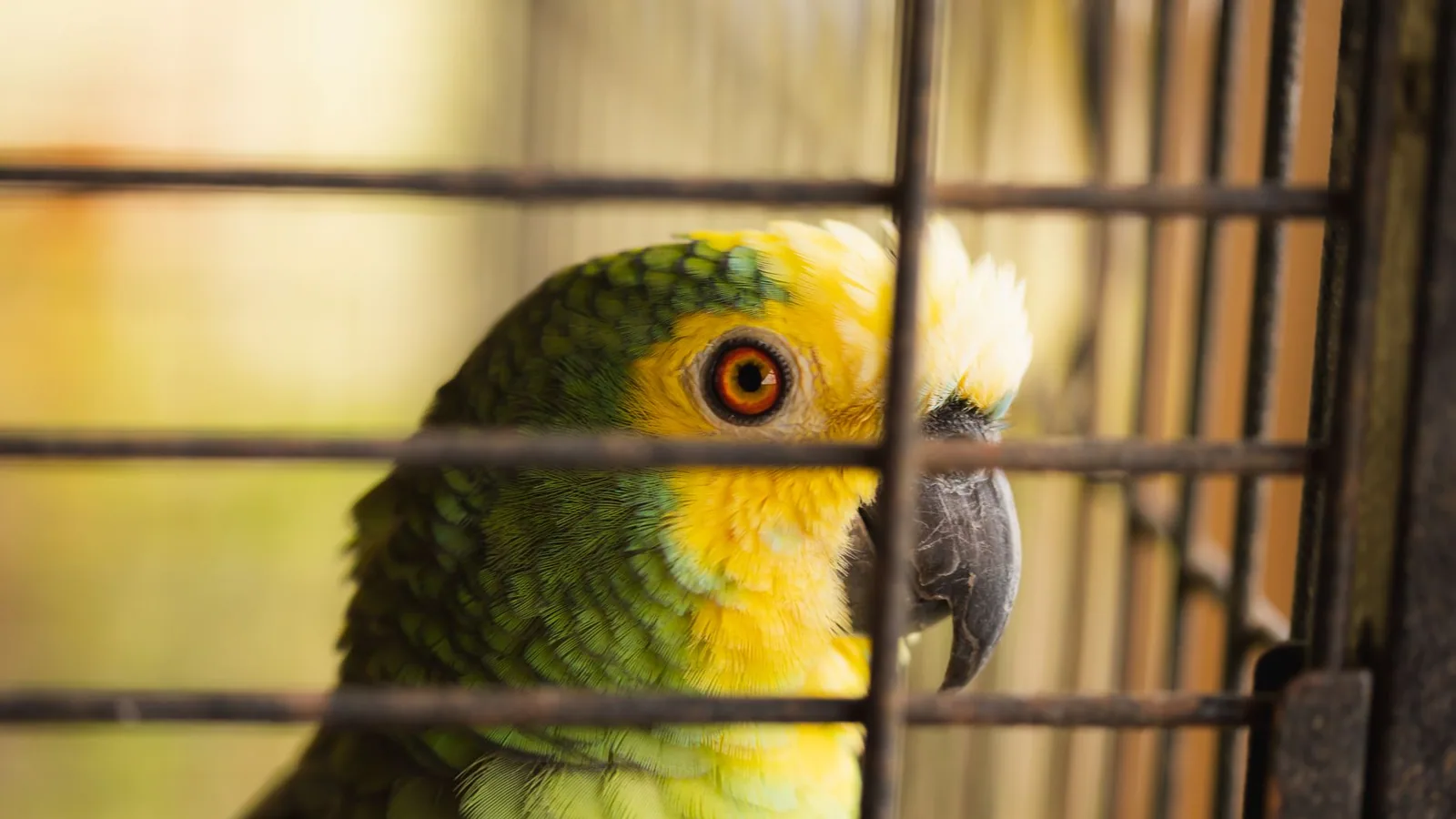
Bird tail bobbing breathing is a clinical sign that pet bird owners must recognize as a potential medical emergency. Unlike the subtle, rhythmic tail movements seen during normal perching, a pronounced up-and-down bobbing of the tail in synchrony with each breath often indicates increased respiratory effort. This article provides a comprehensive, evidence‑based overview of the causes, diagnostic approach, emergency management, and prevention of tail bobbing breathing in companion birds. Immediate veterinary attention is crucial: tail bobbing is not a disease itself, but a hallmark of underlying respiratory distress that can rapidly become life‑threatening.
Key Takeaways
- Rhythmic up-and-down tail bobbing synchronized with breathing is the primary clinical hallmark of severe dyspnea (respiratory distress) in pet birds.
- Birds lack a muscular diaphragm; they rely entirely on expanding their rib cage and abdominal muscles to move air through rigid lungs and compliant air sacs, making tail bobbing a forced compensatory mechanism.
- Accompanying red flags include open-beak breathing, audible clicking/wheezing, fluffed feathers, sitting on the cage bottom, and blue/purple discoloration of the cere or skin.
- Common etiologies include Aspergillosis fungal air sacculitis, bacterial pneumonia, egg binding (dystocia) pressing on air sacs, cardiomegaly, or inhaled PTFE (Teflon) toxicity.
- Emergency protocol: place the bird in a quiet, heated, oxygen-enriched incubator or humidified travel carrier and transport immediately to an avian veterinarian with minimal handling.
Quick Q&A
Question: What does tail bobbing in birds mean? Answer: Tail bobbing in birds is most commonly a sign of respiratory distress. It occurs when the bird uses its tail muscles to help move air in and out of the lungs, often due to infection, inhaled toxins (e.g., from non‑stick cookware, scented candles), or other conditions that impair breathing. If you see tail bobbing, seek an avian veterinarian immediately, delaying care can be fatal.
Understanding Bird Tail Bobbing Breathing
Normal vs. Abnormal Tail Movement
Birds normally exhibit a subtle, gentle sway of the tail when perching or moving. This is especially noticeable in species that hold their tail feathers relatively still, such as budgies and cockatiels. Tail bobbing breathing is different: the tail moves up and down vigorously with each inhalation and exhalation. The movement is often accompanied by an open beak, extended neck, and audible respiratory sounds.
The Physiology: How Birds Breathe
Birds have a unique respiratory system that is highly efficient but also vulnerable. Air flows unidirectionally through the lungs via air sacs, allowing continuous gas exchange even during exhalation. The chest wall is relatively rigid; therefore, birds rely on movement of the sternum (keel) and associated muscles to ventilate the air sacs. When the respiratory system is compromised, the bird recruits accessory muscles, including those attached to the tail, to augment breathing effort. This recruitment produces the classic tail bob (Merck Veterinary Manual, Pet Birds).
Common Causes of Tail Bobbing and Respiratory Distress
Infectious Diseases
- Bacterial infections: Chlamydia psittaci (psittacosis), Mycoplasma species, and Bordetella avium are common causes of pneumonia and airsacculitis. Birds infected with Chlamydia often show conjunctivitis, nasal discharge, and diarrhoea (or diarrhea) in addition to dyspnea.
- Viral infections: Avian influenza, paramyxovirus (Newcastle disease), and polyomavirus can cause severe respiratory signs. Certain strains of avian influenza are reportable to authorities such as the CFIA and DAFF.
- Fungal infections: Aspergillosis, caused by Aspergillus fumigatus, is a frequent cause of chronic respiratory distress in birds, especially those exposed to mouldy seed or damp environments.
- Parasitic infections: Air sac mites (e.g., Sternostoma tracheacolum) in canaries and finches can produce tail bobbing, coughing, and voice changes (AAV guidelines on respiratory disease).
Environmental Toxins and Aerosols
The most critical emergency cause of tail bobbing is aerosol toxicity. Birds are extremely sensitive to airborne irritants because of their efficient respiratory anatomy and high metabolic rate.
- Polytetrafluoroethylene (PTFE) fumes: Non‑stick coatings (Teflon) on cookware, irons, or heat lamps release toxic gas when overheated. Even brief exposure can cause acute respiratory distress, pulmonary oedema, and death within minutes.
- Scented products: Candles, air fresheners, essential oil diffusers, and cleaning products release volatile organic compounds that can irritate avian lungs.
- Smoke and particulate matter: Cigarette smoke, fireplace smoke, and wildfire smoke are dangerous. Consider regional risks: in Australia and the western US, bushfire smoke can trigger crises.
- Carbon monoxide and other gases: Faulty heaters or vehicle exhaust in garages near bird rooms can cause silent poisoning.
Nutritional and Metabolic Factors
- Hypocalcaemia (calcium deficiency): Common in African grey parrots and cockatiels. Low calcium causes seizures and tetanic contractions of respiratory muscles, mimicking dyspnea. Tail bobbing and wing drooping may precede seizures.
- Obesity and hepatic lipidosis: Overweight birds have reduced thoracic space and altered breathing mechanics.
- Hypovitaminosis A: Vitamin A deficiency leads to squamous metaplasia of the respiratory epithelium, predisposing birds to secondary infections.
Trauma and Neoplasia
- Thoracic trauma: Fractured ribs or sternal injury from a fall or cage mate attack can cause painful breathing and tail bobbing.
- Intrathoracic masses: Tumours or abscesses may compress the air sacs or trachea. Lipomas are common in budgerigars, and egg‑related peritonitis can also restrict lung expansion.
Recognizing an Emergency: When Tail Bobbing Becomes Critical
Tail bobbing is always abnormal and requires a veterinary examination. However, certain signs indicate imminent collapse:
- Open‑mouth breathing (gaping)
- Extended neck with beak pointing upward (orthopnea)
- Cyanosis (bluish discoloration of the cere, tongue, or leg skin)
- Lethargy, fluffed feathers, inability to perch
- Audible rattling, wheezing, or clicking sounds during breathing
- Sudden onset after exposure to a known toxin (e.g., overheated non‑stick pan)
If your bird exhibits any of these signs, contact an avian veterinarian or emergency clinic immediately. Do not administer any medication without direction, as many human drugs are toxic to birds.
Diagnosing the Underlying Cause
Veterinary Physical Examination
The avian vet will observe the bird’s breathing pattern at rest and after minimal handling. They will listen for abnormal lung sounds (wheezes, crackles) using a paediatric stethoscope. Auscultation is often unrewarding in birds due to small body size, so a greatly magnified or increased heart and respiratory rate may be the only clue.
Diagnostic Imaging and Lab Work
- Radiography (X‑rays): Images in lateral and ventrodorsal projections can reveal air sac opacity, masses, organomegaly, or fractures.
- Tracheal wash / air sac flush: For cytology and culture, especially when infection is suspected.
- Blood tests: Complete blood count (CBC), biochemistry panel, and specific serology (e.g., for Chlamydia). European and Canadian guidelines recommend PCR for avian chlamydiosis.
- Endoscopy: Direct visualization of the trachea, syrinx, and air sacs is the gold standard for diagnosing aspergillosis or foreign bodies.
According to the VCA Animal Hospitals avian care protocols, any bird with persistent tail bobbing should receive immediate oxygen support before extensive handling to avoid stress exacerbation.
Emergency Treatment and Supportive Care
Oxygen Therapy and Aerosolization
- Oxygen supplementation is the first step. Birds are placed in an oxygen‑enriched incubator or a “oxygen cage” at 40-50% FiO2. Hyperbaric oxygen may be used in advanced facilities.
- Aerosolized medications can reach the lower respiratory tract directly. Nebulization with saline, antibiotics, or antifungals is commonly employed. The AAV Emergency Guidelines recommend using a medical‑grade nebulizer with a particle size of 0.5-3 µm for deep penetration.
Fluid Support and Nutrition
Dehydration worsens respiratory secretions. Subcutaneous or intraosseous fluids (typically lactated Ringer’s or saline) are given cautiously to avoid fluid overload. Syringe‑feeding a high‑energy recovery formula may be necessary if the bird is not eating.
Medications and Hospitalisation
- Broad‑spectrum antibiotics (e.g., enrofloxacin, doxycycline) are initiated if bacterial infection is suspected, pending culture results.
- Antifungals (voriconazole or itraconazole) for suspected aspergillosis.
- Bronchodilators (e.g., aminophylline) are sometimes used under close monitoring.
- Corticosteroids are generally avoided in birds due to immunosuppression, but may be indicated for severe toxin‑induced inflammation (e.g., PTFE poisoning) based on veterinary discretion.
- Hospitalisation is recommended for the first 24-48 hours for continuous observation and oxygen therapy.
Preventing Respiratory Emergencies in Pet Birds
Environmental Management
- No non‑stick cookware in the home where birds live. Use stainless steel, cast iron, or ceramic alternatives.
- Avoid aerosols: No scented candles, plug‑in air fresheners, hairspray, or cleaning sprays near bird areas. Use unscented, non‑aerosol cleaning products.
- Good ventilation: Ensure fresh air exchange without drafts. HEPA air purifiers can reduce particulate matter.
- Humidity control: Keep humidity between 40% and 60% to prevent respiratory tract drying.
Nutritional Health
- Balanced diet: Provide a formulated pellet as the base (60-70%), supplemented with fresh fruits, vegetables, and limited seeds. Vitamin A is crucial, good sources include carrots, sweet potatoes, and dark leafy greens.
- Calcium supplementation: For African greys, cockatiels, and laying hens, offer cuttlebone, mineral blocks, or calcium lactate if prescribed.
- Avoid feeding mouldy seed or peanuts, these are major sources of Aspergillus spores.
Regular Avian Veterinary Check‑ups
Birds are masters of hiding illness. A wellness examination every 6-12 months, including faecal and blood testing, can detect subclinical respiratory infections. Vaccination is available for polyomavirus in some regions (e.g., Europe and parts of the US) but not for most other respiratory viruses.
Regional Considerations in Avian Respiratory Emergencies
- North America: Highly pathogenic avian influenza (HPAI) outbreaks occur periodically; any bird with respiratory signs and sudden death should be reported to state or federal animal health authorities (AVMA guidelines). PTFE toxicity is a major urban concern.
- Canada and Europe: Both regions have strict regulations on zoonotic Chlamydia psittaci reporting. European guidelines (FVE/EFSA) stress owner education about the risks of non‑stick coatings.
- Australia: DAFF warns against outdoor aviaries in bushfire‑prone areas. Smoke inhalation is a common summer emergency. Also, Australian birds (e.g., cockatoos, lorikeets) are susceptible to psittacine beak and feather disease (PBFD), which can cause secondary respiratory compromise.
- Regional spelling note: This article uses both “diarrhea” and “diarrhoea” to reflect different readerships, but the clinical meaning is identical.
Prognosis and Long‑Term Management
The prognosis for birds presenting with tail bobbing breathing depends entirely on the underlying cause and the speed of intervention. Acute toxic exposure (e.g., PTFE) can have a guarded to poor prognosis even with aggressive care, especially if cyanosis is present at presentation. Bacterial or fungal infections often respond well to targeted therapy if treatment is initiated before extensive air sac damage occurs. Hypocalcaemic birds usually recover fully with calcium supplementation and dietary correction.
Follow‑Up Care
After hospital discharge, the bird should be kept in a quiet, warm, low‑stress environment. The home environment must be audited to remove any potential toxins. Follow‑up radiographs or blood tests may be needed to confirm resolution. Owners should monitor for any recurrence of tail bobbing and maintain a log of weight and appetite.
Related Clinical & Scientific Guides
References
“Respiratory Disease in Birds,” Merck Veterinary Manual, Merck & Co., Inc., Rahway, NJ, USA. Available at: https://www.merckvetmanual.com/pet-birds/respiratory-disease-in-birds/respiratory-disease-in-birds
Association of Avian Veterinarians (AAV). “Respiratory Emergencies in Companion Birds,” AAV Emergency and Critical Care Guidelines. Available at: https://www.aav.org
VCA Animal Hospitals. “First Aid for Birds, Breathing Emergencies.” Available at: https://vcahospitals.com/know-your-pet/bird-first-aid
Lafeber Company. “Respiratory Problems in Pet Birds.” Available at: https://lafeber.com/pet-birds/health/respiratory-problems/
American Veterinary Medical Association (AVMA). “Avian Influenza, Pet Birds and Owners.” Available at: https://www.avma.org/resources-tools/pet-owners/petcare/avian-influenza
Canadian Veterinary Medical Association (CVMA). “Zoonotic Diseases from Birds.” Available at: https://www.canadianveterinarians.net
Federation of Veterinarians of Europe (FVE). “Guidelines on Keeping Pet Birds.” Available at: https://www.fve.org
Department of Agriculture, Fisheries and Forestry (DAFF), Australian Government. “Avian Health, Pet Bird Owners.” Available at: https://www.agriculture.gov.au
Last updated: October 2023. This article is for informational purposes only and does not substitute for professional veterinary advice. If your bird is showing tail bobbing breathing, please contact a veterinarian immediately.