Why Does My Kitten Chirp? What the Sound Means
By Dr. Zubair Khalid, DVM, MS, PhD ·
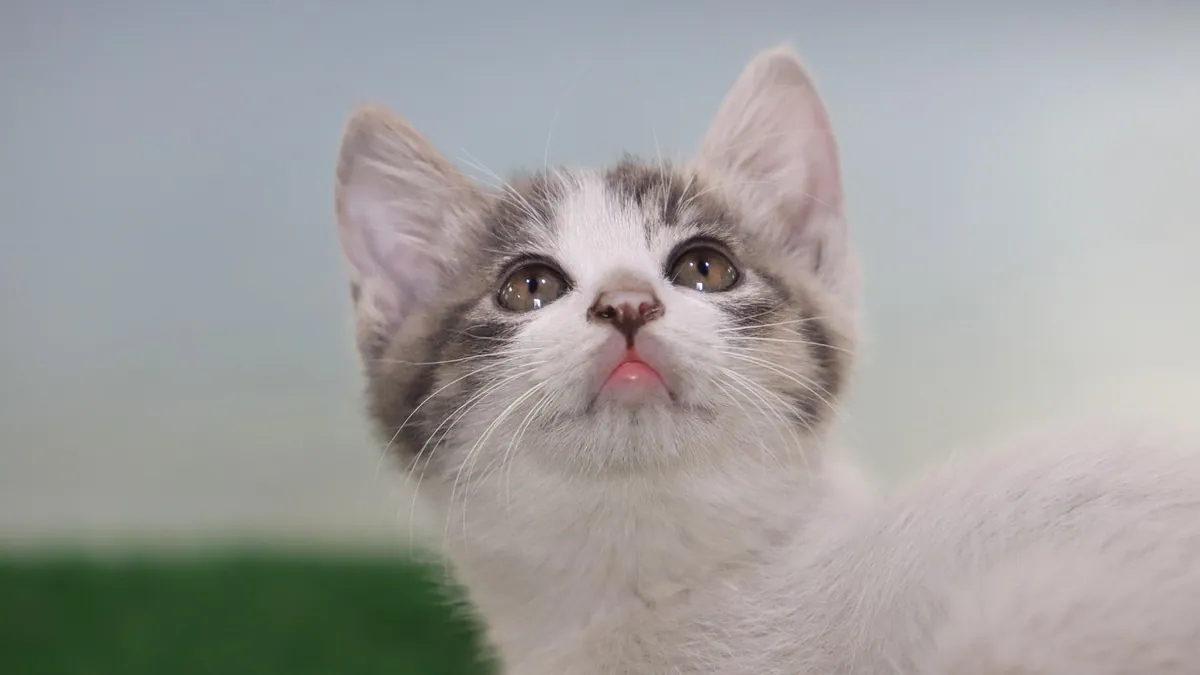
Why does my kitten chirp? A chirp or trill is a friendly, high-pitched sound kittens use to greet you, ask for attention, or express excitement, especially when they are watching birds or hunting toys. It is usually a normal social vocalization, not a sign of pain or illness. This article is educational and is not a substitute for veterinary diagnosis or treatment.
Quick Answer
- A chirp is a short, high-pitched sound. A trill is a longer, rolled version of the same sound. Both are friendly.
- Kittens chirp most often when they greet you, want food or play, or watch prey through a window.
- Chirping at you is usually a request or a hello, not aggression.
- A chirp that turns into a sharp, repeated cry, or that comes with hiding, limping, or not eating, needs a vet visit.
- Never punish a chirping kitten. Redirect the energy into play, food, or attention instead.
What a Chirp and a Trill Actually Are
Cats make a wide range of sounds, and the chirp sits between the meow and the purr on the friendliness scale. It is a short, bright, upward sound, often written as "prrt" or "mrrp." The trill is the same sound stretched out, with a rolled, musical quality. Mother cats trill to call their kittens, and kittens trill back. That early back-and-forth is one reason the sound stays tied to closeness and safety throughout a cat's life.
Vocalizations in cats are acoustic signals that express motivational and emotional states and are tied to specific contexts, especially in interactions with people [1]. In other words, your kitten is not making noise for no reason. The chirp carries information about what your kitten wants or feels right now.
Why Does My Kitten Chirp? The Normal Reasons
Greeting and happy excitement
Many kittens chirp when you walk into the room, open a door, or come home. This is a greeting. It often comes with a raised tail, relaxed ears, and a walk toward you. Your kitten is saying hello and checking in.
Hunger and food requests
Kittens chirp and trill around feeding time. Research on cat vocalizations found that cats meowed significantly more when they could see and smell food but could not reach it [1]. That frustration and anticipation shows up as extra noise. A chirp at the food bowl is your kitten telling you the schedule matters.
Hunting chatter at windows and toys
The classic chirp happens when a kitten stares at a bird, squirrel, or bug through glass. The jaw may quiver and the sound comes out in quick bursts. This is often called hunting chatter. It is excitement and frustration mixed together, because the kitten can see the target but cannot reach it. Play behavior in cats shares a common basis with predation, so a wand toy that mimics prey can trigger the same chirps [1].
Asking for attention or play
Kittens learn fast that a certain sound brings a human. If chirping gets you to look up, pet, or play, your kitten will keep doing it. This is normal social learning, not manipulation.
Talking to other cats
Kittens chirp at their mother and littermates. Adult cats trill at each other as a friendly signal, often right before touching noses or grooming. If you have more than one cat, you may hear chirps pass between them. If a new kitten has just joined the household, some hissing and tension can appear alongside the chirps. See Cat Hissing at New Kitten: How Long Will It Last? for what is normal during that adjustment.
Stress or overstimulation
Not every chirp is happy. A kitten that chirps while pacing, hiding, or flattening its ears may be anxious. Cats respond to emotional cues from other cats, and they are sensitive to tone and context [2]. A chirp in a tense moment is worth watching closely.
Why Does My Kitten Chirp at Me?
When your kitten chirps at you directly, it is usually one of four things.
- A greeting. You came back, and your kitten noticed.
- A request. Food, water, a litter box scoop, or play.
- A complaint. You are late, or the routine changed.
- A check-in. Your kitten wants to know where you are and that all is well.
Watch the body language. Tail up and ears forward means friendly. Ears back, crouched posture, or a chirp that rises into a yowl means something else is going on.
Medical Causes to Rule Out
Most chirping is behavioral, but a sudden change in vocalization can point to a health problem.
Pain or discomfort
A kitten in pain may vocalize more, especially when moving, eating, or being handled. Dental pain, injuries, and urinary problems are common culprits. If your kitten chirps or cries while using the litter box, that is a red flag for a urinary issue and needs same-day veterinary care.
Hormonal and reproductive causes
Intact cats in heat vocalize loudly and often. Even a spayed cat can show estrus-like behavior if ovarian tissue was left behind after surgery. One case report described a spayed cat with cyclical vocalization, rolling, and lordosis caused by a small piece of retained ovarian tissue [3]. This is uncommon, but it is a reason a spayed cat with sudden, repetitive, hormonally timed vocalizing should be examined.
Sensory or cognitive changes
Kittens rarely have cognitive decline, but a kitten that cannot see or hear well may vocalize more because it cannot track what is happening around it. Your vet can check vision and hearing during a routine exam.
Respiratory or throat problems
A hoarse, strained, or raspy chirp can mean irritation in the throat or airway. Any change in voice quality that lasts more than a day or two deserves a look.
When Chirping Becomes a Problem
Chirping is a problem when it disrupts sleep, happens for hours, or comes with distress signals. Signs that the sound has shifted from friendly to troubled include:
- Constant chirping that does not stop when needs are met
- Chirping paired with pacing, drooling, or heavy breathing
- Chirping at night that wakes the household
- Chirping that turns into yowling or growling
- Chirping while hiding, refusing food, or avoiding touch
If your kitten's vocalizing has increased overall and you want to understand the full range of sounds, Cat Excessive Meowing: What Is Your Cat Trying to Say? breaks down the common patterns. A sudden clingy phase with extra chirping can also be a stress response, which is covered in Why Is My Cat Suddenly Clingy?.
What to Do: Step by Step
1. Meet the need behind the sound
Run through the basics first. Is your kitten hungry? Bored? Lonely? Does the litter box need scooping? Kittens chirp less when their daily needs are predictable. Feed on a schedule, keep fresh water available, and scoop the box daily.
2. Build a play routine
Two or three short play sessions a day with a wand toy can drain hunting energy. Let your kitten stalk, chase, and pounce. End with a small treat or meal so the hunt has a finish. This mimics the natural prey sequence and reduces frustration chirping at windows.
3. Add enrichment
- A window perch with a view
- Puzzle feeders that make your kitten work for kibble
- Rotating toys so the selection stays interesting
- Cat trees for climbing and watching in published veterinary research
- Background noise or a radio at low volume if your kitten chirps when alone
4. Teach quiet time gently
If your kitten chirps for attention at night, do not answer. Any response, even "quiet," can reward the sound. Wait for a pause in the chirping, then calmly reward the silence with attention or a treat. This takes consistency and several nights.
5. Keep a simple log
Note when the chirping happens, what your kitten is doing, and what happened right before. Patterns jump out fast. A log also gives your veterinarian useful information if you need an appointment.
6. Rule out pain and illness
A wellness exam with your vet can rule out medical causes before you invest weeks in behavior work. Bring your log and describe any changes in appetite, litter box habits, or energy.
What Not to Do
- Do not punish. Yelling, spraying water, or tapping your kitten's nose can increase anxiety and make vocalizing worse. Punishment also damages the trust your kitten is building with you.
- Do not ignore sudden changes. A new chirp that comes with hiding, not eating, or limping is not a behavior problem. It is a health signal.
- Do not assume every chirp means hunger. Overfeeding a kitten to stop the sound can lead to weight problems later.
- Do not believe the myth that chirping means your cat is "talking" in human terms. Cats communicate needs and feelings, not words.
- Do not lock your kitten away for chirping. Isolation raises stress and often increases the noise.
When to Involve a Veterinarian or Behavior Professional
Call your veterinarian if the chirping is new, has changed in pitch or frequency, or comes with any physical sign such as weight loss, vomiting, diarrhea, or trouble breathing. A vet visit is also the right first step if your kitten is not eating or is hiding more than usual.
If your veterinarian finds no medical cause and the chirping is disrupting your household, ask for a referral to a veterinary behaviorist or a certified cat behavior consultant. These professionals can build a plan for anxiety, attention-seeking, or overstimulation that goes beyond basic enrichment.
Limitations and When to Contact a Veterinarian
This article covers common patterns, but every kitten is an individual. A sound that is normal for one kitten can signal a problem in another. Your veterinarian needs to examine your kitten to know for sure.
Contact your veterinarian the same day if your kitten:
- Chirps or cries while urinating or defecating
- Stops eating or drinking
- Vomits repeatedly or has diarrhea
- Breathes fast, open-mouthed, or with effort
- Seems painful when touched or picked up
Go to an emergency clinic now if your kitten:
- Cannot urinate at all, especially a male kitten
- Collapses, has a seizure, or cannot stand
- Breathes with the mouth open while resting
- Has pale or blue gums
- Is bleeding heavily or has a suspected broken bone
Schedule a routine visit if the chirping is new but your kitten is otherwise eating, playing, and using the litter box normally. Bring notes on when the sound started and what triggers it.
Frequently Asked Questions
Is it normal for my kitten to chirp a lot?
Yes, chirping a lot is normal for many kittens, especially during play, feeding, and greetings. Kittens are social and use sound to connect with people and other cats. A sudden increase in chirping, or chirping with signs of distress, is the part that needs attention.
Why does my kitten chirp at birds but not at me?
Window chirping is hunting chatter, triggered by the sight of prey your kitten cannot reach. That frustration and excitement is a different context from greeting you at the door. Both are normal, they just come from different motivations.
Can chirping mean my kitten is in pain?
It can, especially if the sound is new, sharp, or repeated. Pain vocalizations often come with hiding, a hunched posture, or changes in eating and litter box habits. Any of those signs means a same-day call to your vet.
Do all cats chirp?
No, chirping is more common in some cats than others. Some kittens chirp constantly and some rarely make the sound at all. A quiet kitten is not necessarily unhappy, and a chatty one is not necessarily stressed.
Should I chirp back at my kitten?
Yes, chirping back is a friendly response and can strengthen your bond. Keep your tone soft and high, and pair it with calm attention or play. If your kitten chirps for food at 3 a.m., answering with a chirp or a snack will teach it that night chirping works.
Related Articles
- Why Is My Cat Shaking Her Head And Ears
- Cat Hissing at New Kitten: How Long Will It Last?
- Why Is My Cat Suddenly Clingy?
- Cat Excessive Meowing: What Is Your Cat Trying to Say?
- Why Does My Cat's Breath Smell?
- Why Is My Cat Breathing open-mouthed? Feline Asthma & Respiratory Crisis
- Why Does My Cat Quack? Weird Sounds Explained
- Why Is My Kitten So Quiet? Quiet Meows Explained
- Why Is My Kitten Whining So Much? Causes and Calming Tips
References
- Vocal signals produced by the domestic cat (Felis silvestris catus) in highly motivating contexts. Journal of comparative psychology (Washington, D.C. : 1983), 2026.
- Purr-ceiving feelings: domestic cats respond to intraspecific cues of emotion. PeerJ, 2026.
- Ovarian remnant syndrome in a 2-year-old cat with inconclusive diagnostics. JFMS open reports, 2026.