Why Is My Kitten So Quiet? Quiet Meows Explained
By Dr. Zubair Khalid, DVM, MS, PhD ·
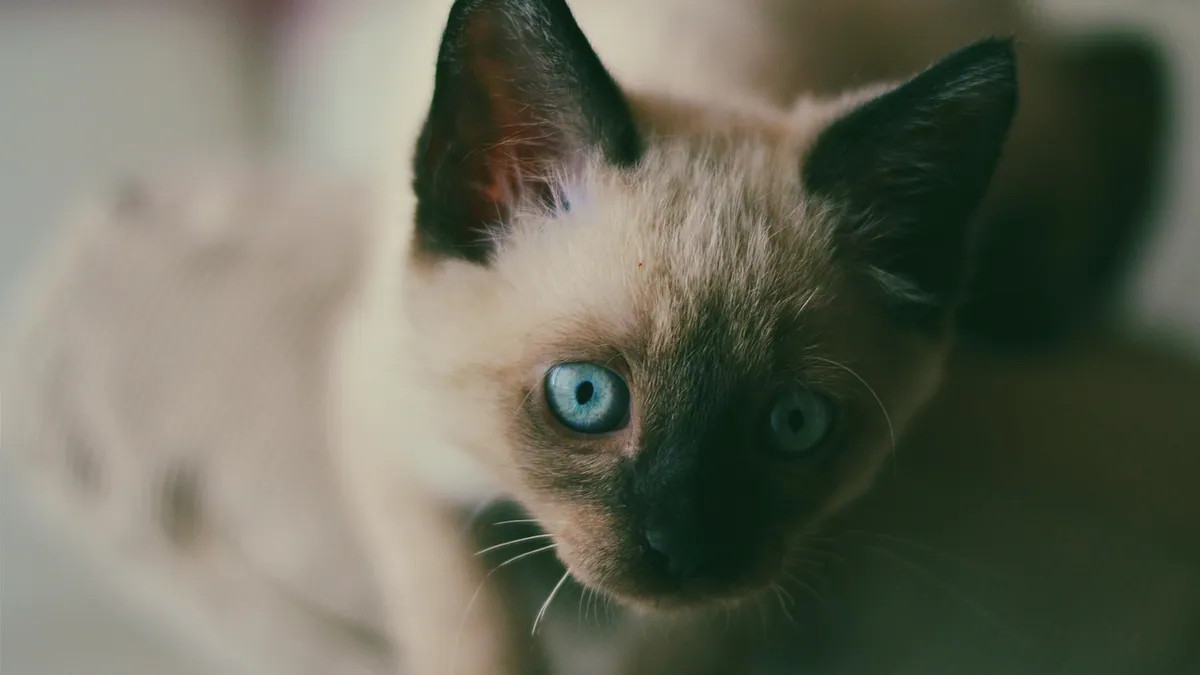
A kitten with a soft or barely audible meow is usually normal, especially in the first few weeks of life or in a naturally calm cat. Some kittens simply have a quiet voice, while others go quiet when they feel stressed, tired, or unwell. If your kitten meows quietly but still eats, plays, and interacts with you, there is often nothing to worry about.
This article is educational and is not a substitute for veterinary diagnosis or treatment.
Quick Answer
- A quiet or silent meow is common in young kittens whose vocal cords and social communication are still developing.
- A naturally calm kitten may always have a soft voice, even as an adult.
- A sudden change from a normal meow to a very quiet one can point to stress, pain, or illness.
- Watch the whole kitten, not just the sound. Eating, drinking, playing, grooming, and litter box use matter more than volume alone.
- Call your veterinarian if a quiet kitten also hides, stops eating, breathes oddly, or seems painful.
Why Does My Kitten Meow Quietly?
Kittens use meows mainly to communicate with people, not with other cats. A young kitten may not have fully developed the muscles and coordination that control the voice, so early meows often come out as squeaks, croaks, or near-silent mouth movements. This is normal in the first weeks and months.
Some kittens are simply quiet by nature. Just like people, cats differ in how talkative they are. A kitten that rarely vocalizes but is active, curious, and affectionate is usually showing temperament, not a problem.
A quiet meow can also be a learned habit. If a soft meow reliably gets your attention, your kitten may keep using it. Cats tend to repeat behaviors that work.
Stress can quiet a kitten too. Cats that show isolation and excessive vocalization tend to have higher cortisol levels, which is a hormonal marker of stress [1]. That finding cuts both ways. Some stressed cats get louder, and some get quieter or withdraw. A kitten that is very quiet today, hides more, and avoids contact may be reacting to a change at home.
Normal Reasons Your Kitten Is Very Quiet
Age and development
Very young kittens have small, immature vocal structures. Their meows may be faint for the first several weeks. Volume often increases as they grow.
Personality
Some cats are naturally reserved. A quiet kitten that plays hard, sleeps well, and seeks you out for affection is likely just a calm cat.
Breed and individual variation
Vocal behavior varies between individual cats. There is no single normal volume.
A calm, well-resourced home
Cats kept indoors with plenty of resources can live with low physiological stress. Indoor cats in enriched homes with litter boxes, hiding places, vertical spaces, and predatory play showed low cortisol levels in one study [1]. A kitten in a comfortable home may have less reason to call out.
Recent spay or neuter
Vocal behavior can change after sterilization. In one study, cats treated with a deslorelin implant showed a greater decrease in excessive vocalization than surgically sterilized cats [2]. This tells us that reproductive hormones affect how much cats vocalize. A kitten that was recently spayed or neutered may be quieter for a while as hormones settle.
Medical Causes to Rule Out
A quiet meow by itself is rarely an emergency. A quiet kitten that also acts different is a different story.
Upper respiratory infection
This is one of the most common reasons a kitten's voice changes. Inflammation in the throat and nasal passages can make meows soft, hoarse, or silent. Watch for sneezing, eye or nose discharge, and reduced appetite.
Pain or injury
A kitten in pain may go quiet and still. Look for limping, a hunched posture, sensitivity to touch, or reluctance to jump.
Oral or dental problems
Mouth pain can make a kitten avoid meowing. Drooling, bad breath, or chewing on one side are clues. If your kitten's breath smells bad, that can point to dental or other health issues.
Fever or systemic illness
Sick kittens often become quiet, sleepy, and uninterested in food. A kitten that is very quiet today and also off its food needs a veterinary visit.
Laryngeal or airway issues
Rarely, a kitten can have a problem with the voice box or airway. Noisy breathing, a change in breathing effort, or a raspy cry warrants prompt evaluation.
Hormonal or reproductive conditions
Reproductive tissue left behind after spay surgery can cause cyclical behavior changes, including vocalization. In one case report, a spayed cat showed estrus-like behavior with vocalization every three weeks, and a small piece of ovarian tissue was later found [3]. This is uncommon, but it shows that hormone-related vocal changes can happen.
When a Quiet Kitten Becomes a Problem
Quiet is a problem when it is new, when it comes with other signs, or when it lasts.
Ask yourself these questions.
- Was my kitten vocal before and is now quiet?
- Is my kitten eating and drinking normally?
- Is my kitten playing and grooming?
- Is my kitten hiding more than usual?
- Does my kitten seem painful when picked up or handled?
- Is breathing normal and quiet?
If you answer no to the first four or yes to the last two, contact your veterinarian.
A kitten that is very quiet today after a stressful event (a move, a new pet, a loud party, a vaccination) may just need a day to settle. If the quiet lasts more than 24 hours or comes with any other change, get advice.
What to Do Step by Step
1. Observe before you act
Spend a day noting eating, drinking, urination, defecation, play, and sleep. Write it down. This information helps your veterinarian.
2. Check the basics
Make sure food, water, and litter are clean and easy to reach. A kitten that cannot get to a litter box may hold it and act withdrawn.
3. Reduce stress
Give your kitten a quiet room, a hiding box, and time to adjust. Cats that hide and isolate may be stressed [1]. If your kitten is hiding more, see Why Is My Cat Hiding? and Why Is My Cat Suddenly Hiding and Acting Weird?.
4. Add enrichment
Indoor cats do well with litter boxes, hiding places, vertical spaces, and predatory play [1]. Add a cat tree, a window perch, and two short play sessions a day with a wand toy. A busy, confident kitten often finds its voice.
5. Keep a routine
Feed, play, and clean at the same times each day. Predictability lowers stress.
6. Talk to your kitten
Use a soft, calm voice. Reward any meow with attention. If you want more vocalization, respond when your kitten makes even a faint sound.
7. Track changes
If the quiet meow is new, note the date it started and anything that changed around that time. Bring your notes to the vet.
What Not to Do
Do not punish quiet behavior
Never yell at, spray, or startle a quiet kitten. Punishment increases fear and can make a kitten more withdrawn.
Do not assume it is always normal
A sudden quiet meow in a kitten that was previously vocal deserves a look. It can be the first sign of illness.
Do not force interaction
If your kitten is hiding, do not drag it out. Let it come to you. Forced handling can deepen stress.
Do not rely on internet diagnoses
Many conditions look alike. Only a veterinarian can examine your kitten and run tests.
Do not skip meals
A kitten that will not eat is a concern at any age. Kittens have small reserves and can decline quickly.
When to Involve a Veterinarian or Behavior Professional
Call your veterinarian if the quiet meow is new, lasts more than a day, or comes with any change in eating, drinking, breathing, or activity.
Ask for a referral to a veterinary behaviorist or certified behavior consultant if your kitten is quiet because of fear, hiding, or anxiety that does not improve with home changes. Behavior professionals can build a plan for stress-related quiet behavior.
If your kitten is also meowing much more than usual at other times, read Cat Excessive Meowing: What Is Your Cat Trying to Say?. If your kitten has become clingy instead of withdrawn, see Why Is My Cat Suddenly Clingy?.
Limitations and When to Contact a Veterinarian
This article cannot tell you what is wrong with your kitten. Only a veterinarian who examines your kitten can do that. Individual cases need a veterinarian.
Contact your veterinarian the same day if your kitten:
- Stops eating or drinking
- Vomits or has diarrhea more than once
- Has a hoarse, raspy, or absent meow that started suddenly
- Breathes with an open mouth, or breathes fast at rest
- Seems painful when touched or moved
- Has a swollen or painful belly
- Is lethargic and hard to wake
Go to an emergency clinic now if your kitten:
- Struggles to breathe or makes loud breathing sounds
- Collapses or cannot stand
- Has a seizure
- Has pale or blue gums
- Is bleeding or has been hit by a car or attacked by another animal
- Cannot urinate, especially a male kitten straining in the litter box
Schedule a routine visit if your kitten:
- Has a quiet meow that has lasted more than a few days
- Has bad breath, drooling, or trouble chewing
- Has a change in voice without other signs
- Is hiding more than usual
- Has not gained weight as expected
For poison emergencies in the United States, call the ASPCA Animal Poison Control Center at (888) 426-4435 or the Pet Poison Helpline at (855) 764-7661. These lines may charge a consultation fee.
Frequently Asked Questions
Why does my kitten do silent meows?
Silent meows are common in young kittens whose voice is still developing, and in cats that have learned a soft meow gets attention. If your kitten opens its mouth and no sound comes out but otherwise acts normal, it is usually not a concern. A sudden loss of voice in a kitten that was previously vocal should be checked by a veterinarian.
My kitten is very quiet today. Should I worry?
It depends on what else has changed. A quiet day after a stressful event is often normal. If your kitten is also eating less, hiding, or sleeping more than usual, call your veterinarian. Kittens can decline quickly, so do not wait several days to ask.
Is a quiet meow a sign of illness?
Sometimes. A soft or hoarse meow can happen with an upper respiratory infection, throat irritation, or pain. Illness is more likely when the quiet meow is new and comes with other signs like sneezing, not eating, or low energy. A veterinarian can examine your kitten and decide if tests are needed.
Will my quiet kitten get louder as it grows?
Often yes. Many kittens find their voice as they mature and their vocal structures develop. Some cats stay quiet for life, and that is normal too. If you want more vocalization, reward any sound with attention and play.
Can stress make my kitten quiet?
Yes. Stress can cause some cats to withdraw and go quiet, while others vocalize more. Cats showing isolation and excessive vocalization have been linked to higher cortisol levels, a marker of stress [1]. If your kitten is quiet and hiding after a change at home, reduce stress and give it time, and call your veterinarian if it does not improve.
A Note on Vocal Behavior in Cats
Vocalization in cats is shaped by hormones, environment, and learning. Reproductive hormones clearly affect how much cats vocalize, since cats treated with a deslorelin implant showed a greater drop in excessive vocalization than surgically sterilized cats [2]. Stress hormones also play a role, since cats with isolation and excessive vocalization behaviors had higher cortisol levels [1]. Rare hormonal conditions can cause cyclical vocal changes after spay surgery [3]. Research in other species shows that different types of vocalizations use different brain circuits, which suggests that quiet and loud calls are not simply the same behavior turned up or down [4]. This helps explain why two kittens in the same home can sound completely different.
For most owners, the practical takeaway is simple. Watch your kitten as a whole. A quiet meow with normal eating, playing, and grooming is usually fine. A quiet meow with any other change deserves a call to your veterinarian.
Related Articles
- Why Is My Cat Hiding?
- Cat Excessive Meowing: What Is Your Cat Trying to Say?
- Why Is My Cat Suddenly Clingy?
- Why Is My Cat Suddenly Hiding and Acting Weird?
- Why Does My Cat's Breath Smell?
- Why Is My Cat Shaking Her Head And Ears
- Why Do Kittens Meow? Normal Meowing and Silent Meows
- Why Does My Cat Quietly Meow at Me?
- Cat Losing Its Meow: Why a Cat Goes Silent
References
- Stress in Indoor and Outdoor Cats: Association between Hair Cortisol Levels, Housing Style, and Guardians' Perceptions of Behavior. Journal of applied animal welfare science : JAAWS, 2026.
- Behavioral Changes in Cats Following Deslorelin Implantation or Surgical Gonadectomy. Veterinary sciences, 2025.
- Ovarian remnant syndrome in a 2-year-old cat with inconclusive diagnostics. JFMS open reports, 2026.
- Production of Mouse Ultrasonic Vocalizations and Distress Calls Is Associated with Different Patterns of Fos Expression in the Nucleus Retroambiguus. eNeuro, 2026.