Why Is My Kitten Obsessed With My Hair? Chewing and More
By Dr. Zubair Khalid, DVM, MS, PhD ·
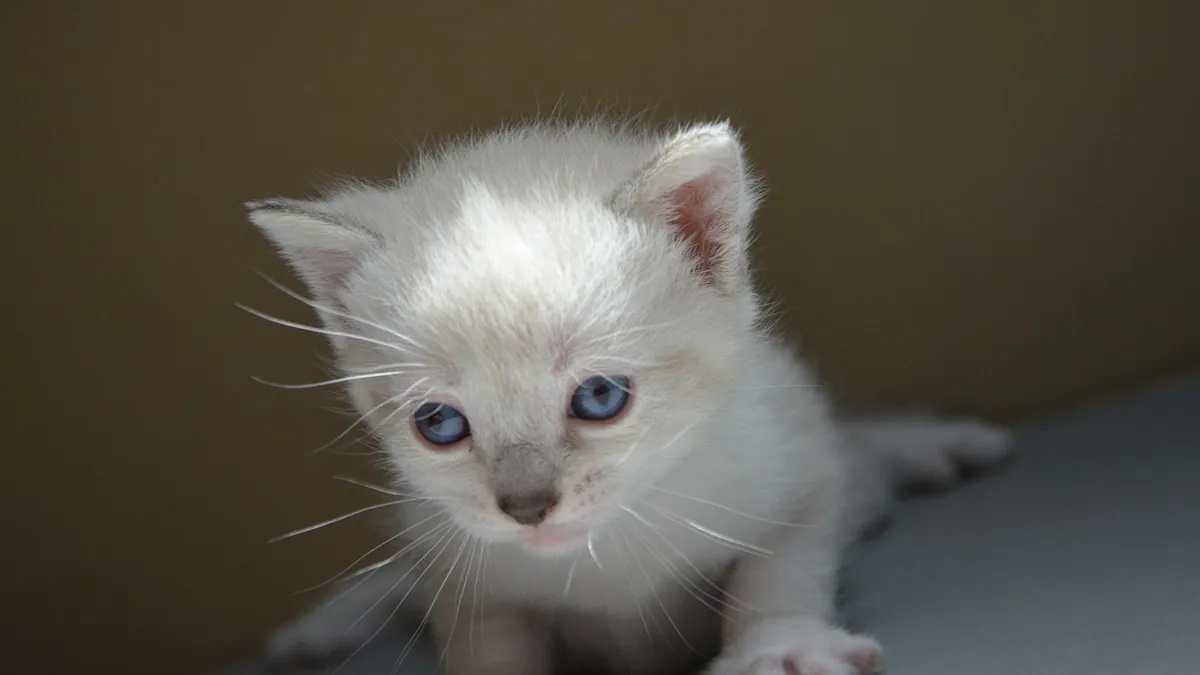
Kittens often chew, suck, or groom human hair because it feels good, smells like you, and satisfies a natural urge to mouth and groom. Most of the time this is normal kitten behavior tied to nursing comfort, teething, or affection, and it usually fades with age and training. Sometimes, though, hair chewing is a sign of pica, anxiety, or a medical problem that needs a veterinarian.
This article is educational and is not a substitute for veterinary diagnosis or treatment.
Quick Answer
- Hair chewing in kittens is common and often linked to nursing comfort, teething, or grooming instincts.
- Pica (eating non-food items like hair) was reported in 42.9% of cats around 6 months old in one UK cohort, so it is not rare [1].
- Sudden or intense hair chewing can point to stress, skin problems, or a diet issue, so a vet check is wise.
- Offer safe chew toys, extra play, and consistent routines instead of punishment.
- Call your veterinarian if your kitten swallows hair, vomits, stops eating, or seems distressed.
Why Is My Kitten Obsessed With My Hair? Normal Reasons First
Kittens explore the world with their mouths. Hair is soft, warm, and attached to the person they trust most. That combination makes it a tempting target.
Nursing and early-weaning comfort
Suckling is one of a kitten's first calming behaviors. Kittens who were separated from their mother early may keep sucking on fabric, earlobes, or hair as a self-soothing habit. This is sometimes called wool sucking or suckling behavior. It looks a lot like nursing, and it often happens when your kitten is relaxed or sleepy.
Grooming instinct
Cats groom themselves and their social partners. Your kitten may be treating your hair like part of the family group. Grooming your hair can be a sign of affection and social bonding. It is the feline version of "you are part of my colony."
Teething and mouthing
Kittens go through teething, usually between 3 and 6 months of age. During this time they want to chew. Hair, shoelaces, and blanket corners all feel good on sore gums. Chewing also relieves boredom.
Attention and play
If chewing your hair gets a reaction (a laugh, a yelp, a hand pushing the kitten away), your kitten learns it works. For a playful kitten, any reaction is a reward. This is why the behavior can get stronger over time if it is handled inconsistently.
Scent and closeness
Your hair carries your scent. Kittens who feel attached to you may seek out that smell for comfort. This is normal and usually harmless when it stays gentle.
When Hair Chewing Becomes a Medical Concern
Some causes of hair chewing are not behavioral. They need a veterinarian's eyes.
Pica
Pica is the eating of non-food items. In cats, common targets include wool, fabric, plastic, and hair. In a UK birth cohort study, pica toward one or more materials was reported in 42.9% of cats at about 6 months, 32.0% at about 12 months, and 30.9% at about 18 months [1]. Most cats targeted only one material type at each time point [1]. This tells us that pica is common in young cats and often changes with age.
Pica matters because swallowed hair and fabric can cause intestinal blockage. That is a surgical emergency. If your kitten is actually eating hair, not just mouthing it, take it seriously.
Skin problems and itching
If your kitten is chewing or grooming your hair because its own skin is itchy, the real problem may be fleas, allergies, or a skin infection. Watch for scratching, bald spots, scabs, or red skin. These articles can help you sort out what you are seeing: Why Is My Cat So Itchy? and Why Is My Cat Losing Hair?.
Over-grooming and stress
Some cats over-groom when they are stressed or anxious. Over-grooming can lead to hair loss, and it can look similar to hair chewing. If your cat is pulling out fur in clumps, that is a different pattern than mouthing your hair, but the two can overlap. See Why Is My Cat pulling out fur in clumps? Psychogenic Alopecia and Over-Grooming and Why Is My Cat Grooming So Much?.
Anxiety and fear
Fear, anxiety, and stress are among the most common behavioral problems in cats [2]. A kitten who chews hair during loud noises, visitors, or schedule changes may be anxious. Anxiety can also show up as hiding, pacing, excessive meowing, or clinging.
Diet and nutrition
A kitten on an unbalanced diet may chew odd things. Growing kittens have specific nutritional needs. If you are feeding a homemade diet or a diet not meant for kittens, talk to your veterinarian. They can check your kitten's growth and diet.
Oral pain
Dental problems, broken teeth, or mouth pain can make a kitten chew strangely. A veterinarian can examine the mouth during a routine visit.
When Kitten Hair Chewing Becomes a Problem
Hair chewing is a problem when it causes harm or distress. Use these questions to judge your situation.
- Is your kitten swallowing hair? Swallowed hair can form a mat or block the intestines.
- Is your kitten losing weight, vomiting, or having diarrhea?
- Is your kitten chewing hair so much that you cannot sleep or relax?
- Is your kitten also chewing wool, fabric, plastic, or other non-food items?
- Does the behavior happen only when your kitten is stressed or alone?
- Has the behavior started suddenly in an older kitten or adult cat?
If you answered yes to any of these, it is time to get help. A veterinarian can rule out medical causes, and a certified behavior professional can build a plan.
What to Do: Step-by-Step
You can do a lot at home while you wait for a veterinary appointment.
Step 1: Keep a simple log
Write down when the behavior happens. Note the time of day, what you were doing, who was home, and whether your kitten seemed playful, sleepy, or anxious. Patterns often appear within a week. This log helps your veterinarian.
Step 2: Redirect to safe chew options
Keep kitten-safe chew toys, food puzzles, and soft toys nearby. When your kitten goes for your hair, calmly offer a toy instead. Reward your kitten with praise or a treat when it chews the toy. Do not scold.
Step 3: Add play and enrichment
Kittens need active play every day. Two or more short play sessions with a wand toy can burn energy and reduce mouthing. Food puzzles, cat trees, window perches, and cardboard boxes all help. A tired, busy kitten chews less.
Step 4: Manage your hair and your space
Pull your hair back in a loose bun or braid during cuddle time. Cover your head with a soft cap if needed. Keep hair ties, ribbons, and string out of reach. If your kitten eats string, do not pull it. Read My Cat Ate String: Why You Must Not Pull It and What to Do.
Step 5: Build a calm routine
Cats do best with predictable routines [2]. Feed, play, and clean the litter box at similar times each day. Give your kitten a quiet, safe room when guests visit. A calm environment lowers anxiety-driven chewing.
Step 6: Check the basics
Make sure your kitten is on a complete kitten diet, has fresh water, and is free of fleas. Your veterinarian can recommend parasite prevention and a diet that fits your kitten's age and health.
Step 7: Consider a behavior consult
If home steps do not help within a few weeks, ask your veterinarian about a referral to a certified behavior professional. They can assess anxiety, pica, and other behavior patterns.
What Not to Do
Some common reactions make hair chewing worse.
Do not punish
Yelling, spraying water, or tapping your kitten's nose can create fear and damage trust. Punishment does not teach your kitten what to do instead. It can also increase anxiety, which may fuel more chewing [2].
Do not pull hair or string from the mouth
If your kitten has swallowed hair or string, do not pull it. Pulling can injure the mouth or intestines. Call your veterinarian right away.
Do not ignore sudden changes
A kitten who was never interested in hair and suddenly chews constantly may be sick or stressed. Sudden changes deserve a veterinary call.
Do not rely on myths
There is no evidence that hair chewing means your kitten is "teething forever" or that it will always grow out of it. Some cats continue pica into adulthood [1]. Watch the behavior and get help if it persists.
Do not use human medications
Never give your kitten human anxiety medications or supplements. Some are toxic to cats. If medication is needed, your veterinarian will choose the drug and calculate the dose from your pet's weight and health. In one case report, a cat with pica and aggression improved after six weeks of fluoxetine, but that was a prescribed treatment under veterinary care [3]. A separate study compared CBD with fluoxetine for owner-directed aggression, but that is a different behavior problem and not a home treatment for hair chewing [4].
When to Involve a Veterinarian or Behavior Professional
Call your veterinarian if your kitten chews hair daily, swallows hair, or shows other pica behaviors. A veterinary visit can check for skin disease, dental pain, parasites, and diet problems. Your veterinarian can also screen for anxiety and discuss whether medication is appropriate [2].
Ask for a referral to a certified behavior professional if:
- Your kitten also bites, scratches, or attacks people.
- The behavior continues after weeks of redirection and enrichment.
- Your kitten seems anxious, fearful, or stressed most of the day.
- You feel overwhelmed or unsafe.
Behavior problems in cats are common, and help is available [2]. You do not have to figure this out alone.
Limitations and When to Contact a Veterinarian
This article cannot diagnose your kitten. Every kitten is different, and individual cases need a veterinarian who can examine your pet.
Contact your veterinarian the same day if your kitten:
- Swallows hair, string, or fabric
- Vomits repeatedly or has diarrhea
- Stops eating or drinking
- Seems painful or hides constantly
- Has a sudden change in behavior
Go to an emergency veterinary hospital now if your kitten:
- Has a swollen, painful belly
- Tries to vomit but nothing comes up
- Breathes fast or labors to breathe
- Collapses or seems weak
- Has pale gums
For routine concerns, such as mild hair mouthing without swallowing, schedule a visit within a week or two. Bring your behavior log. Your veterinarian can rule out medical causes and guide next steps.
Frequently Asked Questions
Is it normal for a kitten to chew my hair?
Yes, mild hair chewing is common in kittens and often relates to nursing comfort, teething, or grooming instincts. It usually improves with age, play, and redirection. If your kitten swallows hair or does it constantly, talk to your veterinarian.
Can hair chewing be a sign of pica in cats?
Yes, hair is one of the materials cats with pica may target. Pica was reported in about 43% of cats around 6 months old in one cohort, and many cats continued to target one material type over time [1]. Because swallowed hair can block the intestines, pica needs veterinary attention.
Why does my kitten suck on my hair?
Hair sucking often comes from early weaning or a strong nursing comfort habit. Kittens separated from their mother early may suck on hair, fabric, or earlobes to self-soothe. It is usually calming behavior, not aggression.
Should I punish my kitten for chewing my hair?
No. Punishment can increase fear and anxiety, which may make the behavior worse [2]. Redirect your kitten to a toy, reward the behavior you want, and add daily play and enrichment. If the behavior continues, ask your veterinarian for help.
Can anxiety cause hair chewing in cats?
Yes. Fear, anxiety, and stress are among the most common behavioral problems in cats, and they can show up as repetitive mouthing or grooming [2]. If your kitten seems anxious, hides, or chews mainly during stressful events, a veterinarian or behavior professional can help.
Related Articles
- Why Is My Cat Grooming So Much?
- Why Is My Cat So Itchy?
- Why Is My Cat Losing Hair?
- Why Is My Cat pulling out fur in clumps? Psychogenic Alopecia and Over-Grooming
- My Cat Ate String: Why You Must Not Pull It and What to Do
- Why Is My Cat grooming less than normal? Obesity Dental Pain and Depression
- Why Does My Cat Eat My Hair? Pica and Chewing Explained
- Why Is My Cat Chewing on Everything? Pica and Other Causes
- Why Does My Kitten Chew and Bite My Fingers?
References
- Owner-Reported Pica in Domestic Cats Enrolled onto a Birth Cohort Study. Animals : an open access journal from MDPI, 2021.
- Tools for the Approach of Fear, Anxiety, and Stress in the Domestic Feline: An Update. Veterinary medicine international, 2025.
- Human-directed aggression and pica in a 1-year-old cat, which worsened following international relocation. JFMS open reports, 2023.
- Owner-Directed Feline Aggression in Thailand: Characteristics, Associated Factors, and a Clinical Comparison of Treatments. Life (Basel, Switzerland), 2026.