My Kitten Used to Be Cuddly: Why the Change?
By Dr. Zubair Khalid, DVM, MS, PhD ·
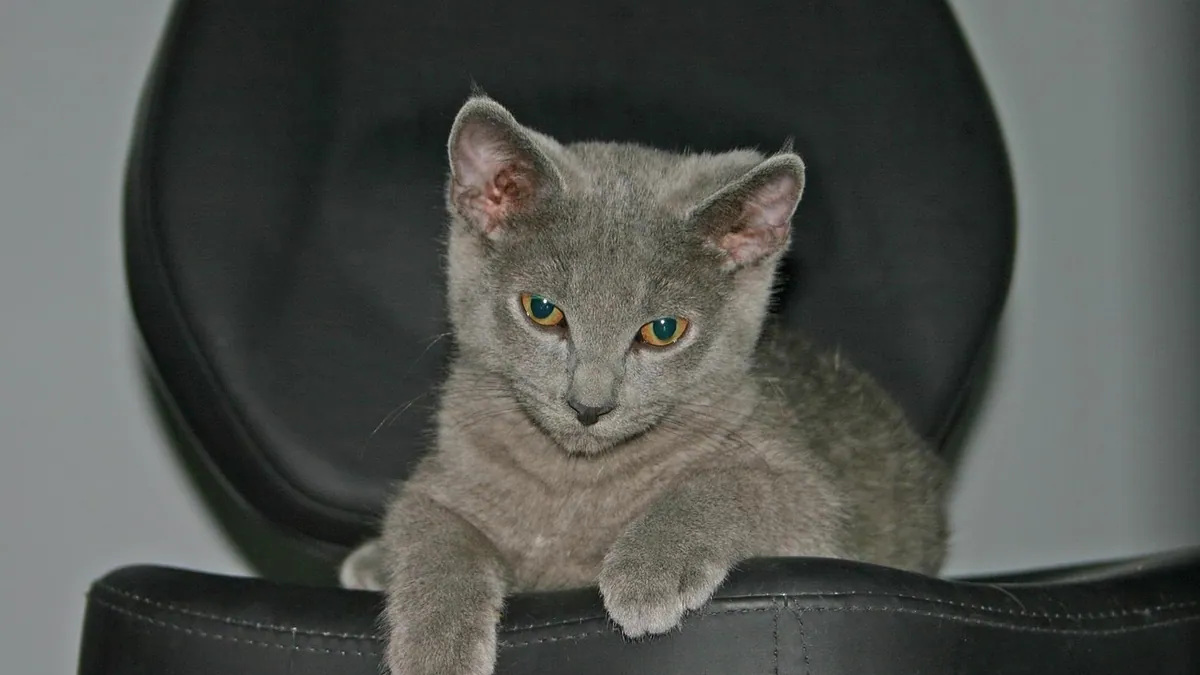
If your kitten used to be cuddly and now seems to want nothing to do with you, you are not alone. Most kittens go through a shift in affection as they grow, and in many cases it is a normal part of development. Sometimes, though, a sudden change in how much your kitten wants to be held or touched can point to pain or illness.
This article is educational and is not a substitute for veterinary diagnosis or treatment.
Quick Answer
- Kittens often become less clingy between about 4 and 12 months of age as they gain independence and their temperament stabilizes [1].
- A sudden drop in affection, especially with hiding, appetite changes, or irritability, can be an early sign of pain or illness.
- Cats respond best to gentle, voluntary contact. Forced or restrained handling can raise stress hormones and reduce bonding [2].
- Never punish a kitten for pulling away. Punishment increases fear and can make the behavior worse.
- If the change is sudden, or comes with any physical symptom, call your veterinarian.
Why Your Kitten's Affection Level Changes
Normal Development and Temperament
Kittens are wired to stay close to their mother and littermates early in life. As they grow, that need fades. By the time a kitten is a few months old, it starts exploring on its own terms and testing boundaries.
Temperament in cats is defined as individual differences in behavior that stay fairly stable over time and across situations [1]. In other words, your kitten is becoming the cat it will be. Some cats stay lap cats for life. Others prefer to sit near you instead of on you. Both are normal.
A review of cat temperament research found that development and genetics both shape how affectionate a cat becomes [1]. So part of what you are seeing may simply be your kitten's true personality emerging.
The Teenage Phase
Many owners notice the biggest change around 5 to 8 months. This is the feline version of the teenage years. Your kitten is more mobile, more curious, and less interested in being held.
This stage usually settles. The cat that hides under the bed at 6 months may be back on your lap at 2 years.
Overstimulation From Handling
Some kittens love being picked up. Others tolerate it for a minute and then squirm. If you keep holding a kitten that wants down, it learns that your hands predict an unpleasant feeling.
Research on owner-cat interactions found that passive contact (sitting near your cat, gentle petting on the cat's terms) was linked to higher oxytocin and lower cortisol in cats [2]. Forced interaction showed the opposite pattern, with stress hormones rising [2]. Your kitten may not be less affectionate. It may just be avoiding the type of contact it does not enjoy.
Changes in the Home
Kittens are sensitive to change. A new baby, a move, a new pet, or a shifted work schedule can all affect how much your kitten seeks you out.
If you recently brought home another kitten, some hissing and distance is expected at first. Our guide on cat hissing at a new kitten explains the normal timeline, and introducing a new kitten covers step-by-step methods that reduce tension.
Medical Causes to Rule Out
This is the part many owners skip. A kitten that was cuddly and suddenly is not may be hurting.
Cats are good at hiding pain. In a study of cats recovering from eye surgery, researchers documented specific pain behaviors including a lowered head position and other subtle postural changes [3]. These signs are easy to miss at home. A cat in pain often just wants to be left alone.
Common medical reasons for a drop in affection include:
- Dental pain, including broken teeth or gum disease
- Arthritis or joint pain, which can start earlier than many owners expect
- Ear infections or ear mites
- Skin problems or itching that make touch uncomfortable
- Gastrointestinal upset, nausea, or parasites
- Urinary problems, which are especially urgent in male cats
- Fever or infection
- Injury from a fall or a rough encounter with another pet
Any of these can turn a cuddly kitten into one that flinches when you reach for it. If your kitten also hides, eats less, or seems stiff, pain is a real possibility.
When Less Cuddly Becomes a Problem
A gradual change over weeks to months is usually normal. A sudden change over days is not.
Ask yourself these questions:
- Did the change happen fast, or slowly?
- Is your kitten still eating, drinking, and using the litter box normally?
- Does your kitten still play?
- Does your kitten avoid all touch, or just certain areas?
- Are there other symptoms like vomiting, limping, or bad breath?
If your kitten still plays, eats, and uses the box, and the change has been gradual, you are likely seeing normal development. If any answer points to a physical problem, book a vet visit.
A kitten that used to be affectionate and now hides from you may also be scared instead of sick. Our article on why your cat is suddenly afraid of you covers fear-based causes and what to do.
What to Do: A Step-by-Step Plan
Step 1: Rule Out Pain First
Schedule a veterinary exam. Tell your vet exactly when the change started and what else you have noticed. A physical exam, weight check, and sometimes bloodwork or imaging can find the cause. Do not try to train away a behavior that might be pain.
Step 2: Let Your Kitten Choose
Stop picking up your kitten for a while. Sit on the floor and let your kitten come to you. Offer a hand for sniffing. If your kitten walks away, let it go.
This is not giving in. It is rebuilding trust. The research on interaction types supports this approach. Passive, low-pressure contact was linked to lower stress and stronger bonding hormones in cats [2].
Step 3: Use Food and Play to Rebuild Connection
- Hand-feed a few treats or part of a meal each day.
- Use a wand toy to play for 10 to 15 minutes, twice a day.
- End play sessions while your kitten is still interested.
- Pair your presence with good things, not with being grabbed.
Step 4: Check the Environment
- Give your kitten at least one quiet hiding spot that no one bothers.
- Add vertical space like a cat tree or a shelf.
- Keep the litter box clean and in a low-traffic area.
- Provide scratching posts and puzzle feeders.
- Keep meals and play on a predictable schedule.
Step 5: Watch for Overgrooming and Other Stress Signs
Stress can show up as hair loss, bald patches, or constant licking. If you see this, read our guide on cat overgrooming. Overgrooming can also be a sign of skin allergies or pain, so a vet visit matters here too.
Step 6: Track the Pattern
Keep a simple log for two weeks. Note when your kitten seeks you out, when it avoids you, and what happened right before. This record helps your vet and any behavior professional see patterns you might miss.
What Not to Do
Do Not Punish or Force Contact
Never scold, spray, or grab a kitten that pulls away. Punishment teaches fear. It does not teach affection.
Do not wrap your kitten in a towel or hold it down to "get it used to" being held. Forced interaction raises cortisol and lowers oxytocin in cats [2]. That is the opposite of what you want.
Do Not Assume It Is Just a Phase
Sometimes it is a phase. Sometimes it is a tooth abscess. You cannot tell the difference without an exam. If the change is sudden, get it checked.
Skip These Myths
- "Cats are independent, so it does not matter." Cats form attachment styles, and secure cats show more positive hormonal responses to human interaction than insecure cats [2].
- "My kitten is mad at me." Cats do not hold grudges the way people do. Behavior changes usually have a physical or environmental cause.
- "Getting another kitten will fix it." A new kitten can add stress. Introduce new pets slowly and only after a vet check.
A Note on Supplements and Sedatives
Some owners ask about calming products. One study found that a specific oral CBD dose of 8 mg/kg produced mild sedation and reduced handling resistance in healthy cats, without changing pain thresholds [4]. That dose was given in a research setting. Do not dose your cat at home based on that number. Your veterinarian calculates any dose from your cat's weight and health, and many products are not regulated.
When to Involve a Veterinarian or Behavior Professional
Call your veterinarian if:
- The change was sudden (over a few days)
- Your kitten hides more than usual
- Appetite, drinking, or litter box habits changed
- Your kitten limps, flinches, or cries when touched
- There is vomiting, diarrhea, weight loss, or bad breath
- Your kitten seems painful or has a lowered head posture [3]
Ask for a referral to a veterinary behaviorist or a certified cat behavior consultant if:
- Your vet finds no medical cause
- Your kitten shows fear, aggression, or panic
- The behavior is getting worse despite your efforts
- You feel stuck or overwhelmed
Limitations and When to Contact a Veterinarian
This article cannot tell you what is happening with your specific kitten. Only a veterinarian who examines your cat can do that. Individual cases need a veterinarian.
Contact a veterinarian the same day if your kitten:
- Stops eating or drinking
- Vomits repeatedly or has diarrhea
- Strains to urinate, cries in the litter box, or produces no urine
- Breathes fast or with an open mouth
- Collapses, trembles, or seems disoriented
Go to an emergency clinic now if your kitten:
- Is hit by a car or falls from a height
- Eats something toxic, such as lilies, antifreeze, or human medication
- Has a seizure
- Bleeds heavily or has a visible wound
- Cannot stand or walk
For poison exposure in the United States, call the ASPCA Animal Poison Control Center at (888) 426-4435 or the Pet Poison Helpline at (855) 764-7661. Fees may apply.
Schedule a routine visit within a few days if the change is gradual but you are unsure, or if your kitten seems off in any way you cannot name.
Frequently Asked Questions
Is it normal for my kitten to stop being cuddly?
Yes, it is common and usually normal. Kittens often become more independent as they grow, and their adult temperament starts to show [1]. A gradual change over weeks or months is rarely a concern if your kitten still eats, plays, and uses the litter box normally.
At what age do kittens stop being cuddly?
The shift often starts around 4 to 6 months and can peak during the teenage months. Temperament develops over time and is shaped by both genetics and early experience [1]. Some cats become more affectionate again after they mature.
Could my kitten be sick if it suddenly avoids me?
Yes, this is possible. Cats hide pain well, and subtle postural changes like a lowered head can be the only visible sign [3]. If the change is sudden or comes with appetite, bathroom, or activity changes, see your veterinarian.
Does holding my kitten more make it more affectionate?
No, and it can backfire. Forced interaction was linked to higher cortisol and lower oxytocin in cats, while passive contact showed the opposite pattern [2]. Let your kitten come to you and keep contact short and gentle.
Should I get another kitten to keep mine company?
Not as a fix for a behavior change. A new kitten adds social stress and needs a slow introduction. If you do add a cat, read our guide on introducing a new kitten and have both cats checked by a vet first.
Related Articles
- Why Is My Cat Suddenly Clingy?
- Cat Overgrooming: Why It Happens and What to Do
- Cat Hissing at New Kitten: How Long Will It Last?
- Introducing New Kitten
- Why Is My Cat Suddenly Afraid of Me?
- Cute Cats: Understanding the Health Behind the Adorableness
- Kitten Not Cuddly: Why Some Cats Avoid Affection
- My Kitten Doesn't Want to Cuddle: Is That Normal?
- How to Make Your Cat More Affectionate and Cuddly
References
- Temperament in Domestic Cats: A Review of Proximate Mechanisms, Methods of Assessment, Its Effects on Human-Cat Relationships, and One Welfare. Animals : an open access journal from MDPI, 2020.
- EXPRESS: The hormonal effects of owner-cat interactions on pet cats of different potential attachment styles. Journal of feline medicine and surgery, 2026.
- Keeping an eye on pain: Characterization of pain behaviours in cats undergoing ophthalmic surgery. Veterinary journal (London, England : 1997), 2026.
- Evaluation of Cannabidiol Oil's Effects on Sedation, Behavioral Responses to Handling, and Nociceptive Thresholds in Healthy Cats. Animals : an open access journal from MDPI, 2025.