Why Is My Kitten Whining So Much? Causes and Calming Tips
By Dr. Zubair Khalid, DVM, MS, PhD ·
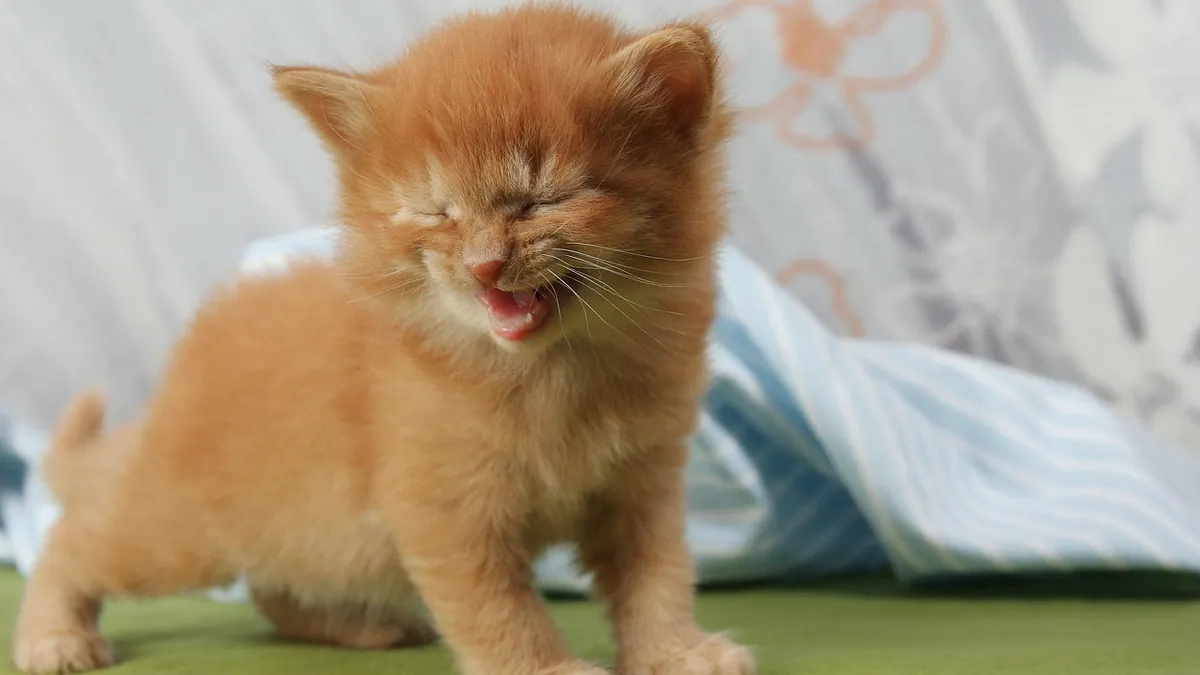
Kittens whine mostly because they need something: food, warmth, attention, a litter box, or comfort in a new place. In most cases the sound is a normal request, not a sign of illness. But because kittens can also whine from pain or stress, it helps to know which sounds and situations need a closer look.
This article is educational and is not a substitute for veterinary diagnosis or treatment.
Quick Answer
- Hunger and mealtime anticipation are the most common triggers. Kittens meow far more when they can see or smell food they cannot reach [1].
- A new home, a new pet, or a change in routine can cause stress whining. Cats that show excessive vocalization along with hiding tend to have higher stress hormone levels [2].
- Sudden whining in a kitten that was quiet before deserves a veterinary check, especially if eating, drinking, peeing, or playing has changed.
- How you respond matters. Passive, calm interaction lowers stress hormones in cats, while forced or rough handling raises them [3].
- Never punish a whining kitten. Punishment adds stress and does not teach the kitten what you want.
Why Does My Kitten Whine So Much? The Normal Reasons First
Whining is one of the main ways a kitten communicates with people. Cats meow much less at each other as they age, so most of that sound is aimed at you. A study of meowing during feeding and play found that kittens and cats meowed significantly more in the feeding context, when they could see and smell food but could not reach it [1]. That tells you a lot about why the sound shows up at 5 a.m. near the food bowl.
Hunger and feeding schedules
Young kittens have small stomachs and fast metabolisms. They get hungry often, and they learn quickly that you are the food source. If meals are spaced too far apart or portions are too small for their age, whining between meals is expected. Free feeding dry food works for some kittens, while others do better with several small wet food meals a day. Ask your veterinarian how much and how often based on your kitten's weight and body condition.
Attention and social contact
Kittens are social. They whine when they want to be picked up, played with, or simply kept company. This is normal, especially in the first weeks after adoption. The tricky part is that attention is a reward. If whining always gets a lap or a toy, the kitten learns that whining works.
Stress and big changes
A move, a new person, a new baby, or a new pet can all trigger whining. Cats that show isolation and excessive vocalization tend to have higher hair cortisol levels, which is a marker of longer-term stress [2]. That does not mean every whining kitten is stressed, but it does mean stress is worth considering when the behavior starts suddenly after a change.
Boredom and too little to do
Indoor cats rely on their owners for enrichment. The same study found that indoor cats with more intentional enrichment, including litter boxes, hiding places, vertical spaces, and predatory play, showed low physiological stress levels [2]. A kitten with nothing to climb, chase, or hide in often whines out of restless energy.
Heat and discomfort from the environment
Kittens cannot cool themselves well. A warm room, a drafty crate, or a hard sleeping spot can all cause fussing. This is easy to fix and easy to miss.
Medical Causes to Rule Out
Sometimes whining is the first sign that something hurts or feels wrong. Kittens hide illness well, so a change in vocalization can be an early clue.
Pain
Pain is a common reason for vocalizing in cats. A study of cats recovering from eye surgery found that pain behaviors included a lowered head position, and that these behaviors changed after pain medication was given [4]. Pain in kittens can come from many places: a broken tooth, an injury, an upset stomach, a urinary blockage, or an ear infection. If the whining has a sharp, urgent quality or comes with a hunched posture, squinting, or reluctance to move, treat it as a pain signal.
Hunger from a medical problem
A kitten that whines for food but is losing weight, vomiting, or having diarrhea may not be absorbing nutrients properly. Intestinal parasites are common in young kittens and can cause constant hunger. Your veterinarian can check a stool sample.
Upper respiratory and sinus problems
Cats with stuffy noses can become restless and vocal. If your kitten is also sneezing or has discharge from the nose or eyes, see these guides on why your cat is sneezing with a runny nose and sneezing with coughing.
Skin and parasite discomfort
Itching can make any cat restless and noisy. If your kitten is scratching, biting at the skin, or losing hair, read about why your cat is so itchy. Fleas are a frequent culprit in kittens.
Hormonal and neurological causes
These are less common in kittens than in adult cats, but they exist. A veterinarian can sort out whether the whining fits a medical pattern.
When Kitten Whining Becomes a Problem
Whining is a problem when it affects the kitten's health or your household's ability to function. Use these questions to judge.
- Is the kitten still eating, drinking, peeing, and pooping normally? If not, call your veterinarian.
- Has the whining changed in pitch, volume, or timing? A new sound in a previously quiet kitten is worth a check.
- Does the whining stop when the need is met? If food, play, or a clean litter box settles it, the cause is likely behavioral.
- Is the kitten whining at night and keeping everyone awake? Sleep disruption is a common reason owners seek help.
- Is the whining paired with pacing, hiding, overgrooming, or aggression? These suggest stress or pain instead of simple hunger.
How long kittens whine varies. Some settle within a few days of coming home. Others take weeks. There is no fixed timeline, and the answer depends on the cause.
What to Do: A Step-by-Step Plan
Step 1: Rule out the basics
Check food, water, litter box, temperature, and whether the kitten has had playtime and social contact in the last few hours. Fix the simple things first.
Step 2: Keep a simple log
Write down when the whining happens, what happened right before, and what you did. Patterns show up fast. You may find it is always 30 minutes before meals or always when you leave the room.
Step 3: Feed on a predictable schedule
Predictable meals reduce anticipation whining. If your veterinarian approves, split the daily food into several small meals. Puzzle feeders can stretch mealtime and give the kitten something to do.
Step 4: Use calm, passive interaction
This is one of the most useful findings for owners. In a study of owner-cat interactions, passive interactions were linked to increased oxytocin and decreased cortisol, while forced interactions showed the opposite pattern [3]. Passive means sitting near the kitten, offering a hand to sniff, talking softly, and letting the kitten choose contact. Forced means grabbing, holding when the kitten wants down, or rough play.
Step 5: Build an enriched environment
Add vertical space, hiding spots, scratching posts, and daily predatory play with a wand toy. Indoor cats with these resources tend to show low stress hormone levels [2]. Play also tires a kitten out, which helps with nighttime whining.
Step 6: Teach quiet behavior
Wait for a pause in the whining before you deliver food or attention. Even a two-second gap is enough to start. If you always respond mid-meow, you teach the kitten that loud equals results.
Step 7: Set up a bedtime routine
Play, then feed, then quiet time in a comfortable, safe room. Kittens often sleep better after a full belly and a good play session.
Step 8: Recheck with your veterinarian if nothing changes
If two to three weeks of consistent effort does not help, the cause may be medical or the behavior may need a professional plan.
What Not to Do
- Do not punish. Yelling, spraying water, or tapping the nose adds stress and can make whining worse. It also damages the bond you need for training.
- Do not ignore a sudden change. A kitten that was quiet and now whines constantly needs a health check, not a training plan.
- Do not assume all whining is hunger. Overfeeding a kitten to stop the noise can cause weight and digestive problems.
- Do not force affection. Forced interaction raised cortisol in cats, while passive contact lowered it [3]. Let the kitten come to you.
- Do not rely on one fix. Whining usually has more than one driver, so combine feeding, play, and environment changes.
When to Involve a Veterinarian or Behavior Professional
Call your veterinarian if the whining is new, intense, or paired with any change in appetite, water intake, litter box habits, breathing, or activity. A veterinary behaviorist or certified behavior consultant can help when medical causes are ruled out and the whining continues despite a solid home plan.
Limitations and When to Contact a Veterinarian
This article gives general guidance. Individual cases need a veterinarian who can examine your kitten, ask about the full history, and run tests if needed.
Contact a veterinarian the same day if your kitten:
- Stops eating or drinking
- Strains to urinate, cries in the litter box, or produces no urine
- Vomits repeatedly or has diarrhea with blood
- Breathes fast, open-mouthed, or with effort
- Seems painful when touched or picked up
Go to an emergency clinic now if your kitten:
- Collapses, has a seizure, or cannot stand
- Has pale or blue gums
- Is bleeding heavily
- Has been hit by a car, fallen, or swallowed something harmful
- Is unresponsive or very weak
Schedule a routine visit if the whining is mild but has lasted more than a few days, or if you cannot tell whether the kitten is in pain. Pain in cats can be subtle, and a study of cats after eye surgery showed that specific postures and behaviors changed once pain medication was given [4]. Your veterinarian can assess pain and calculate any medication dose from your kitten's weight and health.
Frequently Asked Questions
Is it normal for kittens to whine a lot?
Yes, it is common, especially in the first weeks at a new home. Kittens whine for food, warmth, attention, and comfort. The key is whether the kitten is otherwise healthy and whether the whining responds to care.
Why is my cat whining all of a sudden?
A sudden start often points to a change or a health issue. Think about new food, a new schedule, a new pet, or a move. If nothing changed, have your veterinarian check for pain or illness.
How long do kittens whine?
There is no set number. Some settle in days, others take weeks. The timeline depends on the cause, the kitten's temperament, and how consistent your routine is.
Can I train my kitten to stop whining?
Yes, with patience. Reward quiet moments, keep meals predictable, and give plenty of play and enrichment. Avoid giving in during the whining itself, or the behavior gets stronger.
Does whining mean my kitten is in pain?
Not always, but it can. Pain is more likely if the whining is sharp, constant, or comes with hiding, a hunched posture, or not eating. When in doubt, call your veterinarian.
Related Articles
- Why Is My Cat Sneezing So Much And Has A Runny Nose
- Why Is My Cat Sneezing So Much And Coughing
- Why Is My Cat Sneezing All The Time
- Why Is My Cat Sneezing?
- Why Is My Cat So Itchy?
- Why Is Cat Sneezing So Much
- Why Is My Kitten Crying? Causes of Constant Crying
- Why Is My Kitten Yelling at Me? Meowing and Hissing
- Why Is My Kitten So Quiet? Quiet Meows Explained
References
- Vocal signals produced by the domestic cat (Felis silvestris catus) in highly motivating contexts. Journal of comparative psychology (Washington, D.C. : 1983), 2026.
- Stress in Indoor and Outdoor Cats: Association between Hair Cortisol Levels, Housing Style, and Guardians' Perceptions of Behavior. Journal of applied animal welfare science : JAAWS, 2026.
- EXPRESS: The hormonal effects of owner-cat interactions on pet cats of different potential attachment styles. Journal of feline medicine and surgery, 2026.
- Keeping an eye on pain: Characterization of pain behaviours in cats undergoing ophthalmic surgery. Veterinary journal (London, England : 1997), 2026.