How Long Do Kittens Play? Playtime and Rest Needs
By Dr. Zubair Khalid, DVM, MS, PhD ·
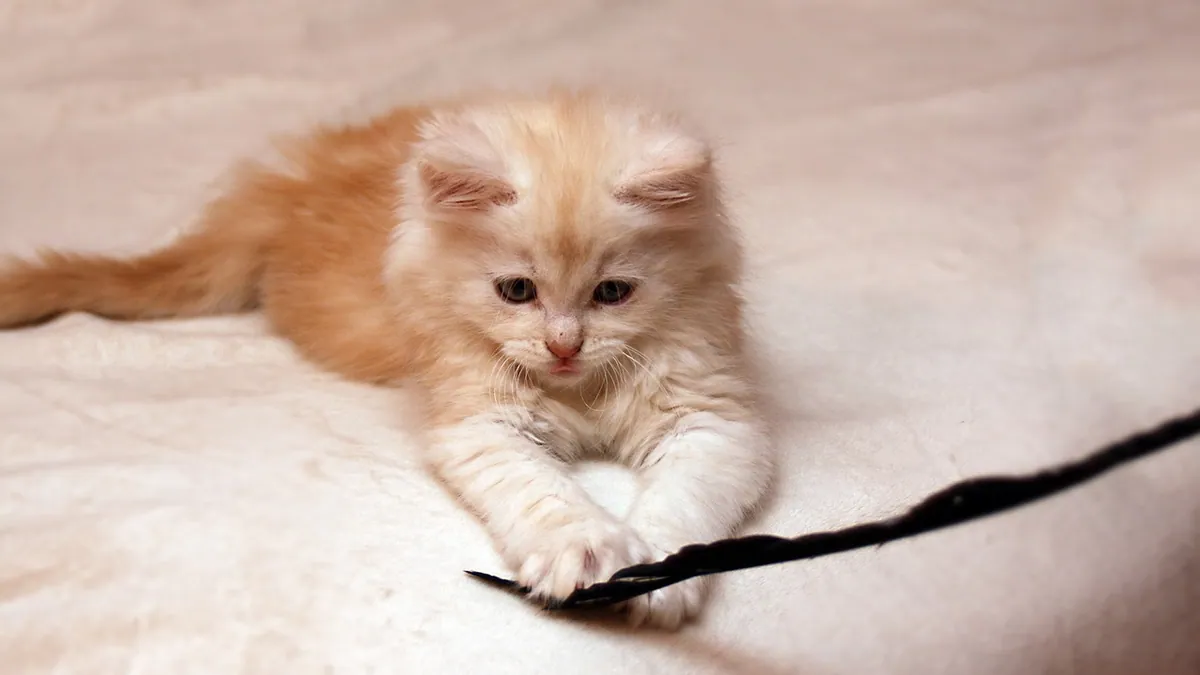
Kittens play in short bursts, usually 10 to 20 minutes at a time, several times a day, then they sleep. A young kitten may spend a few hours total each day in active play, broken into many small sessions. This article is educational and is not a substitute for veterinary diagnosis or treatment.
Quick Answer
- Expect play sessions of roughly 10 to 20 minutes, repeated several times daily, with long naps in between.
- Play peaks in the evening and early morning for many kittens, and young kittens tire fast.
- Play fighting with littermates is normal and usually quiet, with roles swapping back and forth.
- Real aggression looks different: hissing, flattened ears, puffed tail, yowling, and one kitten always losing.
- A tired kitten will slow down, walk away, or stop engaging. Let it rest instead of pushing for more.
Why Kittens Play So Much
Play is how kittens learn. Through chasing, pouncing, and wrestling, they practice hunting skills, build coordination, and learn bite inhibition. This is why a kitten that seems to have endless energy one minute is asleep the next.
Kittens are also social learners. Their early experiences shape how they behave as adults, and the people and animals around them during this window matter [1]. Handling by multiple people and gentle exposure to everyday household life help kittens grow into confident cats [1].
Kittens can leave their mother and littermates once they are weaned, starting around 6 to 7 weeks old [2]. If you bring a kitten home at that age, you become a big part of its social and play life. That is a lot of responsibility, because kittens need attention, feeding, and socialization every day [2].
How long do kittens usually play for?
Most play sessions last about 10 to 20 minutes. After that, a young kitten often needs a nap, even if it protests when you stop. Think of it like a toddler: bursts of activity, then sleep.
Total daily play varies with age. Very young kittens play in many short bursts. Older kittens and adolescents may play longer and harder, sometimes 30 minutes or more if they are really engaged. The exact number matters less than the pattern: play, rest, repeat.
How long do kittens play before they get tired?
A kitten usually tires within 10 to 20 minutes of active play. Signs of tiring include slowing down, losing interest in the toy, panting, or simply walking away. When you see those signs, end the session on a calm note and let the kitten rest.
Some kittens will keep chasing a toy past the point of good judgment because the movement is so exciting. That is your cue to stop, not theirs. A short rest and a drink of water usually reset them.
How long do kittens remain playful?
Kittens stay highly playful through their first several months, and most remain playful into adulthood. The style changes. A 4-month-old may pounce on everything. A 2-year-old may still love a wand toy but with more control.
Kittens need veterinary visits every 3 to 4 weeks until about 6 months old for shots and parasite treatment [2]. Those visits are a good time to ask about your kitten's activity level and any behavior changes.
Play Fighting Versus Real Aggression
How long do kittens play fight?
Play fights can last a few minutes at a time and repeat throughout the day. Normal play fighting is usually quiet. Kittens take turns being on top, pause, and reset. You may see bunny kicks, gentle mouthing, and lots of rolling around.
Watch the body language. Relaxed ears, soft eyes, and loose tails point to play. If both kittens keep coming back for more, it is probably fine.
What real aggression looks like
Real aggression is different. Look for:
- Hissing, spitting, or yowling
- Flattened ears and a puffed tail
- Stiff, tense body posture
- One kitten hiding or avoiding the other
- Fur flying, blood, or injuries
- One kitten always losing and never initiating
If you see these signs, separate the kittens calmly. Do not scold them. Give each kitten its own quiet space with food, water, and a litter box.
If you are introducing a new kitten to a resident cat, hissing and swatting are common at first. For help with that stage, see Cat Hissing at New Kitten: How Long Will It Last?.
Medical Causes to Rule Out
Sometimes what looks like play or restlessness has a medical cause.
Pain or discomfort can make a kitten restless, irritable, or unwilling to play. Dental problems, injuries, and gastrointestinal upset are common culprits. A kitten that suddenly stops playing or seems painful when touched needs a vet visit.
Respiratory problems can also change activity. Brachycephalic cats (flat-faced breeds) can have breathing issues that affect sleep and activity, and surgery can improve those signs in affected cats [3]. If your kitten tires quickly, breathes noisily, or avoids play because of breathing trouble, talk to your veterinarian.
Infectious disease is another reason to watch activity closely. Cats with feline coronavirus can develop feline infectious peritonitis, though this is uncommon in rehomed shelter cats with known status [4]. Lethargy, poor appetite, and fever are reasons to call your vet.
If your kitten stops eating, that is a separate concern. See Cat Not Eating: How Long Is Too Long? and Cat Not Eating But Acting Normal: How Long Can You Wait?.
When Play Becomes a Problem
Play is healthy, but some patterns need attention.
Biting hands and ankles during play is common in kittens that were encouraged to wrestle with hands. It can become a habit that is hard to break. Redirect to toys instead.
Overstimulation is another issue. Some kittens get wound up during play and switch to scratching or biting. Watch for a twitching tail, dilated pupils, and skin rippling along the back. Those are signs to pause.
Play that turns into real fights between kittens is a problem. So is a kitten that cannot settle, plays nonstop, and never seems to rest. That pattern can point to stress, pain, or an environment that is too stimulating.
Cats are often more active at night, especially where they feel safe from predators [5]. If your kitten keeps you up all night, it may simply be following a natural activity pattern. You can shift some of that energy with play before bed.
What to Do: Step by Step
Build a daily play routine
Aim for two to four play sessions a day, each about 10 to 20 minutes. Morning and evening sessions work well for many kittens. End each session with a wind-down, such as a small meal or a calm petting session.
Use the right toys
Wand toys, balls, and crinkle toys let your kitten practice chasing and pouncing without your hands becoming the target. Rotate toys so they stay interesting. Put a few away and bring them out later.
Set up the environment
Cats value vertical space. In a study of cats in a shared setting, elevated structures were important, especially when the space was busy, and cats often chose vertical levels or cat-only rooms [6]. Give your kitten shelves, cat trees, or a quiet room to retreat to.
Provide scratching posts, hiding spots, and a window perch. A kitten with things to do is less likely to invent its own games with your curtains.
Match play to your kitten's energy
Watch for signs of tiring and stop there. A tired kitten that is pushed to keep playing may get cranky or start biting. Rest is part of the routine, not a failure.
Keep social contact positive
Kittens benefit from gentle handling by several people and calm exposure to other friendly animals [1]. Keep early experiences positive and let your kitten set the pace.
What Not to Do
Do not use your hands or feet as toys. It teaches biting, and it hurts when the kitten grows up.
Do not punish a kitten for playing too hard. Punishment does not teach the right behavior and can make a kitten fearful. Redirect to a toy instead.
Do not separate kittens during normal play fighting unless someone is getting hurt. Play fighting is how they learn limits.
Do not assume a kitten is being "bad" when it plays at night. Cats are naturally more active at certain times, and domestic cats can shift their activity based on their surroundings [5]. Work with that pattern instead of fighting it.
Do not skip veterinary care. Kittens need regular visits for vaccinations and parasite treatment, and they should be kept away from unvaccinated cats until their vaccine series is complete [2].
When to Involve a Veterinarian or Behavior Professional
Call your veterinarian if your kitten:
- Stops playing or seems painful
- Breathes noisily or tires very quickly
- Has a sudden change in appetite or energy
- Shows real aggression toward people or other pets
- Cannot settle or rest
A certified behavior professional can help with biting, overstimulation, and multi-cat tension. Your veterinarian can rule out medical causes first.
Limitations and When to Contact a Veterinarian
This article gives general guidance. Every kitten is different, and individual cases need a veterinarian who can examine your pet.
Contact a veterinarian the same day if your kitten:
- Refuses to eat for more than 24 hours
- Vomits repeatedly or has diarrhea
- Seems painful, limps, or cries when touched
- Has a fever or feels warm to the touch
Go to an emergency clinic now if your kitten:
- Struggles to breathe or breathes with an open mouth
- Collapses or cannot stand
- Has a seizure
- Has been hit by a car or had a serious fall
- Cannot urinate (see How Long Can A Cat Live Without Peeing)
Schedule a routine visit if your kitten:
- Is due for vaccines or parasite treatment
- Has a behavior change that worries you
- Is not growing or gaining weight as expected
Kittens need visits every 3 to 4 weeks until about 6 months old [2]. Your veterinarian can also advise on the right vaccination schedule, since maternal immunity affects when vaccines work best [2].
Frequently Asked Questions
How long do kittens play a day?
Most kittens play in many short bursts that add up to a few hours of active time daily. The rest of the day is spent sleeping, eating, and grooming. If your kitten plays in short sessions and rests in between, that is normal.
Do kittens grow out of play fighting?
Most kittens become less intense about play fighting as they mature, but many cats keep playing into adulthood. The behavior usually becomes more controlled with age. If fights become real, separate the cats and talk to your veterinarian.
Is it normal for a kitten to play and then suddenly fall asleep?
Yes. Kittens have high energy but tire quickly, so a sudden nap after play is expected. Let your kitten sleep without disturbance. If your kitten seems weak or collapses instead of simply napping, call your veterinarian.
Can I play with my kitten too much?
You can overdo it if your kitten never gets to rest or if play turns into biting. Watch for signs of tiring and stop there. A calm routine with set play times works better than nonstop activity.
Should I wake my kitten to play?
No. Sleep is important for growth and development, so let a sleeping kitten rest. Play when your kitten is awake and interested. If your kitten sleeps far more than usual or seems hard to wake, contact your veterinarian.
Related Articles
- How Long Do Cats Live? Indoor, Outdoor and Senior Cat Lifespan Guide
- Cat Hissing at New Kitten: How Long Will It Last?
- Cat Not Eating: How Long Is Too Long?
- How Long Can A Cat Live Without Peeing
- Cat Not Eating But Acting Normal: How Long Can You Wait?
- How Long Can A Cat Go Without Peeing Or Pooping
- How Long Do Kittens Sleep? Day and Night Sleep Guide
- How Do Cats Play? Reading Feline Play Behavior
- What Do Kittens Like? Play, Touch, and Comfort
References
- Exploring kitten socialisation practices and welfare implications within a Swedish breeding association. Animal welfare (South Mimms, England), 2026.
- Kitten Care - Cat Owners. Merck Veterinary Manual.
- Ala vestibuloplasty for treatment of feline brachycephalic syndrome: a description of the procedure and long-term outcomes in 27 cats. Journal of feline medicine and surgery, 2026.
- Low incidence of feline infectious peritonitis in rehomed shelter cats with known feline coronavirus status: a cohort study of 767 cats. Journal of feline medicine and surgery, 2026.
- Diel Activity Patterns of Bobcats and Domestic Cats in the Houston Metropolitan Area. microPublication biology, 2026.
- Cats in a Cat Café: Individual Cat Behavior and Interactions with Humans. Animals : an open access journal from MDPI, 2025.