Do Kittens Think You Are Their Mom? Bonding Explained
By Dr. Zubair Khalid, DVM, MS, PhD ·
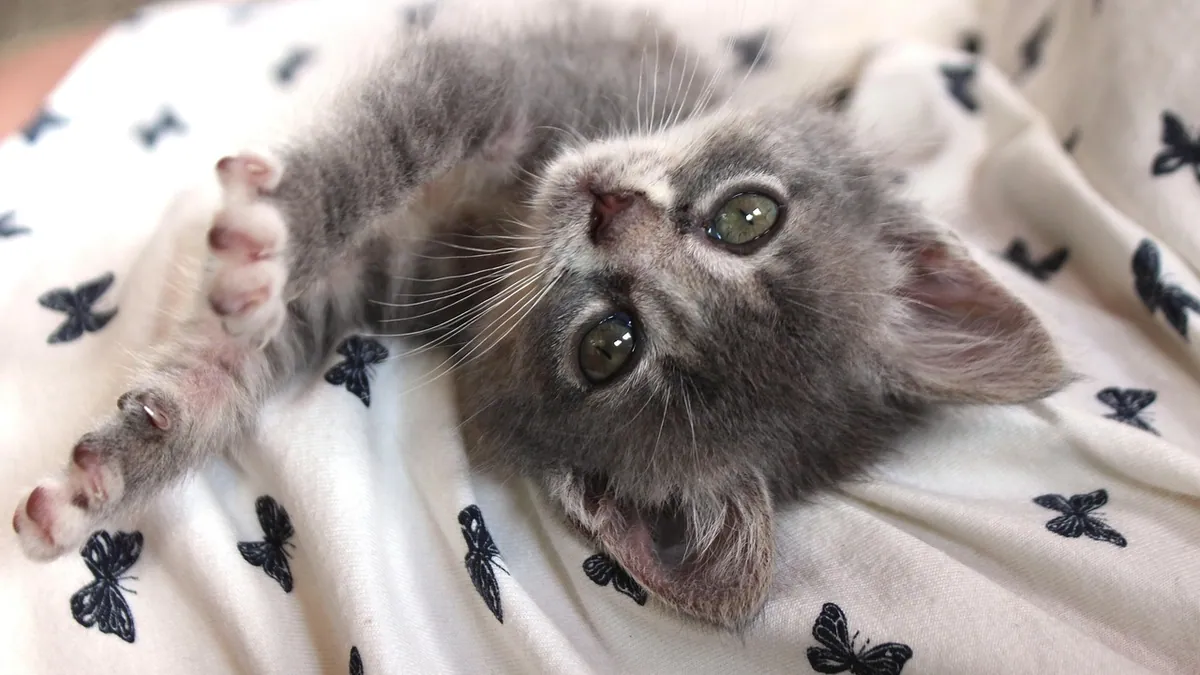
Do kittens think you are their mom? Not in the way a human child thinks of a parent. Kittens form a strong attachment to the person who feeds, handles, and comforts them, and they may treat you much like a mother figure for security and reassurance. This article is educational and is not a substitute for veterinary diagnosis or treatment.
Quick Answer
- Kittens bond to whoever provides food, warmth, and gentle handling, and that person often becomes their safe base.
- Clinginess, following you, and crying when you leave are normal attachment behaviors in young kittens, not proof that they believe you gave birth to them.
- Cats regulate closeness through rubbing, grooming, and nose touching, and they spend most of their time away from other individuals, including people [1].
- Sudden changes in clinginess, hiding, or vocalizing can signal stress or illness and deserve a veterinary check.
- Secure bonds are built with predictable routines, play, and enrichment, not with punishment or forced handling.
Why Kittens Act Like You Are Their Mom
Kittens are born dependent. For the first weeks of life, their mother provides warmth, food, cleaning, and protection. If a kitten is orphaned or separated early, a human caregiver fills that role. The kitten learns that your presence predicts food, comfort, and safety. That is the foundation of attachment.
This does not mean the kitten has a human concept of "mother." It means the kitten has learned that you are a reliable source of security. In cats, social interaction is regulated through distancing, affiliative displays like rubbing and grooming, and antagonistic behaviors like hissing and swatting [1]. When your kitten rubs against your leg, kneads your lap, or follows you room to room, it is using affiliative behavior to keep you close.
Do kittens know who their mom is?
Kittens recognize their mother early through scent, sound, and touch. If they stay with her, they learn her specific cues. If they are separated at a young age, that recognition fades in practical terms, and they transfer their security needs to the caregiver who meets them. So a kitten may not "know" you are not its mother in any abstract sense. It knows you are the individual who keeps it safe.
Do kittens see you as their mother?
Many owners describe it that way, and the behavior can look maternal. Your kitten may cry when you leave the room, sleep against you, and greet you with a raised tail. Research on cat-caregiver attachment shows that cats respond to separation and reunion with their human caregivers, and physical contact increases after separations [2]. That pattern is consistent with an attachment bond, not a literal belief about parentage.
Normal reasons kittens cling
- Hunger and growth. Kittens need frequent meals. Cats prefer to eat multiple small meals throughout the day, roughly 13, when given the choice [1].
- Warmth. Young kittens lose heat quickly and seek a warm body.
- Novelty and fear. A new home is full of unfamiliar sounds and smells. Your presence is familiar.
- Social learning. Kittens learn what to hunt and eat from their mother, and food preferences can be shaped early by what they are offered [1].
- Boredom. A kitten with nothing to do will follow the most interesting thing in the room, which is usually you.
Medical Causes to Rule Out
Some behaviors that look like clinginess are actually signs of a physical problem. A kitten that suddenly becomes Velcro-like, cries more, or stops playing may be uncomfortable.
- Pain or injury. A kitten with a hurt leg or belly may seek you out and resist being put down.
- Hunger from parasites. Intestinal worms and other parasites can leave a kitten hungry and thin.
- Upper respiratory infection. A congested kitten may feel unwell and want warmth and contact.
- Fever or systemic illness. Sick kittens often become quiet, hide, or cling.
- Hypoglycemia in very young kittens. Tiny kittens have limited energy reserves and can become weak between meals.
Cats that show isolation and excessive vocalization can have higher stress hormone levels, based on hair cortisol testing [3]. That does not diagnose a specific disease, but it supports taking sudden behavior changes seriously. Your veterinarian can examine your kitten, check weight and hydration, and test for common parasites.
When Clinginess Becomes a Problem
Clinginess is usually normal in kittens under six months. It becomes a concern when it interferes with daily life or signals distress.
- Your kitten cannot be left alone even briefly without frantic crying or destructive behavior.
- Your kitten stops eating, playing, or using the litter box normally.
- Your kitten hides constantly instead of seeking contact.
- Your kitten vocalizes excessively, especially at night.
- Your kitten becomes clingy after a move, a new pet, or a schedule change and does not settle within a few days.
Stress in cats is not always obvious. A study of indoor and outdoor cats found no significant difference in average hair cortisol levels between the two groups, which suggests that housing style alone does not determine stress [3]. What matters more is whether the cat has resources, hiding places, vertical space, and predictable social contact. Indoor cats in that study were more likely to have enriched environments with litter boxes, hiding spots, and predatory play opportunities [3].
If you are adding another cat to the home, plan the introduction carefully. Sudden changes in household social structure can trigger clingy or hiding behavior. These guides walk you through a slow, scent-based process: Introducing New Kitten and How To Introduce A New Kitten To A Resident Cat.
How to Build a Secure Bond Step by Step
You do not need to become a substitute mother. You need to become a predictable, safe caregiver. Here is how.
1. Set a routine
Feed at consistent times. Cats prefer multiple small meals, so three to four meals a day suits many kittens [1]. Keep play, feeding, and quiet time in a predictable order. Predictability lowers arousal and builds trust.
2. Let the kitten choose contact
Sit on the floor and let your kitten approach you. Offer a hand for sniffing. If the kitten rubs against you, that is an affiliative invitation [1]. If it walks away, let it go. Forced cuddling teaches a kitten that hands are unpredictable.
3. Use play to build confidence
Kittens learn through play. Use wand toys, small balls, and paper bags. Rotate toys so they stay interesting. Play mimics hunting and gives the kitten an outlet for energy. End play with a small meal or treat to complete the sequence.
4. Provide enrichment
Set up the environment so the kitten does not need to cling to you for entertainment.
- Litter boxes in quiet, accessible spots.
- Hiding places like boxes, cat tunnels, and covered beds.
- Vertical space such as cat trees and shelves.
- Scratching posts.
- Window perches for watching birds and light.
- Food puzzles or scattered kibble to encourage foraging.
These resources are linked to lower stress in indoor cats [3].
5. Handle gently and briefly
Short, positive handling sessions build tolerance. Touch paws, ears, and mouth for a few seconds, then reward. This makes future veterinary exams easier. Stop before the kitten struggles.
6. Talk to your kitten
Cats respond to human voices and emotional cues. Research on cat emotion perception shows that cats gaze longer at negatively valenced visual stimuli, which suggests they pay attention to emotional signals [4]. A calm, soft voice supports a calm kitten.
7. Manage departures and returns
Do not make a big production of leaving. Give the kitten a food puzzle or a favorite toy as you go. When you return, greet calmly and offer play or a meal. Research on attachment behavior shows that physical contact increases after separations [2], so expect your kitten to want closeness when you come back. That is normal.
8. Consider a companion
Some kittens do better with another kitten of similar age. If you already have a cat, introduce them slowly. These articles cover the process in detail: How Do You Introduce A New Cat To Your Cats and Introducing A New Cat To A Cat.
What Not to Do
- Do not punish clinginess. Yelling, spraying water, or pushing a kitten away increases fear and can damage the bond.
- Do not lock a crying kitten in a room alone for long periods. Young kittens need social contact and warmth.
- Do not assume a kitten is being manipulative. Cats do not scheme the way humans do. They respond to what works.
- Do not force handling. A kitten that learns hands are safe will seek them out.
- Do not skip meals to reduce clinginess. Kittens need regular nutrition.
- Do not believe the myth that cats are solitary and do not need company. Cats are flexible in their social needs, and many form strong attachments to people [1][2].
- Do not ignore sudden behavior changes. A previously independent kitten that becomes clingy overnight may be sick.
When to Involve a Veterinarian or Behavior Professional
Call your veterinarian if your kitten shows any of these signs.
- Not eating or drinking for more than 12 hours.
- Vomiting, diarrhea, or straining to urinate.
- Lethargy, weakness, or collapse.
- Difficulty breathing or open-mouth breathing.
- Crying that does not stop when comforted.
- Sudden hiding, aggression, or avoidance of touch.
- Weight loss or a swollen abdomen.
A certified behavior professional can help if your kitten shows intense separation distress, destructive behavior, or aggression that does not improve with routine and enrichment. Your veterinarian can rule out medical causes first and then refer you.
Limitations and When to Contact a Veterinarian
Kitten behavior is shaped by genetics, early experience, health, and environment. No article can tell you exactly what your kitten is thinking. If you are unsure whether a behavior is normal, ask your veterinarian.
Contact a veterinarian the same day if your kitten stops eating, has repeated vomiting or diarrhea, or seems painful when picked up. Seek emergency care now if your kitten is struggling to breathe, is limp or unresponsive, has a seizure, or cannot urinate. Schedule a routine visit for gradual changes in appetite, play, or social behavior, and for any new kitten exam, vaccine, or deworming question. Individual cases need a veterinarian who can examine your pet.
Frequently Asked Questions
Do kittens think their owner is their mom?
Kittens do not form a human concept of motherhood, but they do form attachment bonds. They learn that you provide food, warmth, and safety, and they may treat you as a secure base. That is why they follow you, cry when you leave, and seek contact when you return.
At what age do kittens stop being clingy?
Many kittens become more independent as they grow, but the timeline varies. Some stay affectionate into adulthood. The shift depends on temperament, early socialization, and whether their environment meets their needs for play and exploration.
Why does my kitten cry when I leave the room?
Your kitten has learned that you are a source of security and may protest separation. This is normal in young kittens. Give a food puzzle or toy before you leave, keep departures calm, and provide a consistent routine so the kitten learns you always come back.
Can a kitten bond with more than one person?
Yes. Kittens can form attachments to multiple caregivers. Each person should use the same gentle handling and predictable routines. A kitten may still have a preferred person, which is normal and not a sign of a problem.
Is it bad to let my kitten sleep with me?
It is not inherently bad, and many owners enjoy it. The main risks are rolling onto a very small kitten or a kitten getting trapped. If your kitten is tiny or fragile, a safe sleep setup near your bed is a reasonable compromise. Ask your veterinarian if you have concerns about your kitten's size or health.
Related Articles
- Introducing New Kitten
- How To Introduce A New Kitten To A Resident Cat
- How Do You Introduce A New Cat To Your Cats
- Introducing A New Cat To A Cat
- Why Are Cats So Cute? The Science Behind Feline Adorableness
- Does My Cat See Me as Its Mom? Bonding Signs Explained
- Do Kittens Remember Their Mother? What Science Says
- How to Tell If Your Cat Loves You: Real Signs of Bonding
References
- Social Behavior of Cats - Behavior. Merck Veterinary Manual.
- Impact of Living Environment on Attachment Behaviour in Domestic Cats from Private Homes and Shelters. Animals : an open access journal from MDPI, 2025.
- Stress in Indoor and Outdoor Cats: Association between Hair Cortisol Levels, Housing Style, and Guardians' Perceptions of Behavior. Journal of applied animal welfare science : JAAWS, 2026.
- Purr-ceiving feelings: domestic cats respond to intraspecific cues of emotion. PeerJ, 2026.