Dry Eye in Dogs: Symptoms, Causes, and Treatment
By Dr. Zubair Khalid, DVM, MS, PhD ·
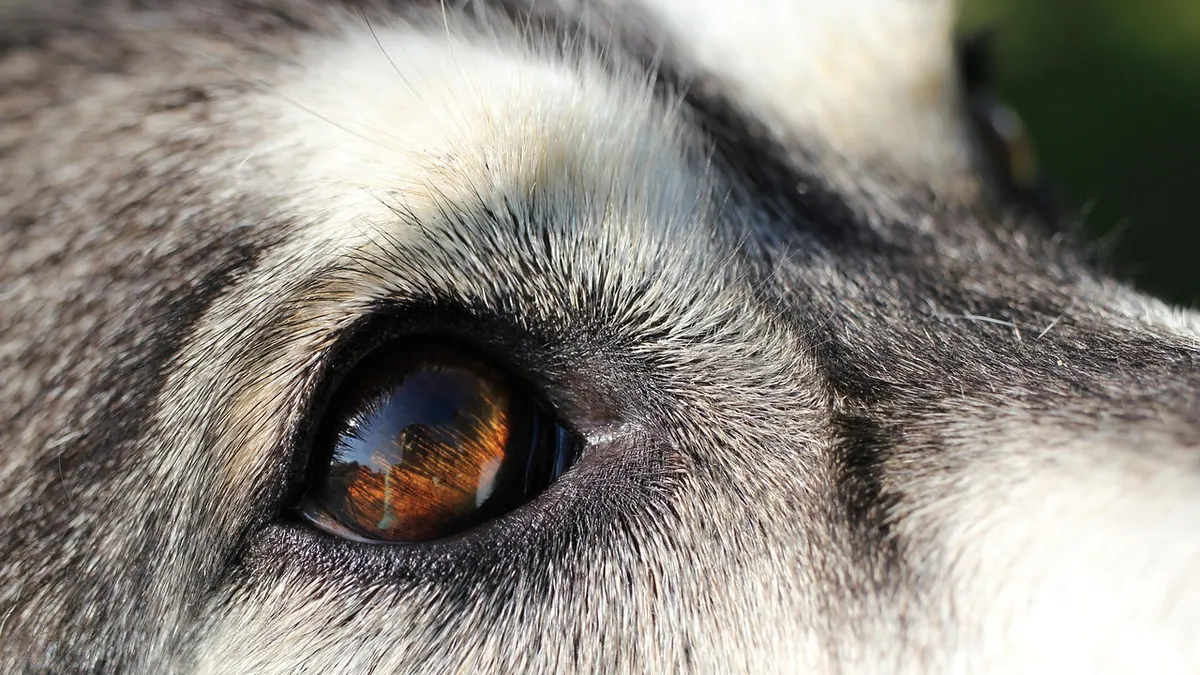
Dry eye in dogs treatment almost always involves prescription eye drops that help the tear glands work again, plus artificial tears to keep the eye comfortable. Most dogs need this care for life, because the condition rarely goes away on its own. Without treatment, the cornea can scar, darken, and eventually lose vision. This article is educational and is not a substitute for veterinary diagnosis or treatment.
Quick Answer
- Dry eye, also called keratoconjunctivitis sicca or KCS, happens when the tear glands stop making enough watery tears.
- The classic signs are thick yellow or green discharge, squinting, redness, and a dull or cloudy eye.
- Diagnosis is quick and painless. Your vet uses a Schirmer tear test strip to measure tear production in about one minute.
- Most dogs need a tear-stimulating medication such as cyclosporine or tacrolimus for the rest of their lives, plus artificial tears.
- Untreated dry eye is painful and can permanently damage the cornea, so early treatment protects vision.
What Dry Eye in Dogs Actually Is
The cornea is the clear dome on the front of your dog's eye. It protects the eye and helps focus light onto the retina [1]. That clear surface depends on a steady film of tears to stay moist, smooth, and healthy.
In a dog with dry eye, the tear glands do not produce enough of the watery part of the tear film. The medical name is keratoconjunctivitis sicca, or KCS. The "sicca" part simply means dry.
This is an immune-mediated disorder in many dogs, meaning the body's own defenses damage the tear-producing glands [2]. The result is ongoing inflammation on the eye surface and a real risk of vision loss [2].
Dry eye is not the same as a dog who simply has watery eyes from allergies. It is a shortage of tears, and it gets worse over time without treatment.
Dry Eye in Dogs Symptoms: What You Will Notice First
Owners often spot the discharge before anything else. It tends to be thick, sticky, and yellow or green, and it clings to the eye and the fur below it. You may find yourself wiping your dog's eyes several times a day.
Other common signs include:
- Squinting or holding one or both eyes partly closed
- Frequent blinking or pawing at the face
- Red, bloodshot eyes
- A dull, cloudy, or bluish look to the cornea
- Rubbing the face on furniture or carpet
- Reluctance to go outside in bright light
Squinting and watering are classic signs of corneal pain, which often means a sore or ulcer has formed [1]. If you see redness along with discharge, our guide to why are my dog's eyes red can help you sort out what you are looking at.
Some dogs also develop conjunctivitis, which is inflammation of the pink tissue around the eye. Conjunctivitis in dogs treatment depends on the cause, and in dry eye cases the underlying tear shortage has to be managed first.
Dry Eye in Dogs Causes and Risk Factors
Several different problems can lead to dry eye. Your vet will consider all of them.
Immune-mediated disease. This is the most common cause. The immune system attacks the tear glands, and tear production drops [2].
Certain breeds. Breed tendencies are well documented. A survey of veterinarians practicing ophthalmology found that Toy Poodles, Shiba Inus, Shih Tzus, Chihuahuas, Miniature Dachshunds, and French Bulldogs were among the most frequently presented breeds for eye problems [3].
Medications. A study of 128 dogs found that systemic ivermectin treatment reduced tear production, with Schirmer tear test values dropping significantly 36 hours after treatment [4]. Even at recommended doses, ivermectin may push susceptible dogs toward subclinical dry eye, so tear testing is wise for dogs on this drug [4].
Infections and other illnesses. Juvenile dogs with canine parvovirus had significantly lower tear production and eye pressure than healthy dogs in one study of 70 dogs [5]. Dehydration and systemic illness can also affect the tear film.
Nerve damage or trauma. Injury to the nerves that control tear production, or to the glands themselves, can cause dry eye. Your vet will check the eyelids and eye shape as part of the exam, because the eye will not improve until those issues are controlled [1].
How Dry Eye Is Diagnosed
Diagnosis starts with a full eye exam. Your vet looks at the eyelids, the conjunctiva, and the cornea, and checks for foreign objects or eyelid abnormalities that could be contributing [1].
The main test is the Schirmer tear test. A small paper strip is placed inside the lower eyelid for about a minute, and the strip wicks up tears. The wet length is measured in millimeters per minute. Healthy dogs generally measure 15 mm/min or higher, while dogs with dry eye measure lower [6].
Your vet may also use fluorescein dye to check for corneal ulcers, and a tear film breakup time test to see how long tears stay stable on the eye surface.
Newer imaging can add detail. In one study, dogs with dry eye had a much thicker outer corneal layer than healthy dogs, with a median of 105.0 micrometers compared with 73.0 micrometers in healthy eyes [6]. Tear production and tear stability were both linked to that thickness [6]. This kind of testing helps your vet track how the eye surface is responding.
Dry Eye in Dogs Treatment Options
Treatment has two goals. The first is to get the tear glands producing again. The second is to keep the eye comfortable and protected while that happens.
Tear Stimulants
These are prescription medications that encourage the tear glands to work. Cyclosporine and tacrolimus are the two most commonly used. They usually take several weeks to show full effect, and most dogs stay on them for life.
A recent trial tested a compounded 0.03% tacrolimus in cross-linked hyaluronic acid in 16 dogs with evaporative dry eye, a form where tear production is normal but tears are unstable. Tear production rose from 18.7 to 21.7 mm/min by day 45, and tear film stability improved from 3.3 seconds at baseline to 8.1 seconds at day 45 [7]. That is a meaningful change for an eye that could not hold moisture.
Artificial Tears and Lubricants
These do not fix the glands, but they coat and soothe the eye between doses of the stimulant. Your vet will recommend how often to apply them. Some dogs need them several times a day at first.
Anti-Inflammatory Medication
Because dry eye involves ongoing inflammation, your vet may prescribe a topical steroid or another anti-inflammatory drop. These are used carefully, since steroids can worsen a corneal ulcer.
Antibiotics
Thick discharge often contains bacteria. Your vet may prescribe an antibiotic drop or ointment to clear the infection. This treats the infection, not the dry eye itself.
Newer and Emerging Options
Mesenchymal stem cell therapy is being studied for KCS because it may help restore lacrimal gland function instead of only relieving symptoms [8]. Current treatments like tear stimulants and artificial tears mainly offer symptom relief without restoring gland function [8]. Stem cell therapy is not yet a standard treatment, so ask your vet whether a clinical trial is appropriate for your dog.
A Note on Dosing
Your veterinarian calculates every dose from your dog's weight, the specific product, and how severe the dry eye is. Never adjust or stop a prescription eye medication on your own, even if the eye looks normal again.
What Dry Eye in Dogs Treatment Costs
Costs vary widely by region, clinic, and medication. Your vet can give you a written estimate before you start.
| Item | What to Expect |
|---|---|
| Initial exam and Schirmer tear test | One-time cost at the first visit |
| Recheck exams | Every few weeks at first, then less often |
| Tear-stimulating drops | Ongoing monthly cost for life |
| Artificial tears | Ongoing, varies with how often you use them |
| Antibiotics or anti-inflammatories | Short-term cost during flare-ups |
| Blood work before some medications | One-time or periodic |
The biggest budget item is the tear stimulant, because it is a lifelong prescription. Compounded versions are sometimes less expensive than brand-name products, and your vet can discuss options. Ask about refill schedules so you never run out.
Recovery, Outlook, and Long-Term Management
Most dogs improve within a few weeks of starting treatment, but the improvement is usually maintained only while the medication continues. This is a lifelong condition for most dogs.
Here is what long-term care looks like:
- Give the tear stimulant on schedule, every day, even when the eye looks great.
- Keep artificial tears on hand for dry days, car rides, and windy weather.
- Go to recheck appointments so your vet can repeat the Schirmer tear test and adjust treatment.
- Watch for new squinting or a sudden change in discharge, which can signal an ulcer.
- Keep the fur around the eyes clean and dry to reduce skin irritation.
If your dog also has goopy eyes from other causes, our article on eye goop in dogs explains what different types of discharge can mean.
Untreated dry eye is progressive. The cornea can develop blood vessels, pigment, and scar tissue, and the surface can become cloudy [1]. Over time that damage can reduce or eliminate vision. Treatment does not reverse existing scars, which is why starting early matters so much.
Prevention
You cannot prevent immune-mediated dry eye, but you can lower the odds of it going unnoticed or getting worse.
- Know your breed's risk. If you have a Toy Poodle, Shih Tzu, Chihuahua, Miniature Dachshund, French Bulldog, or Shiba Inu, mention eye health at every wellness visit [3].
- Ask about tear testing if your dog takes systemic ivermectin, since tear production can drop after treatment [4].
- Bring your dog in promptly for any squinting, redness, or new discharge.
- Keep up with vaccines and general care, since systemic illness can affect the eyes [5].
- Never use leftover eye medication from a previous problem or from another pet.
Limitations and When to Contact a Veterinarian
This article covers general information only. Your dog's individual case needs a veterinarian who can examine the eye, run tests, and prescribe treatment.
Contact your vet the same day if you notice:
- New squinting or holding an eye closed
- Thick yellow or green discharge that appeared suddenly
- Redness that is getting worse
- Your dog pawing at the face or rubbing the eye
Seek emergency care right away if:
- The eye looks cloudy, blue, or bulging
- Your dog cries out when the eye area is touched
- There is sudden vision loss or the eye seems to be sinking or changing shape
- Your dog is lethargic, vomiting, or has stopped eating along with the eye problem
Call for a routine visit if your dog has chronic discharge, a dull-looking eye, or a known diagnosis that seems to be flaring up. If you are unsure whether a symptom is urgent, call the clinic and describe what you see. They can tell you whether to come in now or wait.
Frequently Asked Questions
Can dry eye in dogs be cured?
In most dogs, dry eye cannot be cured, only managed. The immune-mediated form damages the tear glands, and tear production usually stays low without medication [2]. Some dogs improve enough that the dose can be lowered, but this should only happen under veterinary guidance.
Is dry eye painful for my dog?
Yes, dry eye causes real discomfort. The cornea is one of the most sensitive tissues in the body, and a lack of tears leaves it exposed and irritated. Squinting and pawing at the face are signs your dog is hurting, not just being fussy.
Can I use human eye drops on my dog?
Do not use human eye drops unless your veterinarian specifically approves them. Some human products contain preservatives or medications that can irritate or damage a dog's eye. Your vet can recommend a safe lubricant made for pets.
Will my dog go blind from dry eye?
Many dogs keep good vision with consistent treatment. Blindness happens mainly when dry eye goes untreated for a long time and the cornea develops scarring, pigment, or blood vessels [1]. Starting treatment early gives your dog the best chance of keeping clear vision.
How often does my dog need rechecks?
Expect more frequent visits early on, often every few weeks, so your vet can repeat the Schirmer tear test and adjust medication. Once tear production is stable, rechecks usually spread out to a few times a year. Any new squinting or discharge means an earlier visit, not a wait-and-see approach.
Related Articles
- Why Are My Dog's Eyes Red?
- Dog Ear Infection Symptoms And Treatment
- Eye Goop In Dogs
- Dog Eye Infection Home Care: What Is Safe and When to See a Vet
- Dog Eye Goop Treatment
- Dog Dehydration Symptoms Treatment
- Dog Eye Infection: Symptoms, Treatment, and When to Worry
- Conjunctivitis in Dogs: Causes, Contagion, and Treatment
- Dry Eye in Cats: Symptoms and Treatment Options
References
- Disorders of the Cornea in Dogs - Dog Owners. Merck Veterinary Manual.
- Tear Protein Alteration in Dogs with Keratoconjunctivitis Sicca. Animals : an open access journal from MDPI, 2026.
- Common Ophthalmic Conditions in Popular Dog Breeds in Japan: Insights From a Survey of 105 Veterinarians Practicing Ophthalmology. Veterinary ophthalmology, 2026.
- Systemic Ivermectin Administration Reduces Aqueous Tear Production and Affects Ocular Surface Health in Clinically Healthy Dogs. Veterinary ophthalmology, 2026.
- Ocular Manifestations of Canine Parvovirus in Juvenile Dogs: Tear Production, Intraocular Pressure, Fundoscopic Findings, and Ultrasonographic Measurements. Veterinary medicine and science, 2026.
- Evaluation of the Cornea of Dogs With Dry Eye Disease Using Spectral Domain Optical Coherence Tomography. Veterinary ophthalmology, 2026.
- Compounded 0.03% Tacrolimus in Cross-Linked Hyaluronate Improves Ocular Surface Health in Dogs With Evaporative Dry Eye Disease. Veterinary ophthalmology, 2026.
- Clinical Outcomes of Stem Cell Therapy in Dogs With Keratoconjunctivitis Sicca; A Systematic Review and Meta-Analysis. Veterinary ophthalmology, 2026.