Dog Ear Infection Symptoms And Treatment
By Dr. Zubair Khalid, DVM, MS, PhD ·
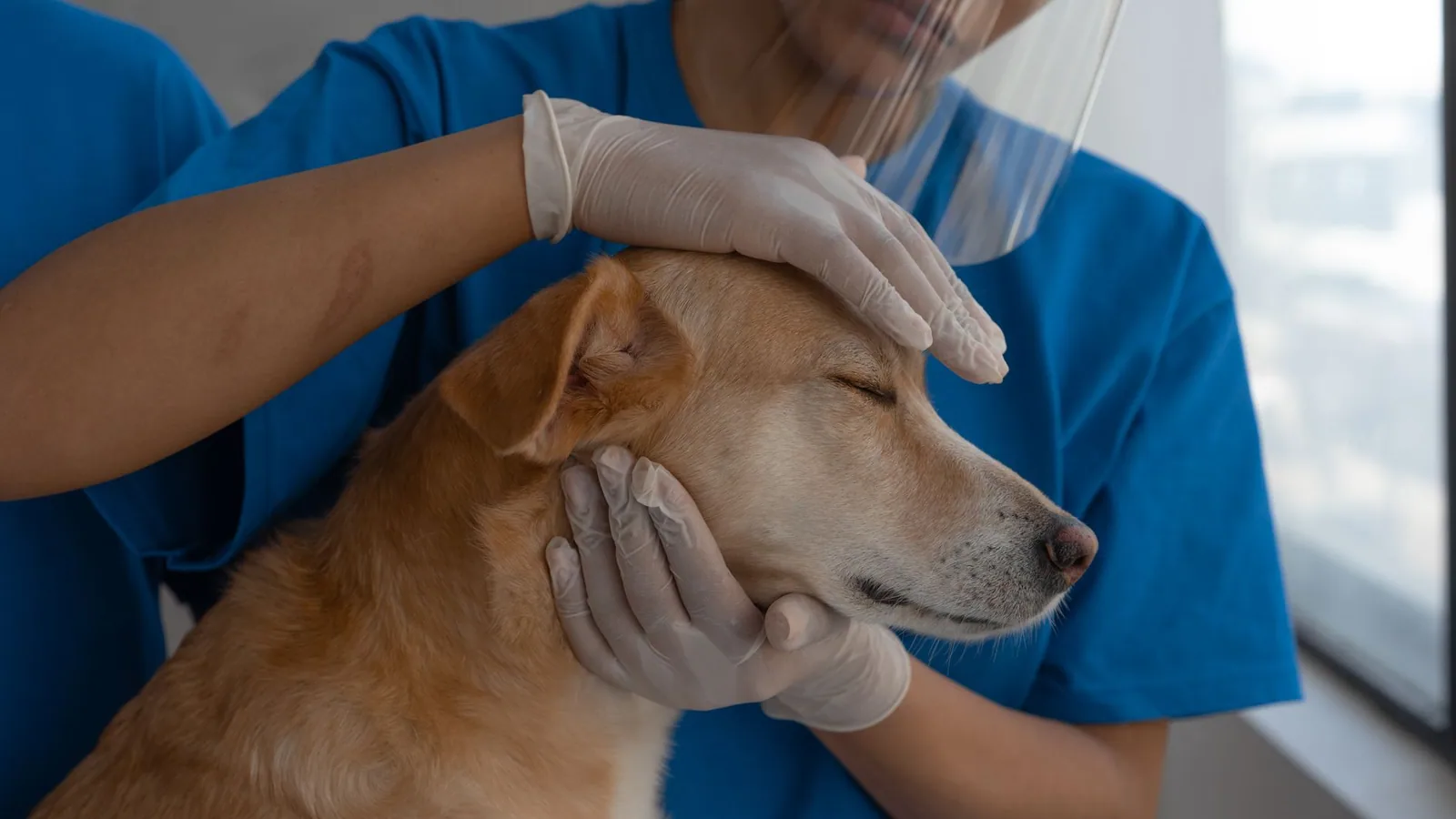
Key Takeaways
- Ear infections (otitis externa) in dogs are commonly triggered by underlying allergies (atopic dermatitis or food allergy), leading to inflamed ear canals susceptible to secondary bacterial (e.g., Staphylococcus, Pseudomonas) or yeast (Malassezia) proliferation.
- Characteristic clinical signs include characteristic ear odours (musty/sweet for yeast, foul/fishy for bacteria), discharge (yellow, brown, black wax, pus, or blood), redness, swelling, and pain, often manifesting as head shaking or scratching.
- Definitive diagnosis by a veterinarian is crucial and involves otoscopic examination to assess the tympanic membrane and cytology to identify causative microorganisms; culture and sensitivity testing may be indicated for recurrent or severe cases.
- Treatment typically combines topical medications (antibiotics, antifungals, anti-inflammatories) with potential oral systemic therapy, alongside veterinary-recommended ear cleaning to remove debris, and management of underlying allergic conditions.
- Prompt veterinary attention is required for severe pain, balance issues (head tilt, stumbling), or the presence of blood or pus, which may indicate middle or inner ear involvement (otitis media/interna).
- Preventative measures include thorough ear drying after water exposure, weekly ear checks for early detection, judicious ear cleaning as advised by a veterinarian, and consistent management of diagnosed allergies.
Quick answer: Head shaking is a classic sign of ear discomfort. It often indicates an infection, foreign material (like a grass awn), or excess moisture in the ear canal.
Ear infections (otitis externa) are among the most common reasons dogs visit the veterinarian. Whether caused by bacteria, yeast, or underlying allergies, recognising the signs early can prevent chronic issues and hearing loss. This guide covers the symptoms, treatment options, and when you should seek professional veterinary care.
Quick Q&A: Common Questions
Question: Why is my dog shaking its head?
Answer: Head shaking is a classic sign of ear discomfort. It often indicates an infection, foreign material (like a grass awn), or excess moisture in the ear canal. If the behaviour persists for more than a day, veterinary examination is recommended.
Causes of Dog Ear Infections
Ear infections rarely develop in a vacuum. The underlying cause is often a combination of factors:
- Allergies (atopic dermatitis or food allergy): This is the most common trigger. Inflamed skin in the ear canal creates a perfect environment for secondary infection with bacteria (Staphylococcus, Pseudomonas) or yeast (Malassezia).
- Moisture: Swimming, bathing, or living in humid climates can promote growth of microorganisms. Floppy-eared breeds (Cocker Spaniels, Labrador Retrievers) are especially prone.
- Anatomy: Narrow or hairy ear canals can trap debris and wax.
- Foreign bodies: Grass seeds or foxtails can lodge deep in the canal.
Recognising the Symptoms
The hallmark signs of a dog ear infection are easy to spot if you know what to look for. Clinical signs include:
- Odour: A musty or sweet smell often indicates yeast, while a foul or fishy odour suggests bacterial infection.
- Discharge: Yellow, brown, or black wax; sometimes pus or blood.
- Redness and swelling: The inner ear flap or canal may appear inflamed.
- Pain: Your dog may yelp when you touch its head or ears.
- Balance issues: In severe cases affecting the middle or inner ear (otitis media/interna), you may notice head tilt or stumbling.
What to Expect at the Vet
According to current consensus guidelines from the American Veterinary Medical Association (AVMA) and the Australian Veterinary Association (AVA), a proper diagnosis is essential before treatment. The veterinarian will likely:
- Perform an otoscopic examination to check the eardrum (tympanic membrane) for rupture. This is critical because some topical medications can be dangerous if the eardrum is damaged.
- Take a sample (cytology) from the ear canal to identify the type of organism (bacteria vs. yeast) and whether any bacteria are rod-shaped (often harder to treat).
- Culture and sensitivity testing if infections are recurrent or severe.
Treatment Options
Treatment depends on the cause and severity. In most cases, a combination of topical and systemic therapy is used:
- Topical ear medications: These usually contain antibiotics, antifungals, and anti-inflammatory agents (corticosteroids). They are applied directly into the ear canal after gentle cleaning.
- Oral antibiotics or antifungals: Required for deep infections or when the eardrum is ruptured.
- Ear cleaning: A veterinary-recommended ear cleaner can be used to remove debris before medication. Never use cotton swabs in the ear canal; they can push debris deeper.
If an underlying allergy is suspected, your vet may recommend dietary trials (for food allergy) or allergy medication (for atopic dermatitis). Consistent management of the underlying condition is the key to preventing recurrence, as emphasised by the Companion Animal Parasite Council (CAPC) and European Medicines Agency (EMA) guidelines.
Home Care and Prevention
You can reduce the risk of ear infections with a few simple habits:
- Dry ears thoroughly after swimming or bathing. Use a soft cloth or a gentle ear-drying solution.
- Check ears weekly for redness, odour, or excess wax. Early detection can avoid lengthy treatment.
- Avoid over-cleaning. Too much cleaning can strip protective oils and irritate the ear canal. Follow your vet’s advice on frequency.
- Manage allergies. Work with your veterinarian to control environmental or food allergies with appropriate medications or diet changes.
When to call the vet immediately: If your dog shows severe pain, head tilt, loss of balance, or if there is blood or pus in the ear, seek prompt veterinary attention.
By staying alert to the symptoms of dog ear infections and following a treatment plan guided by your veterinarian, you can help your dog avoid chronic discomfort and potential hearing loss.