Dog Eye Infection Home Care: What Is Safe and When to See a Vet
By Dr. Zubair Khalid, DVM, MS, PhD ·
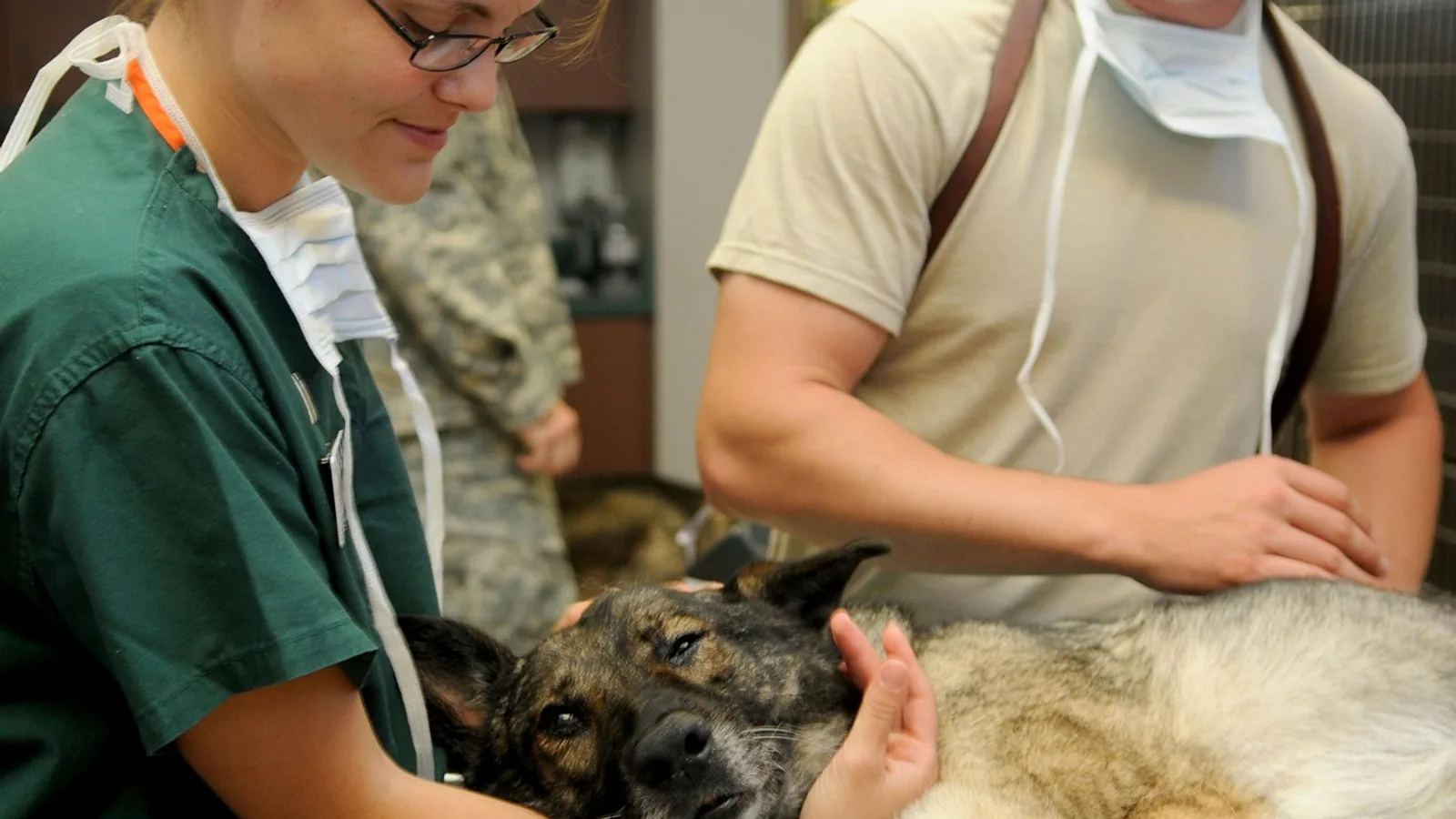
If your dog is squinting, pawing at its eye, or has discharge, you may wonder if you can manage the problem at home. While some mild infections can be supported with careful home hygiene, a proper diagnosis from a veterinarian is essential before beginning any treatment. Eye infections can quickly worsen and lead to corneal ulcers, vision loss, or even the need for surgical removal of the eye.
This article provides safe, clinical-backed guidance on how to treat a dog eye infection at home, but only as a supplement to professional veterinary care. Always consult your veterinarian first.
Key Takeaways
- True canine ocular infections (bacterial conjunctivitis, corneal ulcers, uveitis) require formal veterinary ophthalmic diagnosis and prescription antimicrobial therapy; there are NO safe over-the-counter home antibiotic cures.
- Safe home supportive care is strictly limited to flushing discharge: gently cleanse crusts and exudate around the eyelids using sterile, preservative-free saline eye wash (0.9% NaCl) and clean cotton pads.
- NEVER use leftover human or pet eye drops containing corticosteroids (hydrocortisone, dexamethasone, prednisolone); steroids cause rapid corneal melting and permanent blindness if a corneal scratch/ulcer is present.
- Never administer human Visine, redness relievers, or essential oils into a dog's eye, as these cause severe chemical keratitis and acute pain.
- Emergency veterinary evaluation is mandatory if the dog shows blepharospasm (squinting/holding eye shut), corneal cloudiness/bluish haze, purulent yellow/green discharge, or a swollen protruding eyeball.
Quick Q&A: Common Questions
Question: Can I use human eye drops for my dog’s eye infection?
Answer: No. Never use over-the-counter human eye drops (e.g., Visine, artificial tears) or leftover antibiotic drops without veterinary approval. Many contain ingredients like steroids or decongestants that can mask symptoms, worsen infections, or damage the cornea. Only use products specifically prescribed or recommended by your vet for your dog’s condition.
Understanding Dog Eye Infections
Dog eye infections are most commonly caused by bacteria, but viruses, fungi, and foreign bodies (like grass seeds or dust) can also trigger inflammation and infection. The clinical term for inflammation of the outer eye tissues is conjunctivitis. However, infections can also affect the cornea (keratitis) or deeper structures.
Common signs include:
- Redness of the white of the eye or inner eyelids
- Yellow, green, or watery discharge
- Squinting or blinking more than usual
- Pawing or rubbing at the eye
- Swelling around the eye
- Cloudiness of the cornea (advanced cases)
If your dog shows any of these signs, a veterinary examination is strongly recommended before you start any home care.
Safe Home Care for Mild Eye Infections
If your vet has already diagnosed a non-urgent eye infection (e.g., mild bacterial conjunctivitis) and provided treatment, you can support recovery at home. The following steps are considered safe general supportive care, but always follow your vet’s specific instructions.
1. Gentle Cleaning of the Eye Area
Keep the area around the eye clean to reduce irritation and re-infection. Use a separate clean cotton ball or soft cloth for each eye to avoid cross-contamination.
What to use: Sterile saline solution (same as contact lens solution, without additives) or cooled boiled water. How to do it: Dampen a cotton ball and gently wipe from the inner corner of the eye outward. Do not touch the eyeball itself. Repeat 2-3 times daily. Dispose of used cotton balls immediately.
2. Warm Compresses (for Styes or Inflamed Glands)
If your dog has a localised swelling on the eyelid (a stye or chalazion), a warm compress can help increase blood flow and encourage drainage. Do not attempt to squeeze any bump.
How to do it: Soak a clean washcloth in warm water (test on your wrist), wring it out, and hold it gently over the affected eye for 5-10 minutes, 3-4 times a day. Be sure your dog is comfortable; you can distract with treats.
3. Apply Medicated Eye Drops or Ointments as Prescribed
If your vet has prescribed topical antibiotics or anti-inflammatories, administer exactly as directed. Common products include triple antibiotic ointment (veterinary grade) or lubricating drops.
Tip: Warm the dropper bottle in your hand for a minute to make the drops less startling. Hold the bottle parallel to the eye, let a single drop fall into the lower eyelid pocket without touching the eye surface.
What NOT to Do at Home
- Do not use hydrogen peroxide, alcohol, vinegar, or herbal rinses. These can cause severe pain and corneal damage.
- Do not use leftover human or animal eye medications.
- Do not attempt to remove a foreign body yourself; this can push it deeper or scratch the cornea.
- Do not put a collar or bandage over the eye unless instructed by your vet (this can trap infection).
When to See a Veterinarian Immediately
Home care is only appropriate for confirmed mild cases. You must seek emergency veterinary attention if your dog shows:
- Sudden onset of eye pain (screaming, hiding)
- Cloudy or blue-tinted cornea
- Blood in the eye
- Protrusion of the eyeball
- Pupil abnormalities (different sizes, irregular shape)
- Squinting that does not improve within 24 hours
According to American Animal Hospital Association (AAHA) and American Veterinary Medical Association (AVMA) consensus statements, delayed treatment of corneal ulcers or uveitis can lead to irreversible vision loss.
What to Expect at the Vet
The veterinarian will perform an eye examination, which typically includes:
- Fluorescein stain: A green dye to detect corneal scratches or ulcers.
- Schirmer tear test: Measures tear production (dry eye is a common cause of infection).
- Intraocular pressure check: Rules out glaucoma.
- Cytology or culture: If discharge is persistent, a swab may be sent to a lab.
Treatment may involve topical antibiotic drops, oral antibiotics, pain medication, or an Elizabethan collar (cone) to prevent self-trauma. The vet will advise if any home care is safe.
Prevention Tips
- Trim fur around your dog’s eyes carefully to avoid irritation and tear staining.
- Keep your dog’s environment clean, especially bedding and toys.
- Avoid exposing your dog to second-hand smoke or dust.
- For breeds prone to dry eye (e.g., Bulldogs, Shih Tzus, Cocker Spaniels), discuss regular tear supplementation with your veterinarian.
- Maintain regular veterinary check-ups, including annual eye exams.
Final Thoughts
Treating a dog eye infection at home is possible only for mild, vet-confirmed cases and as a supportive measure. The safest approach is always to start with a veterinary visit. Early, appropriate treatment, whether at home or at the clinic, can save your dog’s eyesight and prevent months of repeated infections.
Always consult your veterinarian before starting any treatment. This article is for educational purposes and does not replace professional veterinary advice.
Related Articles
- Dog Ear Infection Treatment At Home Otc
- Dog Ear Infection Treatment From Home
- Dog Has Ear Infection Home Remedy