Dry Eye in Cats: Symptoms and Treatment Options
By Dr. Zubair Khalid, DVM, MS, PhD ·
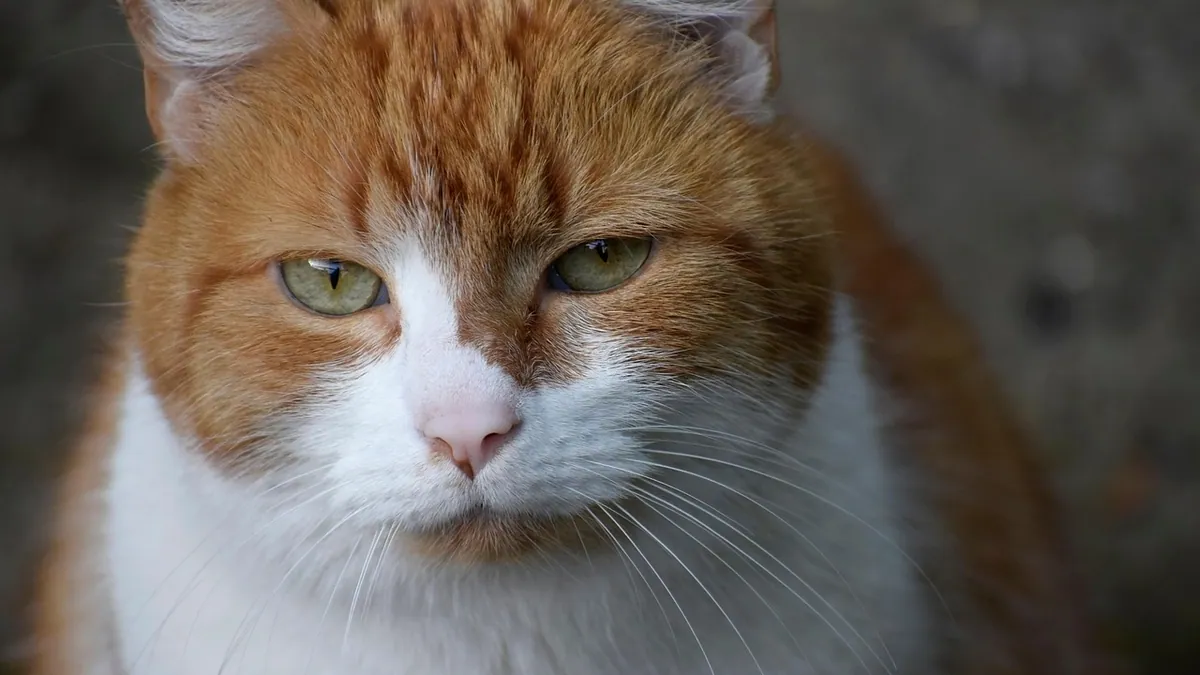
Dry eye in cats happens when the tear glands stop making enough tears to keep the eye surface healthy. Without that moisture, the cornea can dry out, become inflamed, and eventually develop painful ulcers. The good news is that dry eye in cats treatment is well established, and most cats improve with daily medicated drops plus tear supplements.
This article is educational and is not a substitute for veterinary diagnosis or treatment.
Quick Answer
- Dry eye (keratoconjunctivitis sicca) means the eyes do not produce enough tears, so the surface stays dry and irritated.
- The main test is the Schirmer tear test, which measures tear production in millimeters per minute.
- Most cats need lifelong immune-suppressing drops such as cyclosporine or tacrolimus to restart tear production.
- Artificial tears and lubricating gels support the eye but do not fix the underlying problem on their own.
- Untreated dry eye can lead to corneal ulcers, chronic pain, and permanent scarring, so early treatment matters.
What Dry Eye in Cats Actually Means
Tears do more than keep the eye wet. They wash away debris, carry oxygen and nutrients to the cornea, and fight infection. When tear production drops, all of those jobs go undone.
Vets call the condition keratoconjunctivitis sicca, or KCS. The name describes what happens: the cornea (the clear front surface) and the conjunctiva (the pink tissue around the eye) become dry and inflamed.
Cats have two main tear sources. The lacrimal gland sits above the eye and produces the watery layer. The meibomian glands in the eyelids produce the oily layer that keeps tears from evaporating too fast. Problems with either source can cause dry eye.
Some cats have a mild shortage. Others produce almost no tears at all. The severity shapes how aggressive treatment needs to be.
Symptoms of Dry Eyes in Cats
Owners often notice the eyes look dull instead of shiny. A healthy cat eye has a bright, wet gleam. A dry eye can look cloudy, filmy, or just "off."
Common signs include:
- Red, irritated eyes. The conjunctiva looks pinker or angrier than usual.
- Squinting or holding the eye closed. This usually signals pain.
- Thick discharge. Dry eye discharge in cats tends to be sticky, yellow, or green instead of clear and watery.
- Dull or cloudy cornea. The surface loses its shine and may look hazy.
- Rubbing the face or eye. Cats may paw at the eye or rub against furniture.
- Frequent blinking. The cat blinks more often trying to spread what little tear film remains.
- Crusting along the eyelids. Discharge dries and sticks to the fur.
Some cats show only mild redness for weeks before anything dramatic happens. Others go from normal to squinting in a few days.
If the eye looks red and weepy, it can be easy to assume it is simple conjunctivitis. Dry eye and conjunctivitis can look alike at first, but they need different treatments. You can read more about how vets sort out these overlapping problems in Cat Eye Conjunctivitis Treatment.
Dry Eye in Kittens
Dry eye in kittens is less common than in adult cats, but it does happen. Congenital cases (present from birth) can show up as early as a few weeks old.
Kittens with dry eye may have eyes that stay closed longer than expected, or they may have persistent discharge that does not clear with basic cleaning. Because kitten eyes are still developing, early veterinary care matters a great deal.
Causes and Risk Factors
Many cases have no obvious trigger. The immune system simply starts attacking the tear glands. This is called immune-mediated KCS, and it is the most common form in cats.
Other causes include:
- Feline herpesvirus. This virus is extremely common in cats and can damage the tear-producing tissue. Cats with a history of viral eye infections may be more prone to dry eye. Viral eye disease is covered in more detail in Cat Viral Conjunctivitis Treatment.
- Medications. Some drugs reduce tear production. A study of healthy cats found that a single dose of the anesthetic etomidate significantly reduced tear production at every time point measured after administration [1]. General anesthesia can also lower tear production, and one study found a significant decrease in tear production at all four time points after anesthesia in cats [2].
- Stress. Even short-term stress affects tear readings. A study of healthy cats found that Schirmer tear test values were significantly higher when cats were stressed, which shows how much the environment can shift results [3].
- Age. Older cats are more likely to develop immune-mediated disease.
- Breed. Some purebred lines may carry higher risk, though any cat can develop dry eye.
- Eyelid or tear duct problems. Scarring, injury, or anatomic issues can interfere with tear spread or drainage.
One thing to keep in mind: some eye medications can affect the tear film themselves. A study in healthy cats found that a topical nonsteroidal anti-inflammatory drug applied three times daily for 15 days altered tear function, goblet cell density, and meibomian gland integrity [4]. That does not mean these drugs are unsafe, but it does mean long-term eye medications deserve monitoring.
How Vets Diagnose Dry Eye
Diagnosis starts with a full eye exam. Your vet will look at the eyelids, conjunctiva, cornea, and tear film under magnification.
The core test is the Schirmer tear test. A thin strip of paper is placed inside the lower eyelid for one minute. The strip absorbs tears, and the vet measures how far the moisture travels in millimeters.
Normal cats produce a healthy amount. Values below the normal range suggest dry eye. Very low values point to severe disease. Your vet will compare both eyes, since dry eye can affect one eye or both.
Other tests may include:
- Fluorescein stain. A yellow dye shows whether the cornea has an ulcer or scratch. This matters because some dry eye treatments can worsen an ulcer if used without veterinary guidance.
- Tear film break-up time. This measures how long the tear film stays stable before it breaks apart.
- Conjunctival swabs. These check for infection or viral involvement.
- Blood work. This rules out systemic conditions that can affect tear production.
Because stress can raise tear readings, your vet may repeat the Schirmer test on a calmer day if results are borderline [3]. A single reading is not always the whole story.
Dry Eye in Cats Treatment Options
Treatment has two goals: replace what is missing and restart the tear glands if possible.
Tear Stimulants
These are the backbone of dry eye in cats treatment. The two drugs used most often are cyclosporine and tacrolimus.
Both work by calming the immune attack on the tear glands. They are applied as eye drops or ointment, usually once or twice daily. Many cats start producing more tears within a few weeks, though some need a month or longer to respond.
Your veterinarian calculates the exact dose and frequency based on your cat's weight, eye exam, and response to treatment. Do not adjust the schedule on your own.
These medications are typically lifelong. If you stop them, tear production often drops back to where it started.
Artificial Tears and Lubricants
Artificial tear solutions, gels, and ointments add moisture between doses of the tear stimulant. They do not fix the underlying gland problem, but they keep the eye comfortable and protect the cornea.
Ointments last longer and are often used at bedtime. Solutions are thinner and easier to apply during the day. Your vet will suggest a schedule that fits your cat's needs.
Anti-Inflammatory Drops
When the eye is very inflamed, your vet may add a short course of steroid or non-steroidal drops. These reduce pain and swelling but must be used carefully. Steroids can worsen a corneal ulcer, so the vet will stain the eye first.
Treating Infections
If herpesvirus or bacteria are part of the picture, your vet may add antiviral or antibiotic medication. Treating the infection helps the eye surface heal and may improve tear production over time.
Punctal Occlusion
In some cases, the tear drainage holes (puncta) can be closed to keep what little tear film exists on the eye longer. A review of punctal cautery studies found improvements in tear volume and tear film stability after the procedure [5]. This is usually reserved for cats that do not respond well to drops alone.
Surgery
Rarely, surgery is needed to correct eyelid problems or to protect a severely damaged cornea. Your vet will discuss this if other options have not worked.
| Treatment | What It Does | Typical Role |
|---|---|---|
| Cyclosporine or tacrolimus | Calms immune attack, boosts tear production | Main long-term therapy |
| Artificial tears and gels | Adds moisture, protects surface | Support between doses |
| Anti-inflammatory drops | Reduces pain and swelling | Short-term flare control |
| Antiviral or antibiotic drops | Fights infection | Used when infection is present |
| Punctal occlusion | Keeps tears on the eye longer | For non-responders |
| Surgery | Repairs eyelids or protects cornea | Rare, severe cases |
Recovery, Outlook, and Long-Term Management
Most cats improve with consistent treatment. Tear production may rise gradually over weeks to months. Some cats return to near-normal levels. Others need ongoing support forever.
Expect regular rechecks. Your vet will repeat the Schirmer tear test to see whether treatment is working. If values are not improving, the plan may change.
At home, keep a simple routine:
- Give drops at the same times each day.
- Wipe discharge gently with a clean, damp cloth.
- Watch for new squinting, redness, or cloudiness.
- Keep follow-up appointments even when the eye looks good.
Dry eye is a chronic condition for most cats. The goal is comfort and protection, not a one-time cure.
Prevention
You cannot always prevent dry eye, especially when the cause is immune-mediated. But you can lower the odds of complications.
- Treat eye infections promptly. Do not wait to see if redness clears on its own.
- Keep vaccinations current. This helps reduce viral disease that can damage tear tissue.
- Limit stress around vet visits. Stress can change tear readings and make diagnosis harder [3].
- Tell your vet about all medications. Some drugs affect tear production, including anesthetics [1][2].
- Schedule eye checks for cats with a history of herpesvirus. Early monitoring catches dry eye sooner.
If your cat has chronic eye redness or discharge, ask your vet about a Schirmer tear test. It is quick, inexpensive, and often the first step toward relief. For cats with ongoing conjunctivitis that keeps coming back, more detail is available in What Can You Do For Cat Conjunctivitis.
Limitations and When to Contact a Veterinarian
This article covers general information. Your cat's case needs a veterinarian who can examine the eye and run tests.
Contact your vet the same day if you notice:
- Sudden squinting or holding one eye closed
- A cloudy or blue-tinged cornea
- Thick yellow or green discharge that appeared quickly
- The eye looks swollen or bulging
Go to an emergency clinic right away if:
- Your cat is pawing at the eye constantly
- The eye looks ruptured or has a visible wound
- Your cat is crying out or refusing to eat because of eye pain
- There is sudden vision loss
Schedule a routine visit if:
- Redness or discharge has lasted more than a few days
- Your cat has had multiple bouts of conjunctivitis
- You notice dry, dull-looking eyes
- Your cat has a known herpesvirus history
Frequently Asked Questions
Can dry eye in cats be cured?
Most cases cannot be cured, but they can be managed well with daily drops. Immune-mediated dry eye usually requires lifelong treatment. Some cats regain normal tear production with consistent therapy, but stopping treatment often causes a relapse.
Is dry eye painful for cats?
Yes, dry eye is uncomfortable. The cornea has many nerve endings, and a dry surface causes burning and irritation. Cats may squint, rub the eye, or become withdrawn. Treatment usually improves comfort within days to weeks.
Can I use human eye drops on my cat?
No, do not use human eye drops without veterinary guidance. Some products contain preservatives or medications that can harm a cat's eye. Your vet can recommend a specific lubricant made for pets.
Does dry eye cause blindness in cats?
It can if it goes untreated for a long time. Chronic dryness leads to corneal ulcers, scarring, and pigment that can block vision. Early treatment greatly reduces this risk.
How often does my cat need rechecks?
Your vet will set the schedule, but rechecks are common in the first few months to measure tear production and adjust treatment. After the eye is stable, visits may drop to every few months. Never skip a recheck just because the eye looks normal.
Related Articles
- Cat Eye Conjunctivitis Treatment
- Dry Heaving In Cats
- What Can You Do For Cat Conjunctivitis
- Cat Viral Conjunctivitis Treatment
- Cat Conjunctivitis Treatment Pets At Home
- Cat Allergy Treatment
- Eye Ulcers in Cats: Symptoms, Causes, and Treatment
- Why Is My Cat's Eye Red and Watery? Causes and Next Steps
- Uveitis in Cats: Causes, Symptoms, and Treatment
References
- The Impact of Etomidate on Tear Secretion and Oxidative Stress Markers in Domestic Male Cats: A Clinical Study. Veterinary medicine international, 2026.
- Impact of general anesthesia on feline aqueous tear production and the feline corneal epithelium. Journal of feline medicine and surgery, 2025.
- Impact of stress on the tear production of healthy cats. Journal of feline medicine and surgery, 2024.
- Fifteen-day topical ketorolac tromethamine, with and without benzalkonium chloride, alters tear function, goblet cell density, and meibomian gland integrity in healthy cats. Veterinary world, 2026.
- Punctal cautery in dry eye disease: A systematic review. The ocular surface, 2024.