Conjunctivitis in Dogs: Causes, Contagion, and Treatment
By Dr. Zubair Khalid, DVM, MS, PhD ·
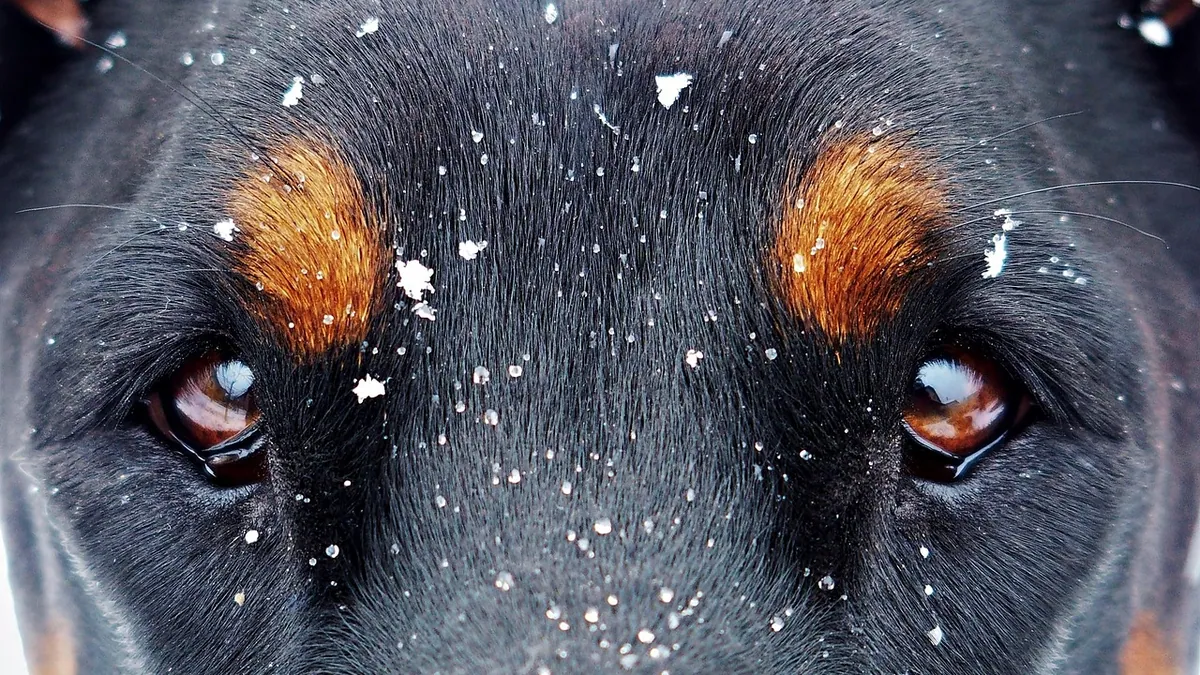
Is conjunctivitis in dogs contagious? Sometimes, but it depends on the cause. Bacterial and viral conjunctivitis can spread between dogs, while allergic and immune-mediated forms cannot. Most cases need a veterinarian to identify the cause before treatment, because the wrong medicine can make things worse.
This article is educational and is not a substitute for veterinary diagnosis or treatment.
Quick Answer
- Conjunctivitis is inflammation of the conjunctiva, the thin membrane lining the eyelids and covering the white of the eye [1].
- Infectious causes (bacteria, viruses) can pass to other dogs, and some can pass to people, so wash your hands after touching your dog's eyes.
- Allergic, immune-mediated, and tear-deficiency causes are not contagious.
- One red eye often points to a foreign body, injury, or a single infected spot, while both eyes usually suggest allergy, infection, or a body-wide disease.
- Never use leftover human eye drops or another pet's medication without veterinary guidance.
What Is Conjunctivitis in Dogs?
The conjunctiva is a thin membrane that lines the inside of the eyelids and extends over the white of the eye [1]. It helps make tears, protects the eye from foreign invaders, supports eye movement, and helps the cornea heal after injury [1]. When this membrane becomes inflamed, the result is conjunctivitis, often called "pink eye."
Conjunctivitis itself is a symptom, not a full diagnosis. Something is irritating or infecting the eye, and your veterinarian's job is to find out what. That matters because conjunctivitis can sometimes signal a body-wide disease, and untreated eye problems can lead to blindness [1].
Signs Owners Notice
Most owners spot redness first. The white of the eye looks pink or bloodshot, and the eyelids may look puffy. You might also see:
- Discharge, which can be clear and watery or thick and yellow-green
- Squinting, blinking, or holding the eye closed
- Pawing at the face or rubbing the eye on furniture
- Swelling around the eyelids
- Tear staining on the fur below the eye
Discharge type gives clues but does not confirm a cause. Watery eyes often point to allergy, irritation, or early viral infection. Thick colored discharge leans toward bacteria, but a veterinarian still needs to examine the eye. For more on what different discharges mean, see Eye Goop In Dogs.
One Eye or Both Eyes: What the Pattern Tells You
The pattern of which eye is affected is one of the most useful clues you can give your veterinarian.
Conjunctivitis in Dogs' One Eye
A single red eye is often linked to a local problem. Common triggers include a foreign body like a grass awn, a scratch or injury, a blocked tear duct, or a small infected wound. A single eye can also be the first eye affected by an infection that later spreads to the other side.
Conjunctivitis in Dogs' Both Eyes
Both eyes turning red at once usually points to a cause that affects the whole body or both eyes equally. Allergies, airborne irritants, immune-mediated disease, and tear deficiency commonly hit both eyes. In a study of dogs with the parasitic disease leishmaniasis, ocular changes appeared in 80% of the animals and were predominantly bilateral, often with several problems at once, including conjunctivitis, uveitis, and corneal damage [2]. That is a reminder that two red eyes can reflect a systemic illness, not just a local eye issue.
Causes and Risk Factors
Causes fall into a few broad groups. Sorting them this way helps you understand contagion risk.
Infectious Causes (Contagious)
Bacteria and viruses are the main contagious causes. A study of dogs and cats with conjunctivitis found bacterial growth in 50% of the dog samples tested [3]. That does not mean half of all dog conjunctivitis is bacterial, since the sample was small, but it shows bacteria are a real and common player.
Bacterial conjunctivitis can spread from dog to dog through direct contact, shared bedding, or contaminated hands. Some bacteria can also affect people, especially those with weakened immune systems. Viral causes tend to be species-specific, so a virus that causes dog conjunctivitis is unlikely to infect you, but it can spread to other dogs.
Allergic Causes (Not Contagious)
Allergies to pollen, dust, mold, or food can inflame both eyes. These cases are not contagious to anyone. They often come with itching, sneezing, or seasonal flare-ups. For a deeper look, read Allergic Conjunctivitis In Dogs: Comprehensive Veterinary Reference Guide and Dog Allergy Treatment.
Immune-Mediated and Tear-Related Causes (Not Contagious)
Keratoconjunctivitis sicca (KCS), or dry eye, is an immune-mediated disorder in which tear production drops, the eye surface becomes inflamed, and vision loss becomes a risk [4]. KCS is not contagious. It is a chronic condition that needs long-term management. Tear protein levels were significantly higher in dogs with KCS (30.7 ± 13.5 mg/mL) than in healthy dogs (11.5 ± 1.8 mg/mL) [4], which shows how much the tear film changes when this disease is active.
Other Risk Factors
Breed matters. A survey of veterinarians practicing ophthalmology in Japan found that Toy Poodles, Shiba Inus, Shih Tzus, Chihuahuas, Miniature Dachshunds, and French Bulldogs were the most frequently presented breeds for eye complaints [5]. Certain breeds carry higher risk for inherited eye disease, so know your breed's tendencies.
Medications can also play a role. A large study found that 1.8% of dogs treated with trimethoprim sulfonamide developed dry eye afterward [6]. If your dog is prescribed this antibiotic, ask your veterinarian about eye monitoring.
How Conjunctivitis Is Diagnosed
Your veterinarian starts with a full eye exam, checking the conjunctiva, cornea, eyelids, and tear production. Expect a few standard tests:
- Schirmer tear test to measure tear production, which helps detect KCS [4]
- Fluorescein stain to check for corneal ulcers
- Swabs for culture and sensitivity when infection is suspected [3]
- A full physical exam, since eye changes can reflect systemic disease [1][2]
If your dog has a ruptured blood vessel under the conjunctiva with no clear history of trauma, your veterinarian will do a complete examination to find the cause of the spontaneous bleeding [1]. That kind of finding should never be brushed off as "just a red eye."
Treatment Options
Treatment depends entirely on the cause. There is no single medicine that fixes all conjunctivitis.
Bacterial Conjunctivitis
Your veterinarian may prescribe topical antibiotic drops or ointment. In some cases, an injectable antibiotic is used. A study of cefovecin given by injection found that tear concentrations stayed detectable for up to 336 hours and reached levels above the minimum inhibitory concentrations for several common ocular bacteria [7]. Your veterinarian calculates the dose from your dog's weight and health, so never guess at an amount.
Viral Conjunctivitis
Viral cases are usually managed with supportive care, keeping the eye clean and comfortable while the immune system clears the infection. Antibiotics do not kill viruses, but your veterinarian may prescribe them if a secondary bacterial infection is present.
Allergic Conjunctivitis
Treatment focuses on removing the trigger and controlling inflammation. Your veterinarian may recommend antihistamines, medicated drops, or a change in diet or environment. See Dog Allergy Treatment for the broader picture.
Dry Eye (KCS)
KCS needs tear-stimulating medication, often cyclosporine. A newer option is a subconjunctival implant that releases cyclosporine slowly. In a case series of 17 dogs, the implant was well tolerated, conjunctival redness dropped significantly through three months, and tear production increased in 19 of 27 eyes [8]. This is not a first-line choice for every dog, but it offers an option when daily drops are hard to manage.
What You Should Not Do
Do not reach for leftover human eye drops, steroid creams, or another pet's prescription. Some human products can worsen certain eye conditions. For safe at-home steps while you wait for your appointment, read Dog Eye Infection Home Care: What Is Safe and When to See a Vet.
| Cause | Contagious? | Typical Treatment |
|---|---|---|
| Bacterial infection | Yes, to other pets and sometimes people | Antibiotic drops, ointment, or injection [3][7] |
| Viral infection | Yes, to other dogs | Supportive care, sometimes antibiotics for secondary infection |
| Allergy | No | Trigger removal, antihistamines, medicated drops |
| Dry eye (KCS) | No | Cyclosporine drops or implant, tear support [4][8] |
| Foreign body or injury | No | Removal of the object, wound care |
| Systemic disease | Depends on the disease | Treatment of the underlying condition [2] |
Recovery, Outlook, and Long-Term Management
Simple bacterial or viral cases often improve within days of starting the right treatment. Allergic cases can flare and settle with the seasons. Dry eye is a lifelong condition that needs ongoing medication and regular rechecks, because tear production can decline over time.
If your dog has a systemic disease causing eye signs, the outlook depends on controlling that disease. In the leishmaniasis study, ocular involvement was frequent and often bilateral, which means eye exams can help detect and track the underlying illness [2].
Follow your veterinarian's recheck schedule. Stopping medication early is one of the most common reasons conjunctivitis comes back.
Prevention
You cannot prevent every case, but you can lower the odds:
- Keep your dog's eyes clean and dry, and wipe discharge with a fresh, damp cloth.
- Wash your hands after handling your dog's face, especially if an infection is confirmed.
- Avoid sharing bedding, bowls, or toys with a dog that has active infectious conjunctivitis.
- Keep up with routine wellness exams so early eye changes get caught.
- Ask about breed-specific eye screening if your dog is a high-risk breed [5].
- If your dog starts trimethoprim sulfonamide, ask your veterinarian about monitoring for dry eye [6].
Limitations and When to Contact a Veterinarian
This article cannot tell you what is causing your dog's red eye. Only an examination can do that, and individual cases need a veterinarian.
Contact your veterinarian the same day if you see:
- Sudden swelling or a bulging eye
- A cloudy cornea or a visible wound on the eye
- Thick yellow or green discharge with squinting
- Your dog is pawing at the eye or holding it shut
- Symptoms that have not improved after 24 to 48 hours of home cleaning
Go to an emergency clinic right away if:
- Your dog cannot open the eye at all
- There is bleeding inside the eye
- The eye looks punctured or has something stuck in it
- Your dog is in obvious pain, crying, or refusing to eat
- Vision seems lost or the eye shape has changed
These signs can mean a corneal ulcer, a foreign body, glaucoma, or trauma, and some can cause permanent vision loss within hours.
Frequently Asked Questions
Can my dog pass conjunctivitis to my other pets?
It depends on the cause. Bacterial and viral conjunctivitis can spread to other dogs through contact and shared items, but allergic and immune-mediated forms cannot spread at all. Keep an infected dog separated until your veterinarian clears it.
Can I catch conjunctivitis from my dog?
Some bacteria that cause conjunctivitis in dogs can also affect people, though this is uncommon. The risk is higher for people with weakened immune systems. Wash your hands after touching your dog's eyes or face, and see your own doctor if your eyes become red or irritated.
How long does conjunctivitis last in dogs?
Simple cases often improve within a few days of correct treatment. Dry eye and systemic causes can take weeks to months to manage and may need lifelong care. If your dog is not improving within 48 hours, call your veterinarian.
Can I use human eye drops on my dog?
No. Human eye drops are formulated for people and some can harm a dog's eye, especially products containing steroids. Your veterinarian will choose a medication based on the actual cause and your dog's weight and health.
Is uveitis in dogs contagious?
No, uveitis is inflammation inside the eye, not an infection you can catch. It can result from trauma, immune disease, or a systemic illness, and it is often serious. Uveitis needs prompt veterinary care because it can lead to blindness if untreated.
Related Articles
- Allergic Conjunctivitis In Dogs: Comprehensive Veterinary Reference Guide
- Eye Goop In Dogs
- Dog Eye Infection Home Care: What Is Safe and When to See a Vet
- Dog Allergy Treatment
- Cat Conjunctivitis Treatment Pets At Home
- Dog Eye Goop Allergies
- Dog Eye Infection: Symptoms, Treatment, and When to Worry
- Dog Conjunctivitis Treatment: What You Can Use at Home
- How Long Does Conjunctivitis in Dogs Last?
References
- Disorders of the Conjunctiva in Dogs - Dog Owners. Merck Veterinary Manual.
- Ocular Involvement as a Key Marker of Systemic Disease in Dogs Naturally Infected with Leishmania infantum: Clinical, Laboratory, and Histopathological Insights. Pathogens (Basel, Switzerland), 2026.
- Microbiological investigation of conjunctivitis in cats and dogs from Kars, Türkiye (2024-2025): culture- and MALDI-TOF MS-based identification and antimicrobial susceptibility testing of bacterial isolates. BMC veterinary research, 2026.
- Tear Protein Alteration in Dogs with Keratoconjunctivitis Sicca. Animals : an open access journal from MDPI, 2026.
- Common Ophthalmic Conditions in Popular Dog Breeds in Japan: Insights From a Survey of 105 Veterinarians Practicing Ophthalmology. Veterinary ophthalmology, 2026.
- Retrospective cohort study on the development of keratoconjunctivitis sicca in dogs treated with trimethoprim sulfonamide: a VetCompass Australia study. Journal of veterinary internal medicine, 2026.
- Sustained Tear Film Exposure After Parenteral Cefovecin Administration in Dogs: Pharmacokinetics and Relevance to Canine Bacterial Keratitis. Veterinary ophthalmology, 2026.
- A Sustained-Release Thermoplastic Polyurethane/Poly L-Lactide-Co-DL-Lactide (TPU/PLDLA) Cyclosporine-A Implant for the Treatment of Canine Keratoconjunctivitis Sicca: A Retrospective Case Series. Veterinary ophthalmology, 2026.