Cat Not Jumping or Moving Much: Causes and Next Steps
By Dr. Zubair Khalid, DVM, MS, PhD ·
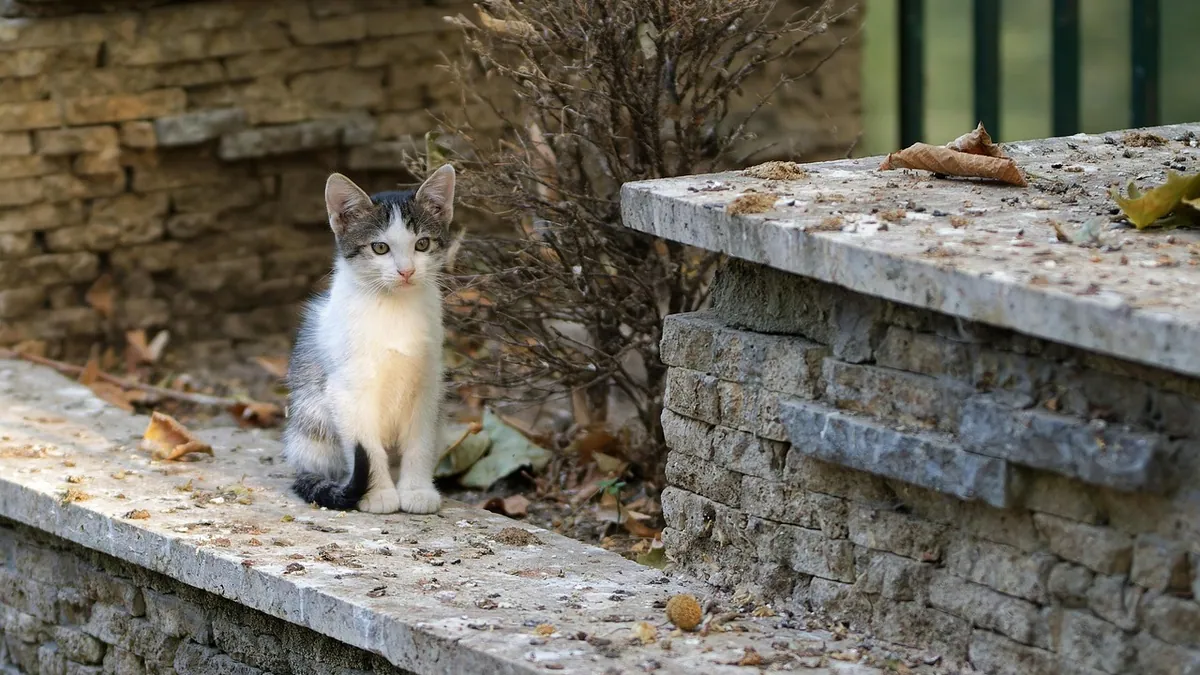
A cat not jumping is often the first visible sign of joint pain, and many owners mistake it for normal aging. Cats hide discomfort well, so a skipped leap onto the counter or a slow climb onto the bed can be the only clue you get. This article is educational and is not a substitute for veterinary diagnosis or treatment.
Quick Answer
- Reluctance to jump is one of the earliest signs of degenerative joint disease (DJD), which affects 61% of cats aged six years or older on radiographs [1].
- A cat that stops jumping but still eats, plays, and uses the litter box is not necessarily fine. Pain often shows up as a change in movement before it shows up as a change in mood [2].
- Sudden inability to move, dragging a limb, or crying out is an emergency. Call your vet or an emergency clinic right away.
- Do not give human pain medications. Many are toxic to cats, and your veterinarian will calculate any dose from your cat's weight and health.
- You can help today by lowering favorite resting spots, adding steps or ramps, and keeping food, water, and the litter box easy to reach.
What a Cat Not Jumping Looks Like
A healthy cat moves in ways you probably stopped noticing. She leaps to a windowsill in one motion. She lands softly. She stretches long after a nap and trots to the food bowl.
When jumping gets painful, those small movements change. You might see your cat pause before a jump, then walk away. She may climb instead of leap. She may land heavily or pull her back legs up short. Some cats stop using the cat tree entirely and stay on the floor.
Other owners describe a cat not moving much at all. She sleeps more, hides under the bed, or stops following you from room to room. She may still purr when you pet her, which makes the problem easy to dismiss.
A cat not jumping but acting normal is a common and confusing picture. Cats are wired to mask weakness, so a normal appetite and a normal purr do not rule out pain. The change in jumping may be the only sign you get [2].
Kittens are a different story. A kitten not jumping may simply be young and clumsy, or she may have a congenital or neurologic problem. Kittens normally start jumping and climbing well by a few months of age. If a kitten is far behind her littermates, or if she was born with a wobbly, unsteady walk, that deserves a vet visit. One cause of lifelong balance and coordination problems in cats is cerebellar hypoplasia, a brain condition that can follow feline panleukopenia virus infection before birth [3]. You can read more about that pattern in Why Is My Cat having a wobbly gait? Cerebellar Hypoplasia and Vestibular Disease.
Main Causes of a Cat Not Jumping
Arthritis and Degenerative Joint Disease
DJD is the most common reason older cats slow down. It can affect any joint, but the shoulders and elbows are often the most visible to owners, along with the knees, wrists, and hips [2]. Signs vary based on which joints hurt, how much damage is present, and your cat's age [2].
Weight matters. DJD is seen more often in obese cats because extra weight puts constant pressure on the joints that carry the body [2]. Male and female cats are equally affected, and the one breed with a clear predisposition is the Maine Coon, whose stocky build makes hip dysplasia more likely [2].
Injury
A bad landing, a fall, or a fight can cause a sprain, a fracture, or a muscle tear. Some injuries are subtle. One report described a cat with a firm, nonpainful mass near the elbow and limited ability to extend that joint, caused by scarring and shortening of a muscle [4]. That kind of problem limits how far the leg can reach and can change how your cat jumps and lands.
Neurologic Causes
Nerve problems can look like weakness or a refusal to jump. A cat with a damaged nerve may drag a paw, knuckle over on a foot, or hold a leg in an odd position. When a leg is paralyzed, keeping the muscles and joints healthy matters, and your vet may recommend heat, massage, and stretching along with a light bandage or a sling to protect the paw from dragging [5].
Cancer and Other Serious Disease
Rare causes matter because they change the plan. A cat with lung cancer that has spread to the toes can show a shifting lameness that comes and goes before any visible swelling appears [6]. This pattern should raise suspicion for a lung tumor, and chest X-rays are part of the workup [6]. In another report, a cat with progressive hind leg lameness had a rare benign bone and cartilage tumor growing inside a thigh muscle, which was removed surgically and did not return [7].
| Cause | Typical clues | How urgent |
|---|---|---|
| Arthritis (DJD) | Slow, gradual change over months. Stiff after rest. Still eats and interacts. | Routine visit soon |
| Soft tissue injury | Sudden onset after a jump or fall. Limping, tenderness, reluctance to bear weight. | Same day to 48 hours |
| Muscle contracture | Firm mass near a joint, joint will not fully straighten, ongoing lameness [4] | Routine to urgent |
| Nerve damage or paralysis | Dragging a limb, knuckling the paw, weakness in one or both back legs [5] | Same day |
| Cerebellar or brain problem | Wobbling, head tremor, poor coordination from birth or after illness [3] | Routine to urgent |
| Cancer, including spread from the lung | Shifting lameness that waxes and wanes, weight loss, breathing changes [6] | Same day to urgent |
Red Flags That Mean Emergency
Call an emergency clinic now if your cat:
- Cannot move at all, or cannot use one or both back legs
- Drags a limb and cannot place the paw correctly
- Cries out, pants, or breathes with an open mouth
- Has a leg that is cold, swollen, or bent at a strange angle
- Cannot urinate or defecate, or has lost bladder control
- Collapses, has a seizure, or seems disoriented
- Was hit by a car, fell from a height, or was attacked by another animal
These signs point to spinal injury, nerve damage, fracture, or another problem that gets worse with delay. Minutes matter for nerve tissue.
Safe Things You Can Do at Home
While you wait for your appointment, focus on comfort and safety.
Lower the height of everything. Move food, water, and the litter box to the floor or to a low, easy-to-reach spot. Put a ramp or a set of pet steps next to the couch or bed. If your cat still wants to be up high, give her a path that does not require a leap.
Pad the landing zones. A thick rug or a foam mat under her favorite spots softens the impact if she misjudges a jump.
Keep her warm and rested. Cold, stiff joints feel worse. A heated bed on a low setting or a warm blanket can help, but check that your cat can move away if she gets too warm.
Watch the litter box. Note whether she urinates and defecates normally, and whether she can squat without wobbling. Changes here are important information for your vet.
Do not give any medication unless your veterinarian prescribes it. Human pain relievers can be severely toxic to cats, and the correct dose depends on your cat's weight, kidney and liver health, and other conditions. Your vet will calculate it.
If your cat is limping after a specific jump or fall, see Cat Limping After a Jump: Is It a Sprain or a Break? for what to watch.
What Your Veterinarian Will Check
Your vet will start with a full physical exam. They will watch your cat walk, stand, and turn. They will feel each joint for swelling, heat, and pain, and check the range of motion in the elbows, shoulders, hips, knees, and wrists [2].
They will also test nerve function. That includes checking paw placement, reflexes, and whether your cat can feel her toes. This helps separate a joint problem from a spinal or nerve problem.
Imaging is often next. X-rays can show arthritis, fractures, and bone changes. They can reveal joint degeneration, but they cannot measure how much pain your cat feels [1]. That is why your vet asks you detailed questions about what you see at home.
If a neurologic problem is suspected, your vet may recommend advanced imaging such as MRI, which can show brain changes like a shrunken cerebellum [3]. If cancer is a concern, chest X-rays may be recommended, especially with a shifting lameness in an older cat [6].
Blood work and urine testing help rule out other causes and check organ function before any medication is started.
Your vet may also use mobility scoring tools. Research is moving toward collar-mounted sensors that measure activity and movement to catch early DJD signs, since owner reports and exams each have limits [1]. For now, your detailed observations are still one of the best tools your vet has.
Prevention and Monitoring
Weight control is the single most useful thing you can do. Extra pounds press on every weight-bearing joint, and DJD is more common in obese cats [2]. Ask your vet for a target weight and a feeding plan.
Keep an eye on small changes. Note how high your cat jumps, how she lands, and how long she sleeps. A monthly video of her walking and jumping can help your vet see changes over time.
Make your home easier to move through. Ramps, steps, low-sided litter boxes, and rugs on slick floors all reduce strain.
Schedule regular exams, especially after age six, when DJD becomes common [1]. Early treatment can slow progression and improve comfort [1].
If your cat has recently moved to a new home and is hiding or avoiding the litter box along with reduced activity, that may be stress instead of pain. See Cat Not Using Litter Box After Moving: How to Help and Cat Hiding After Moving: How to Help Your Cat Adjust.
Limitations and When to Contact a Veterinarian
This article cannot tell you what is wrong with your cat. Only a veterinarian who examines your cat can do that, and individual cases need a veterinarian's hands-on assessment.
Contact an emergency clinic right now for paralysis, dragging limbs, open-mouth breathing, collapse, seizures, a suspected fracture, or a fall from height.
Call your vet the same day if your cat suddenly stops jumping, cries when picked up, refuses to eat, hides constantly, or has a limp that is getting worse.
Schedule a routine visit within a week or two if the change has been slow and your cat is otherwise stable. Gradual slowing is common in older cats, but it is often pain instead of normal aging, and it deserves a check [2].
Frequently Asked Questions
Should I worry if my cat stopped jumping but seems fine otherwise?
Yes, it deserves a vet visit. Cats hide pain well, and a change in jumping is often the first sign of joint disease. A normal appetite and normal behavior do not rule out discomfort.
How can I tell if my cat is in pain from arthritis?
Watch for stiffness after naps, a reluctance to be picked up, hiding, and a shorter jump than before. Your vet can confirm arthritis on an exam and with X-rays, though X-rays do not measure pain directly [1].
Can a cat with a bad leg still live a good life?
Often yes. Many cats improve with weight management, home changes, and pain control prescribed by a vet. Some muscle and nerve problems need surgery, and outcomes can be good when the cause is treatable [4][7].
Is it normal for an older cat to slow down?
Slowing down is common with age, but it is not always harmless. In many older cats, reduced activity comes from joint pain instead of age alone, so a checkup is a good idea [2].
What if my kitten is not jumping like her littermates?
Kittens usually jump and climb well within a few months. If your kitten is far behind, wobbles, or has always been unsteady, ask your vet about neurologic causes such as cerebellar hypoplasia [3].
Related Articles
- Cat Limping After a Jump: Is It a Sprain or a Break?
- Cat Not Using Litter Box After Moving: How to Help
- Cat Hiding After Moving: How to Help Your Cat Adjust
- Cat Scratching But No Fleas: Possible Causes and Next Steps
- Why Is My Cat having a wobbly gait? Cerebellar Hypoplasia and Vestibular Disease
- Cat Overgrooming: Why It Happens and What to Do
- Cat Not Walking Properly: Causes of Wobbling and Weakness
- Kitten Not Walking Properly: Causes and Urgency
- Kitten Not Standing Up: Causes and Urgency
References
- Accelerometer-derived classifiers for early detection of degenerative joint disease in cats. Veterinary journal (London, England : 1997), 2025.
- Is Your Cat Slowing Down?. Cornell University College of Veterinary Medicine.
- Cerebellar hypoplasia in an Amur leopard cat (Prionailurus bengalensis euptilura) with feline panleukopenia virus infection. Veterinarni medicina, 2025.
- Brachialis muscle contracture as a cause of lameness in cats: A study of four cases. Australian veterinary journal, 2026.
- Leg Paralysis in Cats - Cat Owners. Merck Veterinary Manual.
- Feline lung-digit syndrome: A differential diagnosis for shifting, waxing and waning lameness in a cat. The Canadian veterinary journal = La revue veterinaire canadienne, 2024.
- Lameness caused by intramuscular osteochondroma in semimembranosus muscle in a male cat. JFMS open reports, 2026.