Kitten Not Standing Up: Causes and Urgency
By Dr. Zubair Khalid, DVM, MS, PhD ·
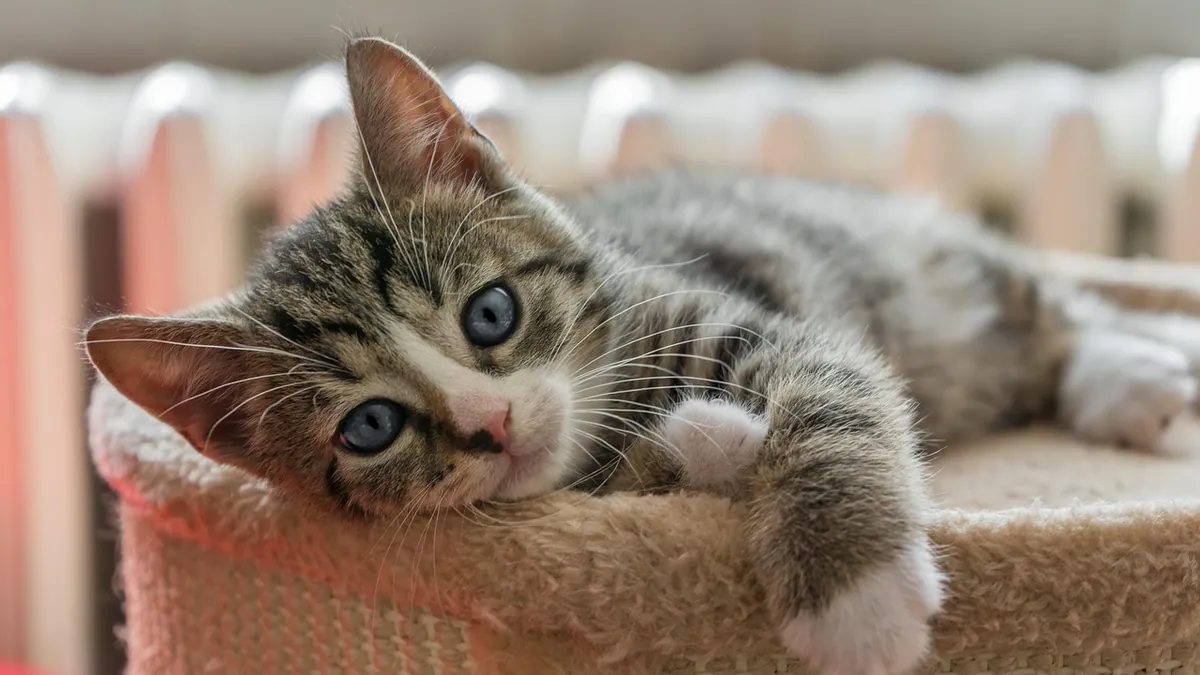
A kitten that cannot stand or hold its head up is almost always a medical emergency, and it needs to see a veterinarian right away. In newborns and young kittens, the most common reasons include fading kitten syndrome, low blood sugar, and neurologic disease. If your kitten is not standing up, keep it warm, do not force food or water, and call an emergency veterinary clinic on the way in.
This article is educational and is not a substitute for veterinary diagnosis or treatment.
Quick Answer
- A kitten that cannot stand, cannot hold its head up, or goes limp needs emergency veterinary care today, not a wait-and-see approach.
- Low blood sugar (hypoglycemia) is one of the most treatable causes, and newborn kittens are prone to it because their metabolism is underdeveloped and their liver sugar reserves run out quickly [1].
- Keep the kitten warm and quiet during transport. Do not pour milk, water, or sugar water into its mouth, because a kitten that cannot hold its head up can inhale liquid into its lungs.
- Do not wait for the kitten to "snap out of it." Kittens decompensate fast, and a kitten that was fine an hour ago can be critical by the time you arrive.
- Call ahead so the clinic can prepare warming, oxygen, and glucose support before you arrive.
What This Sign Looks Like and What Is Normal
A healthy kitten under four weeks old cannot truly stand yet, but it should still do certain things. It should hold its head up when awake, right itself when flipped onto its back, crawl with its front legs, and respond to touch and warmth. By three to four weeks, kittens begin to push up on all four legs and take wobbly steps. By five to six weeks, walking should look clumsy but purposeful.
A problem looks different from normal development. Warning signs include a kitten that was walking and suddenly is not, a kitten that stays flat and limp, a head that droops or flops to one side, a kitten that cannot lift its head to nurse, or one that feels cold to the touch. Some kittens cry constantly. Others go silent. Both are concerning.
If your kitten is limping instead of fully unable to stand, that is a different problem, and you can read more in Cat Limping on a Back Leg: Causes and Urgency Guide or Cat Limping on a Front Leg: Common Causes and Urgency Guide. A kitten that cannot bear weight at all, or that also seems dull or cold, belongs in the emergency category.
Main Causes of a Kitten Not Standing Up
Fading Kitten Syndrome
Fading kitten syndrome is not one disease. It is a catch-all term for a newborn or young kitten that weakens, stops nursing, becomes cold, and declines, often within hours. Causes include infection, hypothermia, dehydration, poor mothering, congenital problems, and low blood sugar. It is most common in the first two weeks of life. A kitten in this state often cannot hold its head up, feels cool, and makes weak or no sounds. This is a true emergency, and survival depends on how fast supportive care starts.
Hypoglycemia (Low Blood Sugar)
Newborn kittens have an underdeveloped metabolism, burn through liver sugar reserves quickly, and have a limited ability to make new glucose, which makes low blood sugar common and potentially fatal in this age group [1]. That study also found that low glucose values do not always cause visible signs, which means a kitten can look normal and still be trending low [1]. When signs do appear, they include weakness, wobbliness, head drooping, tremors, and collapse. A kitten that skipped a meal, has diarrhea, is cold, or is small for its age is at higher risk.
Neurologic Disease
Neurologic problems can also stop a kitten from standing. One well-documented cause is cerebellar hypoplasia, in which the part of the brain that controls coordination does not develop properly. This can follow infection with feline panleukopenia virus, including infection before birth [2]. In a reported case, an Amur leopard cat with cerebellar hypoplasia showed ataxia, meaning unsteady movement, and imaging showed a shrunken cerebellum with fluid where cerebellar tissue should be [2]. In domestic kittens, cerebellar hypoplasia usually causes a wide-based, unsteady walk instead of complete inability to stand, but severe cases can look much worse. Other neurologic causes include head trauma, brain or spinal inflammation, toxins, and birth defects.
Other Causes
- Hypothermia (low body temperature), which slows everything down and worsens hypoglycemia.
- Dehydration and shock from diarrhea, vomiting, or poor nursing.
- Infection, including bacterial sepsis in newborns.
- Injury from being stepped on, dropped, or handled roughly by another pet.
- Nutritional bone disease. One case report described an 11-month-old kitten with lameness and an inability to close the mouth caused by a genetic form of vitamin D-dependent rickets, with low blood calcium and generalized bone thinning despite eating a complete diet [3]. This is rare, but it shows that not every weak kitten has an obvious environmental cause.
Cause Table
| Cause | Typical clues | How urgent |
|---|---|---|
| Fading kitten syndrome | Weak, cold, not nursing, quiet, under 2 weeks old | Emergency now |
| Hypoglycemia | Wobbly, droopy head, tremors, collapse, missed meals | Emergency now |
| Neurologic disease | Unsteady gait, head tilt, tremors, abnormal movements | Emergency now |
| Hypothermia | Cool ears, paws, or belly, limp body | Emergency now |
| Dehydration or shock | Tacky gums, sunken eyes, diarrhea, vomiting | Emergency now |
| Trauma | Known or suspected injury, pain, reluctance to move | Emergency now |
| Nutritional or metabolic bone disease | Long-term lameness, bone pain, jaw problems | Same-day vet visit |
Red Flags That Make It an Emergency
Call an emergency clinic immediately if your kitten shows any of these:
- Cannot hold its head up or the head flops to one side.
- Body feels cold, especially the paws, ears, or belly.
- Will not nurse or eat, or has stopped eating for more than a few hours (newborns should eat every two to three hours).
- Breathing is fast, labored, or noisy.
- Crying constantly or completely silent and unresponsive.
- Tremors, twitching, or a seizure.
- Diarrhea or vomiting, especially with weakness.
- Known or suspected injury.
- Sudden change from walking normally to not standing.
Emergency clinics see a lot of after-hours cases, and cats are more likely than dogs to be triaged as needing immediate care when they arrive [4]. That pattern fits what veterinarians see with kittens. When in doubt, treat it as an emergency.
Safe Things You Can Do at Home While Waiting
Your main job is to keep the kitten safe and get moving.
- Keep the kitten warm. Use a heating pad on the lowest setting under a towel, or tuck the kitten against your body. Never put a kitten directly on a heating pad.
- Keep the kitten with its mother and littermates if possible, unless the mother is rejecting it or the kitten is being injured.
- Do not force food, water, or sugar water by mouth. A kitten that cannot hold its head up cannot swallow safely, and liquid can enter the lungs.
- Do not give any medication, including human glucose gels, without veterinary direction.
- Call the clinic while you are on the way. Describe the kitten's age, weight if you know it, when it last ate, and whether it is warm.
- Bring the mother and littermates if the clinic asks. If other kittens are affected, the whole litter may need care.
If your kitten is weak but still moving and the main change is behavior, such as hiding or acting strange, that can also signal illness. Why Is My Cat Suddenly Hiding and Acting Weird? covers that pattern, but weakness plus inability to stand always takes priority.
What the Veterinarian Will Check and Test
Your veterinarian will start with a hands-on exam and a few rapid tests. Expect some of the following.
Immediate Assessment
- Body temperature, to check for hypothermia.
- Blood glucose, often with a handheld meter validated for cats, since low blood sugar is common and treatable in this age group [1].
- Heart rate, breathing rate, and hydration status.
- Weight and body condition, compared with expected values for the kitten's age.
- Neurologic exam, including posture, head position, reflexes, and response to handling.
Supportive Care
A weak kitten often needs warming, oxygen, and intravenous or intraosseous fluids. If blood sugar is low, the veterinarian will give glucose at a dose calculated for your kitten's weight and condition. Doses are not something you can safely guess at home, so let the clinic set them.
Further Testing
Depending on findings, your veterinarian may recommend blood work, infectious disease testing (including feline panleukopenia virus, which is linked to cerebellar hypoplasia [2]), imaging such as X-rays or advanced brain imaging, and urine or stool tests. In the reported cerebellar hypoplasia case, MRI showed reduced cerebellar tissue and fluid filling the space where the cerebellum should be [2]. That kind of imaging is usually done after the kitten is stabilized.
For kittens with long-term lameness or bone pain, testing may include blood calcium and vitamin D levels, since genetic disorders of vitamin D processing can cause bone disease even with a good diet [3].
Prevention and Monitoring
You cannot prevent every cause, but you can lower the risk.
- Weigh kittens daily for the first few weeks. A kitten that is not gaining weight is a kitten to watch closely.
- Feed newborns every two to three hours around the clock. Do not let a weak kitten skip meals.
- Keep the nest warm and draft-free. Chilled kittens cannot digest food well and slide into low blood sugar.
- Watch for early signs: less nursing, more sleeping, cooler body, weaker cries.
- Keep the mother cat vaccinated and healthy before breeding, since feline panleukopenia virus infection around birth is linked to cerebellar hypoplasia [2].
- Feed a complete and balanced diet. Even so, some bone and metabolic diseases are genetic and can appear despite good nutrition [3].
- If your kitten has other symptoms such as coughing or gagging, Cat Coughing and Gagging: Causes and Urgency can help you judge how quickly to act. If the problem is head shaking and ear scratching, see Cat Shaking Head and Scratching Ears: Causes and Urgency.
Limitations and When to Contact a Veterinarian
This article cannot tell you what is wrong with your specific kitten. Only a veterinarian who examines your kitten can do that, and individual cases always need professional assessment.
Contact a veterinarian the same day if your kitten is weak but still holding its head up, has a mild limp, is eating less than usual, or has a change in behavior that worries you.
Go to an emergency clinic now if your kitten cannot stand, cannot hold its head up, feels cold, is limp, is breathing abnormally, is having tremors or seizures, or has stopped eating. Do not wait for an appointment.
If you think your kitten swallowed something toxic, call the ASPCA Animal Poison Control Center right away. Have the product name and your kitten's weight ready. Poisoning can cause weakness, tremors, and collapse, and fast advice matters.
Frequently Asked Questions
How long can a kitten go without standing before it is too late?
There is no safe waiting period. A kitten that cannot stand should be seen immediately, because the window between "weak" and "critical" can be very short in newborns. If you are unsure, call an emergency clinic and describe what you see.
Can low blood sugar alone cause a kitten to stop standing?
Yes. Low blood sugar can cause weakness, wobbliness, head drooping, tremors, and collapse, and it can be fatal in newborns. It is also one of the more treatable causes when care starts early, which is another reason to go in right away.
Is a kitten that cannot hold its head up always dying?
No. Some causes, such as low blood sugar and hypothermia, respond well to treatment if you act fast. Others, such as severe neurologic disease or infection, have a more guarded outlook. Only a veterinarian can tell you which situation you are facing.
Should I give my kitten sugar water or honey at home?
No. Do not put anything in your kitten's mouth when it cannot hold its head up, because it may inhale the liquid into its lungs. Let the veterinarian give glucose safely by the correct route and at the correct dose.
Can cerebellar hypoplasia be cured?
No, cerebellar hypoplasia is a permanent brain development problem, and there is no cure. Many affected cats learn to cope with their unsteady movement and live reasonable lives with home adjustments, but severe cases may not. Your veterinarian can assess your kitten's specific outlook.
Do other kittens in the litter need to be checked too?
Often yes. If one kitten is fading, the littermates may be at risk from the same infection, chilling, or feeding problem. Bring the whole litter if the clinic asks, and mention how many kittens are in the group.
Related Articles
- Cat Coughing and Gagging: Causes and Urgency
- Cat Shaking Head and Scratching Ears: Causes and Urgency
- Cat Limping on a Back Leg: Causes and Urgency Guide
- Cat Limping on a Front Leg: Common Causes and Urgency Guide
- Why Is My Cat Suddenly Hiding and Acting Weird?
- Cat Overgrooming: Why It Happens and What to Do
- Kitten Not Walking Properly: Causes and Urgency
- Cat Not Jumping or Moving Much: Causes and Next Steps
- Cat Losing Bladder or Bowel Control: Causes and Urgency
References
- Reassessing neonatal hypoglycemia in kittens: clinical relevance beyond the laboratory value. Topics in companion animal medicine, 2026.
- Cerebellar hypoplasia in an Amur leopard cat (Prionailurus bengalensis euptilura) with feline panleukopenia virus infection. Veterinarni medicina, 2025.
- Feline vitamin D-dependent rickets type 2 caused by a missense variant in the vitamin D receptor gene. The Journal of veterinary medical science, 2025.
- Clinical Urgency of After-Hours Presentations of Dogs and Cats to a Private Small-Animal Practice in Germany: A Retrospective Study of 4579 Visits. Veterinary sciences, 2026.