Cat Not Walking Properly: Causes of Wobbling and Weakness
By Dr. Zubair Khalid, DVM, MS, PhD ·
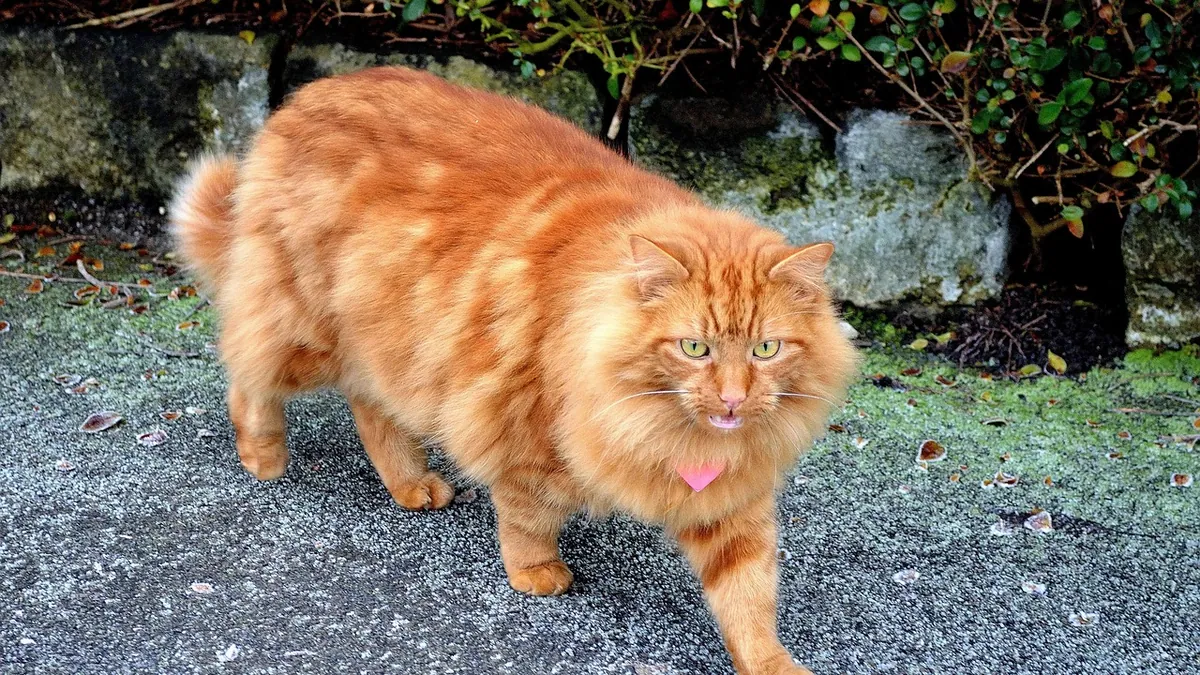
A cat that is not able to walk properly may be limping from a sore leg, wobbling from a neurologic problem, or dragging the back legs because of a blood clot or spinal injury. The pattern of the problem tells you a lot about how fast you need to act. This article is educational and is not a substitute for veterinary diagnosis or treatment.
Quick Answer
- Limping means one or more legs hurt or do not bear weight normally. Wobbling means the cat is unsteady, swaying, or off balance, which points to the nervous system or to whole-body weakness.
- Sudden paralysis or dragging of the back legs, especially with crying, cold back legs, or fast breathing, is an emergency. Call an emergency clinic now.
- A cat that cannot walk at all, cannot stand, or has been getting worse over hours needs to be seen the same day.
- Do not give any human pain medicine to a cat. Many common pain drugs are toxic to cats, and the dose must be calculated by a veterinarian.
- Keep the cat quiet and confined in a small, padded space while you arrange care. Do not force a wobbly cat to walk.
What Trouble Walking Looks Like in Cats
Cats hide problems well, so the first sign is often subtle. You may notice your cat not walking straight, drifting to one side, or walking with the head tilted. Some cats limp when walking, meaning they favor a leg, take short steps, or hold a paw up. Others look weak in the whole body, with a low head carriage or a neck that bends forward [1].
It helps to sort what you see into two groups.
Limping (lameness). The cat is weak, lame, or has limb swelling or joint dysfunction. Nerve and muscle function may also be impaired [2]. Lameness is not a disease itself. It is a sign that something is wrong in the muscles, bones, or joints [2].
Wobbling or weakness. The cat sways, falls to one side, or cannot control the legs even though they do not seem painful. This pattern points more toward the brain, spinal cord, nerves, or muscles. A wobbly gait in cats can come from cerebellar problems or vestibular disease, which affect balance and coordination.
Normal vs. not normal. A healthy cat walks with steady, quiet steps and can jump and land without hesitation. A cat that stumbles once after a nap may be fine. A cat that stumbles repeatedly, crosses the legs, or drags a paw is not normal.
Main Causes of a Cat Not Walking Properly
Many conditions can change how a cat walks. The table below groups the most common ones and how urgent each tends to be.
| Cause | Typical clues | How urgent |
|---|---|---|
| Soft tissue injury (muscle strain, sprain) | Sudden limping after a jump or fall, one leg affected, cat still eats and grooms | Same day to 24 hours |
| Fracture or joint injury | Will not bear weight, swelling, pain when touched, possible grating sound when the joint moves [3] | Emergency or same day |
| Arthritis (including immune-mediated types) | Slow onset, stiffness after rest, several joints, joint swelling and fluid buildup [3] | Routine visit |
| Muscle disease (myopathy, myositis) | Generalized weakness, muscle pain, poor appetite, abnormal gait [1] | Same day |
| Low potassium (hypokalemic polymyopathy) | Whole-body weakness, neck bent forward, abnormal gait, loss of appetite, muscle pain [1] | Same day |
| Myasthenia gravis (autoimmune nerve-muscle disorder) | Rapidly worsening weakness that can progress from the back legs to all four limbs within days [4] | Emergency |
| Cerebellar hypoplasia | Wobbling from kittenhood, wide stance, head tremor, no pain | Routine visit |
| Spinal cord or disk disease | Dragging back legs, pain along the spine, loss of bladder control | Emergency |
| Blood clot (saddle thrombus) | Sudden paralysis of the back legs, crying, cold limbs, fast breathing | Emergency now |
| Cancer, including lung-digit syndrome | Shifting lameness that comes and goes in an older cat, sometimes with visible toe swelling [5] | Same day to urgent |
| Rare masses in muscle | Slow, progressive lameness in one limb, sometimes a palpable mass [6] | Routine to urgent |
Some causes are rare but real. An intramuscular osteochondroma, a benign cartilage-linked mass inside a muscle, has been reported as a cause of progressive lameness in one back leg of a cat [6]. Brachialis muscle contracture, a tightening of a muscle near the elbow, can limit how far the elbow extends and cause ongoing lameness [7]. These are uncommon, and your veterinarian will sort them out with imaging and testing.
Limping or Wobbling: Why the Difference Matters
If your cat is limping, the problem is usually in a limb. If your cat is wobbling, the problem is usually in the nervous system or in the muscles as a whole. That difference changes the tests your veterinarian runs and how fast your cat needs care.
A shifting lameness that seems to move from leg to leg, or that gets better and then worse, deserves special attention in an older cat. This waxing and waning pattern can be an early sign of cancer that has spread to the toes from a lung tumor, a condition called feline lung-digit syndrome [5]. Chest X-rays are often part of the workup when this pattern appears [5].
For a deeper look at balance problems, see Why Is My Cat having a wobbly gait? Cerebellar Hypoplasia and Vestibular Disease. If the issue looks more like a sore leg, see Why Is My Cat Limping?.
Red Flags That Mean Emergency Care Now
Go to an emergency clinic immediately if you see any of these.
- Sudden paralysis or dragging of the back legs, especially with vocal crying, cold back paws, or rapid breathing. This can be a blood clot, which cuts off blood flow and is extremely painful.
- Trouble breathing, open-mouth breathing, or blue gums. Weakness that reaches the breathing muscles can become life threatening [4].
- A cat that cannot stand at all, or that went from walking to not walking within hours.
- Loss of bladder or bowel control along with weak back legs.
- A leg that is cold, swollen, or bent at a strange angle.
- A known fall from height, a car accident, or a dog attack.
- Sudden weakness with pale gums, collapse, or a body that feels cool.
Weakness that spreads fast is a serious sign. In one reported cat, weakness started in the back legs and progressed to all four limbs within 4 days, and the cat later needed a breathing tube and mechanical ventilation [4]. Time matters with this kind of decline.
What You Can Safely Do at Home While You Wait
Your job at home is to keep your cat safe and comfortable until a veterinarian sees them. Do not try to treat the problem yourself.
- Confine your cat to a small area, such as a carrier, a playpen, or a bathroom with soft bedding. A wobbly cat can fall down stairs or hurt themselves jumping.
- Keep food, water, and a litter box within easy reach so your cat does not have to walk far.
- Carry your cat with both hands supporting the chest and hindquarters if they cannot walk well.
- Do not give any human pain relievers. Many are toxic to cats, and the correct drug and dose must come from your veterinarian [2].
- Do not massage, stretch, or pull on a limb that might be broken.
- Take a short video of your cat walking. This helps your veterinarian see the pattern, especially if your cat moves differently in the clinic.
- Note the timeline. Write down when the problem started, which legs are involved, and whether it is getting better or worse.
Pain control is a real part of treatment for lame cats and can help them recover faster, but it must be prescribed by your veterinarian, and you should follow the directions exactly [2].
What Your Veterinarian Will Check and Test
Your veterinarian will start with a full physical and neurologic exam. They will watch your cat walk, check each limb for swelling and pain, test reflexes, and look at how the pupils and eyes move.
Common tests include:
- Blood and urine tests. These can confirm conditions such as hypokalemic polymyopathy, which is caused by potassium deficiency and shows up as generalized weakness, a bent-forward neck, abnormal gait, poor appetite, and muscle pain [1]. Treatment with dietary potassium supplements, dosed by your veterinarian, often leads to an excellent recovery when the condition is caught and treated quickly [1].
- X-rays. These can show fractures, joint fluid, and signs of arthritis [3]. Chest X-rays may be needed if a shifting lameness suggests a lung tumor [5].
- Joint fluid testing or arthroscopy. If immune-mediated arthritis is suspected, your veterinarian may test fluid removed from a joint or examine the joint with a specialized camera [3].
- Advanced imaging. MRI or CT can reveal brain or spinal cord problems. In one reported case, MRI showed a shrunken cerebellum consistent with cerebellar hypoplasia [8].
- Muscle and nerve testing. Electromyography can show abnormal electrical activity in muscles, which supports a diagnosis of a neuromuscular junction disorder such as myasthenia gravis [4].
Treatment depends on the cause. Options range from pain relievers and supplements for arthritis [2], to potassium supplements for low potassium [1], to surgery for certain muscle or mass problems [6][7]. Some conditions, such as myasthenia gravis in cats, are rare and can be hard to treat, so your veterinarian will discuss the outlook honestly [4].
Prevention and Monitoring
You cannot prevent every cause of walking trouble, but you can lower some risks and catch problems early.
- Keep your cat indoors or in a secure catio to reduce falls, car accidents, and fights.
- Feed a complete, balanced cat food. Diets heavy in fish or fish byproducts have been linked to a muscle condition called yellow fat disease, which is thought to involve too many unsaturated fatty acids plus a shortage of vitamin E or other antioxidants [1].
- Keep your cat at a healthy weight. Extra weight strains joints.
- Watch for small changes. A cat that hesitates to jump, walks stiffly after naps, or shifts weight between legs may be showing early joint or muscle disease [2][3].
- For older cats, ask your veterinarian about routine checks. A shifting lameness in an older cat should prompt a closer look, including chest imaging [5].
- If your cat has a known neurologic condition, keep furniture and stairs safe and check in with your veterinarian about monitoring.
Limitations and When to Contact a Veterinarian
This article cannot tell you what is wrong with your cat. Only a veterinarian who examines your cat can do that. Individual cases need a veterinarian, and the timing below is a guide, not a rule.
Call an emergency clinic now if your cat has sudden back leg paralysis, cold limbs, severe crying, trouble breathing, loss of bladder control, or cannot stand at all.
Same-day visit if your cat is limping and not bearing weight, has been getting weaker over hours, has a swollen or painful joint, or has stopped eating.
Routine visit within a few days if the limping is mild, comes and goes, or has been slowly worsening over weeks, and your cat is otherwise acting normal.
If you are unsure, call your veterinarian and describe what you see. A phone call costs nothing and can save time.
Frequently Asked Questions
Should I wait to see if my cat walks normally tomorrow?
No, do not wait if the change was sudden or your cat cannot bear weight. Sudden weakness can worsen within hours, and some causes, such as a blood clot or spinal injury, need care right away. A mild limp that has been stable for days can often wait for a routine visit, but call your veterinarian to decide.
Can a cat recover from not being able to walk?
Yes, many cats recover, and the outlook depends on the cause. Low potassium muscle weakness has an excellent recovery rate when treated quickly [1], and some muscle problems improve fully after surgery [7]. Other conditions, such as advanced cancer or severe neuromuscular disease, have a poorer outlook [4][5].
Is it an emergency if only the back legs are affected?
Often yes. Sudden paralysis of the back legs can be a blood clot, a spinal cord injury, or a disk problem, and all of these need urgent care. Weakness that starts in the back legs can also spread to the front legs and breathing muscles within days [4]. Treat back leg paralysis as an emergency until a veterinarian says otherwise.
Can I give my cat a pain reliever from my medicine cabinet?
No. Never give human pain medicine to a cat without veterinary direction. Many common pain drugs are toxic to cats, and the correct drug and dose must be calculated by your veterinarian based on your cat's weight and health [2]. Giving the wrong drug can cause serious harm.
What does it mean if my cat's limp moves from leg to leg?
A shifting lameness that comes and goes can be an early sign of cancer spread to the toes from a lung tumor, especially in an older cat [5]. It can also happen with immune-mediated arthritis that affects several joints [3]. Your veterinarian will likely recommend X-rays, including chest imaging, to look for the cause [5].
Related Articles
- Why Is My Cat having a wobbly gait? Cerebellar Hypoplasia and Vestibular Disease
- Why Is My Cat Limping?
- Cat Limping on a Front Leg: Common Causes and Urgency Guide
- Cat Limping on a Back Leg: Causes and Urgency Guide
- Cat Lethargy: Sudden Weakness and When to Rush to the Vet
- Cat Limping After a Jump: Is It a Sprain or a Break?
- Why Is My Cat Off Balance? Causes of Ataxia in Cats
- Back Leg Weakness in Cats: Causes and When to Worry
- Wobbler Syndrome in Cats: Causes and Treatment
References
- Muscle Disorders in Cats - Cat Owners. Merck Veterinary Manual.
- Lameness in Cats - Cat Owners. Merck Veterinary Manual.
- Joint Disorders in Cats - Cat Owners. Merck Veterinary Manual.
- Cystic Thymoma-Associated Fulminant Myasthenia Gravis with Rapid Progression in a Cat: Diagnostic and Therapeutic Challenges. Veterinary sciences, 2026.
- Feline lung-digit syndrome: A differential diagnosis for shifting, waxing and waning lameness in a cat. The Canadian veterinary journal = La revue veterinaire canadienne, 2024.
- Lameness caused by intramuscular osteochondroma in semimembranosus muscle in a male cat. JFMS open reports, 2026.
- Brachialis muscle contracture as a cause of lameness in cats: A study of four cases. Australian veterinary journal, 2026.
- Cerebellar hypoplasia in an Amur leopard cat (Prionailurus bengalensis euptilura) with feline panleukopenia virus infection. Veterinarni medicina, 2025.