Kitten Not Walking Properly: Causes and Urgency
By Dr. Zubair Khalid, DVM, MS, PhD ·
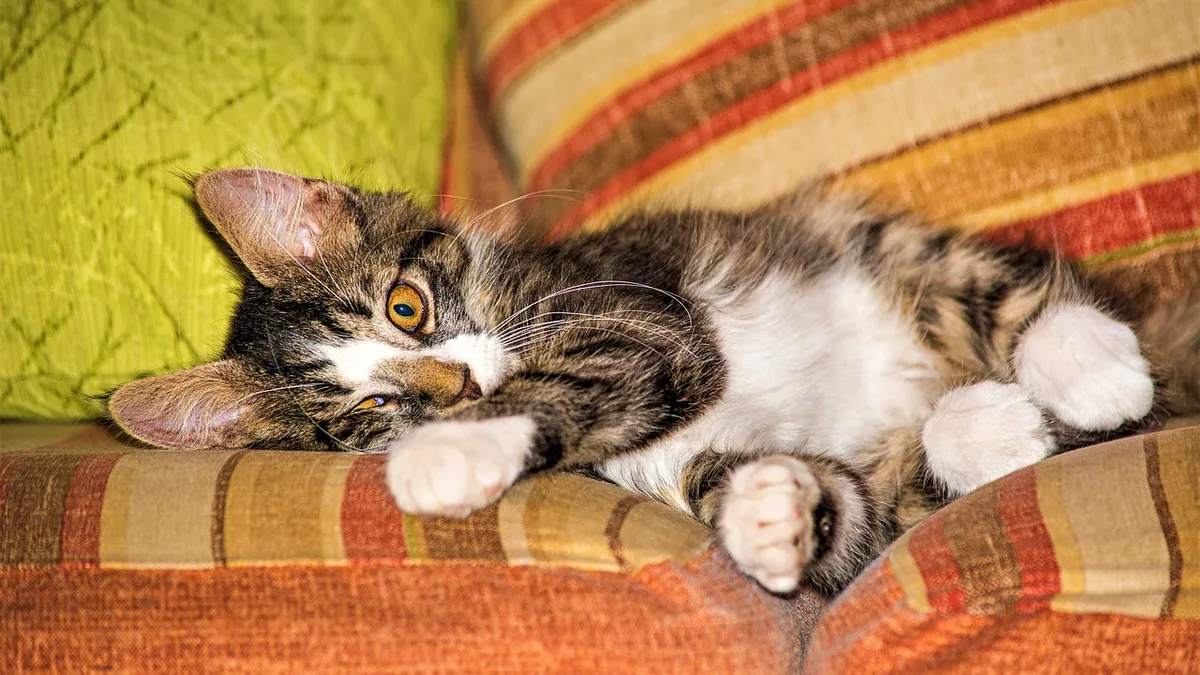
A kitten that cannot walk or walks abnormally needs veterinary attention right away. A kitten not walking properly is a sign of pain, injury, low blood sugar, toxin exposure, or a neurologic problem, and some of these causes are life threatening within hours. This article is educational and is not a substitute for veterinary diagnosis or treatment.
Quick Answer
- Treat sudden inability to walk as an emergency. Call your veterinarian or an emergency clinic before you do anything else.
- Do not give any human medication, including pain relievers. Many are toxic to cats, and the dose must always be calculated by a veterinarian from your kitten's weight and health.
- Keep your kitten confined in a small, padded space, like a carrier or a laundry basket lined with towels, so she cannot fall or drag herself further.
- Note the timing (sudden or gradual), which legs are affected, and any possible exposure to toxins, then bring that information with you.
- If you suspect poisoning, call the ASPCA Animal Poison Control Center at (888) 426-4435 or the Pet Poison Helpline at (855) 764-7661 while you arrange transport.
What a Walking Problem Looks Like in a Kitten
Normal kittens are wobbly at first. Newborns scoot and paddle. By about three to four weeks, they stand and take clumsy steps. By six to eight weeks, most kittens walk, run, and climb with reasonable control. A little clumsiness in a very young kitten can be normal development.
A problem looks different. Your kitten may refuse to put weight on one leg. She may drag a back leg, knuckle over on her paws, or sway and fall to one side. Some kittens cry when they move. Others stop moving altogether and just lie still. Some have a wide, unsteady stance or a head tremor.
The pattern matters. A single bad leg points to an injury or a localized problem. Weakness in all four legs, or in both back legs, points more toward a neurologic or metabolic cause. Sudden onset after a fall, a loud noise, or a known exposure is different from a slow decline over days or weeks.
If only one leg is involved and your kitten is still eating and playing, see the guide to cat limping on a front leg or cat limping on a back leg for a closer look at lameness in one limb.
Main Causes of a Kitten Not Walking Properly
Trauma and Orthopedic Injury
Kittens are small, fast, and fearless. Falls from furniture, being stepped on, rough play with a larger pet, and car accidents are common. Blunt trauma can fracture bones, dislocate joints, or damage the spine.
One report described a 4-month-old kitten with a non-weightbearing lameness in a hind leg after blunt trauma. Imaging found a comminuted, intra-articular calcaneal fracture, which is a break in the heel bone that extends into the joint [1]. The kitten was treated surgically and was fully active with no residual lameness nine months later [1]. This shows that even serious injuries can have good outcomes with prompt care.
Toxins
Household and garden poisons can cause sudden weakness or paralysis. Common culprits include antifreeze, certain insecticides, rodenticides, human medications, and some plants. Permethrin, a common ingredient in dog flea products, is especially dangerous to cats.
Toxin exposure is time critical. If you see your kitten walk into a spill, lick a medication, or eat a poisoned rodent, call a poison control line immediately. Do not wait for symptoms.
Neurologic Disease
Neurologic causes include infections, birth defects, and metabolic disorders. Feline panleukopenia virus can damage the developing cerebellum when a pregnant queen is infected, causing cerebellar hypoplasia. An affected Amur leopard cat showed ataxia with no other findings on physical exam, radiography, or blood work, and MRI revealed a shrunken cerebellum consistent with in utero infection [2]. Domestic kittens can be affected the same way.
Inborn metabolic disorders are rare but real. A 10-month-old kitten with progressive neurologic decline had ataxia, seizures, and vision problems, along with low cobalamin and abnormal urinary methylmalonic acid. MRI showed generalized brain atrophy [3]. This condition, methylmalonic aciduria, comes from defects in cobalamin metabolism or an enzyme called methylmalonyl-CoA mutase [3].
Low Blood Sugar in Newborns
Newborn kittens have immature metabolism, small liver sugar reserves, and a limited ability to make glucose, so their blood sugar can drop dangerously in the first days of life [4]. Low blood sugar can cause weakness, wobbling, and collapse.
Cancer (Less Common, More Likely in Older Cats)
Feline lung-digit syndrome is a condition where a lung tumor spreads to the toes. It can cause a shifting, waxing and waning lameness that comes and goes between legs before any visible swelling appears [5]. This is mostly seen in older cats, but it belongs on the list when lameness moves around.
Cause Table
| Cause | Typical clues | How urgent |
|---|---|---|
| Trauma or fracture | Sudden onset after a fall or accident, one leg affected, crying, swelling | Emergency now |
| Toxin exposure | Known or suspected exposure, sudden weakness, drooling, tremors, vomiting | Emergency now |
| Neurologic disease | Wobbling, head tilt, tremors, seizures, weakness in multiple legs | Emergency or same day |
| Neonatal low blood sugar | Kitten under 3 days old, weak, cold, not nursing, limp | Emergency now |
| Infection (panleukopenia) | Unsteady gait from a young age, poor growth, other kittens affected | Same day |
| Metabolic disorder | Slow progressive decline, vision problems, swallowing trouble | Same day |
| Cancer (lung-digit syndrome) | Older cat, lameness that shifts between legs over weeks | Routine visit soon |
Red Flags That Mean Emergency Now
Go to an emergency clinic immediately if you see any of these:
- Sudden inability to walk, especially after a fall, a crash, or a loud yelp.
- Dragging one or both back legs, or a tail that hangs limp.
- Trouble breathing, open-mouth breathing, or blue gums.
- Seizures, tremors, or a sudden head tilt with circling.
- Known or suspected contact with antifreeze, insecticides, rodenticides, or human medications.
- A kitten under three days old who is limp, cold, or not nursing [4].
- Crying out when touched, or a limb that looks bent the wrong way.
- Collapse, extreme sleepiness, or unresponsiveness.
When in doubt, call. A veterinarian can help you decide whether to come in now or monitor at home.
Safe Things You Can Do at Home While Waiting
Your job is to keep your kitten safe and stable until you reach the clinic.
- Confine her. Use a carrier or a box with low sides and soft bedding. Do not let her try to walk.
- Keep her warm. Newborns and small kittens lose heat fast. Use a wrapped warm water bottle or a towel warmed in the dryer, always with a layer between it and the kitten.
- Do not feed or water her unless your veterinarian tells you to. If surgery or sedation may be needed, food in the stomach is a risk.
- Do not move a limb that looks broken. Support the whole body with a towel or board when you lift her.
- Do not give any medication. Human pain relievers like ibuprofen and acetaminophen are toxic to cats, and dosing must always come from a veterinarian.
- Collect information. Write down the time symptoms started, which legs are affected, what she may have eaten or touched, and whether other pets are sick.
- Call ahead. Emergency clinics can prepare for a critical kitten if they know you are coming.
If your kitten is hiding and hard to catch, move slowly and use a towel to scoop her up instead of chasing. Stress makes breathing and heart problems worse.
What Your Veterinarian Will Check
Your veterinarian will start with a full physical and neurologic exam. They will check your kitten's gait, paw placement, reflexes, pain response, and spinal alignment. They will also check gum color, hydration, heart rate, and breathing.
Next come tests. Blood glucose is often checked first, especially in newborns and very small kittens, because low blood sugar is fast to find and fast to treat [4]. Blood work can also reveal organ problems and infections. X-rays look for fractures and lung changes. In one trauma case, a three-dimensional CT scan was needed to fully map a complex heel fracture before surgery [1].
If a neurologic cause is suspected, your veterinarian may recommend an MRI. MRI found brain atrophy in a kitten with a metabolic disorder [3] and a shrunken cerebellum in a cat with cerebellar hypoplasia [2]. These tests help separate treatable problems from permanent ones.
Treatment depends on the cause. Fractures may need surgery or splinting [1]. Low blood sugar is corrected with glucose. Toxin exposure may need decontamination and supportive care. Some neurologic conditions can be managed, while others are progressive [3].
Prevention and Monitoring
You cannot prevent every problem, but you can lower the risk.
- Kitten-proof your home. Block stairways, secure window screens, and keep kittens off high surfaces.
- Store all medications, cleaners, antifreeze, and pesticides out of reach. Never use dog flea products on a cat.
- Keep your kitten indoors. This prevents car accidents, fights, and exposure to poisoned prey.
- Vaccinate your queen before breeding, since panleukopenia infection during pregnancy can cause cerebellar hypoplasia in kittens [2].
- Watch newborns closely for the first three days, when blood sugar is least stable [4].
- Track changes. If your kitten's gait changes, write down the date and which legs are involved. Shifting lameness over weeks deserves a veterinary visit and chest imaging [5].
If your kitten also coughs or gags, that can point to a separate problem. See cat coughing and gagging for more on those signs.
Limitations and When to Contact a Veterinarian
This article cannot tell you what is wrong with your specific kitten. Only a veterinarian who examines her can do that. Individual cases need a veterinarian, and the timing below is a guide, not a rule.
Emergency now: sudden inability to walk, trauma, suspected toxin exposure, seizures, trouble breathing, a limp newborn, or a limb that looks deformed.
Same day: a kitten who is walking but wobbly, favoring one leg, or getting worse over hours. Also call the same day if you are unsure.
Routine visit soon: a slow change in gait over weeks, especially in an older cat, or shifting lameness between legs [5].
If you are ever unsure which category fits, call your veterinarian. It is always better to be told to stay home than to wait too long.
Frequently Asked Questions
Can a kitten's walking problem fix itself?
Some mild injuries improve with rest, but you cannot tell the difference at home between a bruise and a fracture. A kitten that cannot bear weight or drags a limb needs an exam. Waiting can let a treatable problem become permanent.
Is it normal for a very young kitten to be wobbly?
Yes, up to a point. Newborns scoot and paddle, and kittens around three to four weeks are still clumsy. If your kitten is not improving week by week, or if she gets worse, that is not normal development and needs a veterinary visit.
Could my kitten have eaten something poisonous?
Yes, and this is one of the most common reasons a kitten suddenly cannot walk. Antifreeze, insecticides, rodenticides, and human medications are frequent culprits. Call a poison control line and your veterinarian right away if you suspect any exposure.
Why is my kitten suddenly unable to walk?
Sudden loss of walking is usually trauma, toxin exposure, low blood sugar, or a neurologic event. These causes can overlap, and some are fatal within hours. Treat it as an emergency and go to a clinic now.
Will my kitten walk normally again?
Many kittens recover fully with fast treatment. One kitten with a serious heel fracture was fully active with no lameness nine months after surgery [1]. Others have permanent conditions that need long-term management [3]. Your veterinarian can give you a realistic outlook after the exam.
If your kitten is also shaking her head or scratching her ears, that may be a separate issue worth checking. See cat shaking head and scratching ears for details.
Related Articles
- Cat Limping on a Front Leg: Common Causes and Urgency Guide
- Cat Limping on a Back Leg: Causes and Urgency Guide
- Cat Coughing and Gagging: Causes and Urgency
- Cat Shaking Head and Scratching Ears: Causes and Urgency
- Cat Hiding After Moving: How to Help Your Cat Adjust
- Cat Scooting: Causes and When to Call the Vet
- Kitten Not Standing Up: Causes and Urgency
- Cat Not Walking Properly: Causes of Wobbling and Weakness
- Why Is My Kitten Wobbly? Causes of an Unsteady Gait
References
- Surgical management of a traumatic calcaneal fracture in a kitten using three-dimensional CT imaging. JFMS open reports, 2026.
- Cerebellar hypoplasia in an Amur leopard cat (Prionailurus bengalensis euptilura) with feline panleukopenia virus infection. Veterinarni medicina, 2025.
- Clinical, magnetic resonance imaging, and neuropathological features of suspected inborn methylmalonic aciduria in a domestic shorthair kitten. Journal of veterinary internal medicine, 2026.
- Reassessing neonatal hypoglycemia in kittens: clinical relevance beyond the laboratory value. Topics in companion animal medicine, 2026.
- Feline lung-digit syndrome: A differential diagnosis for shifting, waxing and waning lameness in a cat. The Canadian veterinary journal = La revue veterinaire canadienne, 2024.