Wheezing in Cats: Causes, Sounds, and When to See a Vet
By Dr. Zubair Khalid, DVM, MS, PhD ·
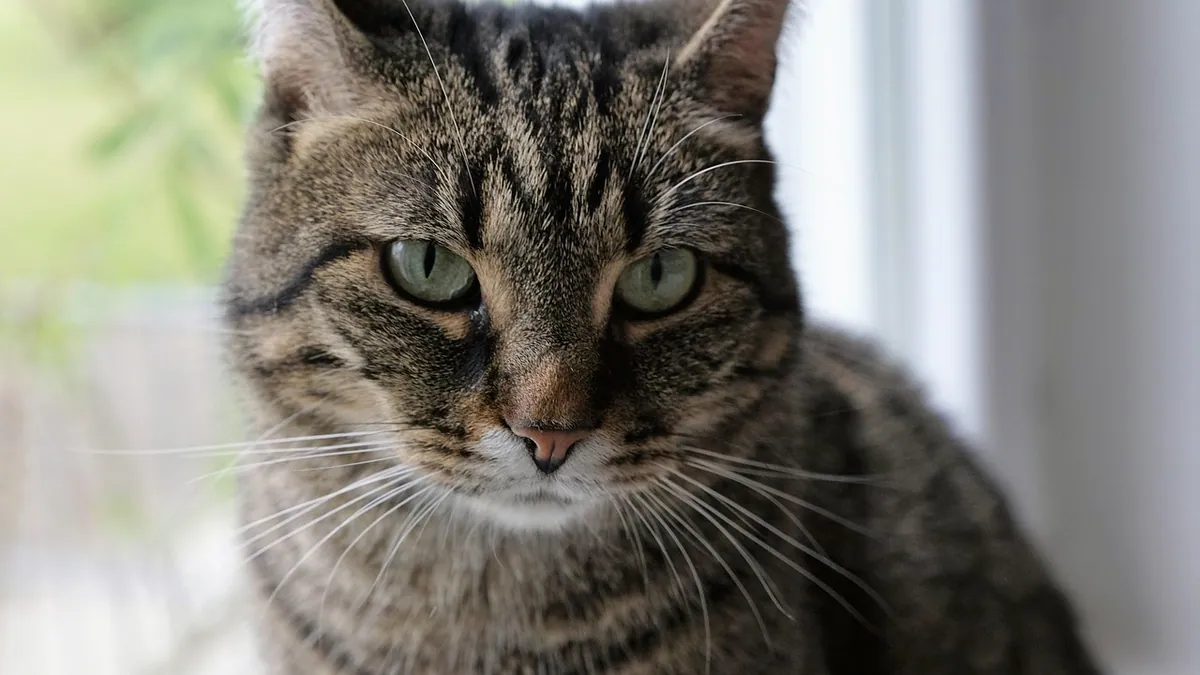
Wheezing in cats causes a high-pitched whistle or squeak when air pushes through narrowed airways. The most common reasons are feline asthma, bronchitis, heart disease, and something stuck in the throat or nose. Some wheezes are mild and come and go, while others signal an emergency that needs care right away.
This article is educational and is not a substitute for veterinary diagnosis or treatment.
Quick Answer
- A true wheeze is a high-pitched whistle from the chest or throat, not the dry heaving of a hairball.
- Feline asthma is a leading cause, especially in young cats and Siamese or Himalayan breeds [1].
- A cat who wheezes with the mouth open, breathes fast at rest, or turns blue needs emergency care now.
- Never give human asthma inhalers or cough syrups to a cat unless your vet prescribes them and shows you how to use them.
- Any cat who keeps wheezing for more than a day or two should see a vet for an exam and chest X-rays.
What Wheezing Looks Like and What Is Normal
A wheeze is a continuous, musical sound made when air moves through airways that are narrowed, swollen, or partly blocked. You may hear it when your cat breathes in, breathes out, or both. It often comes from the chest, but it can also come from the throat or nose.
Owners describe the cat wheezing sound in different ways. Some hear a high whistle. Others hear a squeak, a rasp, or a snoring noise. The sound may be loud enough to hear across the room, or you may only notice it when your cat is resting on your lap.
Normal breathing in a healthy cat is quiet. You should not hear whistling, rattling, or gurgling at rest. A relaxed cat breathes about 20 to 30 times a minute, and the chest moves gently and evenly.
It helps to know what a wheeze is not. A hairball episode looks like dry heaving, with the neck stretched out and the belly pumping, and it usually ends with a hairball or nothing at all. That is not a wheeze. A reverse sneeze is a sudden snorting fit through the nose. A cough is a sharp, forceful push of air. If you are unsure which one you are seeing, a short video on your phone is one of the most useful things you can bring to your vet visit.
Some cats wheeze only now and then. Others wheeze every day. The pattern matters as much as the sound.
Wheezing in Cats Causes: The Main Reasons
Several conditions can narrow a cat's airways and cause wheezing. The table below groups the most common ones and what makes each stand out.
| Cause | Typical clues | How urgent |
|---|---|---|
| Feline asthma (allergic bronchitis) | Young cat, Siamese or Himalayan breed, cough and wheeze that come and go, signs after dust, smoke, or perfume exposure [1][2] | Urgent if severe. Same-day care for new or worsening signs |
| Chronic bronchitis | Long-standing cough, worse after rest or at the start of play, may have a mild fever [1] | See a vet within a few days |
| Heart disease with fluid buildup | Older cat, fast or labored breathing, weakness, sometimes a heart murmur | Emergency if breathing is hard at rest |
| Foreign object in the nose or throat | Sudden onset, pawing at the face, gagging, one-sided nasal noise or discharge | Emergency |
| Nasal or sinus disease | Noisy breathing through the nose, sneezing, discharge, sometimes bad breath | Routine visit, sooner if breathing is affected |
| Cancer in the chest or airways | Older cat, weight loss, ongoing wheeze that does not respond to usual treatment | See a vet promptly |
| Smoke or chemical fumes | Wheezing started after a fire, incense, or strong cleaners [1] | Emergency if breathing is distressed |
Feline Asthma
Feline asthma is one of the most common causes of wheezing in cats. It is an allergic airway disease. When a sensitive cat breathes in an allergen, the immune system releases substances that inflame and narrow the airways, and mucus builds up inside them [2]. The result is a smaller opening for air, which is what you hear as a wheeze.
Signs include difficulty breathing, wheezing, rapid breathing, coughing or hacking, open-mouthed breathing, and sometimes vomiting [2]. These signs can range from a mild ongoing cough to a full respiratory crisis [2]. Many cats crouch low to the ground with the neck stretched forward during an attack [2].
Asthma most often affects young cats and the Siamese and Himalayan breeds. Sudden asthma in an older cat is uncommon, so a new wheeze in a senior cat usually points to another cause [1].
Chronic Bronchitis
Bronchitis is inflammation of the trachea and bronchial airways, and it can spread into the lungs. It is more likely in cats who already have respiratory or lung disease. Causes include immune problems, parasites, mouth and throat disease, and chronic coughing from heart or lung disease. Smoke and chemical fumes can also trigger it [1].
The main sign is spasms of coughing, worst after rest or at the start of exercise. A slight fever may show up too. The acute stage often passes in 2 to 3 days, but the cough can linger for several weeks [1].
Heart Disease
Heart disease can cause wheezing when fluid builds up in or around the lungs and presses on the airways. In one study of 258 cats with severe breathing difficulty, heart causes accounted for about 25 percent of cases, and pleural effusion (fluid around the lungs) was present in 39 percent of the cats [3].
A cat with heart-related breathing trouble often breathes fast even when asleep, tires quickly, and may have cold paws or a weak appetite. This is a medical emergency when breathing is labored at rest.
Foreign Objects and Other Causes
A blade of grass, a piece of string, or a small toy can lodge in the nose or throat and cause a sudden wheeze. These cats often paw at the face, gag, or have discharge from one nostril. This needs immediate care.
Less common causes include nasal disease, tumors, and reactions to smoke or fumes [1]. One case report described a 12-year-old cat with wheezing and breathing trouble that turned out to have rhinitis along with imaging findings of a stroke, a reminder that not every wheeze comes from the lungs [4].
Is It Normal for Cats to Wheeze?
No. A healthy cat should breathe quietly. Occasional snoring while asleep is common, and a rare single snort is usually harmless. But repeated wheezing, wheezing that lasts more than a day, or wheezing that comes with coughing or fast breathing is not normal.
If your cat keeps wheezing, keep a simple log. Note the time of day, what your cat was doing, how long it lasted, and whether the mouth was open. This record helps your vet narrow down the cause.
Cat Wheezing After Playing
Wheezing that shows up during or right after play is a pattern worth paying attention to. In bronchitis, coughing and breathing signs are often worst at the beginning of exercise or after rest [1]. Asthma signs can also flare with activity, since exercise raises the demand for air through already narrowed airways [2].
A cat who wheezes after a hard play session and then settles within a minute or two may have mild airway disease. A cat who wheezes, stops playing, and breathes with the mouth open or the elbows out needs to be seen right away.
Red Flags That Mean Emergency
Call an emergency clinic now if you see any of these:
- Open-mouthed breathing at any time (cats should breathe through the nose)
- Breathing that is fast or labored while resting or sleeping
- Blue or gray color to the gums, lips, or tongue, which signals low oxygen in the blood [1]
- A body posture with the neck stretched forward and the chest close to the floor [2]
- Sudden collapse, weakness, or inability to walk
- A wheeze that started suddenly after your cat chewed on string, a toy, or a plant
- More than 40 breaths a minute while your cat is asleep
Count breaths when your cat is calm. Watch the chest rise and fall for 15 seconds and multiply by 4. Do this a few times to get a baseline. A rising rate over hours is a warning sign.
What You Can Do at Home While You Wait
Home care is about keeping your cat calm and removing triggers. It is not a substitute for treatment.
- Keep your cat quiet in a cool, well-ventilated room. Stress makes breathing worse.
- Do not chase, pick up, or restrain a cat who is struggling to breathe. Let your cat choose a position.
- Stop all smoke, incense, scented candles, air fresheners, and strong cleaners. These can trigger airway spasms [1].
- Use a dust-free, low-scent litter if you can.
- Run a HEPA filter or open a window for fresh air if the weather allows.
- Do not give human asthma inhalers, cough syrups, antihistamines, or any medication unless your vet has prescribed it and shown you how to give it. The dose depends on your cat's weight and health, and your vet will calculate it.
- If your cat is in distress, skip home care and go to the vet.
What the Veterinarian Will Check and Test
Your vet will start with the basics and then decide how much testing your cat can safely handle. Cats in breathing distress often cannot tolerate a full workup at first, so the vet may treat and stabilize before running more tests [3].
Physical Exam
The vet listens to the chest with a stethoscope to hear where the noise comes from and whether the heart sounds normal. They check the gums for color and refill time, feel the neck and throat, and watch your cat breathe from across the room. They may gently press the throat area, since this can bring out a cough in some cats with asthma [2].
Imaging
Chest X-rays are the most common next step. They can show airway patterns, an enlarged heart, fluid around the lungs, or a mass. In some cats, a CT scan or bronchoscopy gives a clearer picture [5].
Airway Sampling
A bronchoalveolar lavage washes a small amount of fluid into the airways and collects it for testing. This helps confirm inflammation and rule out infection. Allergy testing may also be offered [5].
Blood and Other Tests
Blood work checks for infection, organ function, and heart markers. If heart disease is suspected, the vet may recommend an ultrasound of the heart. If a foreign object is suspected, the vet may examine the nose and throat under sedation.
Treatment
The main treatment for feline asthma is inhaled corticosteroids, often combined with bronchodilators [5]. Other options include cyclosporine, inhaled lidocaine, masitinib, and allergen-specific immunotherapy, though these have less supporting evidence [5]. A recent case report described a cat with severe asthma who improved after three injections of mesenchymal stromal cells given 30 days apart and was able to stop steroids and bronchodilators with no attacks over two years of follow-up [6]. This is a single case, so it is not yet a standard treatment.
Prevention and Monitoring
You cannot prevent every cause of wheezing, but you can lower the odds and catch problems early.
- Reduce allergens. Wash bedding often, vacuum with a HEPA filter, and keep your cat out of dusty rooms.
- Avoid smoke. Secondhand smoke and vaping aerosol irritate airways [1].
- Watch the weight. Extra pounds make breathing harder for a cat with airway disease.
- Track breathing at home. Count resting breaths a few times a week and write them down.
- Keep follow-up visits. Asthma and bronchitis are long-term conditions that need monitoring.
- Know your cat's normal. A cat who always snores softly is different from a cat who suddenly starts wheezing.
If your cat has other ongoing issues, such as sneezing fits or ear problems, those can point to a broader pattern. Our guide on cat sneezing and when to see a vet covers similar respiratory signs. If you notice bad breath along with drooling, see cat bad breath and drooling. And if your cat is losing hair from overgrooming due to stress or allergies, cat hair loss causes explains the common reasons.
Limitations and When to Contact a Veterinarian
This article cannot tell you what is causing your cat's wheeze. Only a veterinarian who examines your cat can do that. Every cat is different, and the same sound can come from very different problems.
Call an emergency clinic right now if your cat is breathing with the mouth open, has blue or gray gums, is gasping, has collapsed, or is working hard to breathe while resting [1][2].
Call your vet the same day if the wheezing started suddenly, if it comes with a cough that will not stop, if your cat is eating less or hiding, or if your cat has a known heart condition.
Schedule a routine visit within a few days if the wheeze is mild, comes and goes, and your cat is otherwise acting normal. Bring a video of the sound and your breathing log.
Frequently Asked Questions
Can a hairball cause wheezing in a cat?
A hairball can cause noisy breathing if it sits in the throat, but most hairball episodes are dry heaving, not wheezing. If your cat makes a high-pitched whistle while breathing, the cause is more likely in the airways or nose. A vet exam can tell the difference.
How can I tell asthma from a heart problem?
Asthma usually causes a cough and wheeze that come and go, often in a younger cat. Heart disease more often causes fast or labored breathing at rest and may come with weakness. Chest X-rays and a heart ultrasound are the usual ways to sort this out.
Will my cat's wheezing go away on its own?
Mild wheezing from a passing irritant can settle once the trigger is gone. Wheezing from asthma, bronchitis, heart disease, or a foreign object will not fix itself. If the sound lasts more than a day or keeps coming back, see your vet.
Are some cat breeds more likely to wheeze?
Yes. Siamese and Himalayan cats are more often affected by bronchial asthma than other breeds [1]. If you have one of these breeds and notice a recurring wheeze or cough, mention it to your vet early.
Can I use my own inhaler on my cat?
No. Human inhalers have doses and propellants made for people, and giving one to a cat can be dangerous. If your vet prescribes an inhaler, they will calculate the dose from your cat's weight and health and show you how to use a spacer and mask correctly.
Related Articles
- Cat Ear Infection Smell: Causes and When to See a Vet
- Cat Ear Infection: Signs and When to See a Vet
- Cat Bad Breath and Drooling: When to See the Vet
- Cat Sneezing: When to See a Vet
- Cat Hair Loss: Causes and When to See a Vet
- Cat Itchy Skin: Causes and When to See the Vet
- Labored Breathing in Cats: Causes, Treatment, and When to Worry
- Noisy Breathing in Cats: Causes of Congested Sounds
- Why Is My Kitten Wheezing? Causes and When to Worry
- Bacterial Respiratory Infections in Cats: Etiology, Diagnosis, and Treatment
- Bordetella bronchiseptica in Dogs and Cats: Kennel Cough Pathogenesis, Diagnosis, and Control
References
- Tracheobronchitis (Bronchitis, Bronchial Asthma) in Cats - Cat Owners. Merck Veterinary Manual.
- Feline Asthma: What You Need To Know. Cornell University College of Veterinary Medicine.
- Emergency Dyspnea in 258 Cats: Insights from the French RAPID CAT Study. Veterinary sciences, 2025.
- Presumed Stroke in a Cat-A Case Report. Veterinary sciences, 2025.
- Feline Asthma-Update on Diagnosis and Treatment Recommendations. The Veterinary clinics of North America. Small animal practice, 2026.
- Intramuscular administration of mesenchymal stromal cells in a cat with asthma: case report. Journal of veterinary internal medicine, 2026.