What Sounds Do Rabbits Make? Noises and Their Meaning
By Dr. Zubair Khalid, DVM, MS, PhD ·
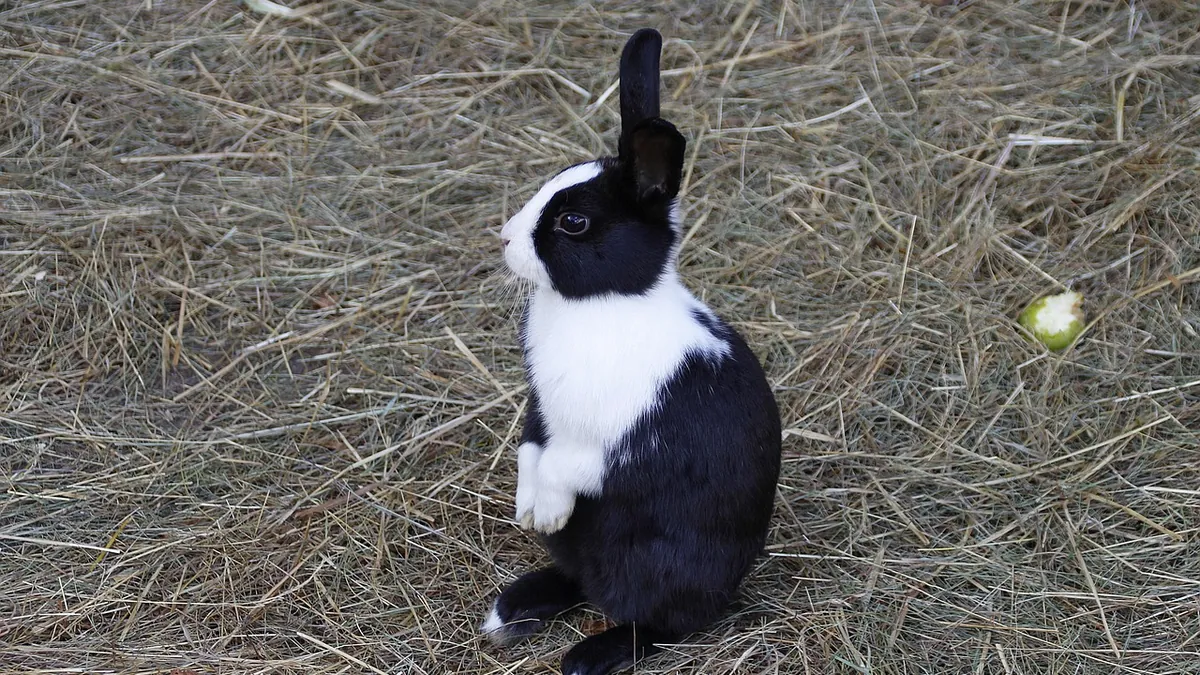
Yes, rabbits do make noise, and their sounds range from soft honks to loud screams. Most rabbit vocalizations are quiet and easy to miss, but each one carries meaning about how your rabbit feels. Learning these sounds helps you tell normal chatter from pain or fear.
This article is educational and is not a substitute for veterinary diagnosis or treatment.
Quick Answer
- Rabbits make noise through honking, grunting, thumping, screaming, tooth purring, and soft clicking sounds.
- A honking or circling rabbit is usually excited or courting, which is common in unspayed and unneutered rabbits.
- A scream is rare and means severe pain or terror. Treat it as an emergency.
- A thump is a warning signal, not a sign your rabbit hates you.
- Loud breathing or clicking sounds can point to a breathing problem and need a same-day vet call.
How Do Rabbits Make Noise?
Rabbits have a limited vocal range compared with cats and dogs, but they are not silent. Most of their sounds come from the throat, nose, and teeth, plus the hind feet for thumping. Their hearing is well developed, and they use sound together with vision to orient toward what is happening around them [1]. That means your tone of voice and sudden noises matter to them.
Some rabbit sounds are so soft that owners miss them for months. A contented rabbit may grind its teeth gently, which sounds like a soft purr. A frightened rabbit may grind its teeth loudly, which sounds very different. The same body part can make two opposite sounds, so context matters as much as the noise itself.
What Do Common Rabbit Sounds Mean?
Honking
Honking sounds like a small goose. It usually means excitement or romantic interest. An unneutered male may honk while circling a female or even a favorite toy. Spayed and neutered rabbits can still honk when they are very happy, such as at feeding time.
Grunting
A short grunt often means annoyance. Your rabbit may grunt when you reach into its space or pick it up before it is ready. A grunt paired with ears back and a lunge is a clear "back off" signal.
Thumping
Thumping is a loud drumming with a hind foot. Rabbits thump to warn others of danger. Your rabbit may thump at a strange noise, a new pet, or a shadow. One or two thumps are normal. Constant thumping for hours suggests your rabbit feels unsafe in its space.
Screaming
A rabbit scream is high pitched and piercing. It signals extreme fear or severe pain. This is not a sound to get used to. If your rabbit screams, check it right away and call your veterinarian.
Tooth Purring and Tooth Grinding
Soft tooth purring happens when a rabbit is relaxed, often while being petted. Loud tooth grinding, sometimes called tooth clicking, happens when a rabbit is in pain. The loud version often comes with hunched posture, drooling, or not eating.
Soft Clicking and Snuffling
Some rabbits make soft clicking or snuffling sounds when they explore. Occasional soft noise is usually harmless. Loud or wet breathing sounds are different and need a vet visit. Respiratory sound changes can reflect airway problems, and researchers have used breath sound analysis to detect airway collapse in rabbits [2].
Whimpering or Whining
A whimper is a soft, unhappy sound. It often shows up during nail trims, car rides, or handling that your rabbit dislikes. It is a mild distress signal, not a sign of serious illness on its own.
Why Does My Rabbit Make Noise? Normal Reasons First
Most rabbit noise has a normal, everyday cause. Here are the common ones.
- Excitement and food anticipation. Honking and circling often happen at mealtime.
- Courtship and hormones. Unaltered rabbits honk, grunt, and spray more often. Spaying or neutering usually reduces this.
- Fear and startle. Thumping, screaming, and sudden grunts happen when a rabbit feels threatened.
- Pain. Loud tooth grinding, whimpering, and screaming can all point to discomfort.
- Breathing changes. Snoring, wheezing, or clicking breaths can signal a problem in the nose, throat, or lungs [2].
- Communication with other rabbits. Rabbits use sound plus body language to talk to each other. Reading both together gives you the full picture. Our guide to Understanding Rabbit Behavior: Body Language and Vocalizations walks through the visual signals that go with each sound.
Medical Causes to Rule Out
Some rabbit noises are not behavioral at all. They come from the body, and they need a veterinarian.
Breathing Noises
Wheezing, rattling, or loud breathing can come from an upper airway problem, dental disease, or an infection. In a rabbit model, breath sound analysis picked up subtle airflow changes caused by airway collapse, which shows how much information breathing sounds can carry [2]. A rabbit that breathes noisily at rest, or that stretches its neck to breathe, needs to be seen quickly.
Pain Sounds
Loud tooth grinding, screaming, and whimpering can all be pain signals. Dental disease, gut stasis, bladder stones, and arthritis are common painful conditions in rabbits. A rabbit in pain often stops eating, hides, and sits hunched.
Ear and Head Sounds
Head shaking, ear scratching, and odd noises near the head can point to ear disease. Ear infections are common in rabbits and can be painful. Learn the warning signs in Symptoms Of Ear Infection In Rabbits and Do Rabbits Get Ear Infections.
Hormonal and Reproductive Noise
Unaltered rabbits may honk, grunt, and mount frequently. This is normal for intact rabbits, but it can become intense. Spaying and neutering reduce hormone-driven noise and lower the risk of reproductive cancers.
When Does Rabbit Noise Become a Problem?
Noise becomes a problem when it changes in frequency, volume, or context.
- A rabbit that thumps all night may be stressed by its environment.
- A rabbit that grunts and lunges at everyone may be fearful or in pain.
- A rabbit that grinds its teeth loudly and stops eating needs urgent care.
- A rabbit that screams needs immediate attention.
- A rabbit that honks constantly after neutering may have another trigger, such as boredom or a small enclosure.
Sudden changes matter more than the sound itself. A quiet rabbit that becomes noisy, or a noisy rabbit that goes silent, both deserve a closer look.
What to Do Step by Step
Step 1: Observe Before You React
Watch your rabbit for 30 seconds before you do anything. Note the sound, the body posture, the ears, and what happened right before. Ears pinned back, a crouched body, and a loud grunt tell a different story than a bouncy rabbit honking at a food bowl. Ear position is a useful clue, and researchers have used ear posture to measure how rabbits cope with stress during car travel [3].
Step 2: Check the Basics
Make sure your rabbit has hay, fresh water, a clean litter box, and a quiet place to hide. A rabbit that feels unsafe will keep thumping no matter what else you change. Our guide to Diet Of A Rabbit covers the feeding basics that support normal behavior.
Step 3: Fix the Environment
- Give your rabbit a hide box with two exits.
- Move the enclosure away from barking dogs, loud TVs, and busy doorways.
- Add tunnels, chew toys, and foraging puzzles to reduce boredom.
- Keep a predictable routine for feeding and play.
- Give your rabbit daily out-of-cage time in a safe, rabbit-proofed space.
Step 4: Use Calm Handling
Approach your rabbit at its level. Let it come to you. Scoop with one hand under the chest and one under the hindquarters. Never lift by the ears or scruff. If your rabbit grunts or struggles, set it down and try again later.
Step 5: Reduce Stress During Travel
Car rides are a common trigger for stress sounds. In one study, rabbits transported in a crate sprayed with rabbit-appeasing pheromone kept their ears erect longer and showed less agitation than control rabbits [3]. Ask your veterinarian whether a pheromone product is right for your rabbit.
Step 6: Track the Pattern
Keep a simple log of when the sound happens, what your rabbit was doing, and how long it lasted. Bring this log to your vet visit. Patterns help your veterinarian decide whether the cause is behavioral or medical.
Step 7: Consider Spay or Neuter
If your rabbit is intact and honks, grunts, or sprays often, talk to your vet about spaying or neutering. This reduces hormone-driven noise and has health benefits.
What Not to Do
- Do not punish your rabbit for thumping or grunting. Punishment increases fear and makes the behavior worse.
- Do not yell, spray water, or tap the cage. These actions teach your rabbit that you are a threat.
- Do not ignore a scream. It is a serious signal.
- Do not assume loud tooth grinding is contentment. Soft purring is happy. Loud grinding is usually pain.
- Do not assume all honking is hormonal. Boredom, excitement, and hunger can all cause it.
- Do not skip a vet visit because the sound seems minor. Breathing changes can worsen quickly [2].
- Do not use cotton swabs in the ears. You can push debris deeper and damage the ear canal.
When to Involve a Veterinarian or Behavior Professional
Call your veterinarian if your rabbit makes pain sounds, breathing sounds, or sudden new noises. Call a certified behavior professional if the noise is behavioral and has not improved after you have changed the environment and routine.
A rabbit-savvy veterinarian can check the teeth, ears, lungs, and abdomen. Many rabbit problems show up first as subtle sound and behavior changes. If your rabbit is intact and the noise is hormonal, your vet can discuss spay or neuter timing. If the noise is fear based, a behavior professional can build a step-by-step plan.
Limitations and When to Contact a Veterinarian
This article cannot tell you what your individual rabbit's sound means. Only a veterinarian who examines your rabbit can do that. Use the timing below as a guide.
Call now (emergency):
- A scream, especially with collapse or struggling
- Open-mouth breathing or loud raspy breathing at rest
- Blue or pale gums
- A seizure or sudden inability to move the hind legs
- Heavy bleeding or a suspected broken bone
Call the same day:
- Loud tooth grinding with drooling or not eating
- No poop for 12 hours or more
- A head tilt, circling, or loss of balance
- Ear scratching with discharge or a bad smell
- A sudden change in sound that lasts more than a day
Routine visit:
- Ongoing honking or grunting in an intact rabbit
- Thumping that continues despite a calm environment
- Soft whimpering during handling that does not improve with a gentler approach
- Any new sound you cannot explain
If you are unsure, call your veterinarian. It is always better to ask than to wait.
Frequently Asked Questions
Do rabbits make noise when they are happy?
Yes. Happy rabbits often make soft tooth purring sounds, gentle honks, and quiet snuffles. A relaxed rabbit may also circle your feet at feeding time. These sounds are usually soft and come with loose, curious body language.
Why does my rabbit thump at night?
Rabbits are most active at dawn and dusk, so nighttime thumping is common. Your rabbit may be reacting to a sound you cannot hear, such as a passing animal or a household noise. If thumping happens every night, check for drafts, predators, or a cage placed in a high-traffic area.
Is a screaming rabbit always in pain?
No, but it is always serious. A scream can mean severe pain or extreme fear. Either way, check your rabbit right away and call your veterinarian. Do not wait to see if the behavior passes.
Can rabbits make themselves hoarse?
Rabbits can lose their voice or sound hoarse if they have been vocalizing a lot or if they have a throat or airway problem. A hoarse rabbit that also breathes loudly or eats less needs a vet visit. A hoarse rabbit that is otherwise normal may just need a quieter environment.
Do spayed or neutered rabbits still honk?
Yes, they can. Spaying and neutering reduce hormone-driven honking, but happy or excited rabbits may still honk. If honking continues after surgery, look at feeding time, play, and bonding as possible triggers. A rabbit behavior professional can help you sort out the cause.
Related Articles
- Understanding Rabbit Behavior: Body Language and Vocalizations
- Symptoms Of Ear Infection In Rabbits
- Diet Of A Rabbit
- Do Rabbits Get Ear Infections
- What Do Rabbits Need In Their Diet
- Why Is My Rabbit Making Weird Noises? What They Mean
- Why Does My Rabbit Make Grunting, Honking, or Squeaking Noises?
- Why Does My Rabbit Thump or Growl at Me?
References
- Sound localization acuity, use of cues, and vision in rabbits and five rodents: implications for evolution. Journal of comparative physiology. A, Neuroethology, sensory, neural, and behavioral physiology, 2026.
- Respiratory sound analysis in a rabbit tracheomalacia model. Scientific reports, 2026.
- Use of rabbit-appeasing pheromone in mist form helps pet rabbits cope with transport. American journal of veterinary research, 2026.