Why Does My Rabbit Make Grunting, Honking, or Squeaking Noises?
By Dr. Zubair Khalid, DVM, MS, PhD ·
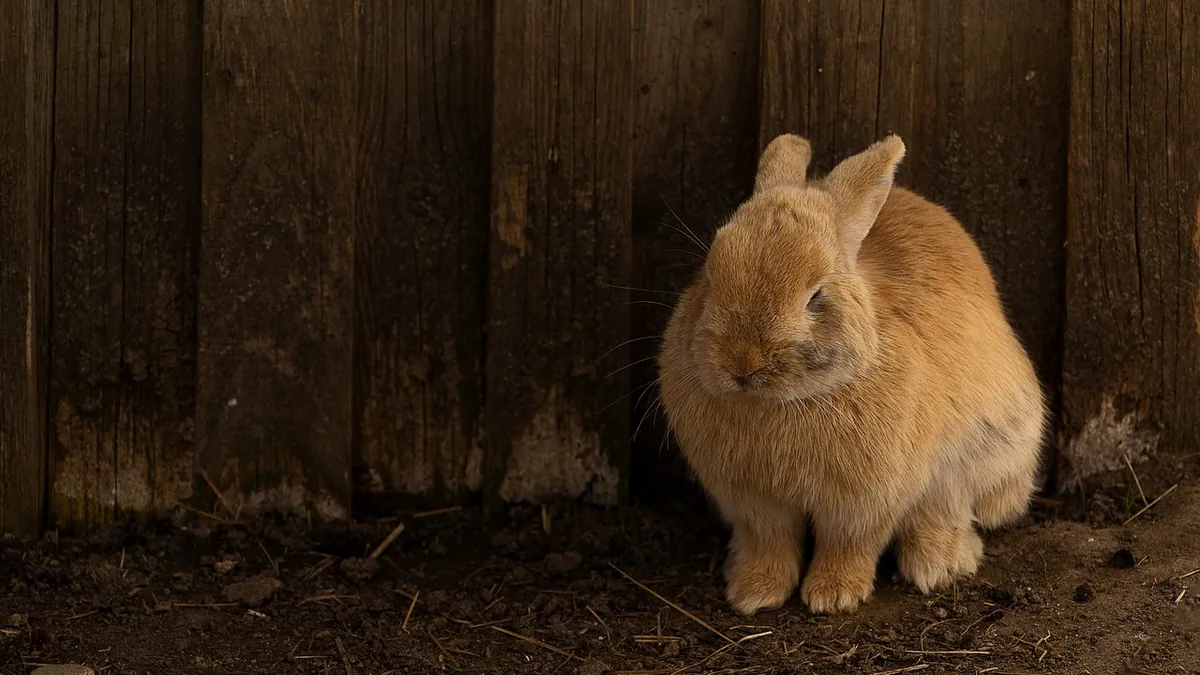
Rabbits are quiet by nature, so a grunting noise usually means your rabbit is communicating something specific, often annoyance, excitement, or a request for attention. Honking, squeaking, buzzing, and humming all fall along the same spectrum of rabbit vocalizations, and the meaning depends on the situation and your rabbit's body language. This article is educational and is not a substitute for veterinary diagnosis or treatment.
Quick Answer
- A low grunt with ears back and a lunge is usually a warning, not a sign of illness.
- A soft honk or hum while circling your feet often means your rabbit is excited or seeking attention, and it is common in unspayed females and in males.
- A high squeak or scream is almost always a sign of fear, sudden pain, or danger, and it needs immediate attention.
- Harsh, rough-sounding calls tend to show up when a rabbit is highly aroused or upset, because irregular vocal production adds harshness to the sound [1].
- Any new noise paired with not eating, hiding, or labored breathing means a same-day call to your veterinarian.
Why Does My Rabbit Make a Grunting Noise? Normal Reasons First
Grunting is one of the most common rabbit sounds, and in most cases it is normal. Rabbits grunt to set a boundary. A rabbit who grunts when you reach into the cage is saying "back off" in the clearest way it knows. This is especially common in rabbits who are new to your home, rabbits who are protective of a favorite spot, and female rabbits who are nesting.
Watch the whole body, not just the sound. A grunt paired with ears pinned flat, a stiff posture, and a lunge is a warning. A grunt paired with a relaxed body, curious sniffing, and a hop toward you is often just chatter or a greeting.
Honking and Humming
A honking noise sounds a bit like a small goose. Owners often describe it as a hum or a buzzing noise too. This sound usually shows up when a rabbit is excited, and it is most common during circling behavior. An unspayed female may honk and circle your feet, and a male may do the same while spraying urine. This is courtship and hormonal behavior, and it is normal for an intact rabbit.
Spaying or neutering usually reduces honking and circling a great deal. If your rabbit is already fixed and still honks, it is often a happy, excited greeting, especially around feeding time.
Squeaking and Buzzing
A short, soft squeak can be a startle response. You may hear it if you accidentally step near your rabbit or pick it up too quickly. A single squeak followed by your rabbit settling down is usually nothing to worry about.
A buzzing or humming sound during play, exploration, or a treat is often excitement. Some rabbits buzz when they are about to do a happy jump or a twist in the air.
Why Rabbit Sounds Can Be Harsh
Rabbit vocalizations often include rough, grating, or harsh elements. These harsh sounds come from irregular vibration of the vocal folds, and they tend to appear in calls that carry urgency or high arousal [1]. That is why an upset grunt sounds rougher than a contented hum. The harshness itself is a signal, not a defect.
Medical Causes to Rule Out
Some rabbit noises are not communication at all. They are symptoms.
Pain and Fear
A loud, high-pitched scream is the most serious rabbit sound. Rabbits scream when they are terrified or in severe pain. This is an emergency. Contact a veterinarian right away.
Rabbits in pain may also grind their teeth loudly, which produces a crunching or grinding sound that is different from the soft tooth purring a relaxed rabbit makes. Pain grinding usually comes with a hunched posture, squinted eyes, and a reluctance to move.
Respiratory Noise
A rabbit who makes a wet, rattling, or snuffling sound while breathing may have an upper respiratory problem. Rabbits breathe through their noses, so any nasal noise deserves a veterinary exam. Watch for discharge from the nose, sneezing, or a matted front paw from wiping the nose.
Digestive and Dental Noise
Gurgling from the belly can be normal, but loud, repeated gurgling with a rabbit who will not eat points to a digestive slowdown. Dental problems can also change how a rabbit vocalizes, because pain in the mouth and jaw changes how the rabbit holds its head and breathes.
Neurologic and Other Causes
Sudden changes in vocalization, especially in an older rabbit, can point to neurologic disease, pain, or vision loss. A rabbit who startles easily and squeaks often may be losing sight or hearing.
When Grunting, Honking, or Squeaking Becomes a Problem
A sound becomes a problem when it changes in a way that affects your rabbit's daily life.
Ask yourself these questions:
- Is the sound new, or has it gotten much louder or more frequent?
- Is your rabbit still eating, drinking, and passing normal droppings?
- Does the sound happen only in specific situations, like nail trims or cage cleaning?
- Is your rabbit hiding more, moving less, or breathing faster?
If your rabbit is eating and behaving normally, a grunt or honk is usually communication. If your rabbit has stopped eating or is acting painful, the sound is likely a symptom.
What to Do Step by Step
Step 1: Observe Before You React
Stop what you are doing and watch your rabbit for 30 seconds. Note the ears, the tail, the posture, and the breathing. This tells you whether the sound is a boundary, excitement, or pain.
Step 2: Respect the Grunt
If your rabbit grunts and lunges when you reach into the cage, change your approach. Let your rabbit come to you. Use a treat to guide your rabbit out of the cage instead of reaching in. Rabbits who feel trapped escalate quickly.
Step 3: Fix the Environment
Rabbits need a hiding place, a litter box, and room to move. A rabbit who grunts constantly may be stressed by a small enclosure, a nearby predator (like a dog or cat), or loud noise. Give your rabbit a quiet area and a cardboard box to hide in.
Step 4: Add Enrichment
Boredom and frustration can increase vocalizing. Offer hay in a puzzle feeder, safe chew toys, and daily supervised time outside the enclosure. A tired, busy rabbit grunts less.
Step 5: Handle Hormones
If your rabbit is intact and honks, circles, or sprays, talk to your veterinarian about spaying or neutering. This is the single most effective step for hormonally driven honking.
Step 6: Train with Positive Reinforcement
Rabbits respond well to gentle, food-based training. Reward calm behavior with a small piece of a favorite vegetable. Never punish a rabbit for a sound. Punishment teaches fear, and a frightened rabbit grunts and lunges more.
Step 7: Track the Pattern
Keep a simple log of when the sound happens and what was going on. This helps your veterinarian sort out behavior from disease.
What Not to Do
- Do not hit, yell at, or spray your rabbit. Punishment makes aggression and fear worse.
- Do not assume a grunt means your rabbit is mean. Most grunting is fear or a boundary, and it improves with patience.
- Do not ignore a scream. A screaming rabbit needs urgent veterinary care.
- Do not assume all honking is hormonal. It often is, but a sudden change in an older rabbit still deserves a checkup.
- Do not rely on "it's just a noise" as a diagnosis. Body language and appetite tell you more than the sound alone.
If you also have a dog at home and are comparing sounds, coughing and honking in dogs has very different causes, so read Why Is My Dog Coughing And Honking and Why Does My Dog Have A Honking Cough to avoid mixing up the two species. For a dog who honks only at certain times, Dog Coughing Honking Noise covers the timing patterns that matter.
When to Involve a Veterinarian or Behavior Professional
Call your veterinarian if the sound is new, if your rabbit's appetite or droppings have changed, or if you see pain signs like tooth grinding, hunched posture, or squinted eyes. A rabbit who stops eating can decline quickly, so do not wait a few days to see if it improves.
Ask for a referral to a veterinarian who treats rabbits, or to a certified behavior professional, if your rabbit grunts and lunges every time you approach and nothing you try helps. Behavior problems in rabbits are often rooted in pain, hormones, or a poor environment, so a full exam comes first.
Limitations and When to Contact a Veterinarian
This article cannot tell you what your individual rabbit's sound means. Only a veterinarian who examines your rabbit can do that.
Contact a veterinarian the same day if your rabbit:
- Stops eating or stops passing droppings
- Breathes with an open mouth or makes wet breathing sounds
- Screams or cries out
- Grinds teeth loudly and sits hunched
- Has a sudden change in behavior or vocalization
Go to an emergency clinic now if your rabbit:
- Is struggling to breathe
- Collapses or cannot stand
- Has a seizure
- Screams and cannot be calmed
Schedule a routine visit if your rabbit:
- Honks and circles constantly and is not spayed or neutered
- Has a mild change in sound with no other symptoms
- Startles easily and squeaks often, especially if your rabbit is older
Frequently Asked Questions
Is a grunting rabbit angry?
Not always. A grunt is a boundary signal, and it can mean annoyance, fear, or a simple request for space. Look at the ears and posture to tell the difference.
Why does my rabbit honk and circle my feet?
This is usually hormonal courtship behavior, and it is most common in unspayed females and intact males. Spaying or neutering typically reduces it.
What does a rabbit scream mean?
A scream means extreme fear or severe pain, and it is an emergency. Contact a veterinarian immediately if your rabbit screams.
Can a rabbit make a buzzing or humming noise when happy?
Yes. A soft buzz or hum during play, exploration, or treat time often signals excitement. Harsh, rough versions of the same sound tend to appear when a rabbit is highly aroused or upset [1].
Do rabbits squeak when they are in pain?
Sometimes. A short squeak can be a startle response, but repeated squeaking with hiding, not eating, or a hunched posture points to pain and needs a veterinary exam.
Related Articles
- Why Is My Rabbit Making Weird Noises? What They Mean
- What Sounds Do Rabbits Make? Noises and Their Meaning
- Why Does My Rabbit Thump or Growl at Me?
References
- Nonlinear phenomena in mammalian vocal communication: an introduction and scoping review. Philosophical transactions of the Royal Society of London. Series B, Biological sciences, 2025.