Why Is My Rabbit Making Weird Noises? What They Mean
By Dr. Zubair Khalid, DVM, MS, PhD ·
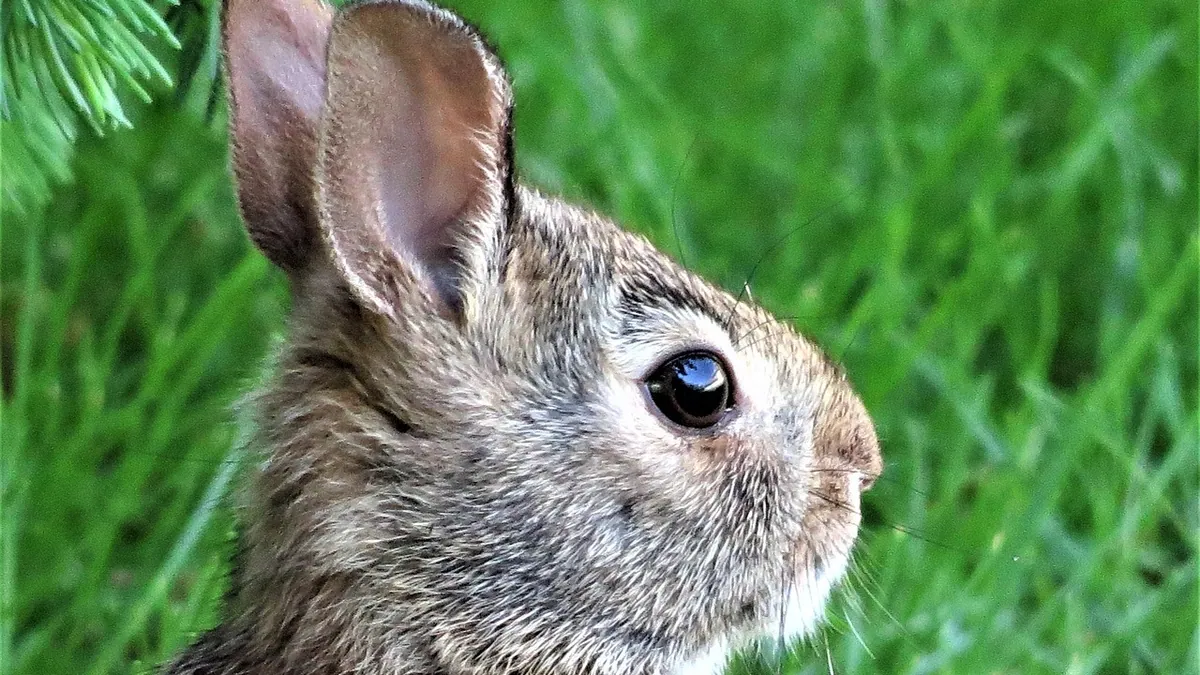
Rabbits are quiet animals by nature, so any new sound can catch you off guard. Most noises you hear are normal communication, but some point to pain or a breathing problem that needs a veterinarian. This guide will help you sort out why is my rabbit making noises and decide what to do next.
This article is educational and is not a substitute for veterinary diagnosis or treatment.
Quick Answer
- Rabbits make soft sounds like honking, grunting, and tooth purring when they are happy, courting, or relaxed.
- Loud grinding, screaming, or squealing usually means pain, fear, or a serious injury and needs urgent care.
- Sneezing, wheezing, or noisy breathing can signal a respiratory infection or dental problem, so book a vet visit.
- Rabbits hide pain well, and many owners miss the signs, so trust your gut when something sounds off [1].
- Never punish a rabbit for making noise. Remove the stressor and get a veterinary opinion instead.
Why Is My Rabbit Making Noises? Normal Sounds First
Rabbits have a small vocabulary, and most of it is quiet. A healthy rabbit may be almost silent for days, then suddenly honk at you when you walk in with a bowl of greens. That swing is normal.
Honking and oinking
A soft, repeated honk usually means excitement or affection. Unspayed females often honk when they circle your feet, and intact males may honk while mounting or spraying. This is courtship and hormonal behavior, not distress.
Grunting
A short grunt often means "back off." Rabbits grunt when you reach into their cage too fast, when they are guarding a favorite spot, or when they are annoyed. A grunt paired with flattened ears and a lunge is a warning, not a medical problem.
Tooth purring and chattering
Gentle tooth clicking while your rabbit is loafed and relaxed is the rabbit version of a cat's purr. It means content. Loud, hard tooth grinding is a different sound entirely, and it usually means pain. Learn the difference, because the two can sound similar at first.
Screaming
A rabbit scream is rare and unforgettable. It is a high-pitched, piercing sound that means terror or severe pain. If you hear it, treat it as an emergency and call your veterinarian right away.
Thumping
Thumping is not a vocalization, but owners often lump it in with "weird noises." A rabbit thumps a hind foot to warn the household about a perceived threat. It is normal alarm behavior.
For a deeper look at what each posture and sound means, see Understanding Rabbit Behavior: Body Language and Vocalizations.
Why Is My Rabbit Making Weird Noises? Medical Causes to Rule Out
When a sound is new, loud, or repeated, think medical before behavioral. Rabbits are prey animals, and they evolved to hide illness and pain [1]. A noise may be the only clue you get.
Sneezing and snuffling
Occasional sneezes from dust or hay are harmless. Frequent sneezing with a runny nose, matted fur on the front paws, or noisy breathing points to a respiratory infection. Rabbits cannot breathe through their mouths, so any nasal blockage is serious. If your rabbit is sneezing and also has head tilt, ear pain, or a discharge from the ears, an ear infection may be involved. Review Symptoms Of Ear Infection In Rabbits and Symptoms Of Ear Infection In Bunnies so you know what to watch for.
Wheezing, clicking, and open-mouth breathing
A clicking or wet sound with each breath is not normal. Neither is breathing with the mouth open. These are emergency signs in rabbits and need same-day veterinary care.
Loud tooth grinding
If your rabbit is grinding its teeth hard and often, with hunched posture, squinted eyes, or a reduced appetite, assume pain until a veterinarian says otherwise. Dental disease, gut stasis, and abdominal pain are common causes.
Squealing or crying out
A sudden squeal when you pick your rabbit up or touch a certain area can mean injury or a painful abdomen. In other species, distress calls are tied to specific brain circuits that drive vocalization during threat or pain [2]. Rabbits show the same pattern, so treat a pain squeal as a real signal.
Changes in appetite and droppings
A rabbit that is quiet, off its food, and passing fewer or smaller droppings is sick. Abdominal pain can be severe, and in rare cases it reflects a surgical emergency such as a perforated bowel [3]. Do not wait to see if it passes.
When Normal Noises Become a Problem
A sound becomes a problem when it is new, when it repeats, or when it comes with a change in behavior. Use this simple framework.
- New sound plus normal behavior. Your rabbit is eating, drinking, hopping, and passing normal droppings. Watch for 24 hours and note what triggers the sound.
- New sound plus subtle changes. Slightly less active, eating a bit less, hiding more. Book a veterinary visit within a day or two.
- New sound plus obvious illness. Not eating, not pooping, hunched, grinding teeth, breathing hard. Call your veterinarian today.
- Scream, open-mouth breathing, or collapse. This is an emergency. Go now.
Owners often underestimate pain in rabbits, and research shows many people miss the signs entirely [1]. If you are unsure, err on the side of a veterinary exam.
What to Do Step by Step
1. Observe before you act
Sit quietly and watch your rabbit for a few minutes. Note the sound, the body posture, and what happened right before it. Record a short video on your phone. Vets can often identify a sound from a clip when the live exam is inconclusive.
2. Check the basics
Look at the eyes, nose, ears, and front paws. Check the droppings in the litter box. Offer a favorite treat and see if your rabbit takes it. Weigh your rabbit if you have a kitchen scale, since small weight loss matters.
3. Fix the environment
Rabbits are sensitive to stress, and stress can trigger vocalization. Reduce noise, give your rabbit a hide box, and keep dogs and cats away from the enclosure. Provide unlimited grass hay, fresh water, and a clean litter area.
4. Support normal behavior
Rabbits need space to run, things to chew, and daily interaction. Boredom and confinement can increase grunting and lunging. A larger exercise area and more enrichment often quiet a grumpy rabbit within days.
5. Know your rabbit's baseline
Keep a simple log of sounds, appetite, droppings, and activity. A baseline makes it much easier to spot a real change. If your rabbit is normally silent and starts honking all day, that is worth a call.
6. Call your veterinarian early
For any breathing change, pain sound, or drop in appetite, call the same day. Early treatment is easier and less expensive than waiting for a crisis.
What Not to Do
- Do not punish your rabbit. Spraying water, yelling, or tapping the cage increases fear and can make grunting and lunging worse.
- Do not assume it is "just a noise." Rabbits hide pain, so a new sound deserves a real look [1].
- Do not force handling. If your rabbit grunts or squeals when picked up, stop and let it settle. Forced restraint can cause injury.
- Do not rely on home remedies for breathing sounds. There is no safe home treatment for a rabbit that is sneezing with discharge or wheezing.
- Do not skip the dental check. Many "weird" mouth and breathing sounds trace back to overgrown teeth and related pain.
When a Veterinarian or Behavior Professional Should Be Involved
Call a veterinarian the same day if your rabbit is sneezing with discharge, wheezing, breathing with its mouth open, grinding its teeth hard, screaming, or not eating. These are not wait-and-see signs.
Call an emergency clinic immediately if your rabbit is struggling to breathe, collapsed, or has a distended, painful abdomen. Abdominal emergencies in rabbits can progress fast, and some require surgery [3].
Book a routine visit if the sound is mild but persistent, if your rabbit is slowly eating less, or if you cannot tell whether the behavior is hormonal or painful. A veterinarian can run a full exam and, if needed, imaging or bloodwork.
If your rabbit is medically clear but continues to grunt, lunge, or vocalize around handling, a certified behavior professional who works with rabbits can help. Behavior plans focus on environment, enrichment, and gentle handling, not punishment.
Limitations and When to Contact a Veterinarian
No article can tell you what your individual rabbit needs. Only a veterinarian who examines your rabbit can do that, and individual cases always require professional assessment.
Use these red flags to decide how fast to act.
- Emergency now. Open-mouth breathing, gasping, collapse, a scream, or a rabbit that cannot stand.
- Same day. Loud tooth grinding with a hunched posture, no droppings for 12 hours, not eating, or a swollen, painful belly.
- Within 24 to 48 hours. Sneezing with nasal discharge, noisy breathing, head tilt, ear discharge, or a new sound with a mild appetite drop.
- Routine visit. A persistent sound with normal behavior, a slow change in activity, or any question you cannot answer at home.
Frequently Asked Questions
Is it normal for rabbits to make noises?
Yes, quiet noises are normal. Honking, soft grunting, and gentle tooth purring are part of everyday rabbit communication. Loud or sudden sounds are the ones to investigate.
Why is my rabbit making grunting noises when I pet it?
A short grunt during petting usually means your rabbit wants you to stop or is guarding its space. Watch the ears and body posture. If the grunt comes with flattened ears, a lunge, or a nip, back off and give your rabbit some quiet time.
Why is my rabbit making sneezing noises?
Occasional sneezes from dust or hay are harmless, but repeated sneezing with a runny nose or matted front paws suggests a respiratory infection. Rabbits cannot breathe through their mouths, so nasal problems are serious. Call your veterinarian if sneezing continues or comes with discharge.
Can pain make a rabbit scream or squeal?
Yes. A rabbit scream or squeal is a strong signal of fear or severe pain. If your rabbit screams when you pick it up or touch a certain area, stop handling it and contact a veterinarian right away.
Do rabbits make noise when they are happy?
Yes. A relaxed rabbit may honk softly, click its teeth gently, or make small happy sounds while exploring or eating. These quiet, rhythmic noises paired with a loose body and normal appetite are a good sign.
Should I record the sound before calling my vet?
Yes, a short video or audio clip helps a lot. Capture the sound, your rabbit's posture, and what happened just before it. Your veterinarian can use that context along with the exam to narrow down the cause.
Related Articles
- Understanding Rabbit Behavior: Body Language and Vocalizations
- Symptoms Of Ear Infection In Bunnies
- Symptoms Of Ear Infection In Rabbits
- Do Rabbits Get Ear Infections
- What Sounds Do Rabbits Make? Noises and Their Meaning
- Why Does My Rabbit Make Grunting, Honking, or Squeaking Noises?
- Why Does My Rabbit Thump or Growl at Me?
References
- An investigation into how accurately UK rabbit owners identify pain in their pet rabbits. BMC veterinary research, 2024.
- Production of Mouse Ultrasonic Vocalizations and Distress Calls Is Associated with Different Patterns of Fos Expression in the Nucleus Retroambiguus. eNeuro, 2026.
- Pneumoperitoneum Secondary to Colonic Perforation in a Domestic Rabbit. Animals : an open access journal from MDPI, 2026.