Why Does My Rabbit Thump or Growl at Me?
By Dr. Zubair Khalid, DVM, MS, PhD ·
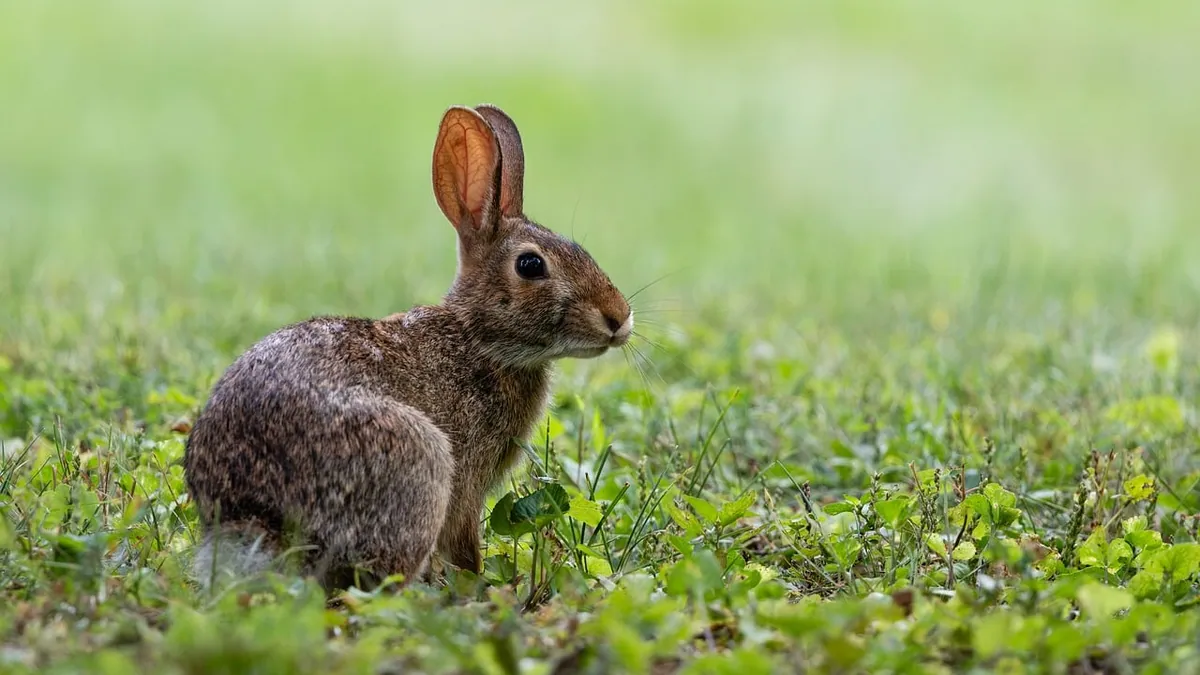
Rabbits thump, growl, and grunt because they are afraid, annoyed, or warning you away from something they value. A thump is a loud foot slap that says "danger" or "back off," and a growl or grunt is a short, rough sound that usually means the same thing. If your rabbit is doing this toward you, the behavior is almost always fear-based or territorial, not hatred, and it can improve with the right changes. This article is educational and is not a substitute for veterinary diagnosis or treatment.
Quick Answer
- A thump is a warning signal, not an attack. It means your rabbit feels threatened or is alerting others to a possible danger.
- A growl or grunt is usually fear or a territorial warning, often around the cage, food, or a favorite resting spot.
- Punishment makes it worse. Yelling, hitting, or chasing a rabbit increases fear and can turn a warning into a bite.
- Check for pain and illness first. A rabbit that suddenly becomes aggressive may be hurting or sick.
- Give space, then change the environment. Let the rabbit come to you, and add hiding spots, enrichment, and a predictable routine.
Why Does My Rabbit Thump at Me?
Thumping is one of the most misunderstood rabbit behaviors. It looks dramatic, and the sound can be surprisingly loud for a small animal. But it is a communication tool, not an act of aggression toward you in most cases.
Thumping is a warning and an alarm
A rabbit thumps by bringing one or both hind feet down hard on the floor. In the wild, this warns other rabbits of danger. In your home, the "danger" might be a strange noise, a new person, a dog walking past the window, or you reaching into the cage too quickly.
Researchers have studied thumping as a stereotyped behavior that can be triggered by stimulation in a specific brain region, and they found that the stress hormone cortisol increased the number of thumps and shortened how long it took for them to appear [1]. That does not mean your rabbit is sick. It does mean thumping is tied to arousal and stress, so a rabbit that thumps a lot may be a rabbit that feels on edge.
Grunting and growling mean the same thing
When owners ask why their rabbit grunts at them, the answer is usually fear or irritation. A grunt is a short, low sound. A growl is similar but longer and rougher. You may hear it when you:
- Reach into the cage
- Try to pick the rabbit up
- Take away food or a toy
- Clean a favorite corner
- Approach a rabbit that is resting or hiding
Some rabbits growl during bonding attempts with another rabbit, and some growl when they are guarding a nest area. Breeding does can show protective, aggressive behavior around their kits, especially when housed in groups [2].
It is often territorial, not personal
Rabbits are prey animals. Their cage or pen is their safe zone, and an owner's hand entering that zone can feel like an invasion. A rabbit that growls at you near its food bowl or litter box is often saying "this is mine," not "I hate you."
Social stress matters too. Rabbits kept in unstable social situations show more agonistic (conflict) behavior and signs of chronic stress, including higher cortisol and norepinephrine levels [3]. A rabbit that feels socially insecure at home may be quicker to thump and growl.
Medical Causes to Rule Out Before You Assume It Is Behavior
Sudden aggression in a normally calm rabbit deserves a veterinary check. Pain is a common reason a rabbit becomes defensive.
Pain and dental disease
Rabbits hide pain well, but they may growl or lunge when a sore area is touched. Dental problems, ear infections, arthritis, and bladder issues can all make a rabbit irritable. If your rabbit growls when you touch a certain part of the body, or when it moves a certain way, pain is a real possibility.
Hormones and intact rabbits
Unspayed females and unneutered males are more likely to show territorial and hormonal aggression. Spaying or neutering often reduces this behavior, but it is not a guarantee. Your veterinarian can discuss timing and risks for your rabbit.
Vision, hearing, and neurologic problems
A rabbit that cannot see or hear you approaching may startle easily and react with a thump or growl. Older rabbits can also develop changes in behavior related to age or neurologic disease.
Environmental stress
A rabbit that is too hot, crowded, bored, or living near a predator (a dog or cat it can smell or see) may be chronically stressed. Chronic stress shows up in the body, not just behavior. In one study, rabbits in unstable social groups had higher cortisol, higher norepinephrine, and other physical changes compared with rabbits in stable pairs [3]. Another study found that unstable social housing was linked to higher C-reactive protein and more oxidative stress markers [4]. Stress is not just in your rabbit's head. It affects its health.
If your rabbit's behavior changed suddenly, or if it also has a poor appetite, drooling, weight loss, or changes in droppings, see a veterinarian.
When Thumping and Growling Become a Problem
Occasional thumping is normal. It becomes a problem when it is frequent, when it comes with biting or lunging, or when it affects your rabbit's quality of life.
Warning signs to take seriously
- Biting that breaks skin
- Lunging at hands every time you enter the cage
- Growling during normal care like feeding or cleaning
- Hiding all day and refusing to come out
- Reduced eating, drinking, or droppings
Why you should not ignore it
A rabbit that feels it must constantly defend itself is a stressed rabbit. Long-term stress affects the immune system, the heart, and overall health [3][4]. Fixing the behavior is not about making your rabbit "nicer." It is about making your rabbit feel safe.
For a broader look at what your rabbit is telling you, see Understanding Rabbit Behavior: Body Language and Vocalizations.
What to Do Step by Step
You can reduce thumping and growling with patience and small changes. Do not expect overnight results.
Step 1: Give your rabbit control
Stop reaching into the cage to grab your rabbit. Open the door and let the rabbit come to you. Sit on the floor at its level. Let it sniff your hand before you touch it. If it thumps, back off and try again later.
Step 2: Respect the territory
Clean the cage when your rabbit is out of it, if possible. If you must reach in, move slowly and talk softly. Do not corner your rabbit. If it growls near its food bowl, feed it and step away.
Step 3: Add hiding spots and enrichment
Rabbits need places to retreat. Cardboard boxes, tunnels, and covered hideouts help. Enrichment can also reduce conflict behavior. In one study, giving group-housed female rabbits alfalfa blocks, wooden panels, or both reduced agonistic behavior and injuries compared with rabbits that had no extra enrichment [2]. The same idea applies at home. Chew toys, hay, and things to explore give your rabbit an outlet.
Step 4: Build a predictable routine
Feed, clean, and play at similar times each day. Predictability lowers stress. Sudden changes, loud noises, and new pets can trigger thumping.
Step 5: Use calm, positive handling
Offer a treat when your rabbit approaches you. Reward calm behavior. Keep handling sessions short. If your rabbit growls, stop and give it space. Never force interaction.
Step 6: Consider spay or neuter
If your rabbit is intact and showing territorial or hormonal aggression, talk to your veterinarian about spaying or neutering. This is a medical decision, and your veterinarian will explain the risks and benefits for your rabbit.
Step 7: Check the social setup
If you have more than one rabbit, watch how they interact. Unstable pairings cause stress and conflict [3][4]. Bonded pairs that get along well tend to be calmer. If bonding is not working, a certified behavior professional can help.
What Not to Do
Do not punish your rabbit
Never hit, yell at, or spray your rabbit. Punishment does not teach a rabbit to trust you. It teaches the rabbit that you are dangerous, which can make thumping and growling worse and lead to biting.
Do not pick up a growling rabbit
If your rabbit growls when you try to pick it up, stop. Forcing the issue can lead to a bite and a lasting fear of hands. Work on trust first.
Do not assume it is "just personality"
Some rabbits are more nervous than others, but frequent growling is a sign of a problem, not a fixed trait. Pain, stress, and environment all play a role.
Do not ignore sudden changes
A rabbit that was calm for years and suddenly starts growling needs a veterinary exam. Behavior changes can be the first sign of illness.
If you are also dealing with aggression in another pet, the same principles of looking for pain before assuming a behavior problem apply. See Dog Growling When Touched: Pain or Behavior Problem?.
When to Involve a Veterinarian or Behavior Professional
Call your veterinarian if:
- The behavior started suddenly
- Your rabbit is eating less, losing weight, or has changed droppings
- Your rabbit growls when touched in a specific area
- Your rabbit is intact and showing strong hormonal behavior
- You or a family member has been bitten
A veterinarian can check for pain, dental disease, and other medical causes. If your rabbit is healthy, a certified behavior professional who works with rabbits can help you build a plan. Ask your veterinarian for a referral.
Limitations and When to Contact a Veterinarian
This article gives general information, but every rabbit is different. Individual cases need a veterinarian who can examine your rabbit and ask about its history.
Contact a veterinarian the same day if your rabbit:
- Stops eating or drinking
- Has no droppings or very small droppings
- Is breathing fast or open-mouthed
- Seems painful when moving or being touched
- Shows sudden aggression with no clear trigger
Go to an emergency clinic now if your rabbit:
- Collapses or cannot stand
- Has trouble breathing
- Has a seizure
- Is bleeding or has a serious wound
- Has been bitten by another animal
For routine concerns like occasional thumping or mild growling, schedule a regular visit. Your veterinarian can rule out medical causes and talk with you about spaying or neutering, enrichment, and handling.
Frequently Asked Questions
Why does my rabbit grunt at me when I feed it?
Your rabbit may be excited about food, or it may be guarding the bowl. A grunt at feeding time is often a mix of anticipation and territory. Try placing the food down and stepping back instead of reaching into the bowl while your rabbit is eating.
Why does my rabbit growl at me when I clean its cage?
Cage cleaning invades your rabbit's space and can feel threatening. Clean when your rabbit is out of the cage if you can. If you must reach in, move slowly and avoid cornering your rabbit.
Is my rabbit growling because it is in pain?
It might be. Pain is a common reason a rabbit becomes defensive, especially if the growling happens when you touch a certain area or when your rabbit moves. A veterinary exam is the best way to rule this out.
Will spaying or neutering stop my rabbit from growling?
It often reduces hormonal and territorial aggression, but it does not fix every case. Fear, pain, and environment also play a role. Your veterinarian can help you decide if the procedure is right for your rabbit.
Can a rabbit that growls still become friendly?
Yes, in most cases. Rabbits that growl out of fear or territorial stress often calm down when they get space, a predictable routine, and positive handling. Progress takes weeks or months, so be patient and consistent.
If your rabbit also shows other odd signs, like shaking or trembling, some of the same principles apply across species. See Why Is My Dog Shaking? for a comparison, but always follow rabbit-specific advice from your veterinarian.
Related Articles
- Understanding Rabbit Behavior: Body Language and Vocalizations
- Why Is My Rabbit Thumping? What Foot Thumping Means
- Why Does My Rabbit Grunt or Vibrate When I Pet Him?
- Why Is My Rabbit Licking or Biting Me? Behavior Explained
- Managing Aggression and Social Stress in Rabbits
References
- Effect of cortisol on a model of stereotyped behavior of rabbits in the form of thumping. Neuroscience and behavioral physiology, 1987.
- Cage enrichment to minimize aggression in part-time group-housed female breeding rabbits. Frontiers in veterinary science, 2024.
- The influence of social environment on endocrine, cardiovascular and tissue responses in the rabbit. International journal of psychophysiology : official journal of the International Organization of Psychophysiology, 2013.
- The effect of social environment on markers of vascular oxidative stress and inflammation in the Watanabe heritable hyperlipidemic rabbit. Psychosomatic medicine, 2008.