Why Is My Rabbit or Guinea Pig Grunting?
By Dr. Zubair Khalid, DVM, MS, PhD ·
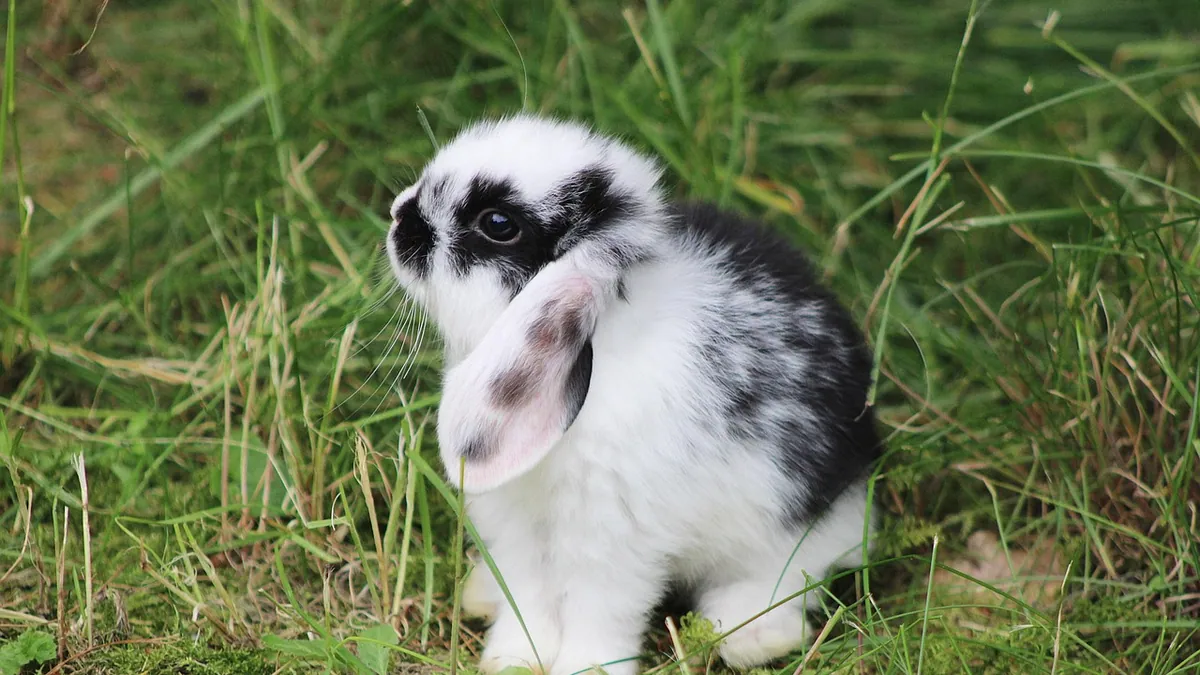
Grunting in rabbits is usually a normal sound. Rabbits grunt to communicate, most often when they feel annoyed, territorial, or excited. A grunt can also be a warning that your rabbit wants to be left alone. This article is educational and is not a substitute for veterinary diagnosis or treatment.
Quick Answer
- A short, low grunt during handling, cage cleaning, or food time is common and usually means your rabbit is annoyed, excited, or claiming something as hers.
- Grunting paired with a hunched posture, teeth grinding, or refusing food points to pain and needs a same-day veterinary call.
- Grunting with noisy breathing, a runny nose, or open-mouth breathing points to a respiratory problem and is an emergency.
- Guinea pigs, rats, and budgies make similar sounds for their own reasons, so the meaning depends on the species and the situation.
- Never punish a grunting pet. Punishment increases fear and makes the behavior worse.
Why Is My Rabbit Grunting? Normal Reasons First
Rabbits are quiet animals by nature. They use body language more than sound, so when a rabbit does grunt, it usually means something specific. Most grunts fall into a few normal categories.
Annoyance and boundaries
A rabbit who grunts when you reach into her cage, pick her up, or move her food bowl is telling you to back off. This is a boundary sound. It often comes with flattened ears, a stiff body, or a lunge. Respect the warning and give her a moment. Rabbits who are handled gently and on their own terms grunt far less over time.
Excitement and food anticipation
Some rabbits grunt in a low, rumbling way when they see a favorite treat or when they circle your feet. This is often called honking or oinking, and it usually signals happy anticipation. It is more common in unspayed females and in rabbits who are bonded to their owner.
Territorial and hormonal grunting
Unspayed female rabbits can grunt, lunge, and circle during false pregnancies or when they feel protective of a nest area. This behavior often fades after spaying. Talk to your veterinarian about spaying, which also protects against uterine problems common in unspayed females.
Pain or fear grunting
A rabbit in pain may grunt when moved or touched. This is different from a boundary grunt because it comes with other signs, such as a hunched posture, reduced appetite, or loud tooth grinding. Pain grunting is a medical concern, not a training issue.
Why Is My Guinea Pig Grunting?
Guinea pigs are vocal, and grunting is part of their normal vocabulary. A guinea pig may grunt while exploring, while rummaging for food, or when she is mildly annoyed. Guinea pigs also have a wide range of other sounds, including squeaks, purrs, and chirps. If you want to understand the full range, see Guinea Pig Squeaking Noise and Guinea Pig Behavior: Understanding Sounds and Actions.
Guinea pigs are hystricomorph rodents with a specific jaw and facial muscle structure, and they have several scent glands used for marking, including a gland at the base of the spine [1]. These features shape how they communicate with each other and with you. A guinea pig who grunts while scent marking or while being handled is often just talking.
The concern is a guinea pig who grunts while breathing. A guinea pig with a respiratory infection may grunt, wheeze, or breathe with effort. Guinea pigs hide illness well, so any change in breathing deserves a prompt veterinary visit.
Why Is My Rat Grunting?
Rats communicate mostly in ultrasonic frequencies that people cannot hear. Adult rats use different call frequencies to signal negative or positive emotional states [2]. A rat may also make audible sounds when stressed, such as when caught or restrained. In mice, audible distress calls are tied to anxiety instead of pain, and they are reduced by anti-anxiety medication [3].
So if your rat grunts or squeaks when you pick him up, anxiety or annoyance is a likely cause. Rats can also develop respiratory disease, which is common in the species. A rat who grunts while breathing, sounds congested, or has red discharge around the nose and eyes needs a veterinarian.
Why Is My Budgie Grunting?
Budgies grunt, click, and chatter as part of normal communication. A budgie may grunt when settling down, when content, or when mildly irritated. A budgie who grunts while breathing, tail bobs, or sits fluffed at the bottom of the cage is likely sick. Birds hide illness until they are quite unwell, so breathing changes in a budgie are urgent.
Medical Causes to Rule Out
Grunting is not always behavioral. Several medical problems can cause a pet to make grunting sounds, and these need veterinary attention.
Respiratory disease
Upper and lower respiratory infections can cause grunting, wheezing, sneezing, and nasal discharge. Rabbits, guinea pigs, rats, and budgies are all prone to respiratory disease. Grunting that happens with breathing, instead of with handling or food, is the main red flag.
Pain
Dental disease, bladder stones, arthritis, and gut problems can all cause pain. A rabbit in pain may grunt when she moves, eats, or passes stool. Rabbits have open-rooted teeth that grow continuously, so dental problems are common and can cause mouth pain that shows up as grunting or dropping food.
Heart disease
Heart problems can cause labored breathing and exercise intolerance. A pet who grunts after mild activity or who breathes fast at rest needs a veterinary exam.
Heat stress and environment
Small pets overheat easily. A rabbit or guinea pig in a hot room may breathe fast and grunt. Move your pet to a cool, shaded area and call your veterinarian if breathing does not settle quickly.
Reproductive and hormonal issues
Unspayed female rabbits and guinea pigs can show hormonal grunting and nesting behavior. Spaying often resolves this and prevents serious reproductive disease.
When Grunting Becomes a Problem
Grunting is a problem when it changes in frequency, intensity, or context. Ask yourself these questions.
- Is the grunting new, or has your pet always done it?
- Does it happen only during handling, or also at rest?
- Is your pet eating, drinking, and passing stool normally?
- Is the breathing rate normal, or is your pet working to breathe?
- Are there other signs, such as drooling, weight loss, or a change in activity?
If the grunting is new and comes with any other sign, treat it as medical until proven otherwise. If the grunting is long-standing and only happens in specific situations, it is more likely behavioral.
What to Do Step by Step
Step 1: Observe before you act
Watch your pet from a distance for a few minutes. Note the body posture, breathing rate, and what happened right before the sound. This information helps your veterinarian.
Step 2: Check the basics
Make sure your pet has fresh water, appropriate food, a clean cage, and a comfortable temperature. Small pets are sensitive to heat, drafts, and poor ventilation.
Step 3: Improve handling
Approach your rabbit or guinea pig slowly and at eye level. Support the hindquarters when you pick her up. Let her choose to come to you when possible. Rabbits who feel secure grunt less.
Step 4: Add enrichment
Provide hiding spots, chew items, tunnels, and safe toys. Enrichment reduces stress and gives your pet an outlet for natural behavior. A bored or stressed pet is more likely to grunt and lunge.
Step 5: Respect the warning
If your pet grunts and pulls away, stop what you are doing. Forcing interaction teaches her that grunting does not work, which can lead to biting.
Step 6: Track changes
Keep a simple log of when the grunting happens and what else you see. Bring it to your veterinary visit.
What Not to Do
- Do not punish your pet for grunting. Punishment does not teach a rabbit or guinea pig to be quiet. It teaches fear.
- Do not assume grunting is always behavioral. Breathing changes are medical until a veterinarian says otherwise.
- Do not pick up a rabbit by the ears or scruff. Support the whole body.
- Do not ignore a pet who stops eating. Loss of appetite in small pets is serious and can become life-threatening quickly.
- Do not rely on internet myths about "dominance" or "alpha" behavior in rabbits. Rabbits are not dogs, and their social rules are different.
When to Involve a Veterinarian or Behavior Professional
Call a veterinarian who treats exotic pets or small mammals if the grunting is new, if it happens at rest, or if it comes with any change in eating, breathing, or activity. A veterinarian can examine the teeth, listen to the heart and lungs, and check for pain.
If your veterinarian finds no medical cause, a certified behavior professional with experience in rabbits or small mammals can help. Look for someone who uses positive, force-free methods. Behavior problems in small pets often improve when the environment and handling change.
Limitations and When to Contact a Veterinarian
This article cannot tell you what is causing your pet's grunting. Only a veterinarian who examines your pet can do that. Individual cases need a veterinarian.
Contact a veterinarian the same day if your rabbit or guinea pig:
- Grunts while breathing or makes a whistling or clicking sound with each breath
- Breathes with an open mouth or with the head tilted up
- Stops eating or drinking for more than a few hours
- Sits hunched, grinds teeth loudly, or presses the belly to the floor
- Has a runny nose, eye discharge, or a wet chin
- Passes no stool or passes very small stools
Go to an emergency veterinary hospital now if your pet:
- Breathes with the mouth open and the sides heaving
- Collapses or cannot stand
- Has a blue or pale tongue or gums
- Is bleeding or has a swollen, painful belly
- Has a seizure or sudden paralysis
For a possible poisoning, call the ASPCA Animal Poison Control Center at (888) 426-4435 or the Pet Poison Helpline at (855) 764-7661. These lines may charge a consultation fee.
Frequently Asked Questions
Is grunting in rabbits a sign of pain?
Sometimes. A rabbit who grunts only when handled or when defending food is usually communicating, not hurting. A rabbit who grunts while breathing, refuses food, or sits hunched is likely in pain and needs a veterinarian.
Why does my guinea pig grunt when I pet him?
Many guinea pigs grunt as a mild protest or as a greeting. Watch the rest of the body. A relaxed guinea pig who grunts and stays put is fine. A guinea pig who grunts and runs away wants space.
Do rats grunt when they are happy?
Rats make most of their happy sounds in ranges people cannot hear. Audible grunts or squeaks in a rat are more often linked to stress or to breathing problems. If the sound comes with congestion, see a veterinarian.
Can a budgie grunt because of illness?
Yes. A budgie who grunts while breathing, bobs the tail, or sits fluffed at the bottom of the cage is likely sick. Birds hide illness well, so contact an avian veterinarian promptly.
Should I punish my rabbit for grunting?
No. Punishment increases fear and can lead to biting. Instead, respect the grunt as a warning, give your rabbit space, and use gentle handling and enrichment to build trust.
Related Articles
- Guinea Pig vs Rabbit: Which Pet Is Right for You?
- Understanding Rabbit Behavior: Body Language and Vocalizations
- Why Does My Rabbit Make Grunting, Honking, or Squeaking Noises?
- Why Does My Rabbit Grunt or Vibrate When I Pet Him?
References
- Anatomy, Physiology, and Behavior of Guinea Pigs - Exotic and Laboratory Animals. Merck Veterinary Manual.
- 22 and 50 kHz rat ultrasonic vocalization playback reveals sex differences in behavior and cFos in brain regions associated with affective processing. Behavioural brain research, 2025.
- Why do mice squeak? Toward a better understanding of defensive vocalization. iScience, 2022.