Why Does My Rabbit Grunt or Vibrate When I Pet Him?
By Dr. Zubair Khalid, DVM, MS, PhD ·
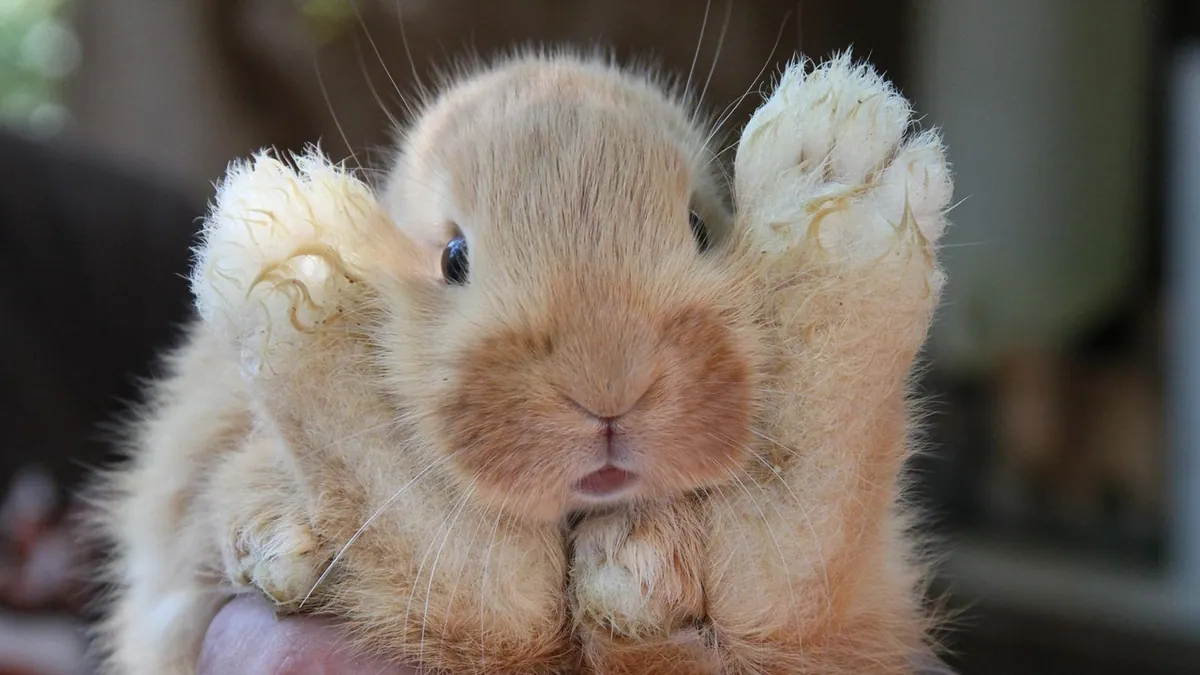
A rabbit who grunts or vibrates while you pet him is usually communicating something simple: pleasure, mild annoyance, or a request for you to change what you are doing. The tricky part is that rabbits use the same low, buzzy sounds for very different feelings, so context matters more than the noise itself. If you want to know why does my rabbit grunt when I pet him, watch his body, not just your ears.
This article is educational and is not a substitute for veterinary diagnosis or treatment.
Quick Answer
- A soft, steady vibration or low purr-like buzz with a relaxed body often means your rabbit is content and enjoying the contact.
- A sharp grunt, especially with ears back, a hunched posture, or a lunge, usually means "stop" or "back off."
- Rabbits also grunt during courtship, nesting, and when they feel threatened, so the same sound can carry opposite meanings.
- Any new vocalizing paired with not eating, hiding, or trouble breathing points to a medical problem, not a mood.
- The fastest way to read your rabbit is to pause, watch his body language, and let him choose whether to stay or leave.
Why Does My Rabbit Grunt When I Pet Him? Normal Reasons First
Rabbits are quiet animals by nature. They are prey species, so loud noise draws attention they do not want. That makes any sound they do make worth paying attention to. When a rabbit grunts or vibrates during petting, the cause is usually one of a handful of normal behaviors.
Contentment and a "Purr"
Many rabbits make a soft, low, rhythmic sound that owners describe as a purr or a vibration. It often happens when you stroke the head, cheeks, or the base of the ears, the spots most rabbits enjoy. The body stays loose, the eyes may half-close, and the rabbit may lean into your hand or flatten out. This is the good version. The vibration you feel is often more of a body hum than a true vocal fold sound, and it tends to be steady and quiet.
Vocalizations are not all produced the same way, even within one species. Animals produce different call types with different acoustic features in different behavioral contexts [1]. That is a useful frame for rabbits too. A soft hum during grooming and a sharp grunt during a chase are not the same message, even if they sound related to your ear.
Annoyance or "That's Enough"
A short, sharp grunt is the rabbit version of a warning. You may hear it when you pet a spot he does not like, when you wake him, or when you keep going after he has lost interest. Watch for ears rotating back or flat, a stiff body, a twitch of the skin, or a sudden freeze. Some rabbits add a light nip or a thump. This grunt means "stop," and it deserves an immediate response.
Courtship and Hormonal Grunting
Unneutered rabbits grunt a lot, and it is often hormonal. A buck may circle your feet or hands while grunting and spraying. A doe may grunt while carrying hay in her mouth, building a nest, or guarding a corner of the cage. This behavior is normal for an intact rabbit, but it is stressful for the rabbit and frustrating for you. Spaying or neutering usually reduces it.
Fear and Defensive Grunting
A frightened rabbit grunts, growls, or screams. This is the sound of a cornered prey animal. It often comes with a lunge, a boxer-like swipe with the front paws, or a hard bite. If your rabbit grunts this way when you reach in, the problem is usually handling and trust, not the petting itself.
Pain or Discomfort
Rabbits hide pain well, but they do vocalize when something hurts. A grunt during petting can mean your hand landed on a sore spot, a painful tooth, an aching joint, or a bloated belly. This is the reason to take any new sound seriously. A rabbit in pain often also eats less, sits hunched, grinds his teeth loudly, or stops grooming.
Medical Causes to Rule Out
Behavior explains most grunting, but you should rule out illness first, especially if the sound is new.
Dental Disease
Rabbit teeth grow continuously. Overgrown molars, sharp points, and root infections cause real pain in the jaw and face. A rabbit with dental pain may grunt when you touch his cheeks, drop food, drool, or eat less. This is one of the most common hidden causes of a rabbit who suddenly dislikes being handled.
Pain Anywhere in the Body
Arthritis, spinal problems, abscesses, and bladder stones all cause discomfort that can show up as grunting when you pet or pick up your rabbit. Older rabbits are especially prone to joint pain. If your rabbit grunts only when you touch one area, that area is worth a veterinary exam.
Respiratory and Heart Problems
Rabbits with trouble breathing often make clicking, wheezing, or grunting sounds, and they may sit with their elbows out and their head up. This is an emergency. A rabbit who cannot breathe comfortably needs to be seen right away.
Gastrointestinal Stasis
When a rabbit's gut slows down, he stops eating, stops passing droppings, and often hunches in pain. He may grind his teeth and grunt. Gut stasis is life threatening within a day or two, so this is a same-day veterinary problem.
Reproductive and Urinary Issues
Uterine problems in unspayed does, urinary tract infections, and bladder sludge cause pain that can trigger grunting, especially when you handle the belly or hind end. Straining to urinate, bloody urine, or a rabbit who cries out when he pees needs prompt care.
When Grunting or Vibrating Becomes a Problem
A single soft hum during a good head rub is not a problem. The behavior becomes a concern when it changes.
- The sound is new, louder, or more frequent than usual.
- Your rabbit grunts and then bites, lunges, or swipes.
- He grunts when you touch a specific body part.
- He grunts while eating, breathing, or passing urine or droppings.
- He stops eating, hides more, or stops grooming.
- He grunts even when you are not petting him.
Any of these shifts means you should stop guessing and get a professional opinion. Behavior and illness overlap heavily in rabbits, and the two often travel together.
How to Tell Contentment From Annoyance
The sound alone will not tell you. Read the whole rabbit.
Signs He Is Enjoying It
- Body relaxed, often flattened or stretched out
- Eyes soft or half-closed
- Ears in a neutral, upright position
- Teeth gently chattering or a soft purr-like hum
- He leans into your hand or nudges you for more
- He stays put when you pause
Signs He Wants You to Stop
- Ears pinned back or rotated to the side
- Body tense, stiff, or suddenly still
- Skin twitching along the back
- Tail raised, or a thump
- A short, sharp grunt, growl, or nip
- He moves away, turns his back, or hops off your lap
If you see the second set of signs, stop petting. Give him space. Try again later, and start with the spots he likes. For a deeper look at what each posture and sound means, see Understanding Rabbit Behavior: Body Language and Vocalizations.
What to Do Step by Step
1. Pause and Observe
Stop petting the moment you hear a grunt. Wait five seconds. If your rabbit stays, leans in, or nudges you, he wants more. If he freezes, flattens his ears, or hops away, he is done. This one habit prevents most bites.
2. Pet the Right Places
Most rabbits enjoy gentle strokes on the forehead, cheeks, and the base of the ears. Many dislike having their feet, belly, chin, or tail touched. Respect the no-go zones. Let your rabbit come to you instead of reaching into his space.
3. Get Down to His Level
Towering over a rabbit is threatening. Sit on the floor and let him approach. Hand-feed a treat, then stroke once and stop. Build trust in short sessions. Rabbits learn fast when the interaction is on their terms.
4. Spay or Neuter
If your rabbit is intact and grunting with circling, spraying, or nest building, talk to your veterinarian about neutering. Hormonal grunting usually drops sharply after the surgery.
5. Enrich the Environment
Boredom and stress make behavior problems worse. Give your rabbit a large enclosure, daily free-roam time, hiding spots, chew toys, and hay available at all times. Owner surveys show that even people who feel confident about rabbit care do not always put recommended housing and enrichment into practice [2]. Good husbandry is the foundation for good behavior.
6. Keep a Simple Log
Write down when the grunting happens, what you were doing, and what your rabbit's body looked like. Patterns jump out fast. A log also helps your veterinarian sort behavior from illness.
7. Rule Out Pain First
Before you treat this as a training issue, book a veterinary exam. A rabbit who suddenly hates being touched may have a tooth, joint, or gut problem. Behavior plans fail when pain is the real cause.
What Not to Do
Do Not Punish or Yell
Never hit, flick, spray, or shout at a grunting rabbit. Punishment teaches fear, and a frightened rabbit bites harder. It also destroys the trust you need for handling and vet visits.
Do Not Force Petting
Holding a rabbit down while he grunts teaches him that hands mean danger. If he says stop, stop. You can always try again later.
Do Not Ignore a Warning Grunt
A grunt is a polite warning. If you push past it, the next message is a bite. Respect the grunt and you will rarely get bitten.
Do Not Assume It Is Always Happiness
The myth that a vibrating rabbit is always a happy rabbit gets owners in trouble. Vibration can mean pleasure, but it can also mean fear or pain. Check the body.
Do Not Skip the Vet Because "It's Just Behavior"
Rabbits are masters at hiding illness. A new sound is a reason for a checkup, not a reason to wait and see.
Do Not Rely on Home Remedies for Pain
Never give human pain medications to a rabbit without veterinary direction. Some common drugs are toxic to rabbits. Your veterinarian will calculate any dose from your rabbit's weight and health.
When to Involve a Veterinarian or Behavior Professional
Call your veterinarian if the grunting is new, if it comes with any change in eating, drinking, droppings, or breathing, or if your rabbit grunts when you touch a specific area.
Ask for a referral to a veterinarian who treats rabbits, or a certified behavior professional who works with small mammals, if your rabbit grunts, lunges, or bites during normal handling and a full medical workup comes back clean. Behavior problems in rabbits are common and treatable, but they need a plan built around the individual rabbit.
Limitations and When to Contact a Veterinarian
No article can tell you what your specific rabbit is feeling. A veterinarian who examines your rabbit in person can. Use the guidance below as a triage tool, not a diagnosis.
Contact a veterinarian the same day if your rabbit:
- Stops eating or stops passing droppings
- Grunts or cries when urinating or defecating
- Grunts when you touch one specific body part
- Has drooling, dropping food, or trouble chewing
- Is suddenly aggressive when he was not before
- Is an unspayed doe with a swollen belly or discharge
Go to an emergency clinic now if your rabbit:
- Breathes with effort, grunts with each breath, or has blue gums
- Collapses, has a seizure, or cannot stand
- Screams or cries out in pain
- Has heavy bleeding or a suspected broken bone
- Has a bloated, hard belly and is pressing it to the floor
Book a routine visit if your rabbit:
- Grunts during petting but is otherwise normal
- Is intact and shows hormonal grunting, circling, or spraying
- Has slowly become less tolerant of handling
- Needs a dental check, which every rabbit should have at least yearly
Frequently Asked Questions
Does a vibrating rabbit always mean he is happy?
No. A steady, soft vibration with a relaxed body usually means contentment, but a tense rabbit can vibrate from fear or pain. Check the ears, posture, and whether he stays or leaves. If the body is stiff, treat it as a warning, not affection.
Why does my rabbit grunt and then bite me?
A grunt followed by a bite is a warning that was not respected, or pain at the spot you touched. Stop petting immediately and give him space. If it keeps happening, have a veterinarian examine him for dental, joint, or skin pain before you work on behavior.
Can petting cause my rabbit pain?
Yes, if you press on a sore area. Dental disease, arthritis, bladder problems, and abscesses all make certain spots tender. A rabbit who grunts only when you touch one place is telling you where it hurts. That is a veterinary visit, not a training issue.
Will neutering stop my rabbit from grunting?
It often reduces hormonal grunting, circling, and spraying, but it does not erase all vocalizing. Rabbits still grunt for pleasure, annoyance, and fear after surgery. Give the behavior a few weeks to settle, and keep working on trust and handling.
How do I get my rabbit to enjoy being petted?
Let him come to you, sit on the floor, and start with one stroke on the forehead or cheeks. Pair petting with a treat, keep sessions short, and stop before he wants you to. Rabbits who control the interaction usually warm up fastest.
Should I worry if my rabbit grunts while eating?
Yes, that can be a sign of dental pain or a mouth problem. A rabbit who grunts, drops food, drools, or eats slowly needs a veterinary exam. Dental disease is common in rabbits and gets worse without treatment.
Related Articles
- Understanding Rabbit Behavior: Body Language and Vocalizations
- Why Does My Rabbit Make Grunting, Honking, or Squeaking Noises?
- Why Does My Rabbit Thump or Growl at Me?
- Why Does My Rabbit Grind Her Teeth When Petted?
References
- Production of Mouse Ultrasonic Vocalizations and Distress Calls Is Associated with Different Patterns of Fos Expression in the Nucleus Retroambiguus. eNeuro, 2026.
- Perceived Rabbit Care Knowledge Does Not Consistently Align with Owner-Reported Husbandry Practices: A Survey of Pet Rabbit Owners in Croatia. Animals : an open access journal from MDPI, 2026.