Why Is My Hamster Not Drinking Water? Causes and Warning Signs
By Dr. Zubair Khalid, DVM, MS, PhD ·
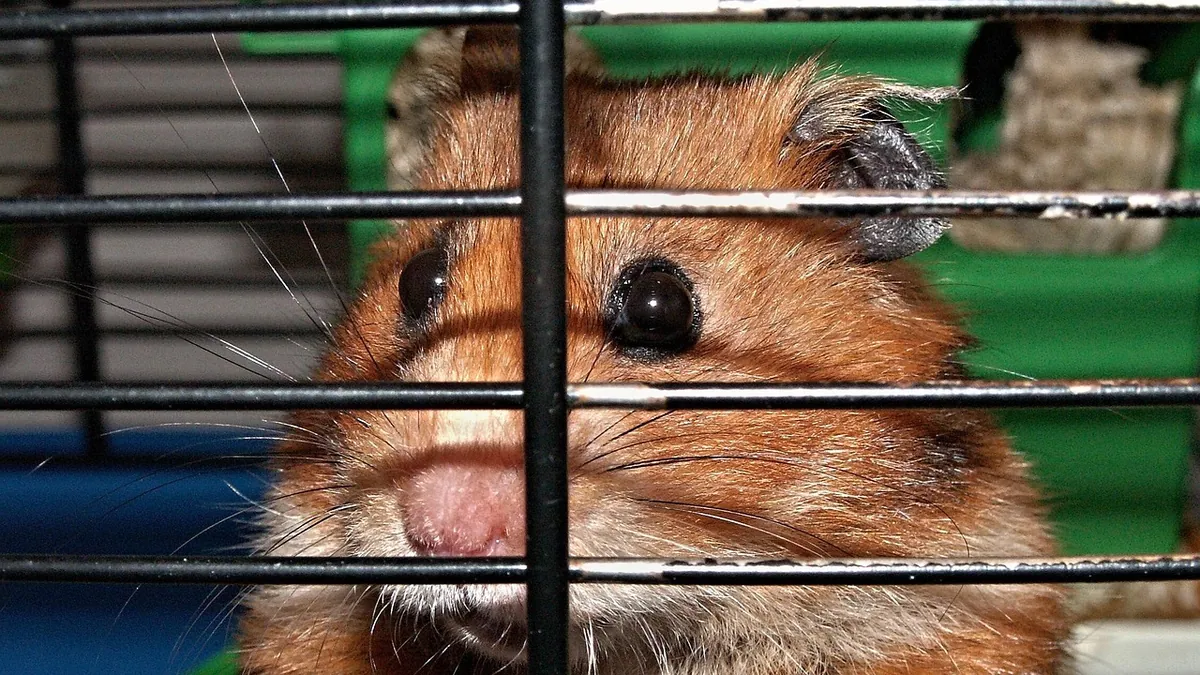
A hamster not drinking water is often a sign that something changed in its environment, diet, or health. Hamsters are small and can dehydrate quickly, so a drop in water intake deserves attention within a day. This article is educational and is not a substitute for veterinary diagnosis or treatment.
Quick Answer
- A hamster that stops drinking for 24 hours or shows sunken eyes, tented skin, or wobbliness needs a vet the same day.
- Sudden heavy drinking can point to diabetes, kidney disease, or a uterine problem in females, and it also needs a vet visit.
- Fresh water in a clean bottle with a working ball bearing solves many mild drops in intake.
- Never force water into a hamster's mouth. It can choke or inhale fluid into the lungs.
What Normal Hamster Drinking Looks Like
How much water does a hamster normally drink?
These are general guideposts, not fixed rules.
Water intake shifts with several normal factors:
- Diet. Hamsters eating lots of fresh cucumber, apple, or other watery foods drink less from the bottle.
- Room temperature. Warm rooms increase drinking.
- Activity. More wheel running means more water loss.
- Life stage. Nursing mothers drink more. Very old hamsters may drink less.
- Bottle function. A stuck ball bearing can cut off water without you noticing.
How to tell if your hamster is drinking enough water
You cannot watch a hamster drink around the clock, so use indirect checks:
- Bottle level. Mark the water line with a piece of tape each morning and compare after 24 hours.
- Skin test. Gently pinch the loose skin between the shoulder blades. It should snap back flat right away. Slow return suggests dehydration.
- Eyes. Bright, round, moist eyes are normal. Sunken or dull eyes are a warning.
- Gums. They should be pink and moist, not tacky or pale.
- Urine. A hamster producing very little urine or no wet spots in the bedding may be dehydrated.
- Behavior. A hamster that is weak, wobbly, or unwilling to move is not simply being lazy.
Why Is My Hamster Not Drinking Water?
There is no single answer. The cause can be as simple as a broken bottle or as serious as heart failure. The table below groups the most common reasons.
| Cause | Typical clues | How urgent |
|---|---|---|
| Bottle or water problem | Water level unchanged, ball bearing stuck, water smells off, bottle leaking | Fix today, watch for 24 hours |
| Stress or environment change | New cage, new home, new cagemate, recent handling, hiding more | Monitor 24 hours |
| Dental or mouth pain | Drooling, dropping food, weight loss, overgrown incisors | Vet within 1 to 2 days |
| Digestive upset | Soft stool, no stool, hunched posture, not eating | Vet same day |
| Dehydration from any illness | Sunken eyes, slow skin snap, weakness | Vet same day |
| Diabetes (common in dwarf hamsters) | Drinking a lot, urinating a lot, sweet or fruity smelling urine, weight loss despite eating | Vet within a few days |
| Kidney disease | Heavy drinking, dilute urine, weight loss, poor coat | Vet within a few days |
| Heart disease or atrial thrombosis | Fast breathing, uneven heartbeat, bluish gums or skin | Emergency now |
| Cancer, including lymphoma | Lethargy, not eating, belly swelling, rapid decline over 1 to 2 weeks | Vet urgently |
Why does my hamster drink so much water?
A hamster that suddenly drinks far more than usual is often not just thirsty. Diabetes mellitus is common in dwarf hamsters, especially Campbell's and winter white breeds. The classic pattern is heavy drinking, heavy urination, and weight loss even though the hamster keeps eating. Kidney disease can cause the same pattern. In female hamsters, a uterine infection or tumor can also drive up thirst.
If your hamster is soaking its bedding every night and the bottle empties fast, book a vet visit. Do not wait for the hamster to look sick, because small rodents hide illness well.
Why is my hamster not drinking water and also not eating?
When both food and water intake drop together, the hamster is usually genuinely ill. Sick hamsters often go quiet, hunch over, and stop grooming. A lymphoma outbreak in one hamster colony showed a clinical pattern of lethargy, anorexia, and abdominal swelling with rapid decline over 1 to 2 weeks [1]. That is one specific disease, but the lesson applies broadly. A hamster that stops both eating and drinking needs same-day veterinary care.
Can social or seasonal factors reduce drinking?
Yes, in some cases. Male Syrian hamsters exposed to female pheromones can develop reduced eating and weight loss, a phenomenon called pheromone-induced anorexia [2]. Social separation can also trigger anorexia with weight loss and anxiety-like behavior, and this effect is stronger in females after puberty [3]. These are research findings in laboratory settings, but they show that stress and social change can genuinely suppress a hamster's appetite and drinking.
Red Flags That Mean Emergency
Call an emergency vet or go in now if you see any of these:
- Fast or labored breathing
- An uneven or racing heartbeat
- Bluish tint to the gums, lips, or skin
- Complete refusal of water for 24 hours
- Sunken eyes or skin that stays tented
- Collapse, seizures, or inability to stand
- Cold body temperature
- Blood in the urine or straining to urinate
Older Syrian hamsters can develop blood clots in the heart, called atrial thrombosis. This is often linked to congestive heart failure and sometimes to amyloidosis, in which abnormal proteins build up in the liver and kidneys and interfere with their function. Signs include fast breathing, an uneven heartbeat, and a bluish tint to the skin or gums. There is no effective cure, though a veterinarian can help manage the condition for a short time [4]. These signs are not something to watch at home.
Safe Things You Can Do at Home
While you arrange a vet visit, these steps are safe and may help:
- Check the bottle. Press the ball bearing with a clean finger. Water should flow freely. Rinse the bottle and refill with fresh water.
- Offer a shallow dish. Some hamsters drink more easily from a small, heavy ceramic dish. Keep it shallow so the hamster cannot fall in.
- Offer watery foods. A small piece of cucumber, apple, or watermelon adds moisture. Remove uneaten fresh food within a few hours so it does not spoil.
- Keep the room quiet and warm. Stress and cold both suppress drinking.
- Weigh your hamster daily if you have a kitchen scale that reads in grams. A drop of 10 percent or more in body weight is a serious sign.
- Track output. Note how much water disappears and whether the bedding is wet.
Do not syringe water into your hamster's mouth unless a veterinarian tells you to and shows you how. Hamsters can inhale liquid, which causes pneumonia. Do not add sugar, honey, or electrolyte powder to the water unless your vet gives you a specific product and amount.
If you are also managing a sick dog at home, some of the same monitoring habits apply, though the species differ. You can read about why a dog might drink so much water or what to do when a dog is not eating but still drinking water for comparison.
What Your Veterinarian Will Check
A vet visit for a hamster with changed water intake usually includes:
- History. When drinking changed, how much, diet, cage setup, and any other signs.
- Physical exam. Weight, hydration status, gum color, heart and lung sounds, belly palpation, and a check of the teeth.
- Urine testing. A dipstick can screen for glucose, protein, blood, and ketones. This is often the fastest way to spot diabetes.
- Blood glucose. A small blood sample can confirm diabetes.
- Fecal exam. Tapeworms are more common in hamsters than in mice and rats, and heavy infections can affect the intestines. Some rodent tapeworms can infect people, so wash your hands after handling your hamster or cleaning the cage [4].
- Imaging. X-rays or ultrasound may be recommended if heart or kidney disease is suspected.
Treatment depends on the cause. Diabetes may be managed with diet changes and monitoring. Kidney disease is managed supportively. Heart disease has a guarded outlook, but a vet can help with comfort for a short time [4].
Prevention and Daily Monitoring
- Refresh water daily. Even if the bottle looks full, dump it, rinse it, and refill.
- Check the bottle weekly. Test the ball bearing and look for cracks or leaks.
- Feed a balanced diet. A pregnant hamster that does not get enough vitamin E can have weak or stillborn babies and may eat them. Adult hamsters low in vitamin E can show weakness or even paralysis. A balanced diet helps prevent this problem [4].
- Use solid-surface wheels. Limping in hamsters is often caused by strains or broken bones, and injuries commonly happen when a leg gets caught in a wire wheel or wire cage. Falls can also cause broken bones or back injuries. If your hamster seems to be in pain or does not want to move, get veterinary help right away [4].
- Keep a weekly weight log. A kitchen scale that reads in grams is one of the best early warning tools you own.
- Watch the bedding. More wet spots than usual can be the first sign of diabetes or kidney trouble.
Limitations and When to Contact a Veterinarian
This article gives general guidance only. Every hamster is an individual, and only a veterinarian who examines your pet can diagnose the cause of a change in drinking.
Contact a veterinarian the same day if your hamster has not drunk in 24 hours, has sunken eyes, has skin that stays tented, is losing weight, or has stopped eating.
Go to an emergency clinic now if you see fast breathing, an uneven heartbeat, bluish gums or skin, collapse, seizures, or blood in the urine.
Schedule a routine visit within a few days if your hamster is drinking much more than usual but still acting fairly normal. Heavy drinking is often the first visible sign of diabetes or kidney disease, and early testing makes management easier.
Frequently Asked Questions
How long can a hamster go without water?
A hamster can survive only a short time without water, often less than a day or two before serious decline. Because they are so small, they lose body water quickly. If your hamster has not drunk for 24 hours, treat it as urgent.
Can a hamster get water from its food?
Yes. Fresh vegetables and fruit like cucumber, apple, and melon add meaningful moisture to the diet. A hamster eating a lot of watery produce may drink less from the bottle and still be well hydrated. Check the skin pinch and eyes to confirm.
Is a water bottle or a bowl better for hamsters?
Both work. Bottles stay cleaner and cannot be spilled, but the ball bearing can stick. Bowls are easier to drink from but get soiled fast. Many owners offer both so the hamster always has a backup water source.
Do dwarf hamsters drink more than Syrians?
Per gram of body weight, dwarf hamsters drink about the same as Syrians. In absolute terms, Syrians drink more because they are larger. Dwarf hamsters do have a higher risk of diabetes, so a sudden increase in drinking in a dwarf is a strong reason to see a vet.
Can stress alone stop a hamster from drinking?
Yes. New environments, social separation, and pheromone exposure can all suppress eating and drinking in hamsters [2][3]. If the stressor is removed and the hamster still will not drink within a day, the cause is likely medical.
Related Articles
- Why Is My Hamster Not Eating? Causes and Next Steps
- What Do Hamsters Drink? Water Needs and Bottle Tips
- Why Is My Hamster Not Pooping? Constipation and Blockage
References
- Lymphoma outbreak in a GASH:Sal hamster colony. Archives of virology, 2013.
- Pheromone-induced anorexia in male Syrian hamsters. American journal of physiology. Endocrinology and metabolism, 2003.
- Female-biased anorexia and anxiety in the Syrian hamster. Physiology & behavior, 2014.
- Disorders and Diseases of Hamsters - All Other Pets. Merck Veterinary Manual.