Why Is My Hamster Not Eating? Causes and Next Steps
By Dr. Zubair Khalid, DVM, MS, PhD ·
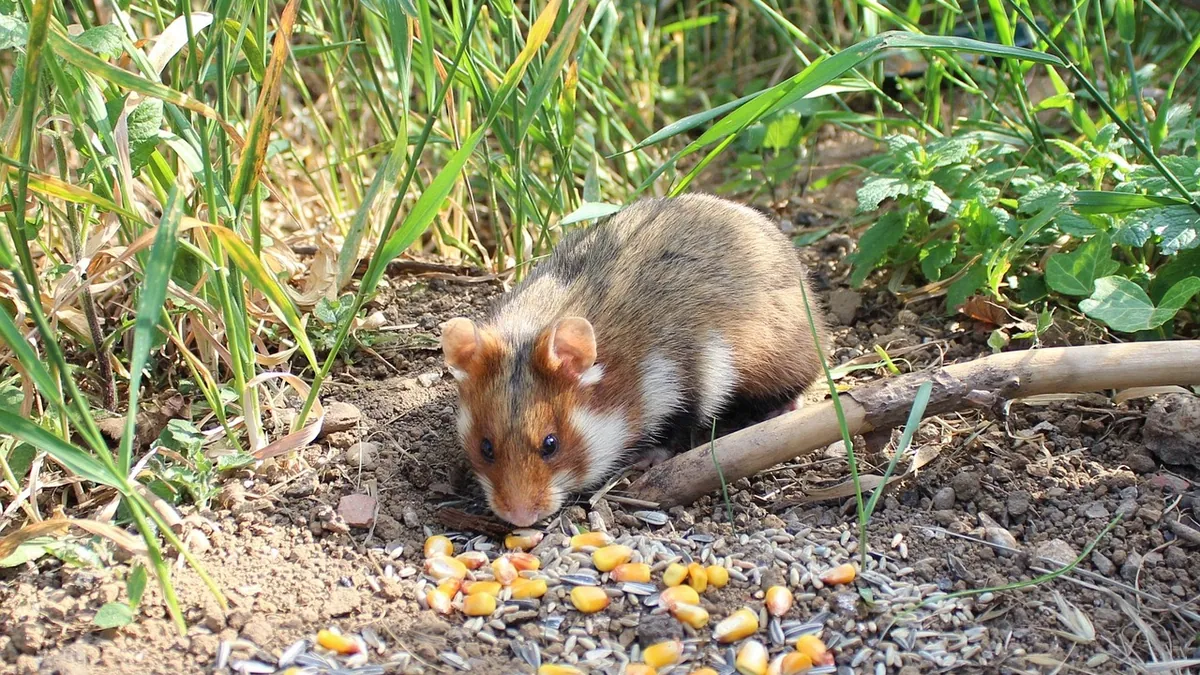
A hamster that stops eating is either stressed, in pain, or sick, and the difference matters because hamsters are small enough to decline fast. A new hamster may just be settling in, but a hamster that was eating fine yesterday and refuses food today needs a closer look. This article is educational and is not a substitute for veterinary diagnosis or treatment.
Quick Answer
- A brand-new hamster may not eat much for the first 24 to 48 hours while it adjusts to a new home, but it should still drink and move around at night.
- A hamster that was eating normally and suddenly stops is more concerning than a shy new arrival, especially if it also looks hunched, shaky, or sleepy.
- Weigh your hamster on a small kitchen scale. Any rapid weight loss is a reason to call an exotics vet.
- Offer its normal food plus a few familiar favorites, keep the room quiet and warm, and avoid handling it more than needed.
- Call a veterinarian who treats hamsters the same day if your hamster is not eating and also has diarrhea, trouble breathing, a wet tail area, or is cold to the touch.
What "Not Eating" Looks Like and What Is Normal
Hamsters are nocturnal and crepuscular, which means they are most active in the evening and at night. If you fill the bowl in the morning and check it at noon, you may see a full bowl and assume your hamster is not eating. Watch after dark before you worry.
Normal hamster eating habits include:
- Emptying or noticeably reducing the food bowl overnight
- Hoarding food in cheek pouches or a stash corner
- Eating pellets, seeds, vegetables, and the occasional protein item
- Drinking from a bottle or bowl, though some hamsters drink very little
The most common pet hamster is the golden, or Syrian, hamster (Mesocricetus auratus), and dwarf hamsters such as the Djungarian and Roborovsky hamsters are also popular [1]. All of them are small, which means a day or two of poor intake can matter more than it would in a dog or cat.
Wild Syrian hamsters are omnivorous and eat green vegetation, seeds, fruit, and meat [1]. Pet hamsters should get a complete, balanced, pelleted diet made for hamsters, and generic seed mixes are a poor choice because hamsters pick out the seeds and ignore the pellets [1]. If your hamster has been living on a seed mix, it may already be missing key nutrients, which can affect its appetite and health.
Why Is My Hamster Not Eating? Main Causes
| Cause | Typical clues | How urgent |
|---|---|---|
| Stress from a new home | New hamster, hiding, only eating at night, no other symptoms | Give 24 to 48 hours, then call a vet if still not eating |
| Stress from changes or handling | Recent cage move, new pet, loud room, overhandling | Reduce stress, monitor for 24 hours |
| Dental problems | Drooling, dropping food, eating soft items only, weight loss | Same-day vet visit |
| Digestive upset or "wet tail" | Diarrhea, wet rear end, hunched posture, bad smell | Emergency now |
| Respiratory infection | Wheezing, clicking, discharge from nose or eyes, breathing hard | Emergency now |
| Cold or torpor | Cool room, hamster feels cold, very still, barely responds | Warm slowly and call a vet now |
| Pain or injury | Limping, swelling, guarding the belly, not moving much | Same-day vet visit |
| Underlying illness or organ disease | Gradual weight loss, poor coat, low energy over days | Same-day vet visit |
New Hamster Not Eating
A new hamster often needs time. It has just left its littermates, its familiar smells, and its usual routine. Many hamsters hide for the first day or two and eat only when the room is dark and quiet.
Give a new hamster at least 24 to 48 hours of low-stress settling before you decide something is wrong. Keep the cage in a quiet spot, cover part of it with a light cloth, and resist the urge to pick it up constantly. Offer the same food it was eating before, plus a small piece of a familiar treat like a bit of apple or cucumber.
If a new hamster is still not eating after two days, or if it is also shaking, breathing fast, or has a wet bottom, treat it as a medical problem and call a vet.
Hamster Suddenly Not Eating
A sudden drop in appetite in a hamster that was eating well is a bigger red flag. Hamsters hide illness well because in the wild, looking weak invites predators. By the time a hamster visibly stops eating, it may have been unwell for a while.
Common triggers for a sudden appetite drop include dental pain, a respiratory infection, diarrhea, a cold environment, and stress. Stress affects hamsters in ways that can surprise owners. In golden hamsters, chronic social stress can actually increase food intake and body weight over time, and it also increases hoarding behavior [2][3][4]. That means stress does not always look like a lost appetite. It can look like a hamster that eats more, hoards more, and gains weight, or one that shuts down and stops eating.
Individual hamsters also respond very differently to diet changes. In one study, adult male striped hamsters fed a high-fat diet split into three groups: some gained weight, some stayed stable, and some lost weight and seemed to avoid the food [5]. Your hamster may simply dislike a new food, or it may be one that reacts badly to dietary change.
Hamster Not Drinking Water but Eating
If your hamster is eating but not drinking, check the water source first. Bottles can jam, leak, or grow algae. Bowls can tip over or get soiled. Test the bottle by pressing the ball and watching for a drop.
Some hamsters get most of their water from fresh vegetables, so a hamster eating cucumber, lettuce, or other watery produce may drink less from the bottle. That can be normal. But if the water source works and your hamster is eating dry food with no produce and still not drinking, call your vet. Dehydration in a small hamster can progress quickly.
Hamster Shaking Not Eating
Shaking in a hamster that will not eat usually points to pain, cold, or serious illness. A hamster that is cold to the touch, very still, and shaking may be entering torpor, a low-metabolism state. Syrian hamsters are hibernators, and they can enter torpor when exposed to cold, short-day conditions [6]. A pet hamster in a chilly room can drop into this state even without true hibernation.
Warm the hamster slowly by holding it against your body or placing the cage in a warm (not hot) room. Do not use a hair dryer or a direct heat lamp. Call a vet right away, because a hamster in torpor or shock needs professional care.
Red Flags That Make It an Emergency
Call an emergency or exotic vet now if your hamster has any of these:
- A wet, soiled rear end or watery diarrhea
- Breathing that is fast, noisy, or labored
- A body that feels cold and a hamster that barely responds
- Bleeding, a visible wound, or a swollen belly
- A hamster that has not eaten for more than 24 hours and is getting weaker
- Continuous shaking or trembling
- Collapse, seizures, or a hamster that cannot stand
Do not wait until morning for these signs. Small animals can go downhill within hours.
Safe Things You Can Do at Home While Waiting
While you arrange a vet visit, keep your hamster comfortable and reduce stress.
- Keep the room warm, ideally in the low 70s Fahrenheit, away from drafts.
- Dim the lights and keep noise low.
- Offer its usual food plus a few tempting items like a small piece of apple, cucumber, or cooked egg.
- Check the water bottle and bowl, and offer water in a shallow dish if the bottle is questionable.
- Weigh your hamster on a small kitchen scale so you have a number for the vet.
- Do not force-feed, syringe water, or give human medications. A veterinarian calculates any dose from your pet's weight and health.
- Do not handle more than necessary. Stress can make a sick hamster worse.
If you have other pets, this is a good moment to review appetite changes in them too. A dog that stops eating has very different causes, and our guide on why your dog is not eating walks through them. If your dog is eating but not passing stool, see dog not pooping but eating normally. Reptile and bird owners face similar questions, and the same principle applies: a sudden appetite change is a symptom, not a diagnosis. Our articles on a snake not eating and a pet bird not eating cover those species.
What Your Veterinarian Will Check and Test
An exotics veterinarian will start with a full physical exam. They will look at the teeth, because overgrown incisors and molar problems are common causes of a hamster that wants to eat but cannot. They will check the eyes, nose, ears, and breathing. They will feel the belly for masses, bloating, or pain. They will check the rear end for diarrhea or wet tail.
They may also:
- Weigh your hamster and compare it to a healthy baseline
- Check hydration by looking at the skin and gums
- Examine a stool sample for parasites or bacteria
- Take a small blood sample if your hamster is stable enough
- Recommend imaging such as an x-ray or ultrasound in some cases
Treatment depends on the cause. Dental trimming, antibiotics, fluids, warmth, and a change in diet are all possibilities. Your vet will explain what is realistic for your hamster's age and condition.
Prevention and Daily Monitoring
Good husbandry prevents many appetite problems.
- Feed a complete, balanced pelleted hamster diet instead of a generic seed mix [1].
- Keep the cage clean, dry, and warm.
- Provide fresh water daily and check the bottle works.
- Offer a small amount of safe fresh produce and protein.
- Weigh your hamster weekly on a kitchen scale and write it down.
- Watch for changes in droppings, breathing, and activity.
- Give a new hamster quiet time to settle before you judge its appetite.
- Keep stress low. Stress affects hamster appetite, weight, and hoarding behavior in complex ways [2][3][4].
If your hamster lives in a room that gets cold at night, a small safe heat source or a warmer room can help prevent torpor [6].
Limitations and When to Contact a Veterinarian
This article cannot tell you what is wrong with your specific hamster. Only a veterinarian who examines your pet can do that. Individual cases need a veterinarian, and hamsters are small enough that waiting can be dangerous.
Contact a veterinarian the same day if your hamster:
- Has not eaten for 24 hours
- Is losing weight
- Has drooling, bad breath, or trouble chewing
- Has a change in droppings or a wet rear end
- Is less active than usual for more than a day
Go to an emergency vet now if your hamster:
- Has diarrhea or a wet, soiled bottom
- Is breathing hard or making noise when breathing
- Feels cold and is barely responsive
- Is shaking constantly or cannot stand
- Has bleeding, a wound, or a swollen belly
If you are unsure, call. A phone call costs nothing and can save your hamster's life.
Frequently Asked Questions
How long can a hamster go without eating?
A hamster should not go more than about 24 hours without eating before you seek veterinary advice. Hamsters have small energy reserves, and a day of poor intake can lead to weakness and dehydration. If your hamster is also cold, shaking, or has diarrhea, treat it as an emergency.
Why is my new hamster not eating?
A new hamster often needs a day or two to adjust to its new home. It may hide and eat only at night when the room is quiet. If it is still not eating after two days, or if it looks sick, call a vet.
My hamster is eating but not drinking water. Should I worry?
Check the water bottle or bowl first, because a jammed bottle is a common cause. Some hamsters drink less when they eat watery vegetables. If the water source works and your hamster eats only dry food and still will not drink, call your vet.
Why is my hamster shaking and not eating?
Shaking with a lost appetite usually means pain, cold, or serious illness. A cold hamster may be entering torpor, which is a low-metabolism state. Warm it slowly and contact a vet right away.
Can stress make my hamster stop eating?
Yes, stress can change hamster appetite, and it can go either way. In golden hamsters, chronic stress can increase food intake, body weight, and hoarding, while other hamsters eat less [2][3][4]. A new home, loud noises, or too much handling are common stressors.
Related Articles
- Why Is My Hamster Not Drinking Water? Causes and Warning Signs
- Why Is My Hamster Not Pooping? Constipation and Blockage
- Why Is My Hamster Eating So Much? Normal Hoarding or a Problem
References
- Hamsters - Exotic and Laboratory Animals. Merck Veterinary Manual.
- A hamster model for stress-induced weight gain. Hormones and behavior, 2024.
- Stress alters hypothalamic gene expression in adolescent male Golden hamsters. Journal of neuroendocrinology, 2025.
- Adolescent social stress alters the role of orexin innervation in the hindbrain in male hamsters. Journal of neuroendocrinology, 2025.
- Individual differences in response to a chronic high-fat diet in striped hamsters (Cricetulus barabensis). Comparative biochemistry and physiology. Part A, Molecular & integrative physiology, 2025.
- Effect of post-weaning diet on hibernation occurrence in Syrian hamsters. Experimental animals, 2026.