Hedgehog Drinking and Water: How Much Is Normal?
By Dr. Zubair Khalid, DVM, MS, PhD ·
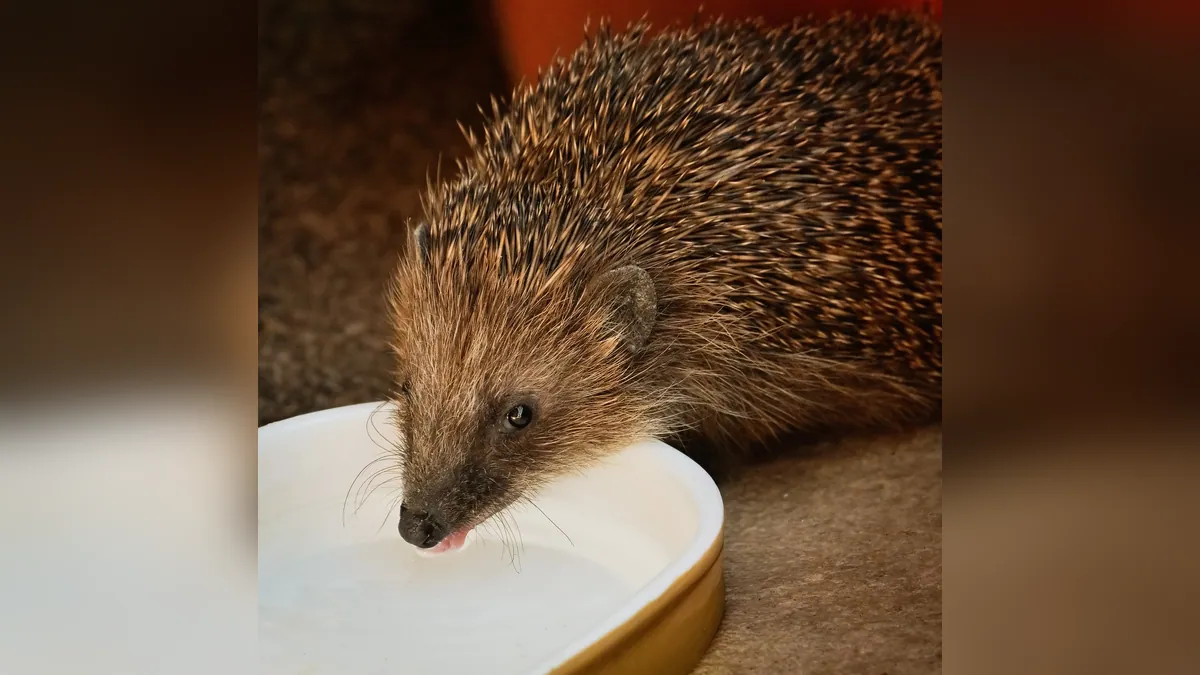
If you are asking why is my hedgehog drinking so much water, the short answer is that a sudden, sustained increase in drinking usually points to a medical problem, most often diabetes, kidney disease, or another illness that needs veterinary care. Hedgehogs are small animals with a low tolerance for dehydration and for fluid overload, so changes in drinking are worth taking seriously. This article is educational and is not a substitute for veterinary diagnosis or treatment.
Quick Answer
- A clear, sudden increase in drinking (polydipsia) is not normal and is a common sign of diabetes, chronic renal disease, or other illness in hedgehogs [1][2].
- A hedgehog that stops drinking or drinks far less than usual can become dehydrated within a day, especially if it is also not eating.
- Weigh your hedgehog daily on a kitchen scale and track how much water disappears from the bottle or bowl over 24 hours. These two numbers are the most useful things you can bring to your vet.
- Do not restrict water to "fix" increased drinking. If your hedgehog is drinking a lot, it needs to drink a lot, and it needs a veterinary exam.
What Normal Drinking Looks Like in a Hedgehog
Do hedgehogs drink water?
Yes. Hedgehogs need fresh water available at all times. Most owners offer water in a shallow, heavy bowl or in a sipper bottle made for small animals. Both work, but each has trade-offs. A bowl is easier to clean and lets a hedgehog drink naturally, but it spills and gets soiled. A hedgehog water bottle keeps water cleaner but can leak, jam, or be hard for a weak or painful hedgehog to use. Check the bottle nozzle every day to confirm water actually comes out when the ball is touched.
How much water is normal?
There is no single official number, because intake depends on the individual animal. A large, active hedgehog in a warm room may drink more. A small hedgehog eating moist food may drink less. What matters most is your hedgehog's personal baseline.
What the sign looks like at home
You may notice the water level in the bowl dropping faster than usual, the bottle emptying in a day instead of several days, or your hedgehog spending long stretches at the water source. Some hedgehogs with increased drinking also urinate much more, soak their bedding, or develop a strong urine smell. Others lose weight even though they eat well. These patterns together are more meaningful than any single observation.
Why Is My Hedgehog Drinking So Much Water?
Increased drinking in hedgehogs has a short list of common causes, and most of them are medical. The table below groups them by what you are likely to see and how quickly you should act.
| Cause | Typical clues | How urgent |
|---|---|---|
| Diabetes mellitus | Drinking and urinating a lot, good or increased appetite, weight loss, sometimes cloudy eyes or cataracts | See a vet within 1 to 2 days |
| Chronic renal disease | Increased drinking and urination, weight loss, poor coat, reduced appetite, older hedgehog | See a vet within 1 to 2 days |
| Neoplasia (cancer) | Weight loss, poor appetite, a lump, gradual decline, often in older hedgehogs | See a vet within a few days |
| Dental or periodontal disease | Drooling, dropping food, eating less, drinking more to soften food, bad breath | See a vet within a few days |
| Heart disease | Increased drinking, exercise intolerance, labored breathing, weakness | Same day if breathing is affected |
| Hot environment or heavy exercise | Drinking more on a hot day or after a long wheel run, otherwise bright and eating | Monitor for 24 hours |
| Diet change (dry food, salty treats) | Drinking more after a switch to dry kibble or salty snacks | Adjust diet, monitor for 24 to 48 hours |
| Dehydration from another illness | Sunken eyes, tented skin, lethargy, not eating | Same day |
Hedgehogs have an unusually short life span and a strong tendency to develop tumors, so cancer is a real concern in middle-aged and older pets [1]. In one review of necropsy findings in 14 African hedgehogs, renal disease was found in 50% of the animals and neoplastic disease in 29% [2]. That does not mean your hedgehog has cancer or kidney disease, but it does explain why increased drinking deserves a real workup instead of watchful waiting.
Why is my hedgehog not drinking water?
Reduced drinking is also a warning sign. A hedgehog that stops drinking may be painful, nauseated, depressed, or too weak to reach the water source. Dental pain, oral injuries, and general illness can all cause this [3]. Dehydration can develop quickly in a small animal, so a hedgehog that has not drunk in 24 hours, or that is also not eating, should be seen the same day.
Do hedgehogs swim? Do hedgehogs like water?
Hedgehogs can paddle and stay afloat for short periods, and some will walk through shallow water without distress. That does not mean they enjoy swimming. Most hedgehogs find full baths stressful, and a wet hedgehog chills quickly. Hypothermia is a common problem in newly rescued hedgehogs and can indicate shock or poor health [4]. If your hedgehog needs a foot soak or a spot clean, use only an inch or two of lukewarm water, keep the session short, dry it thoroughly with a towel, and keep the room warm. Never leave a hedgehog unattended in water.
Red Flags That Mean Emergency Care Now
Call an emergency or exotic animal veterinarian right away if you see any of these:
- Labored breathing, open-mouth breathing, or blue-tinged gums
- Collapse, seizures, or a hedgehog that will not uncurl or respond
- No water intake for 24 hours, especially with no eating
- Vomiting, diarrhea, or a sudden drop in body weight
- A hedgehog that feels cold to the touch and is weak or unresponsive (hypothermia can signal shock) [4]
- Straining to urinate or not passing urine at all
If you think your hedgehog ate something toxic, call the ASPCA Animal Poison Control Center at (888) 426-4435 or the Pet Poison Helpline at (855) 764-7661.
Safe Things You Can Do at Home While You Wait
You cannot diagnose increased drinking at home, but you can gather information that speeds up your vet visit.
- Weigh your hedgehog every morning before feeding, on a gram scale. Write down the number.
- Measure water intake. Fill a bowl with a known amount, or mark the bottle level, and record how much is gone in 24 hours.
- Offer fresh water in both a bowl and a bottle so you can see which one your hedgehog prefers.
- Check the bottle nozzle daily to make sure it is not clogged or leaking.
- Keep the room at a comfortable, stable temperature. Avoid drafts and avoid overheating.
- Do not restrict water. Do not add sugar, honey, or electrolytes to the water unless your veterinarian tells you to.
- Do not give any medication, including human diabetes drugs, without veterinary direction. Doses for hedgehogs must be calculated by a veterinarian based on your pet's weight and health.
- Bring a fresh urine sample if you can collect one. A clean, shallow container placed in the cage may catch a sample, or your vet can collect one in the clinic.
If your hedgehog is not drinking, you can offer a shallow bowl of water and moist food, but do not syringe water into the mouth unless a veterinarian instructs you. Aspiration is a real risk in a struggling small animal.
What Your Veterinarian Will Check and Test
Your vet will start with a full physical exam, including weight, body condition, hydration, gum color, heart and lung sounds, and a careful look at the teeth and mouth [3]. Hedgehogs curl tightly, so the exam may require gentle restraint or brief anesthesia for a complete look.
Expect some combination of these tests:
- Blood glucose and a full blood panel to look for diabetes, kidney values, and organ function
- Urinalysis to check for glucose, protein, blood, and concentration
- Fecal exam for parasites
- Imaging such as radiographs or ultrasound if the vet suspects heart disease, kidney changes, or a mass
- A dental exam under anesthesia if oral disease is likely
Because chronic renal disease, heart disease, and dental disease are all common in older hedgehogs, your vet may repeat some tests over time to track trends [1]. A single normal value does not always rule out a problem.
Prevention and Daily Monitoring
You cannot prevent every case of diabetes or kidney disease, but good husbandry lowers risk and helps you catch problems early.
- Feed a balanced hedgehog diet and keep treats low in sugar and salt.
- Provide fresh water at all times and clean bowls and bottles daily.
- Keep a weekly weight log. A slow, steady weight loss is easy to miss without numbers.
- Watch for changes in appetite, urine output, coat quality, and activity.
- Schedule a wellness exam with an exotic animal veterinarian at least once a year, and twice a year for hedgehogs over 3 years old.
- Know your hedgehog's normal drinking pattern so you notice the day it changes.
If you also have dogs or cats at home, changes in their drinking habits follow similar logic. You can read more about increased thirst in dogs and cats, and about when a dog's increased drinking needs a vet visit.
Limitations and When to Contact a Veterinarian
This article gives general guidance only. Every hedgehog is an individual, and only a veterinarian who examines your pet can determine the cause of increased or decreased drinking.
Contact an exotic animal veterinarian the same day if your hedgehog has a sudden change in drinking, is not eating, is losing weight, or seems weak or painful. Go to an emergency clinic immediately for labored breathing, collapse, seizures, or a hedgehog that will not respond. Schedule a routine visit within a few days if the change is mild but has lasted more than 48 hours, or if your hedgehog is older and you have noticed a slow decline.
Frequently Asked Questions
Should I use a water bottle or a bowl for my hedgehog?
Either can work if your hedgehog uses it reliably. A bowl is easier to clean and monitor, while a bottle keeps water cleaner. Many owners offer both and check the bottle nozzle daily for clogs or leaks.
Can I add anything to my hedgehog's water to make it drink more?
No. Plain fresh water is best. Adding sugar, honey, or flavoring can worsen underlying problems and is not a treatment for dehydration. If your hedgehog is not drinking, that is a reason to see a vet, not to sweeten the water.
My hedgehog drinks a lot but seems fine. Do I still need a vet visit?
Yes, if the increase is new and lasting. Hedgehogs often hide illness until it is advanced, and diabetes and kidney disease can look mild at first. A baseline exam and bloodwork give you a clear answer.
Can a hedgehog get dehydrated from a hot room?
Yes. Hedgehogs are sensitive to temperature extremes, and a warm environment increases water loss. Keep the room at a stable, comfortable temperature and always provide fresh water.
Will my hedgehog drink more if I switch to dry food?
Often, yes. Dry kibble contains less moisture than canned or moist food, so many hedgehogs drink more after a diet change. If the increase is mild and your hedgehog is otherwise well, monitor for a couple of days. If it continues or comes with weight loss, call your vet.
Related Articles
- Hedgehog Pooping or Peeing Blood: Causes and Next Steps
- Why Is My Hedgehog Not Eating? Causes and What to Do
References
- Geriatric Hedgehogs. The veterinary clinics of North America. Exotic animal practice, 2020.
- Necropsy and histopathologic findings in 14 African hedgehogs (Atelerix albiventris): a retrospective study. Journal of zoo and wildlife medicine : official publication of the American Association of Zoo Veterinarians, 1999.
- Hedgehog care and husbandry. The veterinary clinics of North America. Exotic animal practice, 2004.
- Diagnosis of hypothermia in the European hedgehog, Erinaceus europaeus, using infrared thermography. Journal of thermal biology, 2020.