Guinea Pig Not Drinking Water: Causes and When to Worry
By Dr. Zubair Khalid, DVM, MS, PhD ·
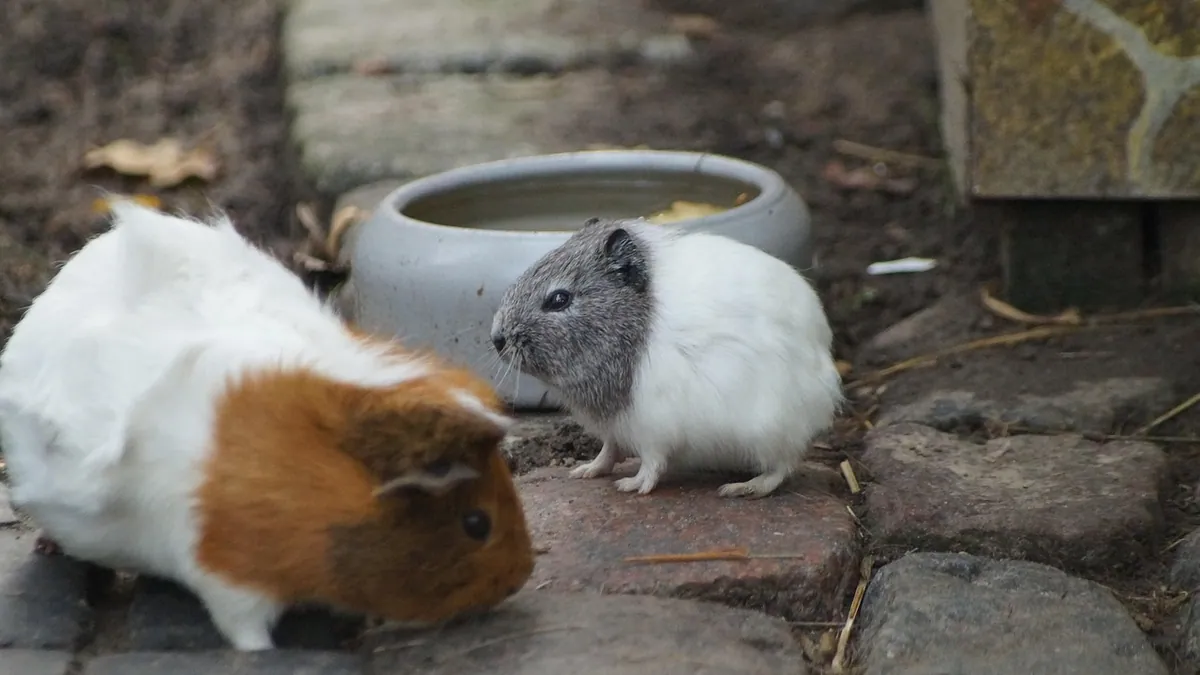
Guinea pigs often drink less than owners expect, so a guinea pig not drinking water may simply be getting moisture from vegetables. It can also be the first sign of dental pain, gut stasis, or kidney problems. The key is whether your guinea pig is still eating, passing droppings, and acting normally.
This article is educational and is not a substitute for veterinary diagnosis or treatment.
Quick Answer
Fresh greens and wet vegetables can cover much of that need.
- The most reliable sign of a problem is not the water bottle level. Watch for weight loss, small or missing droppings, drooling, hunched posture, or a guinea pig that stops eating.
- Dental disease is common in guinea pigs and often shows up first as trouble eating or drinking [1]. A guinea pig with painful molars may drop food, drool, or avoid the bottle.
- Never try to make a guinea pig vomit. Guinea pigs, like other rodents and rabbits, cannot vomit.
- If your guinea pig has not eaten in 12 hours, has no droppings, or is weak and cold, call an exotic vet or emergency clinic right away.
What "Not Drinking" Looks Like and What Is Normal
Water intake in guinea pigs is easy to misjudge. Bottles leak, bowls spill, and a guinea pig that eats a lot of cucumber, romaine, or other wet greens may drink very little from the bottle. Some guinea pigs drink most of their water at night. Others drink in short bursts after hay.
Most weigh around 1 kg, so this range is a rough guide, not a rule [2]. Hot weather, pregnancy, nursing, and a dry diet (mostly pellets and hay) push intake up. A diet heavy in fresh greens pushes bottle intake down.
The better question is whether your guinea pig is hydrated and eating. Check these signs:
- Skin tent: gently pinch the skin between the shoulders. It should snap back quickly.
- Gums: they should be pink and moist, not tacky or pale.
- Droppings: normal output means the gut is moving.
- Weight: a kitchen scale is the single best home tool. Weigh once a week at the same time of day.
- Behavior: alert, curious, and moving around normally.
If all of those are normal, a quiet water bottle is often not an emergency. If any are off, treat it as a real problem.
Main Causes of a Guinea Pig Not Drinking Water
Diet and Environment
A guinea pig on a wet, leafy diet may drink almost nothing and still be fine. Sudden changes in routine, a new bottle, a noisy cage location, or a dirty water source can also put a guinea pig off drinking. So can stress from a new cage mate or a move.
Dental Pain
Dental disease is one of the most common reasons a guinea pig slows down on food and water. In one survey of owners, 6.7% of guinea pigs had a clinical diagnosis of dental disease, and 16.6% had signs consistent with it [1]. Causes include a diet high in energy but low in fiber, too little abrasive food, and too little dietary calcium [1]. Overgrown molars and odontogenic abscesses cause malocclusion and feeding problems [3]. A guinea pig in dental pain often wants to eat but cannot chew comfortably.
Gastrointestinal Stasis
Gut stasis means the digestive tract slows or stops. It is common in guinea pigs and often follows not eating, dental pain, or stress. Obstructive ileus is less common, but it happens. One report described a guinea pig with a jejuno-jejunal intussusception causing mechanical ileus and gastric dilation [4]. Signs include no droppings, a bloated belly, hunched posture, and grinding the teeth in pain.
Vitamin C Deficiency
Guinea pigs cannot make vitamin C and must get it from food [2]. Without enough, they can lose appetite, develop dental problems, have swollen joints, bleed under the skin, become weak, and possibly die [2]. Signs include a rough coat, lameness, weight loss, diarrhea, and sudden illness [2]. Vitamin C in pellets degrades with heat, light, and moisture, so a bag that sat in a warm garage may not deliver what the label claims [2].
Kidney and Endocrine Problems
Kidney trouble can change drinking habits, sometimes up and sometimes down. Hyperthyroidism, the most common nonreproductive endocrine disorder in guinea pigs, usually appears in animals over 3 years old and causes weight loss with a normal or increased appetite, increased thirst and urination, hyperactivity, nervousness, and soft feces or diarrhea [5]. Cystic ovarian disease is the most common reproductive tract disorder in female guinea pigs and can cause a range of signs [5].
Other Illness
Enlarged lymph nodes from infection can spread to the ears, sinuses, or eyes [6]. Cancers such as lymphosarcoma can enlarge lymph nodes, the liver, or the spleen, and the outlook is usually poor [6]. Any systemic illness can reduce appetite and drinking.
| Cause | Typical clues | How urgent |
|---|---|---|
| Diet or environment | Normal behavior, normal droppings, wet greens, new bottle or cage change | Monitor for 24 hours |
| Dental pain | Drooling, dropping food, weight loss, trouble chewing, bad breath | See a vet within 24 hours |
| GI stasis | No or tiny droppings, bloated belly, hunched posture, not eating | Emergency now |
| Vitamin C deficiency | Rough coat, lameness, swollen joints, weight loss, weakness | See a vet same day |
| Kidney or thyroid disease | Weight loss with good appetite, more thirst and urination, hyperactivity | See a vet within a few days |
| Infection or cancer | Swollen lymph nodes, lethargy, poor appetite, weight loss | See a vet promptly |
Red Flags That Make It an Emergency
Call an exotic emergency clinic now if you see any of these:
- No eating for 12 hours or more
- No droppings for 12 hours, or very small, stringy, or misshapen droppings
- A bloated, tight, or painful belly
- Drooling, pawing at the mouth, or food falling out while chewing
- Hunched posture, teeth grinding, or reluctance to move
- Cold ears and feet, weakness, or collapse
- Labored breathing
- Diarrhea, especially with lethargy
- Seizures or head tilt
Guinea pigs decline fast. A guinea pig that was fine last night can be critical by morning. When in doubt, call.
Safe Things You Can Do at Home While You Wait
Do not force water into your guinea pig's mouth with a syringe unless your veterinarian tells you to. Aspiration into the lungs is a real risk. Instead:
- Offer a shallow bowl as well as the bottle. Some guinea pigs prefer one over the other.
- Refresh the water twice a day and scrub the bottle and sipper tube. Biofilm tastes bad and grows fast.
- Offer wet greens: romaine, cilantro, parsley, bell pepper, and cucumber. Rinse them and leave them damp.
- Offer a small piece of bell pepper for vitamin C. Guinea pigs need at least 10 mg of vitamin C per kg of body weight per day, and pregnant females need 30 mg per kg per day [2]. Because vitamin C is safe at higher doses, 10 mg per guinea pig and 30 mg for a pregnant female is a safe daily amount [2]. Your veterinarian can set the exact dose and form for your pet.
- Keep the cage quiet and warm. Stress makes stasis worse.
- Weigh your guinea pig daily during a problem. A drop of 50 g or more matters.
- Count droppings. Write down the number so you can tell the vet.
If your guinea pig is not eating at all, that is a medical problem, not a feeding problem. The same principle applies to other species, and you can read more about it in Dog Not Eating: When to Worry and What to Do. For a look at how dehydration is handled in dogs, see Dog Not Drinking Water: Causes and How to Encourage Hydration.
What Your Veterinarian Will Check and Test
An exotic vet will start with a full physical exam. Expect a careful look at the mouth with an otoscope or speculum, because guinea pig molars are deep in the back of the mouth and hard to see. The vet will check the incisors, the molars, the tongue, and the cheeks for ulcers, spurs, or abscesses.
Other steps may include:
- Weight and body condition score
- Hydration assessment, including skin tent and gum moisture
- Abdominal palpation for gas, masses, or a bloated stomach
- Listening to the heart and lungs
- Checking lymph nodes in the neck for swelling or abscesses [6]
- Blood work to look at kidney values, blood sugar, and cell counts
- Skull radiographs or CT to evaluate tooth roots
- Fecal testing for parasites and bacteria
- Ultrasound if ovarian disease or an abdominal mass is suspected [5]
Treatment depends on the cause. Dental work may involve trimming or filing sharp points, and in some cases surgery. One surgical approach to the upper second and third molars uses a transorbital route that preserves the eye, and all 26 guinea pigs in that report recovered uneventfully [3]. Gut stasis treatment usually includes fluids, pain control, motility drugs, and assisted feeding. Your vet calculates every dose from your pet's weight and health.
If your guinea pig is not eating but still drinking, that pattern has its own causes and urgency, described in Dog Not Eating but Drinking Water: What to Do.
Prevention and Daily Monitoring
Most guinea pig water problems are preventable with good husbandry.
- Feed unlimited grass hay. Hay wears teeth down and keeps the gut moving.
- Give about one cup of fresh vegetables daily, including a vitamin C source.
- Use pellets made for guinea pigs, and check the mill date. Vitamin C fades over months [2].
- Weigh weekly. A kitchen scale costs little and catches problems early.
- Check the water bottle twice a day. Squeeze the ball to confirm it works.
- Clean bottles and bowls daily with hot water.
- Keep the room between 65 and 75 F. Guinea pigs handle cold better than heat.
- Book a wellness exam once a year, and twice a year after age 4.
Limitations and When to Contact a Veterinarian
This article cannot tell you why your specific guinea pig is not drinking. Only a veterinarian who examines your pet can do that.
Call an emergency clinic now for no eating or no droppings for 12 hours, a bloated belly, drooling, weakness, collapse, labored breathing, or seizures. Call for a same-day appointment if your guinea pig is eating less, losing weight, or has a rough coat or sore joints. Schedule a routine visit within a few days if the only change is a slightly lower water level but your guinea pig is eating, pooping, and acting normally.
Frequently Asked Questions
Is it normal for guinea pigs to not drink water?
It can be normal if your guinea pig eats a lot of wet greens and is otherwise healthy. Guinea pigs get much of their moisture from food, so bottle intake varies a lot. If your guinea pig is eating, passing droppings, and holding weight, a low water level is usually not a concern.
My guinea pig won't drink water but is eating. Should I worry?
Possibly, because a guinea pig can eat soft food while hiding dental pain. Watch for dropping food, drooling, or chewing on one side. Weigh daily for a few days. If weight holds steady and droppings are normal, monitor. If weight drops, call your vet.
How long can a guinea pig go without water?
There is no safe number of hours to wait. Guinea pigs dehydrate faster than dogs or cats because of their small body size. If your guinea pig has not had any water or wet food for 12 hours, or shows any red flag, treat it as an emergency.
Can I give my guinea pig water with a syringe?
Only if your veterinarian tells you to and shows you how. Forcing water can send liquid into the lungs and cause pneumonia. Offer a bowl, wet greens, and a clean bottle instead, and let your vet decide if fluids are needed.
What can cause a guinea pig to stop drinking suddenly?
Dental pain, gut stasis, vitamin C deficiency, kidney disease, and stress are common causes. Dental disease is especially common and often hides until eating slows [1]. A sudden stop in drinking with no eating or droppings is an emergency.
Related Articles
- Guinea Pig Health: Common Conditions and Prevention
- Guinea Pig Not Eating or Drinking: What to Do
- Why Is My Guinea Pig Drinking So Much Water?
- Hamster or Guinea Pig Not Drinking From a Bottle
References
- An Investigation into the Relationship between Owner Knowledge, Diet, and Dental Disease in Guinea Pigs (Cavia porcellus). Animals : an open access journal from MDPI, 2016.
- Nutritional Problems of Guinea Pigs - All Other Pets. Merck Veterinary Manual.
- Ventral Transorbital Apicoectomy of the Maxillary Second and Third Molar Teeth in Guinea Pigs (Cavia porcellus): 26 Cases. Veterinary sciences, 2026.
- Jejuno-jejunal intussusception in a guinea pig (Cavia porcellus). Open veterinary journal, 2017.
- Noninfectious Diseases of Guinea Pigs - Exotic and Laboratory Animals. Merck Veterinary Manual.
- General Medical Conditions of Guinea Pigs - All Other Pets. Merck Veterinary Manual.