Why Is My Rabbit Not Drinking Water? Causes and What to Do
By Dr. Zubair Khalid, DVM, MS, PhD ·
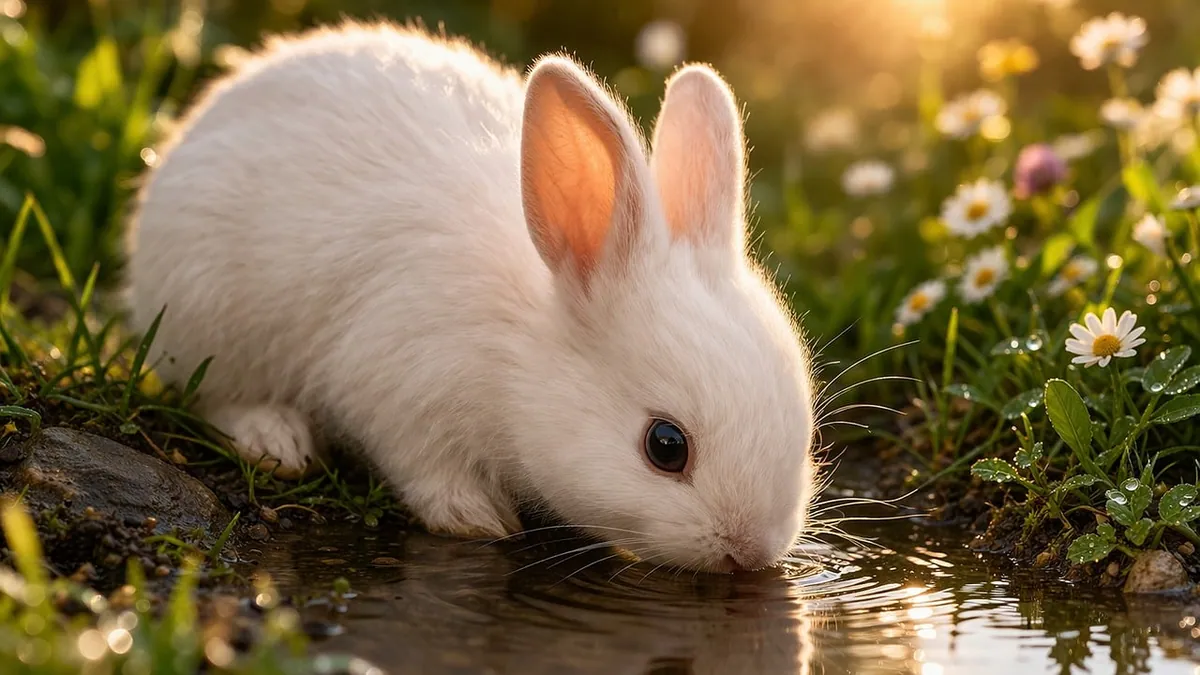
A rabbit not drinking water can be a small change in routine or the first sign of a serious problem like dehydration or gastrointestinal stasis. Rabbits are prey animals, so they often hide illness until they feel very unwell. The sooner you can tell the difference between a picky day and a medical emergency, the better your rabbit's chances.
This article is educational and is not a substitute for veterinary diagnosis or treatment.
Quick Answer
Rabbits on mostly hay and pellets drink more than rabbits eating lots of fresh greens.
- A rabbit that stops eating and stops passing droppings is a medical emergency, because gastrointestinal stasis can develop quickly and is a common reason rabbits are rushed to the vet [1].
- Dehydration shows up as tacky gums, a skin tent that stays up, sunken eyes, and small or dark urine. These signs mean you should call a veterinarian the same day.
- Never withhold food or water from a rabbit, even before surgery. Rabbits cannot vomit, and fasting disrupts normal gut movement [2].
- If your rabbit is not eating but drinking water, that is still abnormal. A rabbit that drinks but refuses food needs veterinary attention, because dental pain and gut problems are common causes.
What Normal Rabbit Water Intake Looks Like
How much water should a rabbit drink?
Water intake in rabbits depends heavily on what they eat. A rabbit on a hay-based diet with limited pellets typically drinks more from a bottle or bowl than a rabbit eating a large bowl of wet leafy greens.
Weather matters too. Rabbits drink more in hot weather and after strenuous activity. Nursing mothers drink far more than normal. If your rabbit is on a high-greens diet, some of their water comes from food, so a lower bowl level can be normal.
What "not drinking" actually looks like
Owners often notice one of these patterns:
- The water bottle level has barely moved in 24 hours.
- The bowl is still full at the end of the day.
- The rabbit approaches the water source but does not drink.
- The rabbit drinks only a few laps and walks away.
- The rabbit is not eating but drinking water, which can look less alarming than it is.
Any of these can be meaningful. The key question is whether your rabbit is also eating, passing normal droppings, and acting like themselves.
Why Is My Rabbit Not Drinking Water? Main Causes
| Cause | Typical clues | How urgent |
|---|---|---|
| Dental disease | Drooling, dropping food, weight loss, eating only soft items, reduced drinking because chewing hurts | Vet visit within 24 to 48 hours |
| Gastrointestinal stasis | Not eating, small or no droppings, hunched posture, teeth grinding, lethargy | Emergency now |
| Pain or stress | Recent change, new pet, travel, surgery, hiding, reduced appetite and drinking | Same-day call if it lasts more than 12 to 24 hours |
| Heat or environment | Hot room, dirty water, bottle malfunction, water tastes odd | Fix immediately, vet if no improvement in a few hours |
| Kidney or urinary disease | Drinking more or less than usual, straining, bloody or cloudy urine, wet bottom | Same-day vet visit |
| Infection or fever | Lethargy, labored breathing, nasal discharge, not eating | Emergency now |
| Gut obstruction or perforation | Severe pain, bloated belly, no droppings, collapse | Emergency now [3] |
Dental disease
Dental disease is the most common non-infectious disease in domestic rabbits, with prevalence reaching up to 40% in some studied populations [4]. A separate study of pet rabbits found that 64.52% had some degree of acquired dental disease, and severity increased with age [5]. When molars overgrow or develop sharp points, chewing becomes painful. A rabbit may drop food, drool, eat only soft treats, and drink less because the water bottle or bowl position hurts.
Gastrointestinal stasis
Gastrointestinal stasis is a syndrome often triggered by other primary conditions, including problems within the GI tract itself [1]. The gut slows down, gas builds up, and the rabbit feels terrible. These rabbits stop eating, stop passing normal droppings, and often stop drinking. This is one of the most common emergencies in pet rabbits [1]. If your rabbit is not eating and not drinking, treat it as urgent.
Pain, stress, and environment
Rabbits are sensitive to change. A new home, a new pet, loud noise, a recent surgery, or a dirty water bottle can all reduce drinking. After surgery, rabbits need to start eating and drinking as soon as possible to restore normal digestive tract function, and hay and water are usually offered soon after the rabbit is awake [2]. If your rabbit had a procedure and is not drinking, call the clinic.
Kidney and urinary problems
Changes in urine color, frequency, or volume can point to kidney or bladder disease. A rabbit with sludge or stones may strain, cry, or dribble urine. Some drink more, some drink less. Any change in urination habits deserves a veterinary check.
Heat and water quality
Rabbits drink more in warm weather, but a hot room can also cause lethargy and reduced intake. Check that the water bottle is working, the bowl is clean, and the water is fresh. Some rabbits refuse water that smells like plastic or has been sitting in the sun.
Red Flags That Mean Emergency
Call an emergency veterinary hospital right away if your rabbit has any of these:
- No droppings for 12 hours or more, or only tiny, misshapen droppings
- Not eating at all for more than 12 hours
- Hunched posture, pressing the belly to the floor, or teeth grinding
- Labored breathing, blue-tinged gums, or collapse
- A bloated, hard, or painful abdomen
- Cold ears and body, or a body temperature that feels low
- Seizures, head tilt, or sudden weakness
- Straining to urinate with no urine produced
A rabbit with a perforated colon or septic peritonitis can show apathy, anorexia, hypothermia, fast heart rate, and abdominal pain [3]. These cases are life-threatening and need immediate care.
Safe Things You Can Do at Home While Waiting
Check hydration with a skin tent
Gently pinch a small fold of skin on the back of your rabbit's neck or between the shoulder blades. Release it. In a well-hydrated rabbit, the skin snaps back quickly. If the tent stays up or returns slowly, your rabbit is likely dehydrated. Check the gums too. They should be pink and moist, not tacky or pale.
Check the urine
Look at the litter box or pee pads. Normal rabbit urine ranges from pale yellow to deep orange or red-brown, and it can look cloudy because rabbits excrete calcium. Small amounts of thick, dark, or sludgy urine suggest your rabbit is not taking in enough water. Blood, strong odor, or straining are reasons to call the vet.
Offer water in different ways
- Try a bowl instead of a bottle, or both at once. Some rabbits prefer one over the other.
- Refresh the water and clean the container thoroughly.
- Add a small amount of unsweetened rabbit-safe juice, like a few drops of apple juice, to tempt drinking. Do not add sugar or honey.
- Offer wet leafy greens like romaine, cilantro, or parsley if your rabbit is still eating.
- Keep the room cool and quiet.
Do not force water
Never syringe water into your rabbit's mouth unless a veterinarian tells you to. Rabbits can inhale liquid into their lungs, which causes pneumonia. If your rabbit is dehydrated, the safest route is subcutaneous or intravenous fluids given by a vet.
Keep offering food
Rabbits should not be fasted, even before surgery, because fasting disrupts normal gut movement [2]. If your rabbit is not eating, offer fresh hay, their usual pellets, and favorite greens. If they still refuse, call your vet.
If you also have a dog at home with similar signs, our guide on a dog not drinking water covers the canine side. For dogs that eat but skip water, see dog not eating but drinking water.
What Your Veterinarian Will Check and Test
Physical exam
Your vet will check your rabbit's weight, body condition, hydration status, gum color, capillary refill time, heart rate, breathing, and abdominal feel. They will look inside the mouth with an otoscope or endoscope to check for sharp molar points, ulcers, or abscesses. They will also check the eyes, ears, and skin for signs of dehydration.
Diagnostic tests
Depending on findings, your vet may recommend:
- Blood work to check kidney values, electrolytes, glucose, and blood cell counts
- Urinalysis to look for crystals, blood, infection, or concentrated urine
- Skull radiographs to evaluate tooth roots and dental disease
- Abdominal radiographs or ultrasound to look for gas, obstruction, or free fluid [3]
- Fecal testing for parasites or abnormal bacteria
Treatment
Treatment depends on the cause. Dehydrated rabbits often need fluids under the skin or into a vein. Pain medication is commonly used for 1 to 2 days after surgery to help rabbits keep eating normally [2]. Rabbits with GI stasis may need motility drugs, pain relief, fluids, and assisted feeding. Dental disease may require trimming or extraction under anesthesia.
Antibiotic choices matter in rabbits. Only a small number of drugs are specifically approved for use in rabbits, and certain oral antibiotics that are safe for other pets can disrupt normal intestinal bacteria and cause severe diarrhea or death [2]. Your vet will choose medications carefully.
If your rabbit is not eating at all, our article on why is my dog not eating explains how appetite loss is evaluated in dogs, though rabbits have their own specific risks.
Prevention and Monitoring
Daily checks
- Weigh your rabbit weekly on a kitchen scale. A 5% weight loss in a month is a reason to call the vet.
- Count droppings daily. A sudden drop in size or number is an early warning.
- Check the water level at the same time each day so you notice changes.
- Look at the urine color and volume.
- Watch how your rabbit chews. Dropping food or tilting the head while eating can signal dental pain.
Diet and environment
- Feed unlimited grass hay as the base of the diet. Hay wears down teeth and supports gut movement.
- Limit pellets and sugary treats.
- Offer fresh leafy greens daily for hydration.
- Keep water bowls and bottles clean and refill at least once a day.
- Provide a cool, quiet space away from dogs, cats, and loud noises.
- Schedule a wellness exam at least once a year, and twice a year for rabbits over 4 years old.
Dental disease prevalence rises with age and is linked to feed type [5]. Wild rabbits with natural diets show much lower rates of dental disease, which supports the role of diet in prevention [4].
Limitations and When to Contact a Veterinarian
This article cannot tell you whether your specific rabbit is dehydrated, in stasis, or dealing with something else. Individual cases need a veterinarian who can examine your rabbit in person.
Call your veterinarian the same day if:
- Your rabbit has not eaten for 12 hours
- Droppings are small, few, or absent for 12 hours
- You see a skin tent that stays up
- Urine is very dark, thick, or bloody
- Your rabbit is quieter than usual but still moving around
Go to an emergency hospital now if:
- Your rabbit is not eating and not drinking
- There are no droppings for 12 to 24 hours
- Your rabbit is hunched, grinding teeth, or pressing the belly down
- Breathing is fast, noisy, or labored
- Your rabbit feels cold or collapses
For routine concerns like a mild decrease in drinking with normal eating and normal droppings, book a regular appointment within a few days. Do not wait a week to see if it improves.
Frequently Asked Questions
How long can a rabbit go without water?
A rabbit can become dangerously dehydrated within 12 to 24 hours, especially in warm weather or if they are also not eating. Water deprivation triggers rapid physiological changes in the body, including shifts in water channel regulation in the brain and kidneys. Do not wait more than a few hours if your rabbit is refusing water and showing other signs like lethargy or no droppings.
Can I give my rabbit water with a syringe?
No, not unless your veterinarian instructs you to. Syringe feeding water can cause aspiration into the lungs, which leads to pneumonia. Dehydrated rabbits need fluids given under the skin or into a vein by a vet. If your rabbit is mildly off water but still eating, try a bowl, fresh water, or wet greens first.
Why is my rabbit drinking less but still eating?
A mild drop in drinking with normal eating, normal droppings, and normal energy can happen with diet changes or cooler weather. Watch closely for 12 to 24 hours. If drinking drops further, or if droppings get smaller, call your vet. Dental pain and early gut slowdown are common reasons rabbits drink less while still nibbling.
Is my rabbit dehydrated if the skin tent stays up?
A skin tent that stays up or returns slowly is a strong sign of dehydration. Check the gums too. They should be pink and moist. If the gums are tacky, pale, or dry, call your vet the same day. Severe dehydration needs fluids, not home remedies.
What if my rabbit is not eating but drinking water?
A rabbit that drinks but refuses food is still abnormal and needs veterinary attention. Dental disease, GI stasis, and pain are common causes. Rabbits cannot vomit, and their gut needs constant movement, so even 12 hours without food can be risky [2][1]. Call your vet or an emergency clinic today.
Related Articles
- My Rabbit Stopped Eating: Causes and What to Do
- Rabbit Not Pooping: Causes, GI Stasis, and What to Do
- Rabbit Not Pooping but Acting Normal: When to Call the Vet
- Rabbit Water Systems: Bottle, Nipple, and Bowl Management
References
- Rabbit Gastroenterology. The veterinary clinics of North America. Exotic animal practice, 2025.
- Illness of Rabbits - All Other Pets. Merck Veterinary Manual.
- Pneumoperitoneum Secondary to Colonic Perforation in a Domestic Rabbit. Animals : an open access journal from MDPI, 2026.
- Dental and skeletal findings of 140 wild rabbits (Oryctolagus cuniculus) in Finland 2010-2015. Acta veterinaria Scandinavica, 2026.
- Age and Diet-Related Associations With Acquired Dental Disease in Pet Rabbits. Journal of veterinary dentistry, 2026.