Why Is My Hamster Not Pooping? Constipation and Blockage
By Dr. Zubair Khalid, DVM, MS, PhD ·
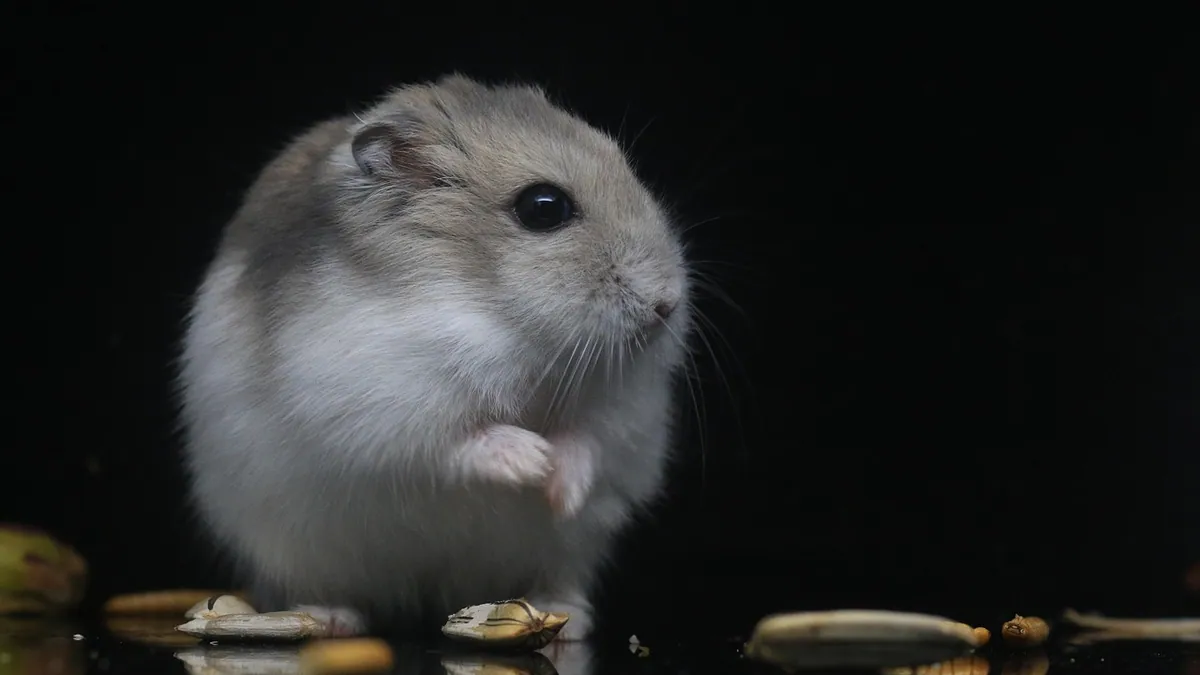
If your hamster is not pooping, the first step is to confirm it. Hamsters often hide or eat their droppings, so an empty cage does not always mean a problem. A true lack of stool, especially with a swollen belly or a hamster that has stopped eating, needs a veterinarian quickly.
This article is educational and is not a substitute for veterinary diagnosis or treatment.
Quick Answer
- Hamsters are naturally coprophagic, meaning they eat their own droppings, so you may not see normal stool even when everything is fine [1].
- A hamster that has not passed droppings for 24 hours, or that has a hard, bloated belly, should be seen by a veterinarian the same day.
- The most common causes of reduced stool are low fiber, dehydration, and stress, but a true blockage is life threatening.
- Never give your hamster human laxatives, enemas, or home remedies. Doses and treatments are set by a veterinarian based on your pet's weight and health.
- Watch for drooling, not eating, hunching, or lethargy, since hamsters cannot vomit and these signs can point to serious digestive trouble.
What "Not Pooping" Looks Like and What Is Normal
Hamsters produce small, firm, dark droppings that look like tiny grains of rice. A healthy hamster passes stool frequently, often several times a day. The catch is that hamsters eat much of their own stool, a normal behavior called coprophagy [1]. That means you may rarely see droppings in the cage, even when your hamster is perfectly healthy.
Because of this habit, owners often worry without a real problem. Before you panic, check the bedding near the sleeping area, the wheel, and any corners. Look for fresh droppings over a full day. If you find none and your hamster seems unwell, that is a different story.
Species matters a little here. Syrian hamsters are larger, with a head-and-body length of about 170 to 180 mm and a weight of 110 to 140 g, and females are bigger than males [1]. Dwarf hamsters such as the Djungarian and Roborovsky hamsters are much smaller, so their droppings are tiny and easy to miss [1]. A dwarf hamster not pooping can be harder to confirm at home simply because the stool is so small.
Why Is My Hamster Not Pooping? Main Causes
Reduced or absent stool usually comes down to a handful of causes. Some are mild and fixable. Others are emergencies.
| Cause | Typical clues | How urgent |
|---|---|---|
| Low fiber or poor diet | Soft or absent stool, normal energy, recent diet change | See a vet within a day or two |
| Dehydration | Dry stool, sunken eyes, skin that stays tented, low energy | Same day |
| Stress or a new environment | Recent move, new cage mate, hiding, mild appetite change | Monitor closely, vet if it lasts |
| Gut slowdown (ileus) | Bloated belly, no stool, not eating, hunched posture | Emergency |
| Intestinal blockage | No stool, hard swollen belly, drooling, severe lethargy | Emergency now |
| Pain or illness elsewhere | Hunching, grumpy behavior, eating less | Same day |
Constipation itself is the infrequent or difficult passing of feces, which are typically dry and hard [2]. As stool sits in the colon longer, it becomes drier, harder, and harder to pass [2]. When constipation becomes intractable and the hamster cannot evacuate the mass of dry, hard feces, that is called obstipation, and impaction can extend from the rectum up toward the small intestine [2]. This is the stage where a hamster is in real danger.
Diet plays a role in stool quality. Fiber affects how food moves through the gut and how much waste is produced. In hamster research, different types of dietary fiber changed how much fecal material and bile acid the animals excreted [3][4]. A diet low in fiber can slow things down, while a sudden switch can also upset the gut.
Dehydration is another common trigger. A hamster that is not drinking enough, or that has diarrhea from another cause, can become constipated as the body pulls water from the stool.
Stress matters too. A new cage, a noisy room, or a change in routine can reduce eating and drinking, which then reduces stool output.
Red Flags That Make It an Emergency
Some signs mean you should stop reading and call a veterinarian now.
- No droppings for 24 hours or more, especially with a swollen belly
- A hard, distended, or painful abdomen
- Drooling or pawing at the mouth (hamsters cannot vomit, so drooling can signal serious digestive upset)
- Not eating or drinking
- Hunching in a corner, reluctance to move, or severe lethargy
- Labored breathing or a cold body
- Diarrhea followed by no stool
A hamster that stops pooping and also stops eating is a hamster in trouble. Small pets decline fast. A blockage or severe ileus can become fatal within a day or two without treatment.
If you are unsure whether your hamster is truly blocked, call your veterinarian. It is far better to be told it is nothing than to wait too long.
Safe Things You Can Do at Home While You Wait
Home care is limited, and that is on purpose. Hamsters are fragile, and the wrong remedy can cause harm.
Do these things:
- Offer fresh water in a clean bottle or bowl. Check that the sipper works. Stainless steel sipper tubes placed close to the floor are recommended for Syrian hamsters, since they can bite through glass [1].
- Offer a small amount of fresh leafy greens or a plain piece of a high-fiber vegetable if your hamster is still eating. Introduce any new food slowly.
- Keep the cage quiet, warm, and dark. Stress slows the gut.
- Gently check the belly. If it feels hard, tight, or your hamster cries or flinches, stop and call the vet.
- Note the time of the last confirmed dropping, what your hamster ate, and any other signs. This helps your vet.
Do not do these things:
- Do not give human laxatives, stool softeners, or fiber supplements.
- Do not give an enema. This can rupture the bowel.
- Do not force food or water into the mouth.
- Do not try to make your hamster vomit. Hamsters cannot vomit, and this is dangerous.
- Do not wait more than a day if your hamster is not eating.
If your hamster is still eating and active but you have not seen stool, keep watching for 12 to 24 hours. If nothing changes, call your vet.
What Your Veterinarian Will Check and Test
Your veterinarian will start with a full physical exam. They will feel the abdomen gently to check for a hard stool mass, gas, or a possible blockage. They will also check hydration, body condition, and the teeth, since dental pain can stop a hamster from eating.
Expect questions about diet, water intake, recent changes, and how long you have noticed the problem.
Testing may include:
- Radiographs (X-rays): These can show an impacted colon or a blockage. In small animals, an impacted colon is often confirmed on physical examination and radiographs [2].
- Ultrasound: Sometimes used to look at the gut and other organs.
- Fecal check: To look for parasites or other causes.
- Blood work: Less common in tiny patients, but sometimes helpful.
Treatment depends on the cause. Mild constipation may respond to diet changes and fluids. More severe cases, such as obstipated patients, may need enemas, and when the colon is irreversibly distended and hypomotile, surgery may be required [2]. Your veterinarian will decide what is safe for your hamster's size and condition.
If your hamster has a blockage, surgery may be the only option. Your vet will discuss the risks honestly, because anesthesia in tiny pets carries real risk.
How to Prevent Constipation and Monitor Your Hamster
Prevention comes down to routine and diet.
- Feed a balanced diet. A quality commercial hamster food plus small amounts of fresh vegetables supports gut health. Place pelleted food on the cage floor, since Syrian hamsters have broad muzzles that often prevent them from eating from feed hoppers [1].
- Keep water available at all times. Check the bottle daily.
- Add fiber gradually. Sudden diet changes can backfire.
- Keep the cage clean but not sterile. Spot-clean daily so you can track droppings.
- Limit stress. Keep the cage in a quiet spot away from loud noises and other pets.
- Watch weight and appetite. A hamster that stops eating is a hamster to worry about.
Track your hamster's normal pattern for a week. Once you know how often you usually see droppings, changes become obvious. If you have other pets, the same principle applies. A dog not pooping but eating normally has its own set of causes, and a cat not pooping but eating normally can also signal trouble. The signs differ by species, but the lesson is the same: know your pet's normal.
Limitations and When to Contact a Veterinarian
This article cannot tell you whether your specific hamster has constipation or a blockage. Only a veterinarian can examine your pet, feel the abdomen, and run tests. Individual cases need a veterinarian.
Call your veterinarian the same day if:
- Your hamster has not pooped in 24 hours
- Your hamster is eating less or not at all
- The belly looks swollen or feels hard
- You see drooling, hunching, or unusual lethargy
Go to an emergency clinic now if:
- Your hamster is collapsed, cold, or barely responsive
- The abdomen is rigid and painful
- Your hamster is gasping or breathing hard
- There is blood in the stool or around the rear
Schedule a routine visit if:
- Stool seems smaller or less frequent than usual but your hamster is otherwise fine
- You recently changed the diet and want guidance
- You want to review your hamster's diet and housing setup
Do not wait to see if things improve on their own when your hamster is clearly unwell. Small rodents can go downhill in hours.
Frequently Asked Questions
How long can a hamster go without pooping?
A healthy hamster passes stool many times a day, so a full 24 hours with no droppings is a warning sign. Because hamsters eat their own stool, you may not see every dropping, but a complete absence for a day or more deserves a vet call. If your hamster also stops eating or looks bloated, treat it as urgent.
Can I give my hamster a laxative?
No. Never give a hamster human laxatives, stool softeners, or enemas. These can cause severe harm or death in such a small animal. Your veterinarian will decide if any treatment is safe and will calculate any dose from your hamster's weight and health.
Is my Syrian hamster not pooping because of its diet?
Diet is one possible cause, especially if the food is low in fiber or was changed suddenly. Syrian hamsters need a balanced diet and constant access to water. If diet changes do not help within a day, or if your hamster seems sick, see a veterinarian.
Why is my dwarf hamster not pooping?
Dwarf hamsters are very small, so their droppings are easy to miss and hard to confirm. A dwarf hamster not pooping may simply have stool hidden in the bedding. If you truly see none and your hamster is eating less or acting tired, call your vet.
Can a blockage in a hamster fix itself?
A true blockage usually does not resolve on its own and can be fatal without treatment. Some cases of constipation improve with fluids and diet changes, but obstipation and impaction often need veterinary care, and surgery may be required when the colon is severely distended [2]. Do not wait if your hamster has a hard, swollen belly or has stopped eating.
Related Articles
- Why Is My Hamster Not Eating? Causes and Next Steps
- Why Is My Hamster Not Drinking Water? Causes and Warning Signs
- Why Is My Hamster Peeing and Pooping So Much?
References
- Hamsters - Exotic and Laboratory Animals. Merck Veterinary Manual.
- Constipation, Obstipation, and Megacolon in Small Animals - Digestive System. Merck Veterinary Manual.
- Cholesterol-lowering effect of non-viscous soluble dietary fiber Nutriose6 in moderately hypercholesterolemic hamsters. Indian journal of experimental biology, 2011.
- Dietary hydroxypropyl methylcellulose increases excretion of saturated and trans fats by hamsters fed fast food diets. Journal of agricultural and food chemistry, 2011.