Why Is My Guinea Pig Drinking So Much Water?
By Dr. Zubair Khalid, DVM, MS, PhD ·
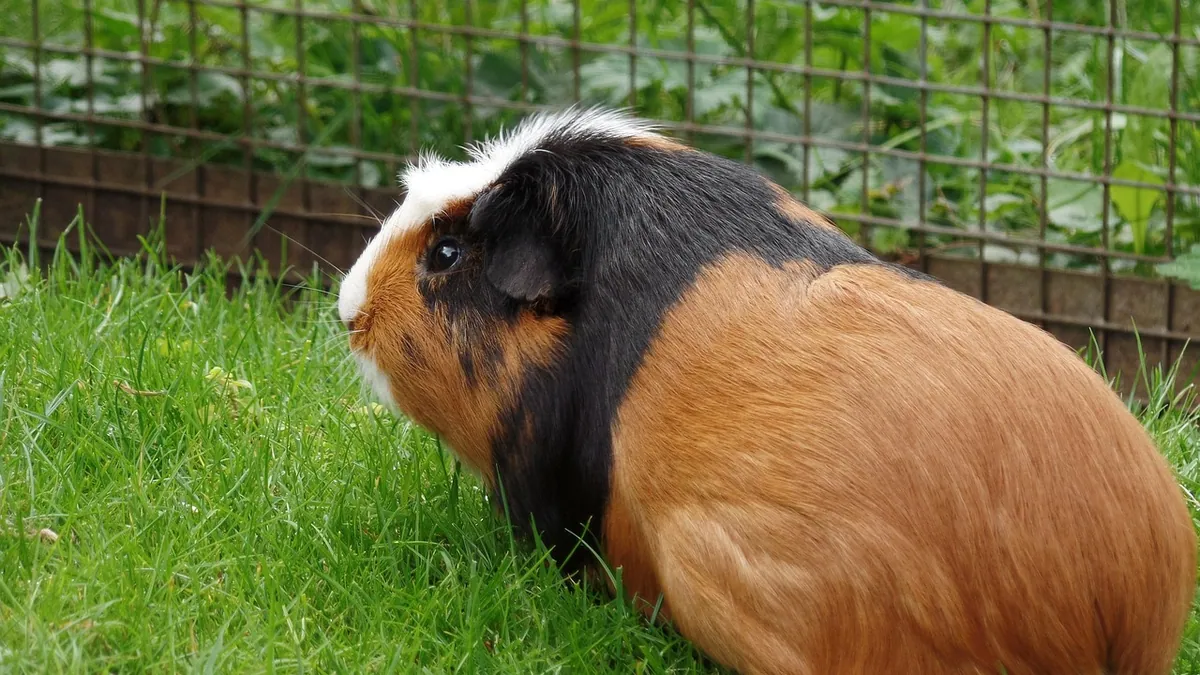
If your guinea pig is suddenly draining the bottle, or drinking far more than usual for more than a day or two, that change is worth investigating. This article explains why is my guinea pig drinking so much water, what counts as normal, and when the sign points to a health problem that needs a veterinarian.
This article is educational and is not a substitute for veterinary diagnosis or treatment.
Quick Answer
- A true increase in drinking (called polydipsia) is most often linked to diabetes, kidney problems, diet changes, heat, or a water bottle that is leaking or positioned differently.
- Measure intake over 24 hours and weigh your guinea pig weekly. Weight loss plus heavy drinking is a stronger warning sign than drinking alone.
- Never restrict water. Guinea pigs can dehydrate quickly, and limiting fluids is dangerous.
- Book a vet visit within a day or two for a sudden, sustained increase, and seek emergency care if your guinea pig stops eating, seems weak, or is breathing hard.
What Normal Guinea Pig Drinking Looks Like
How much water does a guinea pig normally drink?
That range is wide because so much depends on the individual animal and its environment. A guinea pig eating lots of watery greens such as lettuce or cucumber may drink very little from the bottle. A guinea pig on mostly dry pellets and hay in a warm room may drink near the top of that range.
The number matters less than the pattern. Sudden change is the signal, not the raw volume.
Why is my guinea pig not drinking water?
Owners often worry about the opposite problem, and it helps to know both. If your guinea pig is eating well, passing normal droppings, and staying active, a low water intake is often fine, especially if it eats fresh vegetables. Water content in food counts toward hydration. However, a guinea pig that stops drinking and also stops eating, or that produces small, dry droppings, needs veterinary attention. Dental pain is a common reason guinea pigs reduce both eating and drinking, because chewing hurts. Dental disease in guinea pigs can cause drooling, weight loss, mouth bleeding, and tooth root infections [1].
Do guinea pigs drink a lot of water compared with other pets?
Guinea pigs drink more per pound than many people expect, partly because they are hindgut fermenters that eat a high-fiber diet. They also lose water through their droppings and urine. If you are comparing your guinea pig to a dog or cat, the comparison will not be useful. If you keep other small pets, the same logic applies across species. A rat drinking more than usual, for example, raises the same questions about diabetes and kidney function that it does in a guinea pig.
Why Is My Guinea Pig Drinking So Much Water? Main Causes
The table below lists the most common reasons a guinea pig drinks more than normal, the clues that go with each one, and how quickly you should act.
| Cause | Typical clues | How urgent |
|---|---|---|
| Diabetes mellitus | Heavy drinking, heavy eating, weight loss, cloudy or sweet-smelling urine, cataracts | See a vet within a few days |
| Kidney disease | Increased drinking and urination, weight loss, poor coat, reduced appetite | See a vet within a few days |
| Hot environment | Panting, lying stretched out, drinking more on warm days | Fix the temperature today, call the vet if it does not improve |
| Diet change | More dry pellets, fewer vegetables, new hay | Monitor for 2 to 3 days |
| Water bottle problem | Bottle leaking, ball stuck, bottle moved lower or higher | Check and fix right away |
| Vitamin D excess | Poor appetite, weight loss, increased drinking and urination | See a vet promptly |
| Ovarian cysts (females) | Hair loss on flanks and belly, enlarged abdomen, increased drinking and eating | See a vet within a few days |
| Pain or dental disease | Drooling, dropping food, weight loss, reduced eating | See a vet within a day or two |
| Behavioral or boredom drinking | Drinking in bursts, normal weight and appetite, otherwise healthy | Watch and enrich the environment |
Diabetes mellitus
Diabetes is a real diagnosis in guinea pigs, and increased drinking is one of its classic signs. In one report, a nine-month-old female guinea pig was brought in because of a cataract and increased appetite, and testing showed high blood glucose, high blood lipids, and glucose in the urine [2]. Another report described a three-year-old female guinea pig with a history of increased drinking, increased appetite, and hyperactivity along with hair loss, and she was diagnosed with diabetes mellitus plus ovarian cysts [3]. Many diabetic guinea pigs are overweight and improve with diet changes, while some need insulin [2]. If your guinea pig is drinking a lot and still hungry all the time but losing weight, diabetes belongs on the list.
Kidney disease
The kidneys control how much water the body keeps or passes. When they are damaged, a guinea pig drinks more to make up for the water being lost in dilute urine. In one group of guinea pigs, three animals showed increased drinking and urination along with dilute urine, and examination after death found kidney scarring and mineral deposits in the kidney tubules [4]. Kidney disease is not something you can diagnose at home. Bloodwork and a urine test are needed.
Heat and environment
Guinea pigs handle cold better than heat. On a hot day, or in a room above about 80°F, a guinea pig may drink more and eat less. This is a normal response, but heat stress can become an emergency. Move the cage out of direct sun, improve airflow, and offer a cool tile or frozen water bottle wrapped in a towel. If your guinea pig is panting, limp, or unresponsive, that is an emergency.
Diet changes
A switch from fresh greens to more dry pellets, or a batch of hay that is drier than usual, can raise water intake. This is usually harmless and settles within a few days. Keep the diet stable and make changes slowly. Sudden diet changes can also upset the gut, which is a separate problem.
Water bottle problems
Before you assume illness, check the bottle. A leaking bottle can empty overnight and make it look like your guinea pig drank far more than it did. A stuck ball bearing, a bottle hung too high, or a bottle that drips constantly all change how much your pet actually takes in. Refill the bottle to a marked line, check it again in 24 hours, and watch your guinea pig drink to confirm the bottle works.
Vitamin D excess
Too much vitamin D in the diet can cause serious problems. In one report, guinea pigs fed a commercial pelleted diet that turned out to contain more than 150 times the normal vitamin D3 level developed poor appetite, weight loss, and in some cases increased drinking and urination, along with kidney damage [4]. This is rare, but it is a reminder to use a plain, guinea pig specific pellet and not to add supplements without veterinary advice.
Ovarian cysts and hormonal disease
In female guinea pigs, hormonally active ovarian cysts can cause hair loss on the flanks and belly, a swollen abdomen, and changes in drinking and appetite. In the case described earlier, removing the ovaries resolved the diabetes and all of the clinical signs [3]. If your female guinea pig has symmetric hair loss and a round belly, ask your vet about ovarian cysts.
Pain, dental disease, and stress
Pain can change drinking in either direction. Dental disease is common in guinea pigs because their teeth grow continuously, and misalignment can cause pain while chewing, drooling, weight loss, and difficulty eating [1]. A guinea pig in pain may drink more to soften food, or drink less because it hurts to chew. Stress from a new cage mate, a move, or a noisy room can also change drinking patterns.
Behavioral drinking
Sometimes the cause is not medical. Young animals that are adjusting to a new diet may drink excessively as a way to fill the stomach, a pattern seen in newly weaned pigs that drink more while adapting to solid food [5]. Guinea pigs can also drink out of boredom. If your guinea pig is a healthy weight, eating well, and otherwise normal, boredom drinking is possible, but it should be a diagnosis of exclusion after medical causes are ruled out.
Red Flags That Mean Emergency Care
Call an emergency veterinary hospital right away if your guinea pig:
- Stops eating or stops passing droppings
- Breathes with effort, or breathes with the mouth open
- Collapses, seems weak, or cannot stand
- Has a bloated, hard, painful belly
- Is straining to urinate, or has not urinated in many hours
- Has a body temperature problem (very hot to the touch, or cold and limp)
- Is having seizures or tremors
Guinea pigs hide illness well and can decline quickly. When in doubt, call. Do not wait to see if things improve overnight.
What You Can Do at Home While You Wait
Measure the water intake properly
Fill the bottle to a marked line and check it at the same time each day for 24 to 48 hours. Write down the amount. Note how much fresh food you offer, since watery vegetables reduce bottle drinking. Also track urine output by checking how wet the bedding is, and note the color and smell.
Weigh your guinea pig
Use a kitchen scale and weigh your guinea pig at the same time of day, ideally before the first feeding. Weekly weights are enough for a stable pet, but daily weights help if you are worried. Weight loss of any amount in a guinea pig that is drinking heavily deserves a vet call.
Keep water clean and available
Change the water daily, scrub the bottle and nozzle, and offer water in a bowl as well as a bottle if your guinea pig will use one. Never limit water to try to reduce drinking. Restricting fluids can cause serious harm.
Check the environment
Keep the room between about 65°F and 75°F, out of direct sun, with good airflow. Provide shade and a cool surface on warm days. Keep the cage away from drafts and loud noises.
Do not change the diet suddenly
Keep hay available at all times, since hay supports both teeth and gut health. If you want to adjust pellets or vegetables, do it slowly and write down what you change and when. Avoid supplements unless your veterinarian recommends them.
Watch for other signs
Note drooling, eye or nose discharge, hair loss, changes in droppings, and changes in activity. These details help your vet narrow down the cause. If you also have a dog or cat at home, some of the same signs show up in them, and the general approach to a pet that drinks more than usual is similar across species. You can read more about it in guides such as Why Is My Dog Drinking So Much Water? and Why Is My Cat Drinking So Much Water?.
What Your Veterinarian Will Check and Test
Your vet will start with a full history: how much your guinea pig drinks, what it eats, how much it weighs, and what has changed recently. Then comes a physical exam, including checking the teeth with an otoscope, feeling the abdomen, and listening to the heart and lungs.
Common tests include:
- Blood glucose and fructosamine, which help diagnose diabetes [2][3]
- A urine test, including glucose and specific gravity. Dilute urine supports a diagnosis of excessive drinking and urination [4]
- Bloodwork to check kidney values, calcium, and other markers [4]
- Imaging such as ultrasound, which can identify ovarian cysts and uterine changes in females [3]
- A dental exam, since dental disease is common and can change eating and drinking [1]
Treatment depends on the cause. Diabetes may respond to diet changes alone, and some guinea pigs need insulin, with doses calculated by the veterinarian based on the individual animal's weight and test results [2]. Ovarian cysts may be treated with surgery, and in one case removing the ovaries resolved the diabetes completely [3]. Kidney disease is managed with supportive care, fluids, and diet adjustments. Heat stress is managed by cooling and supportive care.
Prevention and Long-Term Monitoring
- Weigh your guinea pig weekly and keep a simple log.
- Refill and clean the water bottle daily, and check for leaks.
- Feed unlimited grass hay, plain guinea pig pellets, and a small amount of fresh vegetables rich in vitamin C.
- Keep the room temperature comfortable and stable.
- Book a wellness exam at least once a year, and twice a year for guinea pigs over age 5, since tumors and other problems become more common with age [1].
- If your guinea pig lives alone, consider a companion, because health problems in single-housed guinea pigs often relate to aging, dental disease, reproductive issues, injuries, or poor care [1].
Limitations and When to Contact a Veterinarian
No article can tell you what is wrong with your specific guinea pig. The amount of water a guinea pig drinks is only one clue, and it has to be read together with weight, appetite, droppings, and behavior. Individual cases need a veterinarian who can examine your pet and run tests.
Contact your veterinarian the same day if your guinea pig has a sudden, sustained increase in drinking, is losing weight, has cloudy or sweet-smelling urine, or has hair loss and a swollen belly. Book a routine visit within a week if the change is mild but persistent, or if you simply want peace of mind.
Go to an emergency hospital now if your guinea pig stops eating, stops passing droppings, breathes with effort, collapses, has a bloated belly, or strains to urinate. Do not wait for a regular appointment in those situations.
Frequently Asked Questions
Is it normal for guinea pigs to drink a lot of water?
It can be normal if the amount is stable and your guinea pig is eating, pooping, and behaving normally. The wide normal range means a heavy drinker is not automatically sick. What matters is a change from your guinea pig's own baseline, especially if it comes with weight loss or other signs.
Why is my guinea pig drinking so much water but acting normal?
A guinea pig can drink more because of heat, a diet change, or a leaking bottle and still seem fine. Early diabetes and early kidney disease can also look normal at first. Measure the intake for 24 to 48 hours, weigh your guinea pig, and call your vet if the increase continues or if weight drops.
Can guinea pigs drink too much water?
Yes, though it is uncommon. Drinking far more than the body needs can dilute the blood and stress the kidneys, and the body normally defends against this by passing the extra water in urine. The bigger risk for owners is the opposite mistake, which is limiting water. Never restrict your guinea pig's water.
Should I take away the water bottle at night?
No. Guinea pigs need constant access to fresh water, day and night. Removing the bottle can cause dehydration and does nothing to fix the underlying cause of heavy drinking. If you are worried about leaks, use a bottle with a good seal and check it before bed.
How do I know if my guinea pig is dehydrated?
Gently pinch the skin on the back of the neck. If it stays tented instead of springing back, your guinea pig may be dehydrated. Other signs include dry gums, sunken eyes, small dry droppings, and lethargy. Dehydration is an emergency, so call your veterinarian right away.
Related Articles
- Guinea Pig Not Drinking Water: Causes and When to Worry
- Is It Normal for Guinea Pigs to Poop and Pee a Lot?
- Why Is My Guinea Pig Peeing Blood?
References
- Common Health Problems of Guinea Pigs - All Other Pets. Merck Veterinary Manual.
- Successful Insulin Glargine Treatment in Two Pet Guinea Pigs with Suspected Type 1 Diabetes Mellitus. Animals : an open access journal from MDPI, 2021.
- Remission of diabetes mellitus after ovariohysterectomy in a guinea pig with ovarian cysts. Tierarztliche Praxis. Ausgabe K, Kleintiere/Heimtiere, 2019.
- Hypervitaminosis D in guinea pigs with α-mannosidosis. Comparative medicine, 2013.
- Effect of drinker type on water intake and waste in newly weaned piglets. Journal of animal science, 2008.