Why Is My Guinea Pig Itching? Mites, Ringworm and More
By Dr. Zubair Khalid, DVM, MS, PhD ·
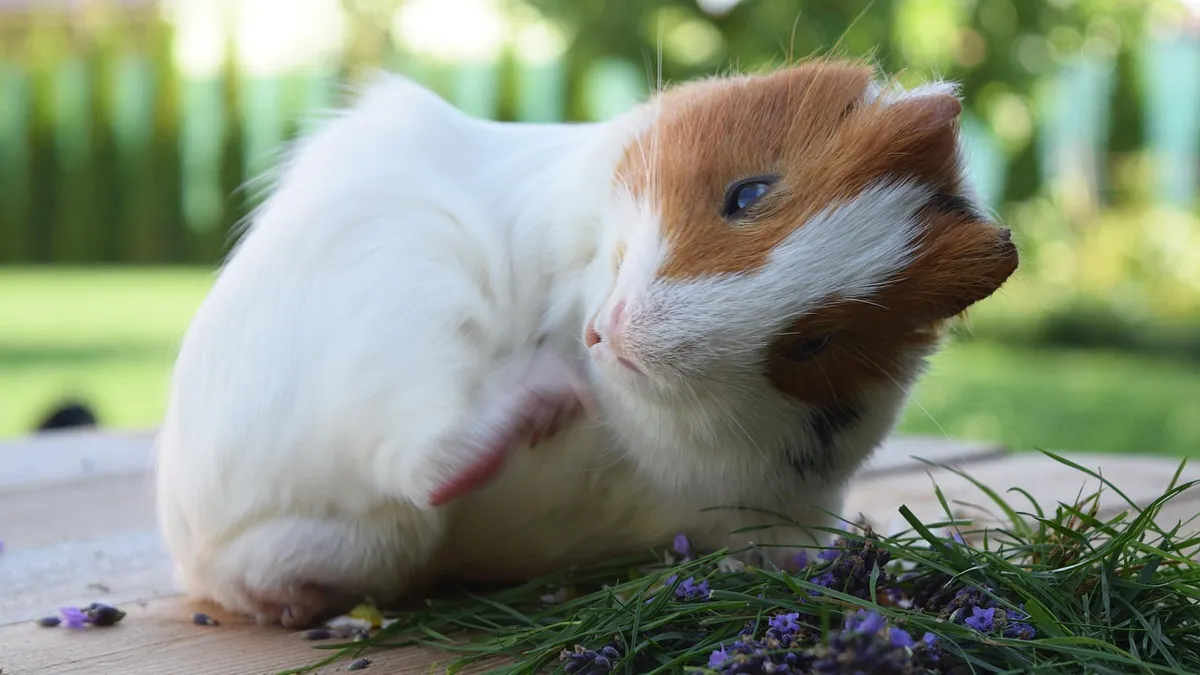
Guinea pigs scratch, groom, and nibble themselves every day, so some itching is normal. Problem itching usually looks different: it is frequent, intense, and often comes with hair loss, scabs, or crusty skin. If you are asking "why is my guinea pig itching" and the scratching seems constant or the coat is changing, a parasite or fungal infection is the likely reason.
This article is educational and is not a substitute for veterinary diagnosis or treatment.
Quick Answer
- Occasional scratching during grooming is normal. Constant scratching, biting at the skin, or twitching is not.
- The most common causes of problem itching in guinea pigs are mites, lice, and ringworm (a fungal infection) [1].
- Mites can cause severe itching, hair loss, weight loss, and even seizures in heavy infestations [1].
- Never use flea products made for dogs or cats on a guinea pig. Many contain ingredients that are toxic to small pets.
- Any guinea pig with hair loss, scabs, or frantic scratching needs a veterinary exam, because treatment depends on the exact cause.
What Normal Grooming Looks Like and What Problem Itching Looks Like
Guinea pigs are fastidious animals. They groom their faces, flanks, and bellies with their front paws, and they scratch behind the ears or along the back. A healthy guinea pig might do this several times a day, especially after eating or when settling down to rest.
Normal grooming is brief and casual. The pig stops, moves on, and eats normally. The coat stays smooth and full.
Problem itching looks different in a few ways:
- The scratching is frequent, sometimes almost nonstop.
- Your guinea pig bites, chews, or pulls at its own skin.
- You see hair loss, thinning patches, or bald areas.
- The skin looks red, crusty, scaly, or scabby.
- Your pet seems uncomfortable, restless, or frantic [1].
- It may squeal, twitch, or jump when touched.
- Eating and weight may drop [1].
Some guinea pigs with severe mite infestations act so distressed that owners mistake the behavior for a seizure or a neurological problem. In heavy infestations, seizures and death can occur [1].
Common Causes of Itching in Guinea Pigs
Several conditions cause itching in guinea pigs. The table below gives a quick comparison, and the sections after it explain each one.
| Cause | Typical clues | How urgent |
|---|---|---|
| Mites (including Trixacarus caviae) | Intense itching, hair loss on inner thighs, shoulders, and neck, crusty skin, weight loss, frantic behavior [1] | Urgent. Can become severe and even life threatening [1] |
| Lice | Itching, hair loss, inflamed skin around the neck and ears in severe cases, lice visible on hair with a magnifying glass [1] | See a vet soon. Contagious to other guinea pigs [1] |
| Ringworm (dermatophytosis) | Patches of hair loss, scaly or crusty skin, sometimes mild itching | See a vet soon. Contagious to other pets and to people [2][3] |
| Barbering (hair chewing) | Patchy hair loss without much itching, often in group-housed pigs | Routine visit |
| Fighting injuries | Wounds, scabs, missing hair from bites | Depends on wound severity |
| Bumblefoot (pododermatitis) | Swollen, sore feet, limping, reluctance to move [1] | See a vet soon |
| Cystic ovarian disease | Hair loss on the flanks and belly that does not itch, plus a swollen abdomen [4] | Routine visit |
Mites
Mites are one of the most common and most miserable causes of itching in guinea pigs. Several types exist, and the severity depends on which mite is involved. Some mites burrow into the skin and cause intense itching, hair loss, and inflammation, often on the inner thighs, shoulders, and neck [1].
Mites spread through direct contact with an infected guinea pig or through contaminated bedding [1]. This means a new guinea pig can bring mites into your home, and mites can move through a group quickly.
The itching from burrowing mites is not mild. Affected guinea pigs may lose weight or act frantic, and some develop bacterial skin infections on top of the mite damage [1]. Severe infestations can cause seizures and death [1].
Veterinarians diagnose mites by examining skin scrapings under a microscope [1]. Treatment usually involves injections or topical medications applied to the skin [1].
One report describes a guinea pig with a severe Trixacarus caviae infestation that was treated successfully with a single oral dose of afoxolaner at 2.50 mg/kg [5]. That dose came from a veterinarian managing one specific case. Do not try to calculate or give this medication yourself. Guinea pig drug dosing is precise and mistakes can be fatal.
Lice
Lice are another common external parasite in guinea pigs. They cause itching, hair loss, and inflamed skin, especially around the neck and ears when the infestation is heavy [1]. Unlike mites, lice are often visible. You can see them on the hair with a magnifying glass [1].
Lice spread between guinea pigs, so if you have more than one, assume the others are at risk. Treatment is usually topical [1]. Keeping the cage clean helps prevent lice from spreading [1].
Ringworm
Ringworm is a fungal infection, not a worm. It causes patches of hair loss and can make the skin scaly or crusty. It is contagious to other pets and to people, so it matters for the whole household [2][3].
A study of 85 guinea pigs in Southern California shelters and rescues found that one animal (1.18%) tested positive for Trichophyton benhamiae by culture, PCR, and next-generation sequencing [2]. That is a low rate in that group, but ringworm still shows up regularly in pet guinea pigs, especially those recently adopted from a shelter or rescue [2].
Ringworm can pass from guinea pigs to humans. One report described a teenage girl who was bitten while breaking up a fight among her three guinea pigs and later developed a skin infection caused by a fungus that molecular testing linked to the guinea pigs [3]. This is a reminder to wash your hands after handling your pets and to have any new skin lesions checked by your own doctor.
If you suspect ringworm, our article on Guinea Pig Ringworm Signs walks through what to look for. For a deeper clinical overview, see Ringworm In Guinea Pigs: Comprehensive Veterinary Reference Guide.
Barbering, Fighting, and Other Causes
Not every bald patch means parasites. Guinea pigs sometimes chew their own hair or the hair of their cagemates, a behavior called barbering [1]. The hair loss can look dramatic, but the skin underneath is usually normal and the pig does not seem itchy.
Fighting injuries cause scabs and missing hair from bites [1]. Bumblefoot, or pododermatitis, is inflammation of the foot pads and causes sore feet, limping, and reluctance to move [1].
In female guinea pigs, cystic ovarian disease can cause hair loss on the flanks and belly. That hair loss is typically nonpruritic, meaning it does not itch [4]. Other signs include a swollen abdomen, a palpable mass, decreased appetite, and lethargy [4]. This condition is diagnosed with ultrasound and treated with surgery [4].
Red Flags That Mean Emergency Care
Some signs mean your guinea pig needs to be seen right away.
- Seizures, twitching, or collapse [1]
- Extreme distress, frantic scratching, or inability to settle
- Not eating or drinking
- Rapid weight loss
- Open sores, bleeding, or skin that looks infected
- Trouble breathing
- A guinea pig that is suddenly very weak or unresponsive
Severe mite infestations can cause seizures and death, so do not wait if your pet is showing these signs [1]. Breathing problems are also serious in guinea pigs, because bacterial pneumonia is common in the species and can worsen quickly [6]. If you notice labored breathing, our article on Guinea Pig Respiratory Infections: Causes, Signs, and Treatment explains what to watch for.
Safe Things You Can Do at Home While You Wait
You cannot diagnose or cure mites, lice, or ringworm at home. What you can do is keep your guinea pig comfortable and prevent spread.
- Do not use flea products made for dogs or cats. Many contain ingredients that are toxic to guinea pigs. This is one of the most common and most dangerous mistakes owners make.
- Do not use human antifungal creams, shampoos, or ointments unless your veterinarian specifically prescribes them.
- Isolate the itchy guinea pig from cagemates if you have more than one, since mites and lice spread by contact [1].
- Clean and replace bedding frequently. Good sanitation helps prevent mite and lice infestations [1].
- Reduce stress. Stress makes skin problems worse and slows healing [1].
- Keep the cage dry. Damp bedding irritates skin and supports fungal growth.
- Offer fresh water and plenty of hay. A sick guinea pig may eat less, and guinea pigs cannot make their own vitamin C, so poor intake can lead to other problems [6].
- Wash your hands after handling your guinea pig, especially if ringworm is a possibility [2][3].
- Take photos of the skin and hair loss. This helps your vet see how the problem has changed over time.
If you have other pets, keep them away from the affected guinea pig until your vet gives the all clear. Ringworm can spread between species [2][7].
What Your Veterinarian Will Check and Test
Your vet will start with a full physical exam. They will look at the pattern of hair loss, the condition of the skin, and whether your guinea pig seems painful or itchy when touched. They will also weigh your pet, listen to the heart and lungs, and check the feet for bumblefoot [1].
Expect some of these tests:
- Skin scrapings. The vet scrapes a small amount of skin and examines it under a microscope to look for mites [1].
- Hair and scale examination. This can reveal lice or fungal elements [1].
- Fungal culture or PCR. These tests identify ringworm when the diagnosis is unclear [2].
- Wood's lamp exam. Some vets use this as a quick screening tool for certain fungi.
- Blood work or imaging. If your guinea pig is very ill, has breathing trouble, or the vet suspects another condition, they may recommend blood tests or radiographs [6].
If your guinea pig is a female with flank hair loss and a swollen abdomen, your vet may recommend an ultrasound to check for cystic ovarian disease [4].
Treatment depends on the diagnosis. Mites are treated with injections or topical medications [1]. Lice are usually treated topically [1]. Ringworm needs antifungal treatment, and your vet will tell you how to handle your pet safely during treatment to avoid spreading it to people [2][3].
Prevention and Monitoring
You cannot prevent every skin problem, but you can lower the risk.
- Quarantine new guinea pigs for at least a few weeks before introducing them to your existing pets. Mites and lice spread by contact, and new pigs are a common source [1].
- Buy from reputable sources and check new pets for hair loss, scabs, or scratching before you bring them home.
- Keep cages clean and bedding dry. Good sanitation helps prevent mites and lice [1].
- Reduce stress. Overcrowding, sudden changes, and poor husbandry all make skin problems more likely [1].
- Feed a balanced diet with a steady source of vitamin C. Poor nutrition weakens the immune system and makes infections more likely [6].
- Weigh your guinea pig weekly. Weight loss is often the first sign that something is wrong [1].
- Check the coat and skin weekly. Part the fur and look at the skin on the back, flanks, belly, and inner thighs.
- Treat all guinea pigs in the household at the same time if one is diagnosed with mites or lice. Otherwise the infestation will bounce back.
- Wash your hands after handling any guinea pig, especially a new one [2][3].
If you have other pets that itch, the causes are usually different. Our article on Why Is My Dog So Itchy? covers the dog side of the picture. For a broader clinical look at skin disease across small pets, see Common Dermatological Conditions in Rabbits and Guinea Pigs.
Limitations and When to Contact a Veterinarian
This article gives general information. Your guinea pig is an individual, and only a veterinarian who examines your pet can diagnose and treat the problem.
Contact a veterinarian the same day if your guinea pig:
- Scratches constantly or seems frantic [1]
- Has new hair loss, scabs, or crusty skin
- Is losing weight or eating less [1]
- Has swollen or sore feet [1]
- Has been in contact with a guinea pig that has mites, lice, or ringworm [1]
Go to an emergency clinic now if your guinea pig:
- Has a seizure or collapses [1]
- Is struggling to breathe [6]
- Is bleeding or has open wounds
- Is unresponsive, limp, or extremely weak
Schedule a routine visit if your guinea pig:
- Has mild hair loss without itching
- Has a bald patch that is not getting worse
- Is a female with flank hair loss and a swollen belly [4]
Do not wait to see if itching resolves on its own. Mite infestations can progress from mild scratching to severe disease, and early treatment is easier and safer [1].
Frequently Asked Questions
Can I catch skin problems from my guinea pig?
Yes, ringworm can spread from guinea pigs to people. One report linked a human skin infection to contact with pet guinea pigs [3]. Wash your hands after handling your pet and see your own doctor if you develop a new itchy or scaly skin lesion.
Are mites contagious to my other guinea pigs?
Yes. Mites spread through direct contact with an infected guinea pig or through contaminated bedding [1]. If one guinea pig is diagnosed, all guinea pigs in the household usually need treatment at the same time.
Can I use my dog's flea medication on my guinea pig?
No. Never use flea products made for dogs or cats on a guinea pig. Many contain ingredients that are toxic to small pets, and the doses are completely different. Only use medications prescribed by a veterinarian who has examined your guinea pig.
Why does my guinea pig keep itching even after treatment?
Itching can continue for a while after treatment starts, especially with burrowing mites, because the skin is still healing. If itching continues or gets worse, call your vet. The diagnosis may need to be revisited, or a second treatment may be needed.
Is hair loss always a sign of parasites?
No. Hair loss in guinea pigs can come from mites, lice, ringworm, barbering, fighting, or cystic ovarian disease [1][4]. The pattern of hair loss and whether the skin itches help your vet narrow down the cause.
Related Articles
- Guinea Pig Ringworm Signs
- Ringworm In Guinea Pigs: Comprehensive Veterinary Reference Guide
- Guinea Pig Respiratory Infections: Causes, Signs, and Treatment
- Common Dermatological Conditions in Rabbits and Guinea Pigs
- What Is A Guinea Worm
- Why Is My Guinea Pig Losing Hair? Causes and Fixes
- Why Is My Guinea Pig Shedding So Much?
- Why Is My Rat or Guinea Pig Sneezing a Lot?
References
- Skin Problems of Guinea Pigs - All Other Pets. Merck Veterinary Manual.
- Prevalence of Lesional and Nonlesional Dermatophytosis in Shelter/Rescue Guinea Pigs (Cavia porcellus) in Southern California, USA. Veterinary dermatology, 2026.
- Inflammatory-Type Tinea Corporis from Trichophyton mentagrophytes Animal Type 3 with Suspected Infection from a Guinea Pig. Medical mycology journal, 2026.
- Updates on Cystic Ovarian Disease in Guinea Pigs. The veterinary clinics of North America. Exotic animal practice, 2025.
- Effective treatment with afoxolaner (NexGard) of Trixacarus caviae in a pet guinea pig. Veterinary medicine and science, 2024.
- Infectious Diseases of Guinea Pigs - Exotic and Laboratory Animals. Merck Veterinary Manual.
- Dermatophytosis caused by trichophyton mentagrophytes complex in organic pigs. Acta veterinaria Scandinavica, 2023.